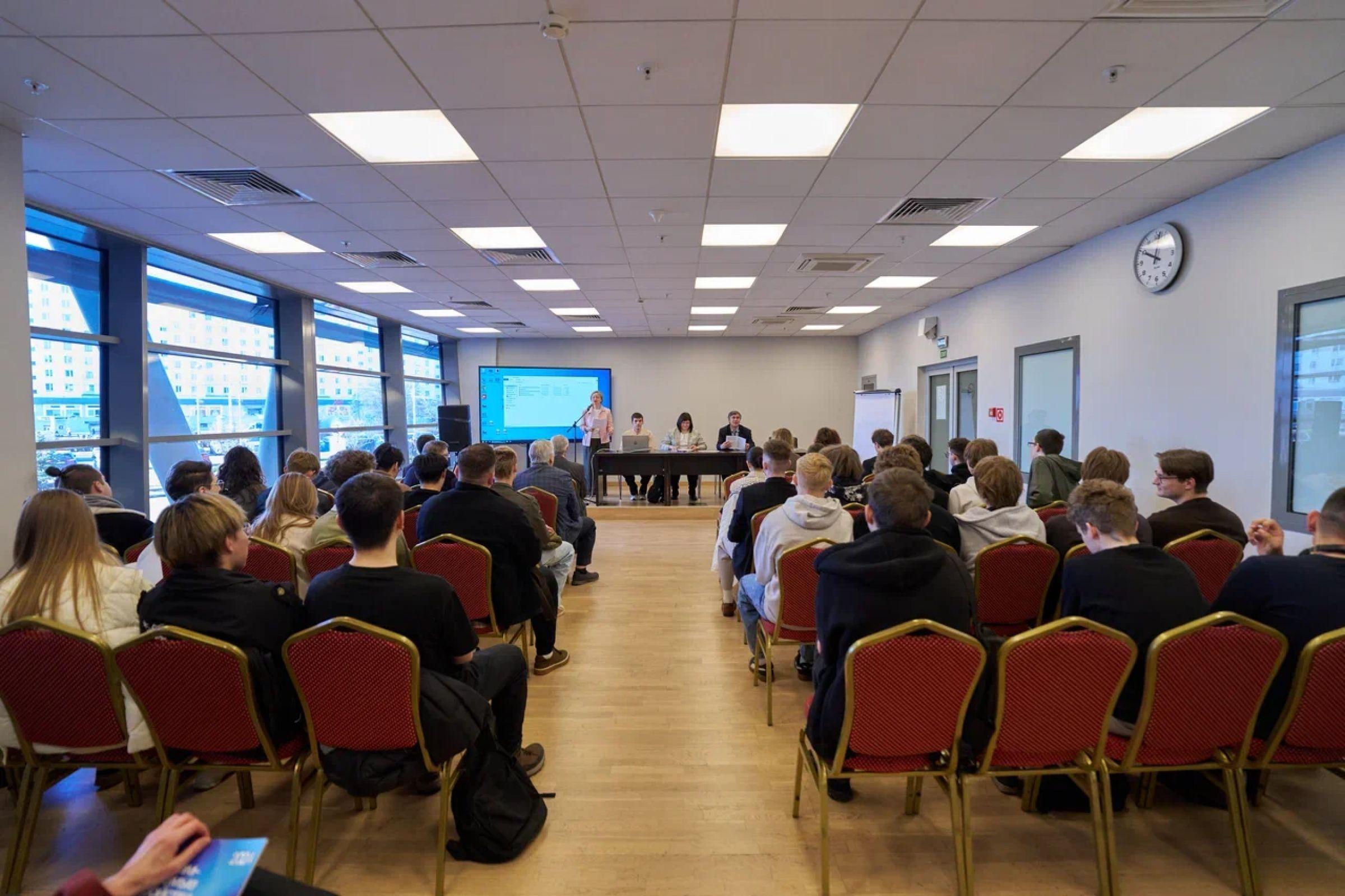
On March 18, in cooperation with MinskExpo and as part of the 29th International Specialized Exhibition "Automation. Electronics-2026", the 14th International Scientific and Practical Conference "Innovative Technologies, Automation and Mechatronics in Mechanical Engineering and Instrument Engineering" was held.
The annual conference is organized by the Department of Robotic Systems of the Faculty of Information Technologies and Robotics at BNTU.
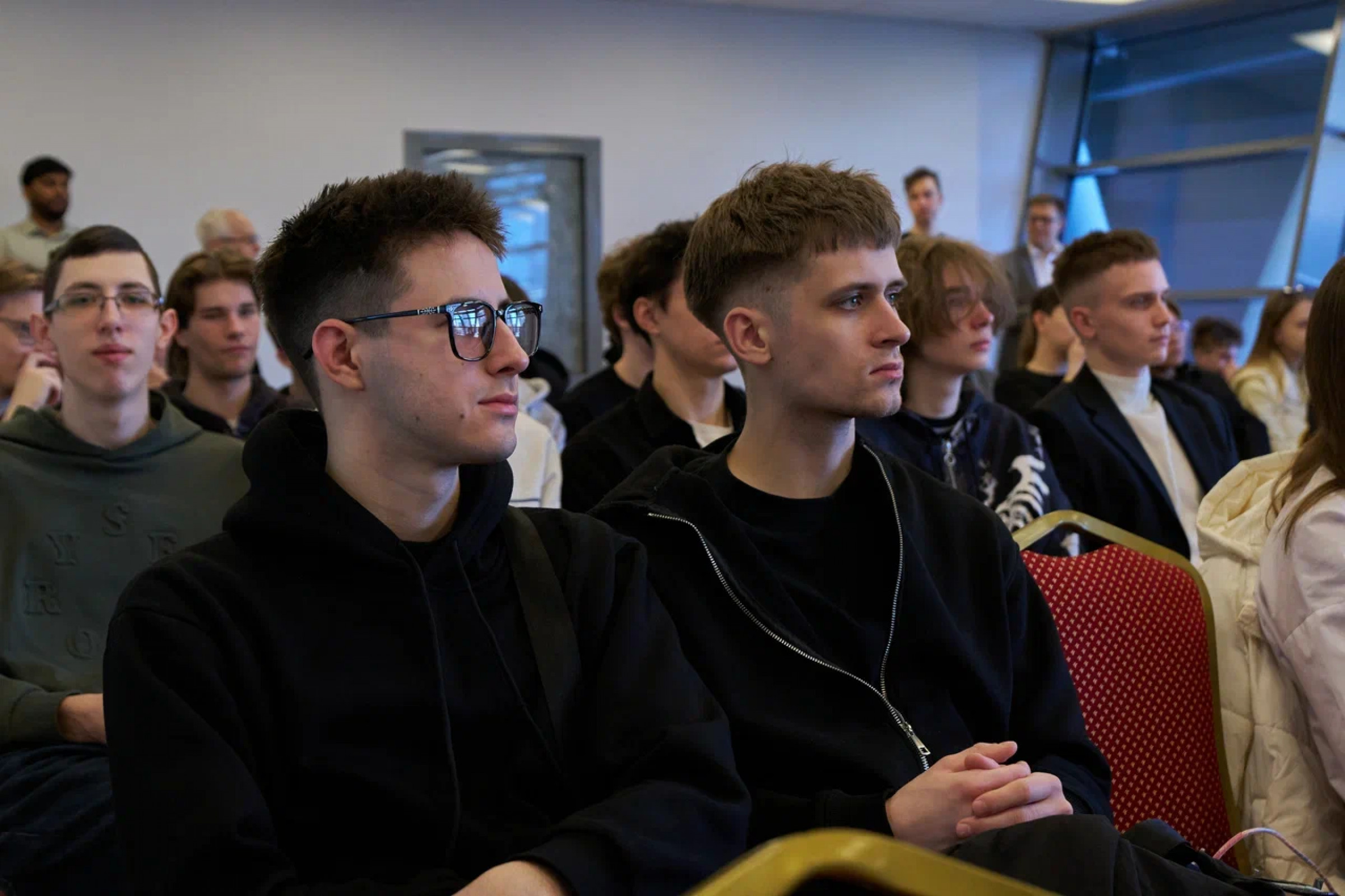
The conference was opened by Bazhena Aleksandrovna Badak, Deputy Dean of the Faculty of Information Technologies and Robotics. In her opening remarks, she emphasized that modern engineering education has long extended beyond the classroom. Today, future specialists need to see how technologies function in real industrial settings, what solutions are already being introduced in industry, and in which direction scientific thought is developing. For this reason, participation in specialized exhibitions and scientific conferences has become an important part of the professional development of students and young engineers. She wished all participants and attendees productive work and engaging presentations.
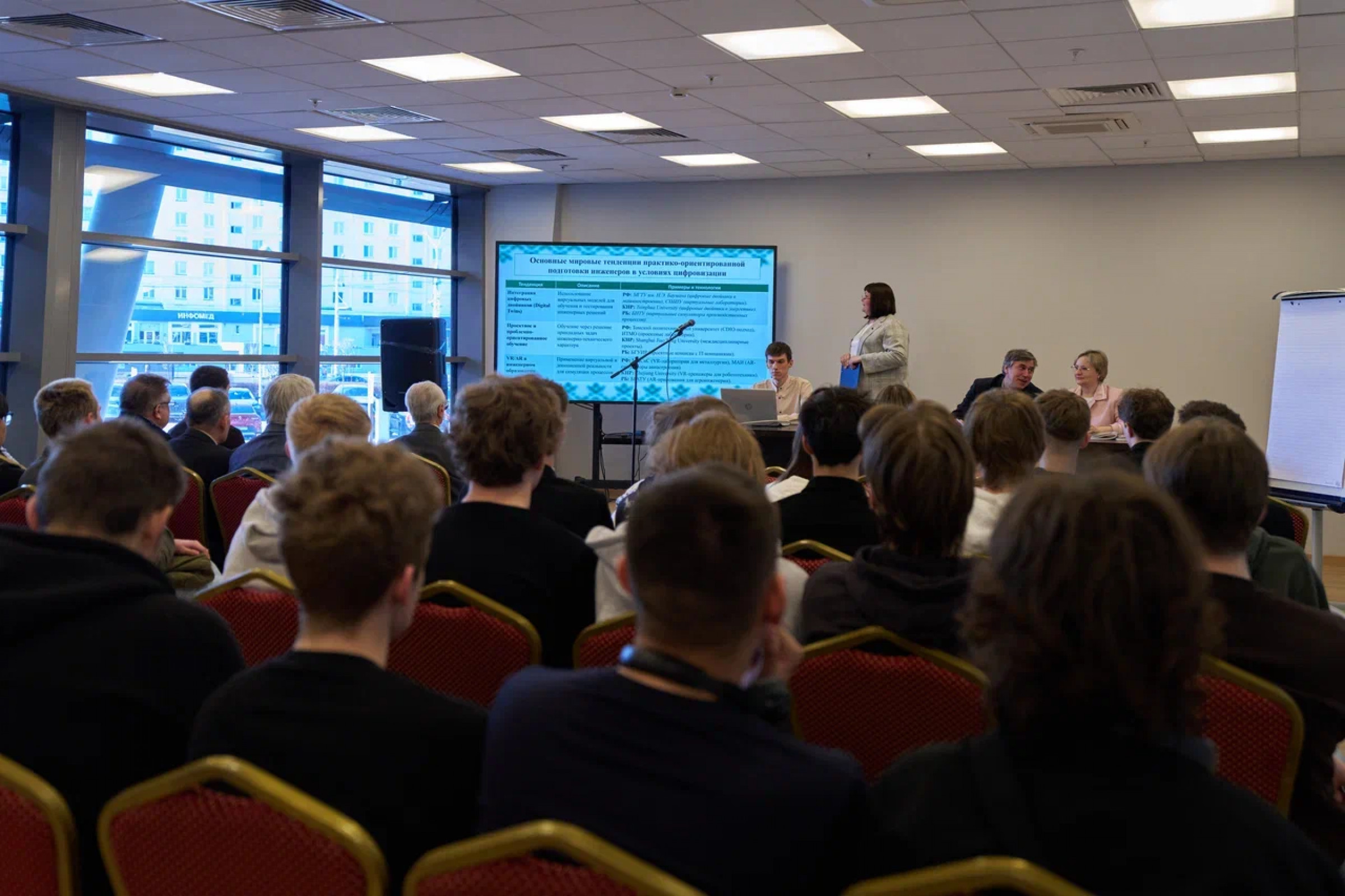
The conference program traditionally included both plenary and poster sessions. The plenary day was structured in a clear and meaningful way. Registration of participants took place in the morning, followed by the main plenary session. At the same time, the poster session was held throughout the day, and the event concluded with a final meeting.
The key themes of the program reflected the most relevant areas of engineering development. These included industrial automation and modern control systems, such as industrial controllers, monitoring and regulation systems, and intelligent solutions for manufacturing processes; robotics and mechatronics, ranging from industrial robot trajectory design and integration with CAM/CAD environments to practical robotic systems; and digital and AI technologies, including computer vision, image processing, neural network models, intelligent diagnostics, and data analysis.
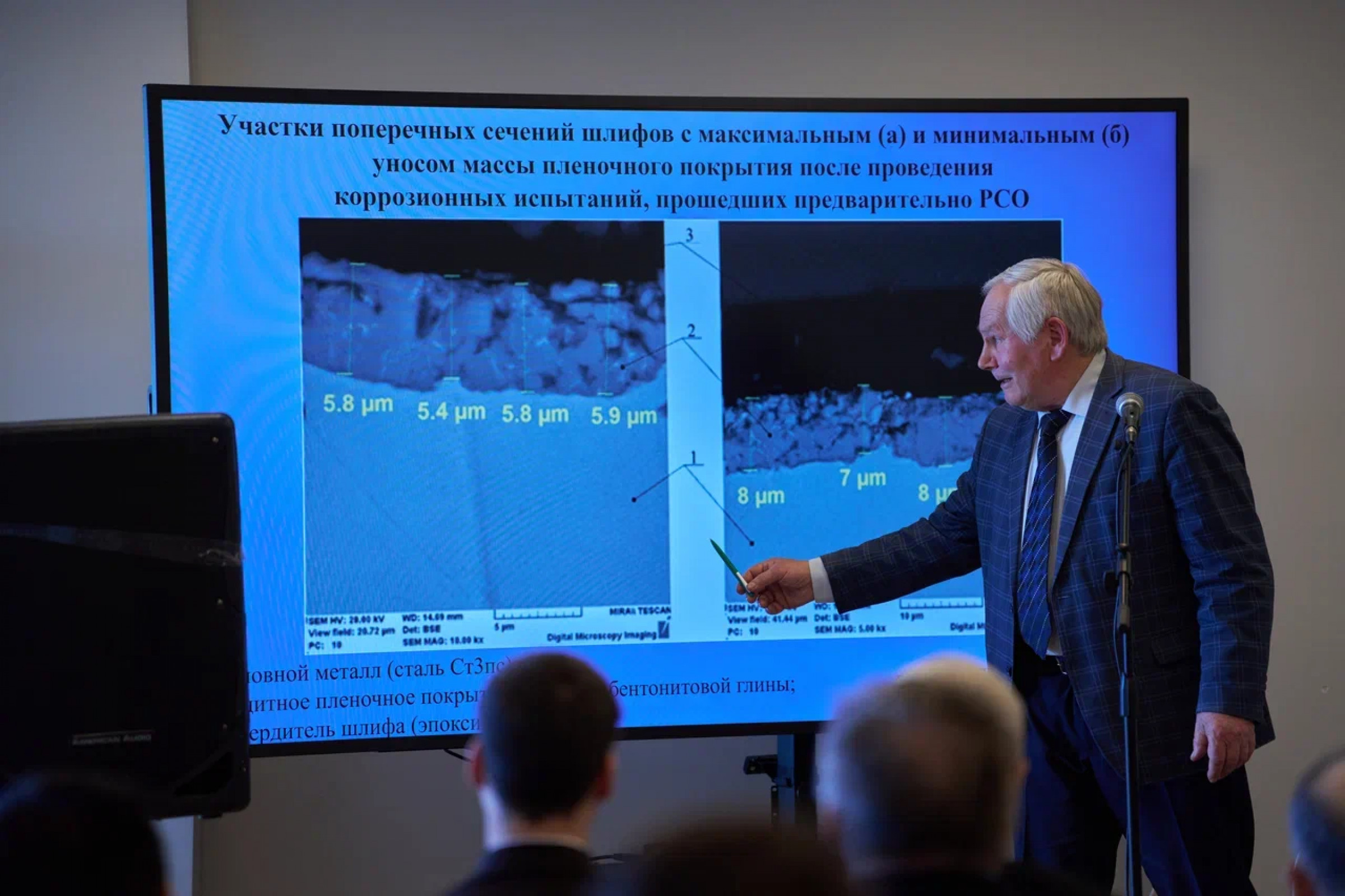
Special attention was given to the energy and infrastructure block. The reports and discussions addressed issues such as the energy efficiency of street lighting systems, automated emissions monitoring, diagnostics of engineering structures, and practical energy-saving tasks aimed at creating a comfortable and sustainable urban environment. This demonstrates that automation today is closely connected not only with industrial efficiency, but also with urban development and various sectors of the economy.
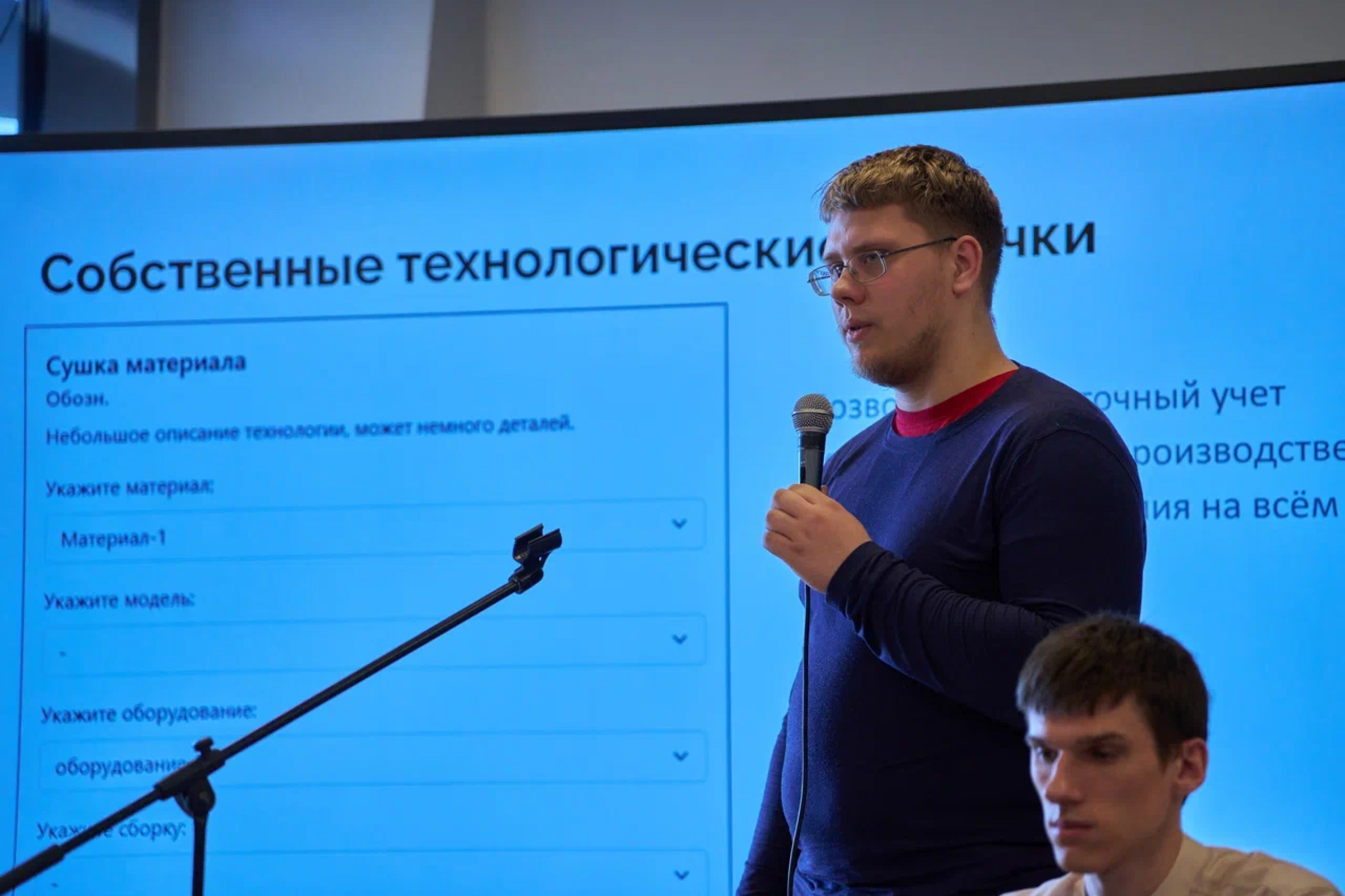
An important feature of the program was its interdisciplinary and international character. The agenda brought together topics related to mechanical engineering, instrument engineering, electronics, additive technologies, unmanned systems, digital manufacturing, and engineering education. This broad range of subjects shows that a modern engineer must possess comprehensive rather than narrow qualifications, with an understanding of mechanics, software, and the principles of intelligent control.
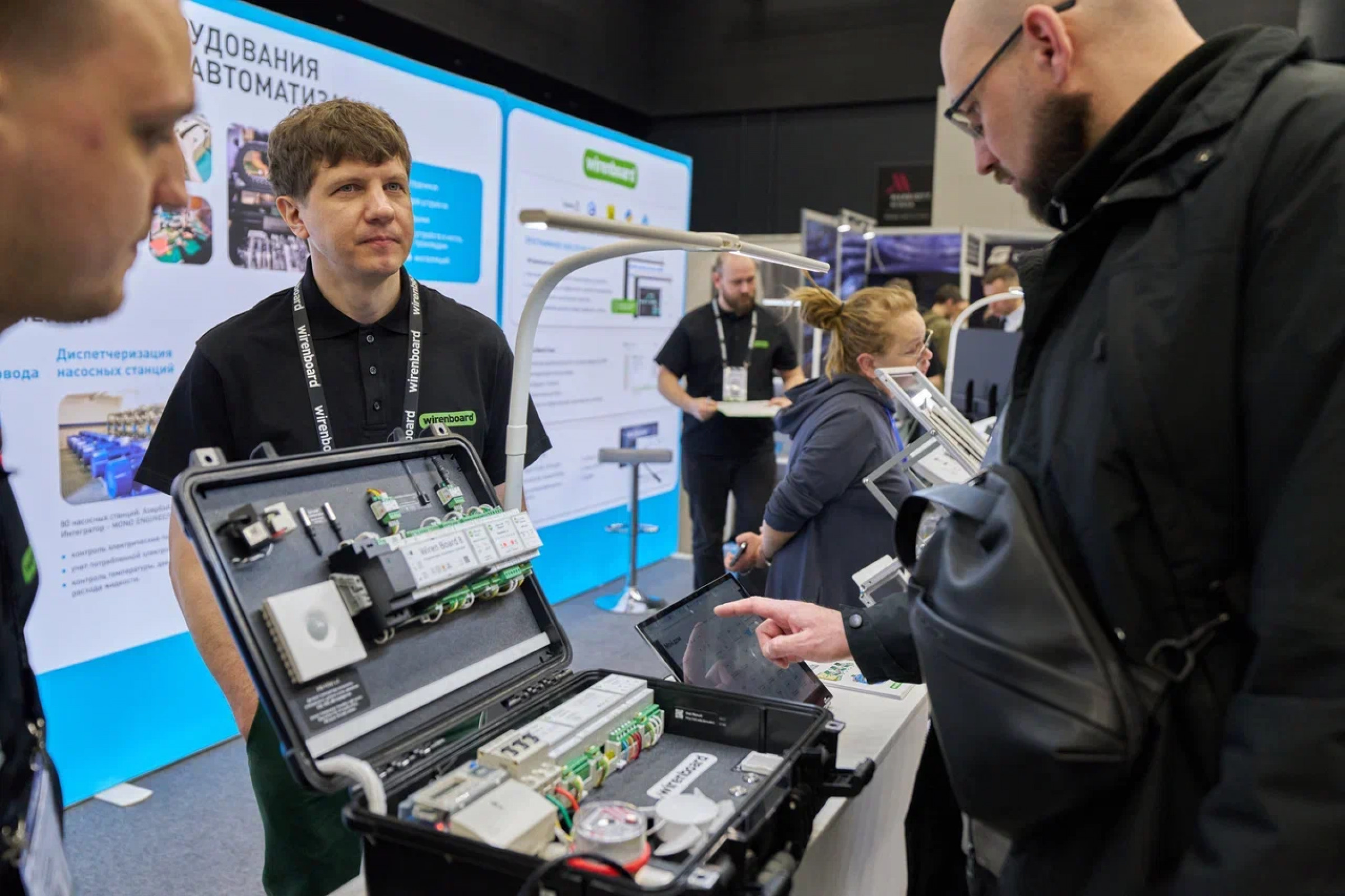
Overall, the program of the 14th plenary session confirmed that the development of automation and mechatronics is moving toward the integration of artificial intelligence, robotic solutions, and energy-efficient technologies. For students and young professionals, participation in such events is not only a way to broaden their horizons, but also a real step toward professional growth. Platforms like this help strengthen the connection between theory and practice and lay the foundation for new engineering projects that are in demand across many industries.
We wish the entire organizing team continued success.
