From 30 September to 2 October 2026, Minsk hosted the international industrial exhibition INNOPROM. Belarus at the Minsk International Exhibition Centre BELEXPO. The event brought together representatives of various industrial sectors, innovative companies, investors and government bodies.
The exhibition's main sections included:
Background. More than 160 enterprises and organisations from the Republic of Belarus took part in the exhibition, with the country's indoor display spanning some 6,000 m². An additional 3,000 m² were occupied by an outdoor exhibition of large-scale Belarusian machinery.
The Russian exposition was housed in a pavilion with a total area of 9,000 m². More than 200 companies participated on the Russian side. In addition, collective stands were presented by the Russian Ministry of Industry and Trade, the Russian Export Centre and 17 Russian regions, including Krasnodar Krai, the Republic of Tatarstan, Khanty-Mansi Autonomous Okrug – Yugra, Leningrad Oblast, Chelyabinsk Oblast, Samara Oblast, Nizhny Novgorod Oblast, Vladimir Oblast, Arkhangelsk Oblast, the Republic of Mordovia, Bryansk Oblast and Krasnoyarsk Krai.
Alongside Russian and Belarusian companies, more than 60 foreign participants were represented at the exhibition. National expositions were mounted by Kazakhstan, Kyrgyzstan and Uzbekistan, as well as Iran, Cambodia and Azerbaijan.
The Ministry of Education of the Republic of Belarus presented more than 40 innovative developments. Its collective stand, organised by the Belarusian National Technical University, showcased innovations from BNTU (including the Science and Technology Park of BNTU "Polytechnic"), the Belarusian State University, the Belarusian State Technological University, the Belarusian-Russian University, Sukhoi Gomel State Technical University, Francisk Skorina Gomel State University, Yanka Kupala Grodno State University and Polotsk State University. The innovations spanned such fields as metalworking and cutting tools, industrial alloys and products based on them, equipment and technologies for mineral processing, functional materials for high-tech applications, mechanical engineering and instrument-making, industrial automation and metrology.
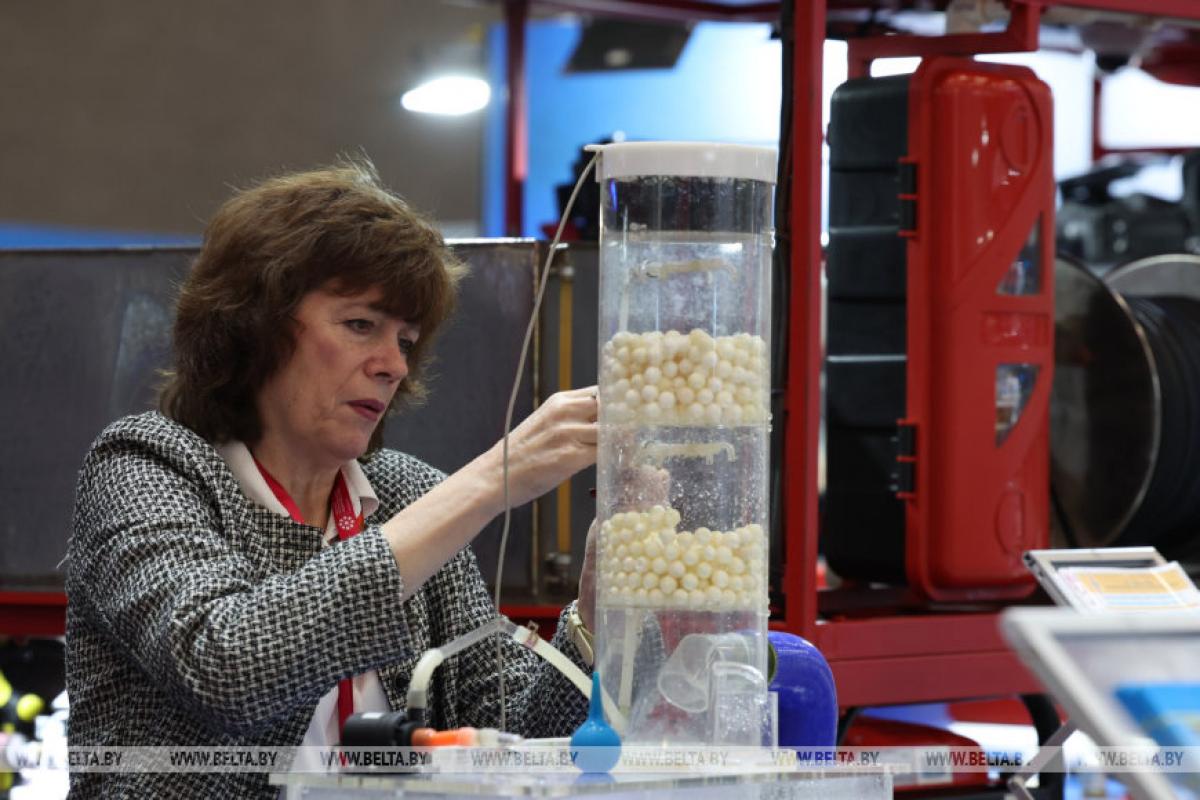
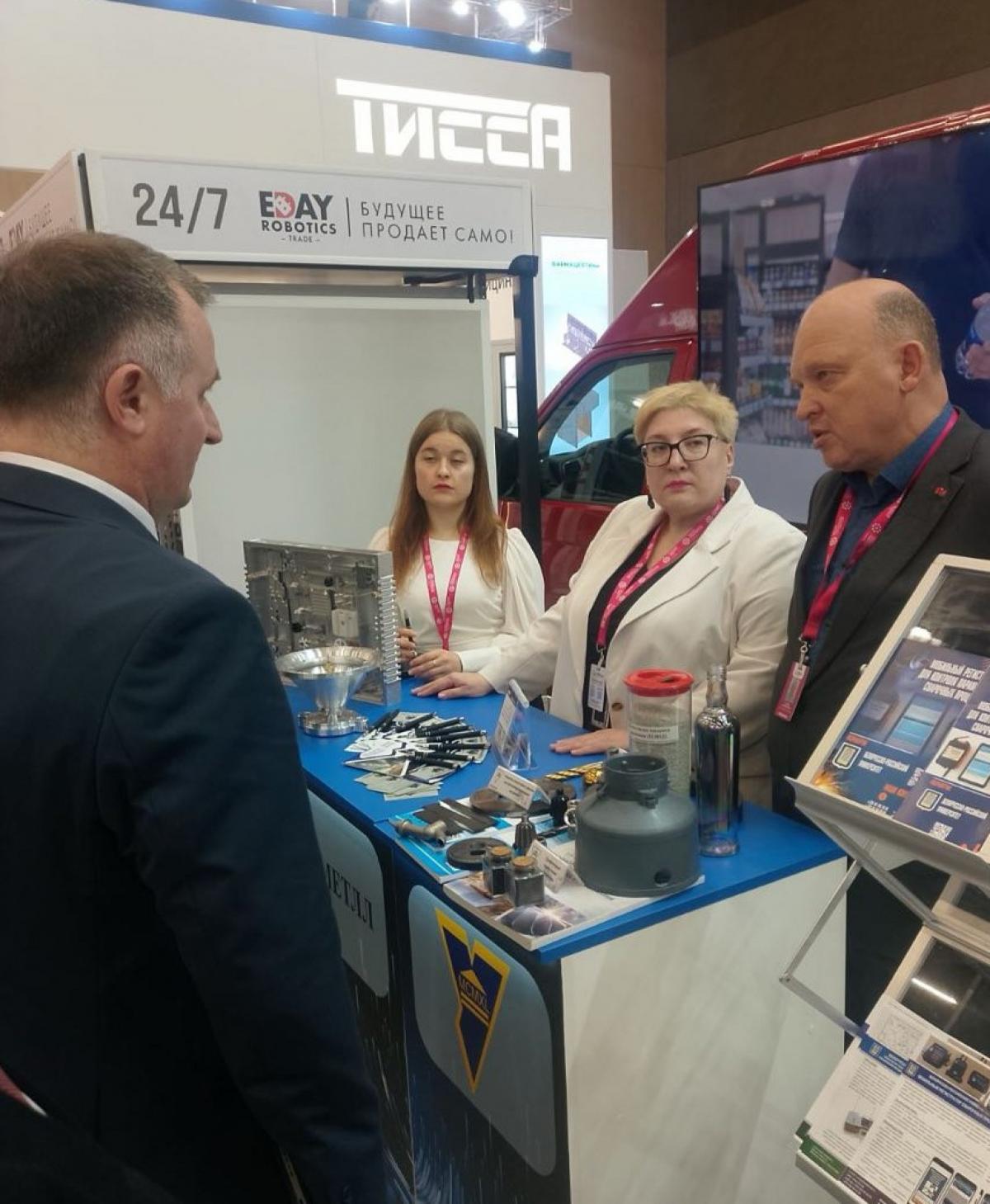
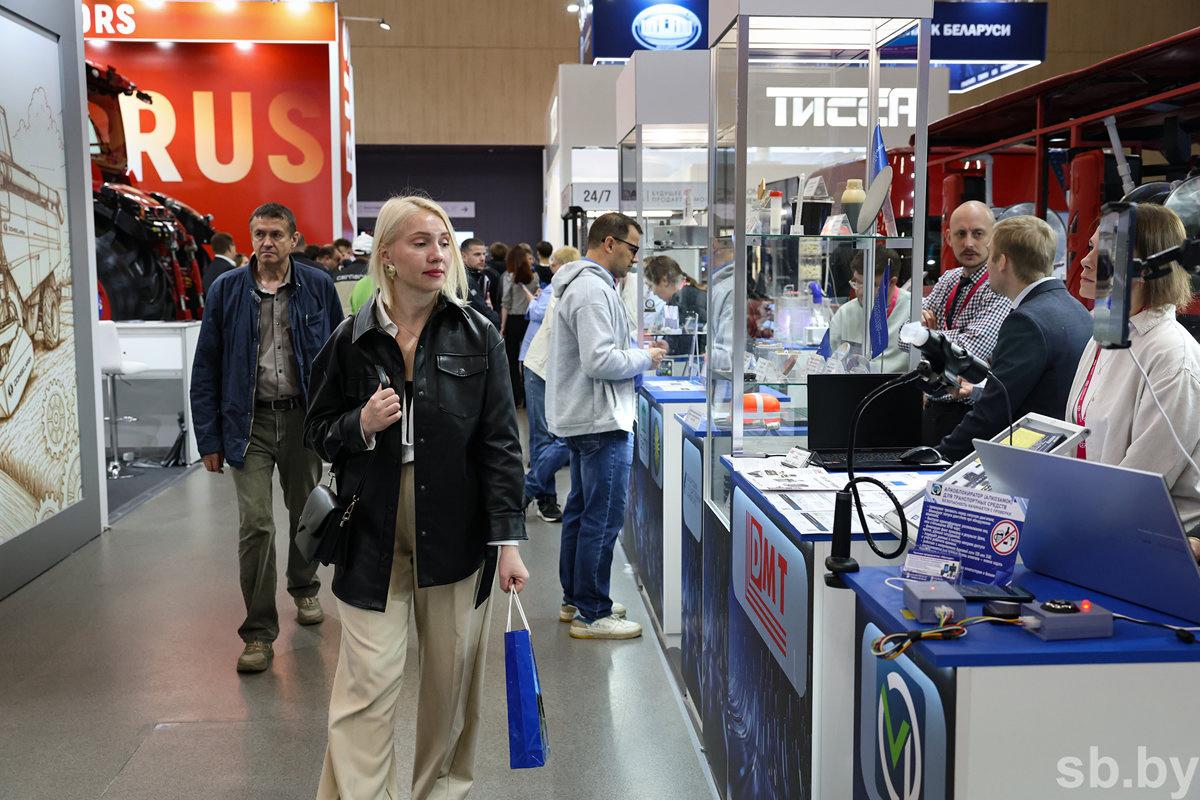
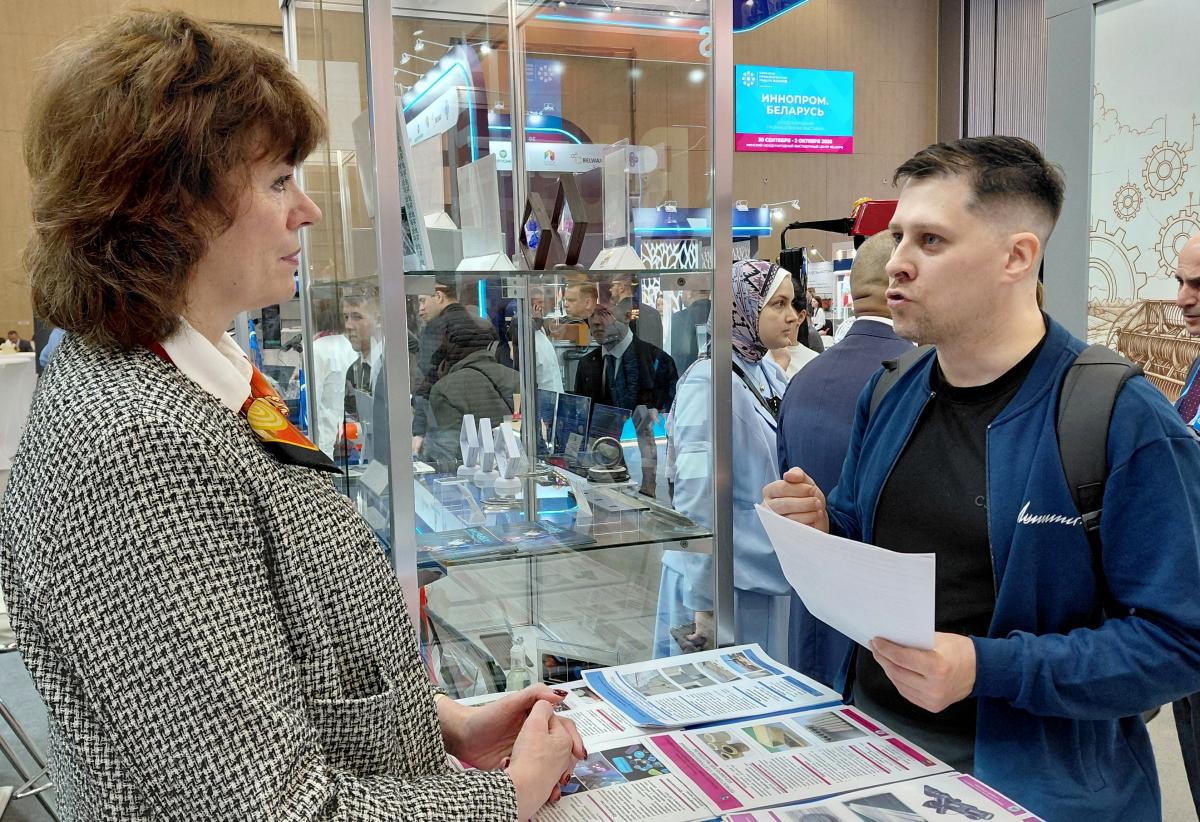
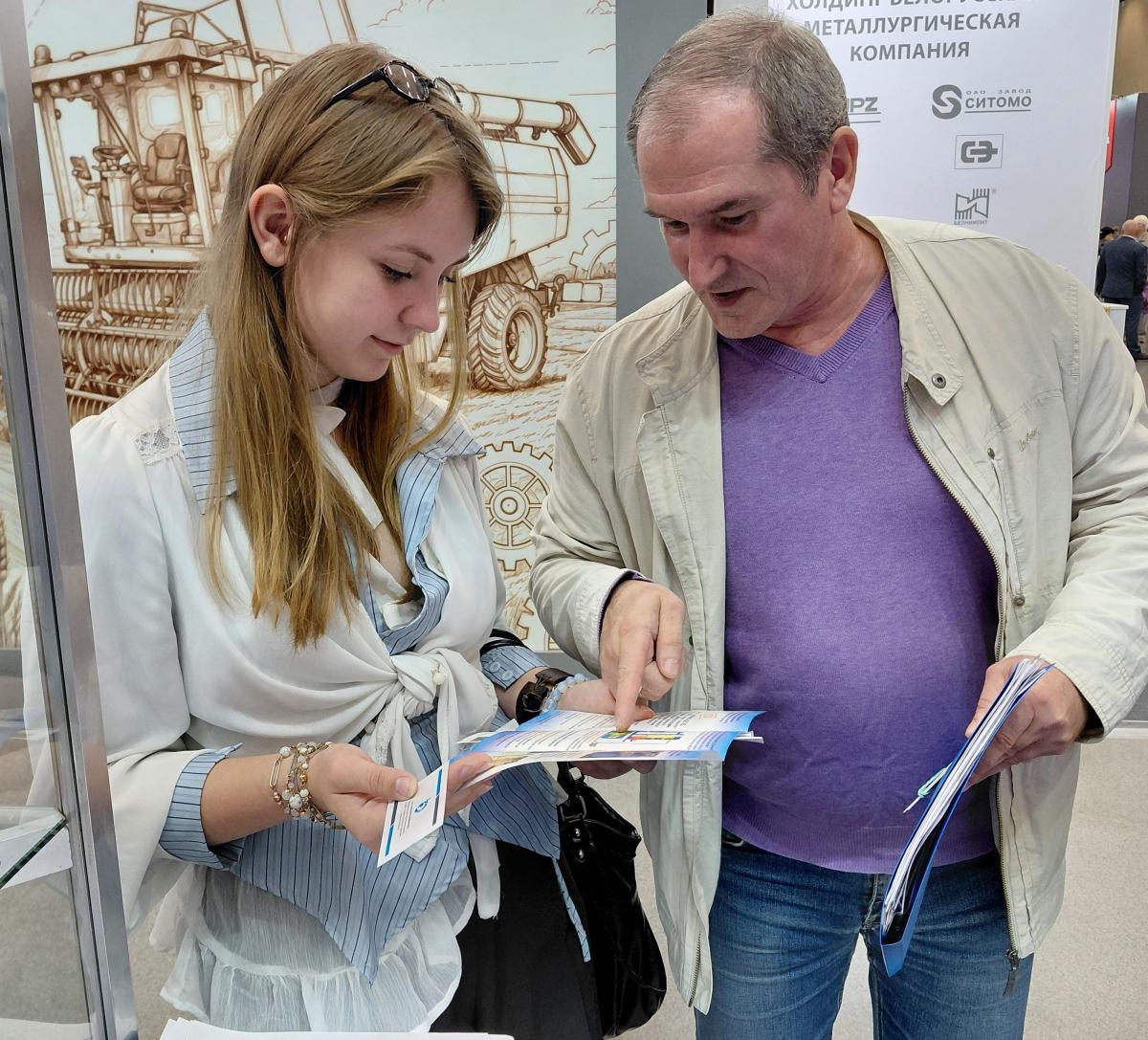
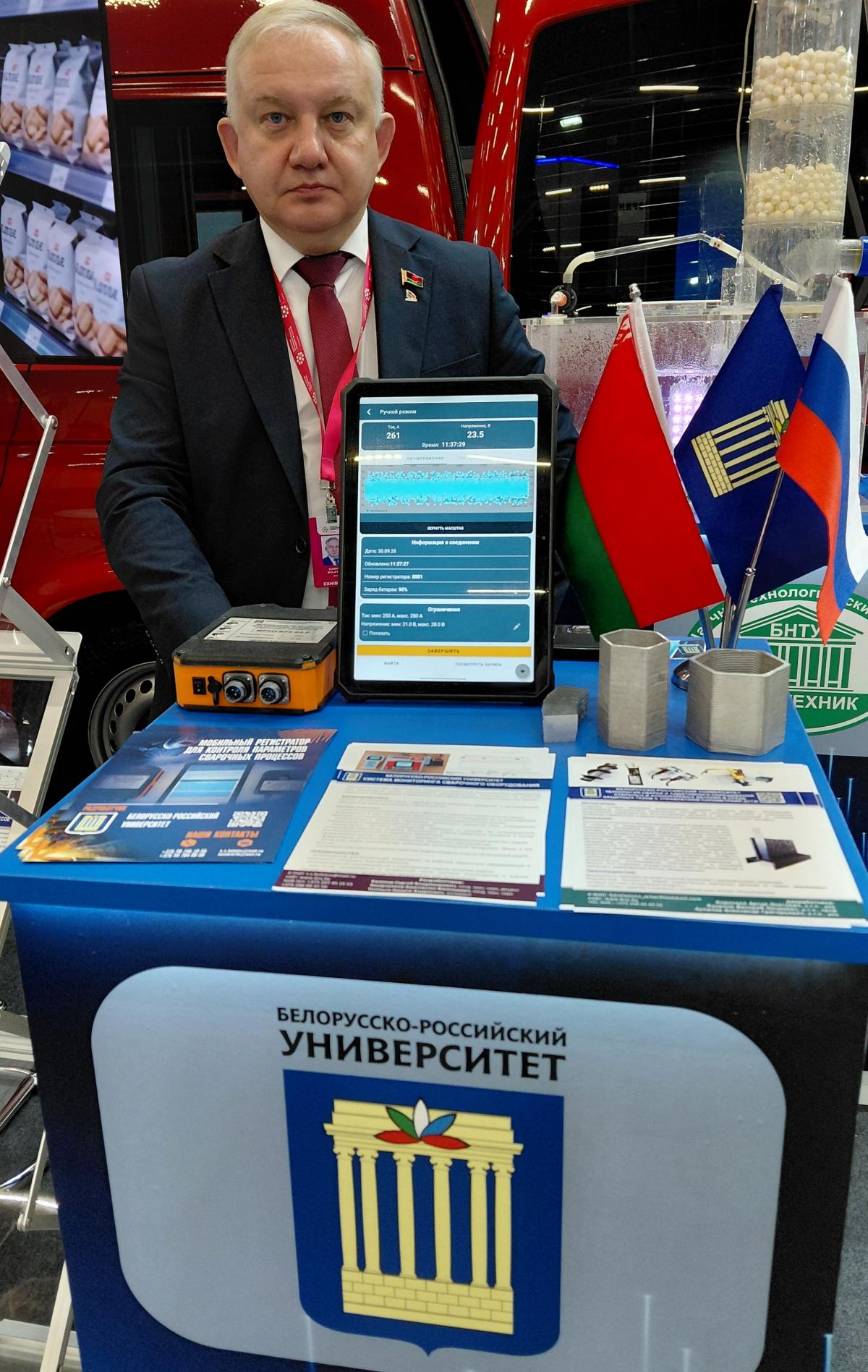
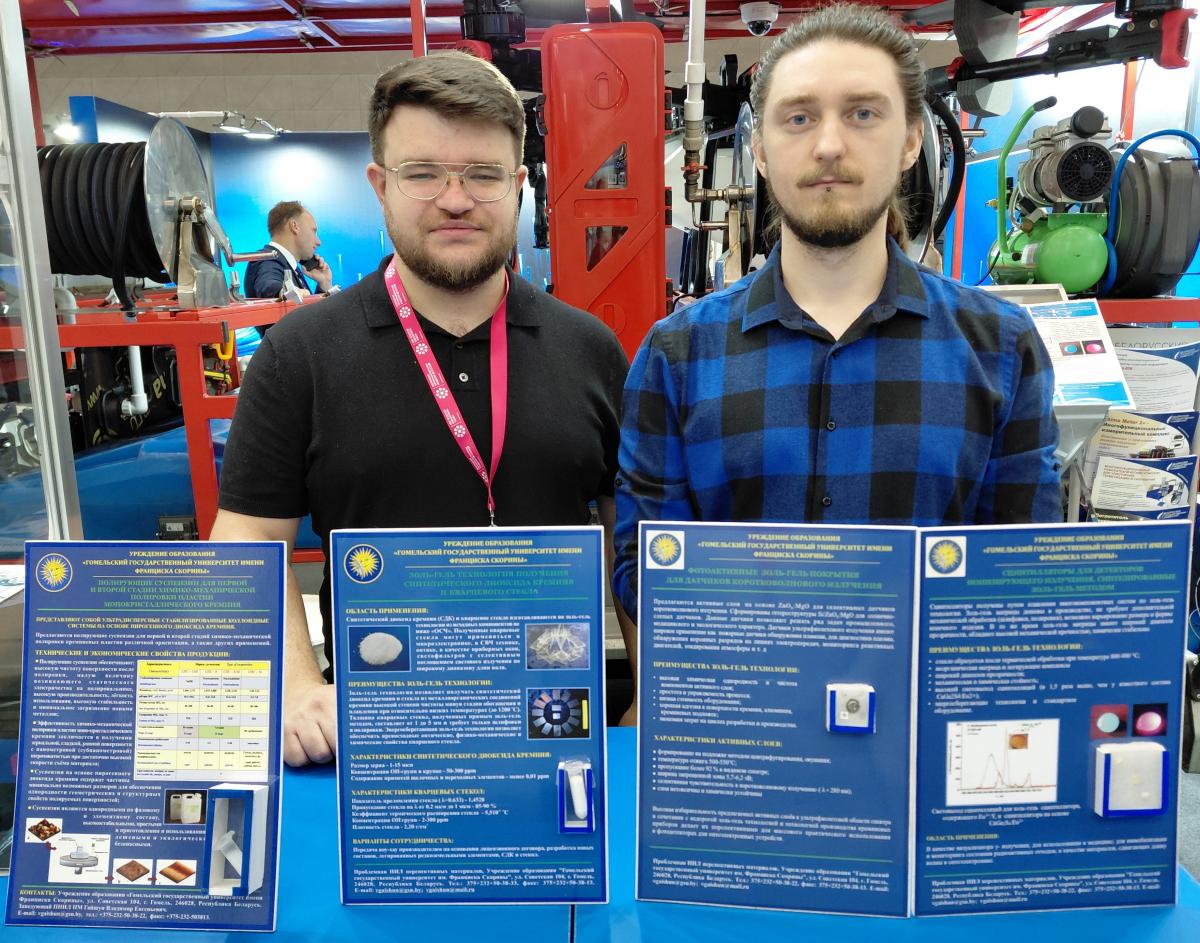
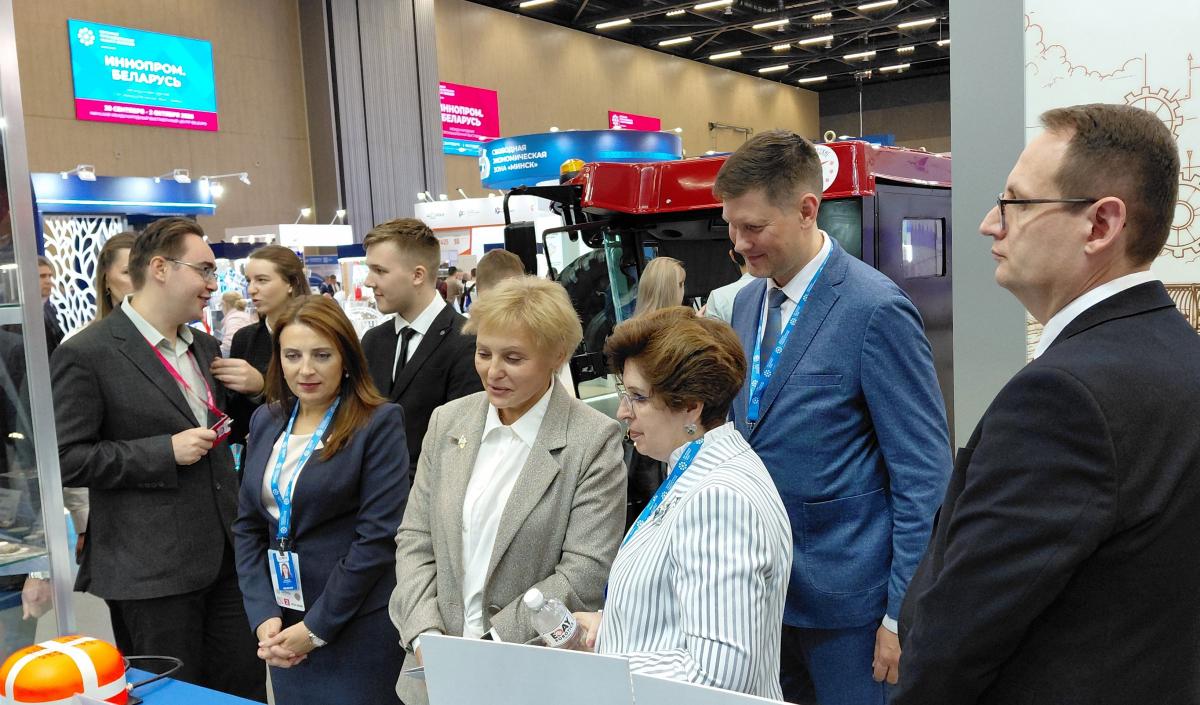
The Ministry of Education's collective exposition was visited by Denis Korzhitsky, Chairman of the State Committee on Science and Technology of the Republic of Belarus; Tatiana Stolyarova, Deputy Chairman of the SCST; Irina Manuilova, Deputy Governor of Novosibirsk Oblast of the Russian Federation; and Vadim Vasilyev, Minister of Science and Innovation Policy of Novosibirsk Oblast.
The centrepiece of the business programme was the main plenary session, "Production and Technological Cooperation: Complementary Partnership," attended by heads of government of the EAEU countries. Participants discussed the development of Eurasian industrial partnership, the integration of production chains and the launch of joint high-tech projects. The exhibition's business programme addressed a wide range of pressing topics: fostering effective industrial cooperation between regions and building systemic exports, the human resource potential of industry and adapting the labour market to current realities, and developing the market for high-tech raw materials.
