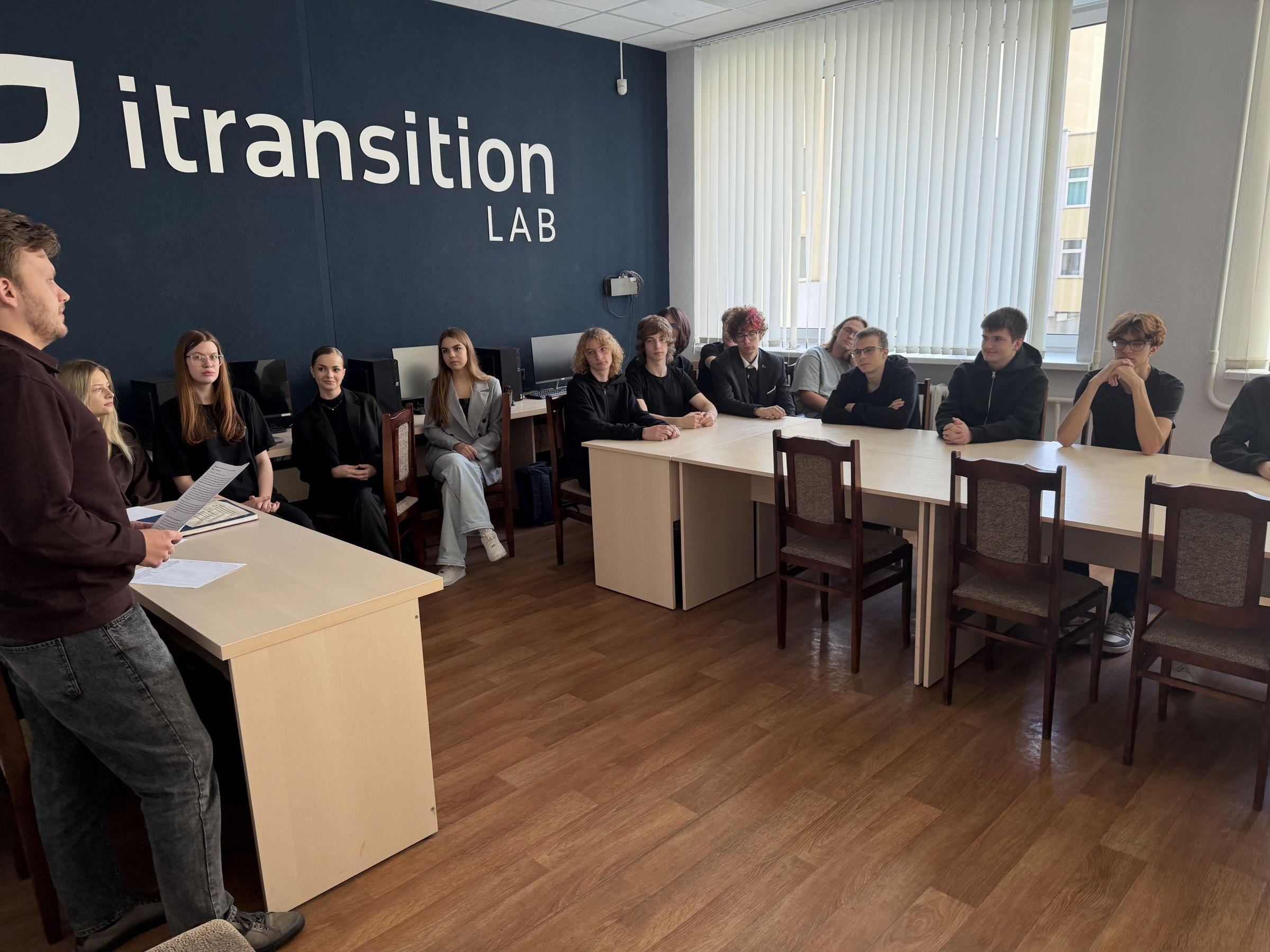
On September 28, curatorial sessions dedicated to one of the most relevant threats in today’s digital environment — phishing — were held for first-year students of the Faculty of Information Technologies and Robotics at BNTU.
The sessions were conducted by Senior Lecturer O. E. Oshukovskaya and Trainee Lecturer N. V. Davydenko. The main purpose of the meetings was to improve students’ digital literacy and develop safe online behavior skills.
During the sessions, first-year students learned about the most common types of online fraud. Particular attention was paid to modern phishing schemes, including fraudulent phone calls and the use of deepfakes, messages in instant messengers, fake QR codes, fraudulent websites and advertisements, malicious documents and attachments, as well as new methods of deception involving artificial intelligence technologies.
Students learned how to identify potentially dangerous messages and phone calls. The main warning signs discussed included attempts to create a sense of urgency, requests to disclose SMS verification codes or bank card details, suspicious sender addresses, unknown links, and unexpected attachments.
Special attention was also paid to rules that can help reduce the risk of becoming a victim of fraud. Participants were reminded to treat unexpected messages and requests critically, use two-factor authentication and strong unique passwords, and verify information before taking any action.
The discussion was complemented by a screening of the video “How Not to Become a Victim of Fraudsters. Dangerous Fraud Schemes.” Through specific examples, students were introduced to common techniques used by fraudsters and shown how to respond properly to suspicious calls and messages.
Such curatorial sessions help students develop critical thinking and build what can be described as “digital immunity” — the habit of carefully evaluating information on the Internet, recognizing potential threats in time, and following the basic rules of digital security.
