From 26 to 28 August 2026, Novosibirsk in the Russian Federation hosted the 13th International Forum for Technological Development, Technoprom – 2026. Recognised as a key event in science, technology and innovation, this year's forum set a new record, drawing delegates from 76 Russian regions and 42 countries – the highest participation figures in its history. Attendees included representatives from research and innovation communities, the real economy, government bodies, and the education sector. Discussions centred on new opportunities for advancing both fundamental and applied research, as well as strengthening international and interregional cooperation.
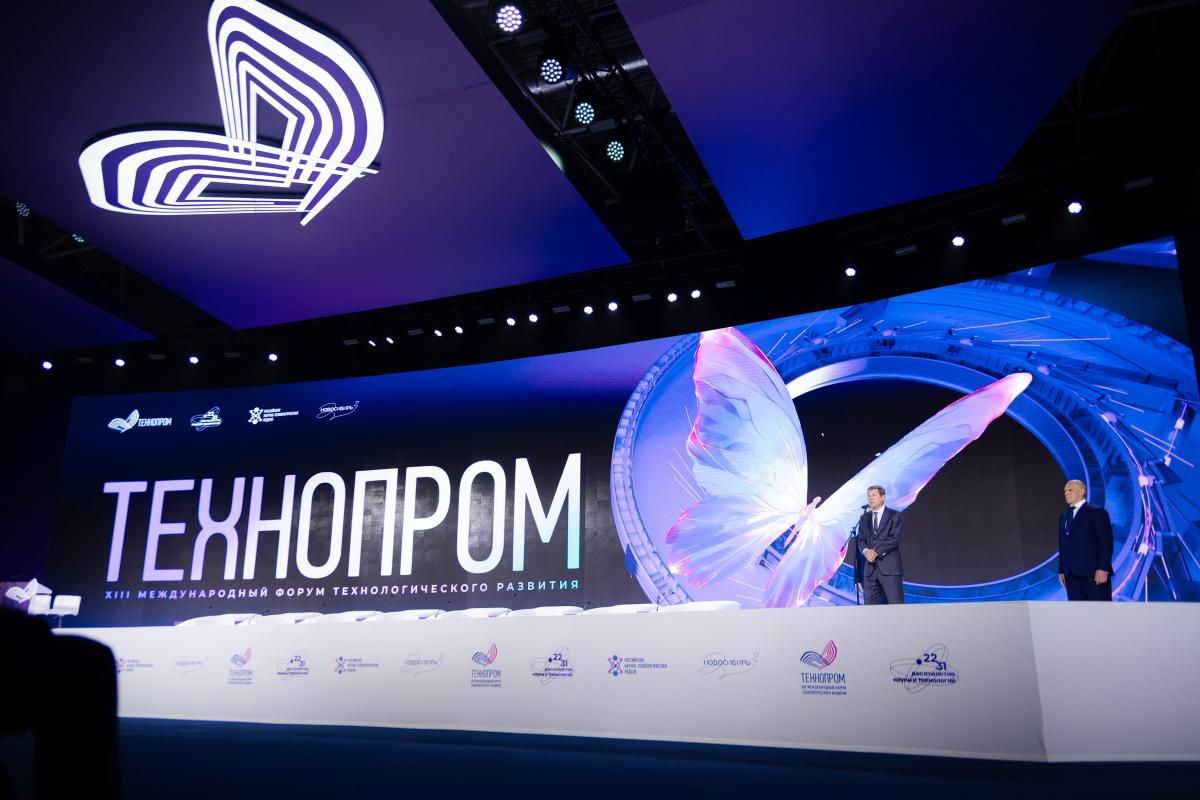
The forum's overarching theme – Russian Science as the Foundation for Technological Leadership – underscored the critical role of basic and applied science in securing Russia's technological sovereignty. The business programme was structured around ten thematic tracks reflecting the country's key scientific and technological priorities:
At the heart of the scientific programme lay the activities of the Siberian Ring Photon Source, a shared research facility. Considerable attention was devoted to training specialists capable of handling large‑scale megascience projects, as well as to engaging researchers from Russia and abroad in experiments using the new facility. In parallel, modern methods of communicating scientific knowledge to the general public are being developed, making science more accessible and comprehensible to society.
The forum opened with welcoming addresses from Dmitry Chernyshenko, Deputy Prime Minister of the Russian Federation; Alexander Zhukov, First Deputy Chairman of the State Duma; Andrey Travnikov, Governor of the Novosibirsk Region; and Alexander Karelin, Senator of the Russian Federation.
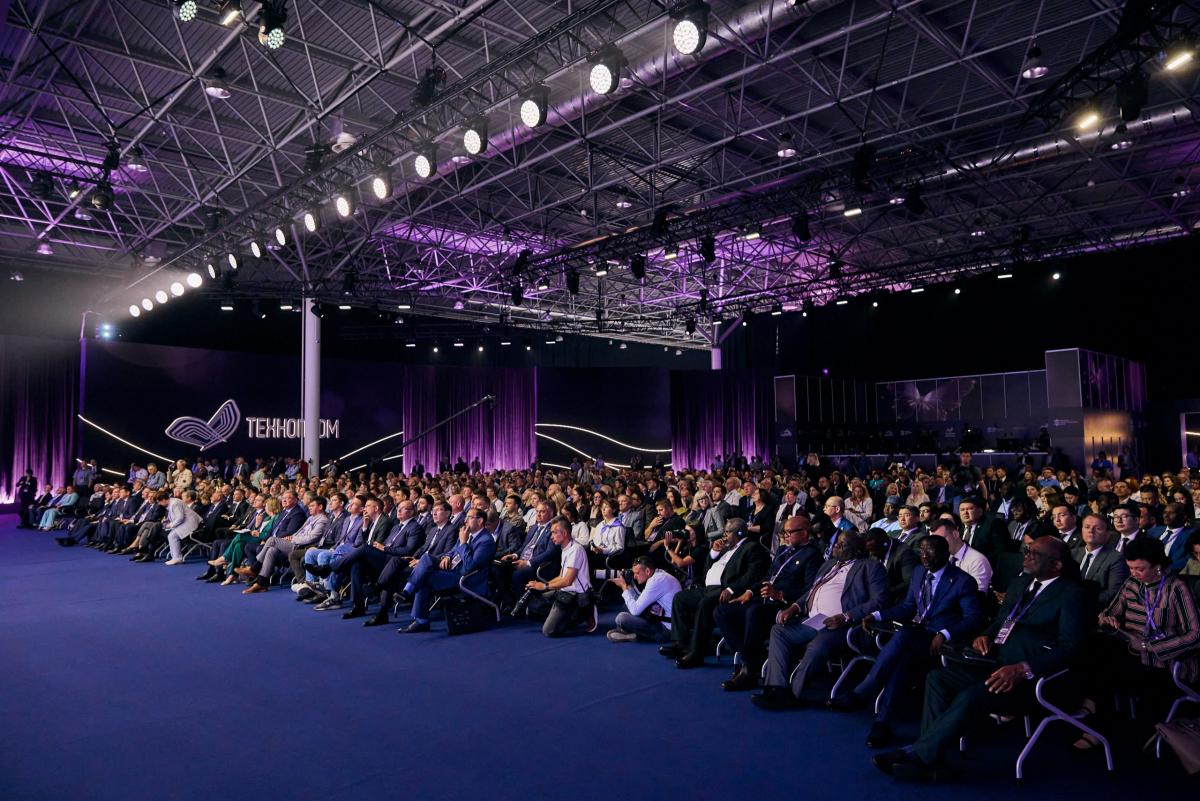
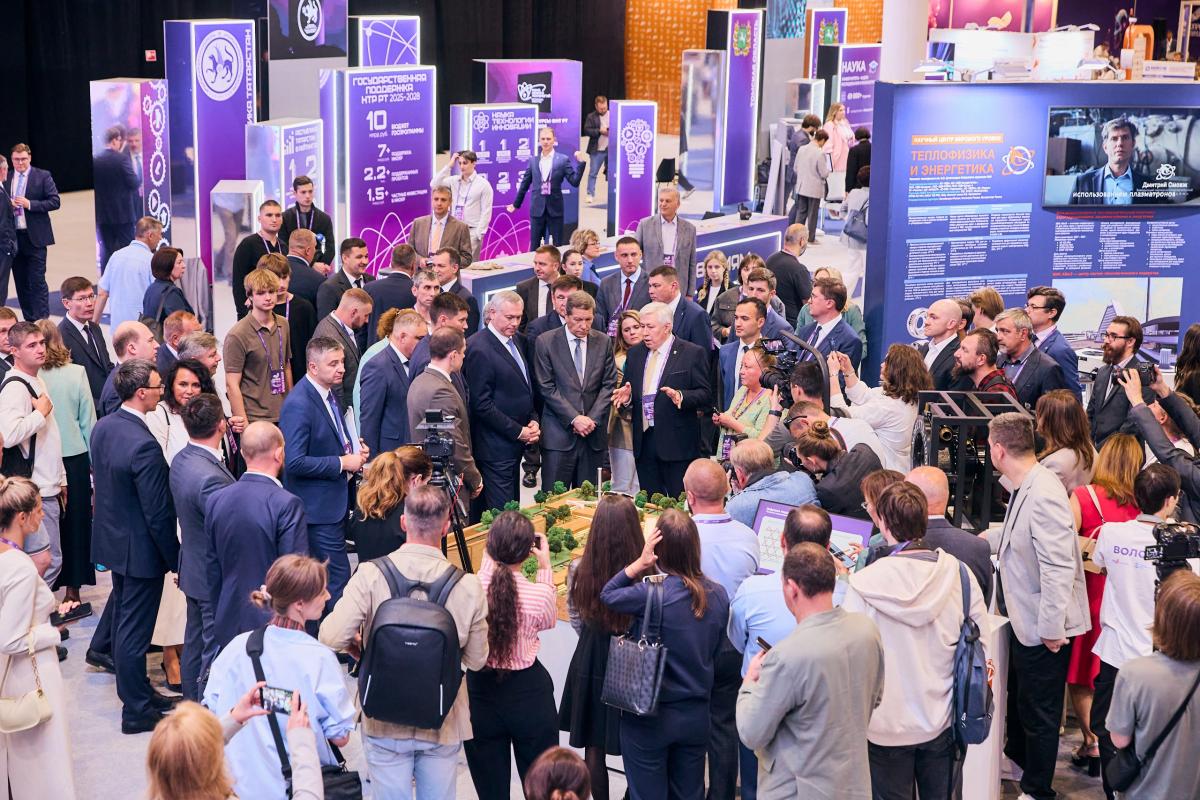
Over three days, dozens of venues hosted lively debates, expert discussions and the signing of numerous cooperation agreements. The high level of interest in the forum can be largely attributed to the economic and scientific potential of the Novosibirsk Region.
Background note. The Novosibirsk Region stands out for its highly diversified economy – an unusual characteristic for Siberia. Its structure reflects a strong innovation capacity. In the regional gross regional product (GRP), industry accounts for over 20%, trade for 18%, transport and communications for more than 12%, agriculture for 4.9%, and construction for 6.3%. The public services sector (education, healthcare, real estate operations and public administration) generates over 38% of the region's GRP.
Local enterprises are active players in the high‑tech market. The Novosibirsk Region is a major industrial and research hub, with innovative, high‑technology products from its factories in demand both across Russian regions and in neighbouring and distant foreign countries. The Novosibirsk Scientific Centre is a complex ecosystem concentrated on a relatively compact territory – including Akademgorodok, the science town of Koltsovo, and the city of Berdsk – with an exceptionally high density of research and educational capacity. The establishment of the Siberian Branch of the Russian Academy of Sciences, the largest scientific centre in eastern Russia, has laid a solid foundation for advanced technological development.
The region's leading foreign trade partners are China (accounting for over 50% of total trade turnover), Kazakhstan, India and Belarus. Exports to Belarus consist primarily of machinery, equipment and vehicles, along with food products and agricultural raw materials. Other exports include chemical products, rubber, mineral resources, metals and metal goods, timber, and pulp and paper products. In turn, Belarusian exports to the Novosibirsk Region are dominated by foodstuffs, agricultural machinery, trucks, tyres, and engineering and chemical products.
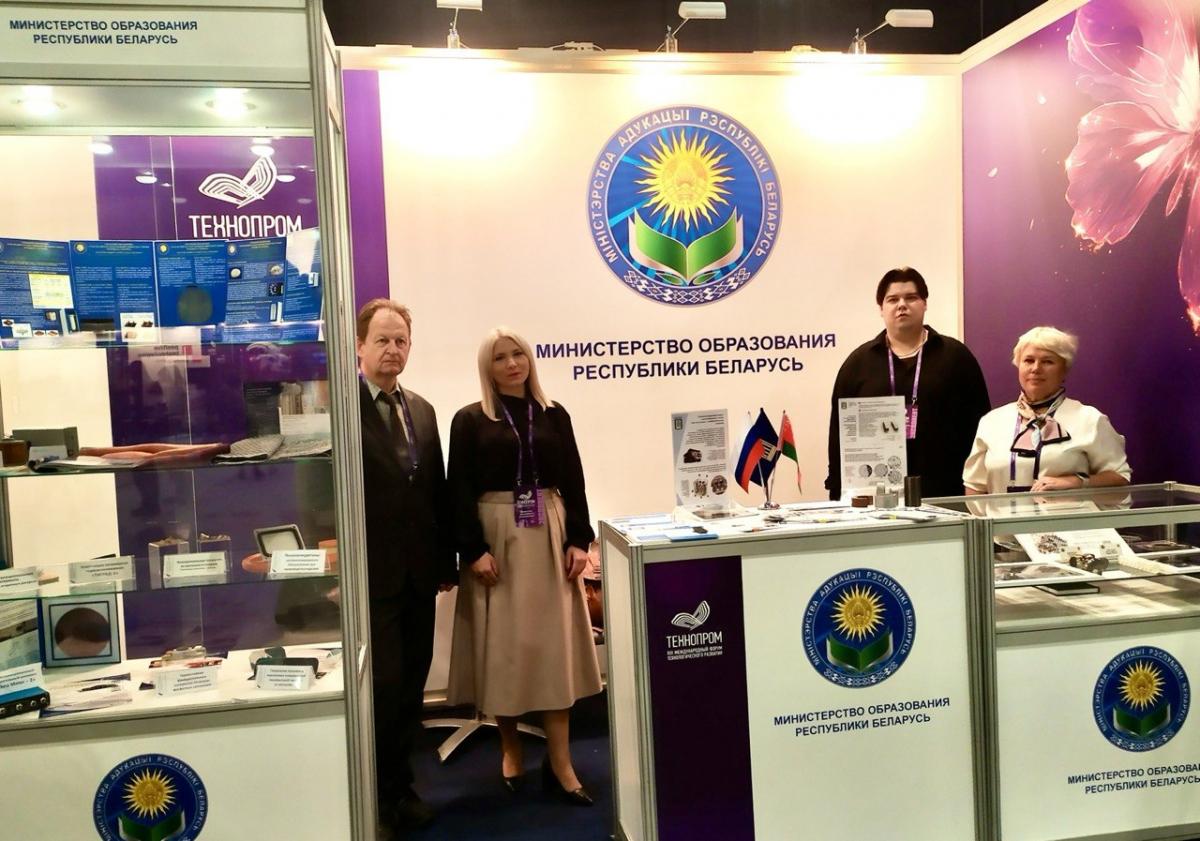
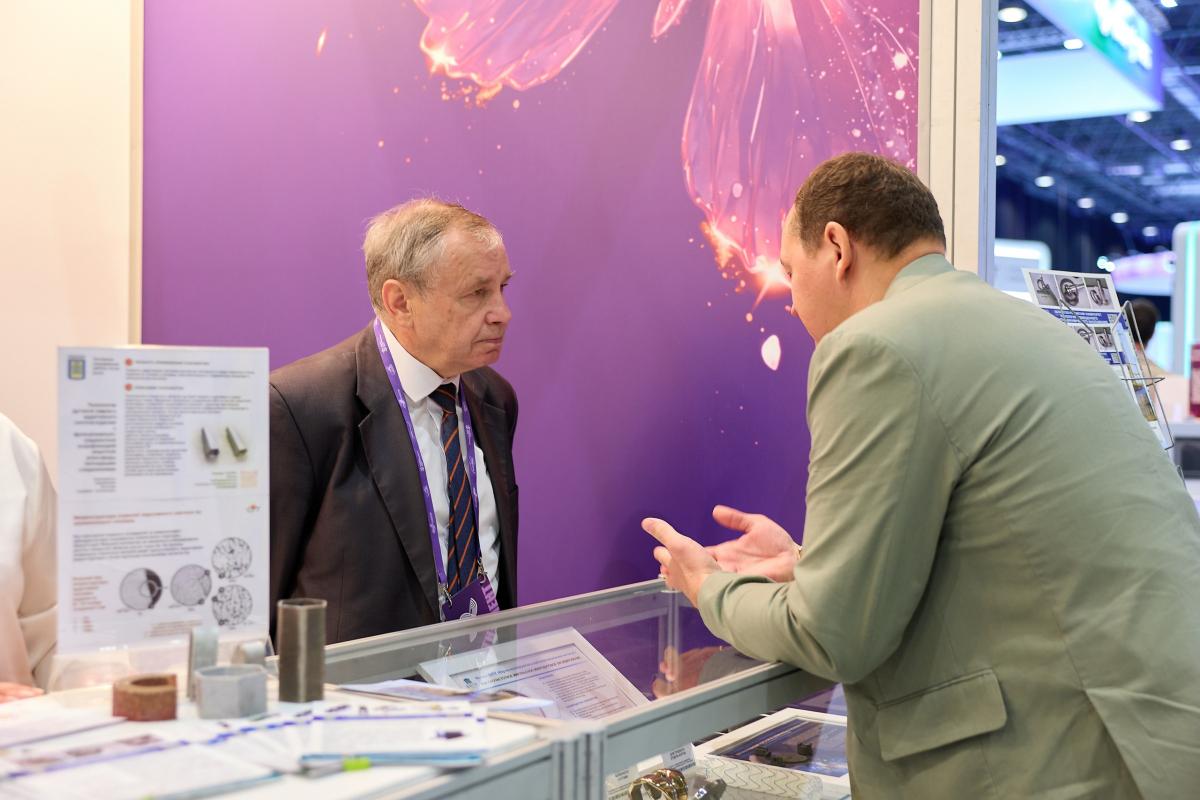
The Ministry of Education of the Republic of Belarus showcased some 30 innovative developments. Its collective stand, organised by the Belarusian National Technical University (BNTU), featured cutting‑edge projects from BNTU (including its Polytechnic Science and Technology Park), Belarusian State University, the Belarusian‑Russian University, Vitebsk State Technological University, and Francisk Skorina Gomel State University.
The business programme comprised 120 events, with delegations from 39 countries taking part. The international track was designed to foster practical cooperation in science, education, technology and the economy. Participants included representatives from Belarus, China, Kazakhstan and several African nations. Discussions covered joint educational initiatives and academic mobility with China, specialist training for African countries, and healthcare partnerships with CIS states.
