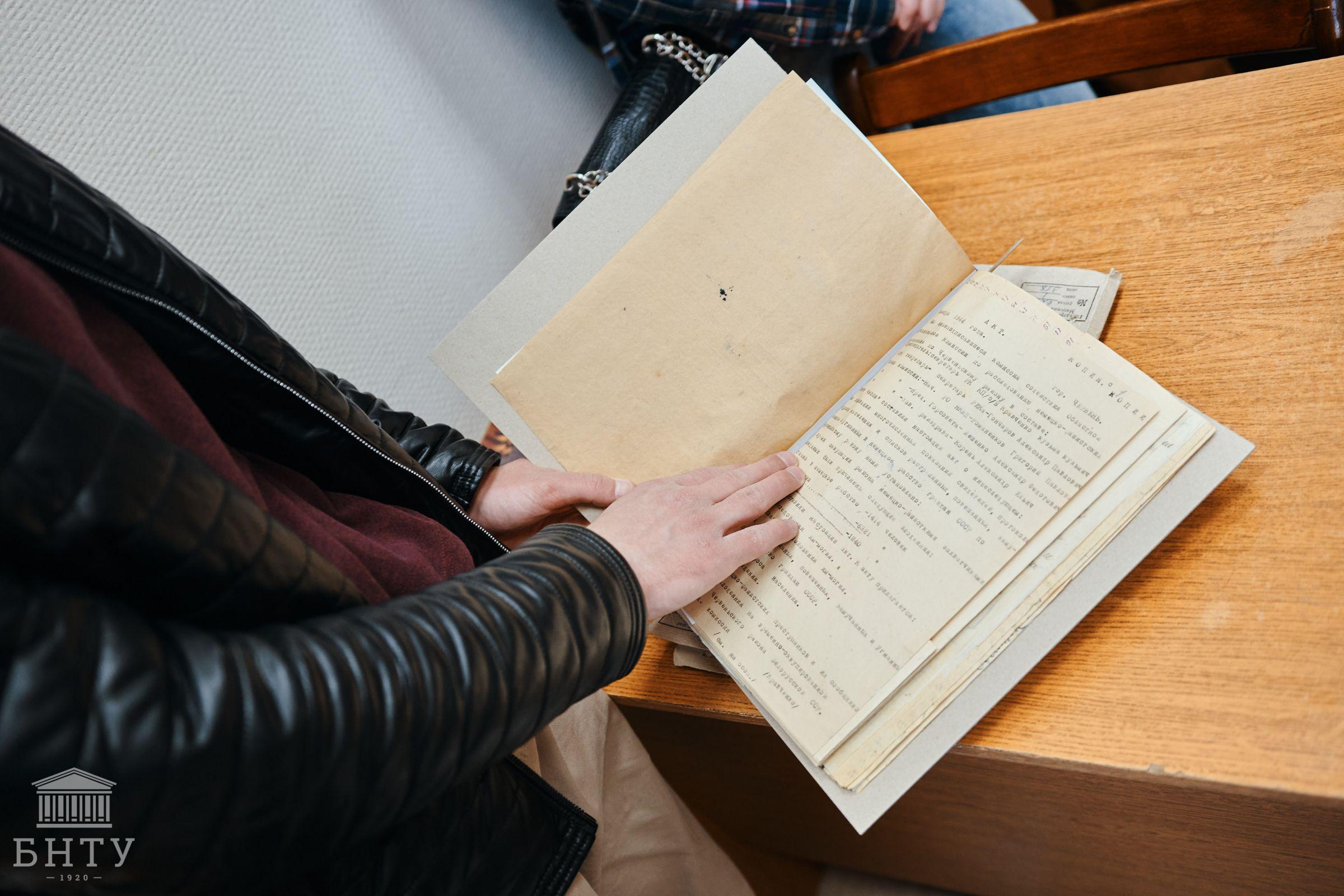
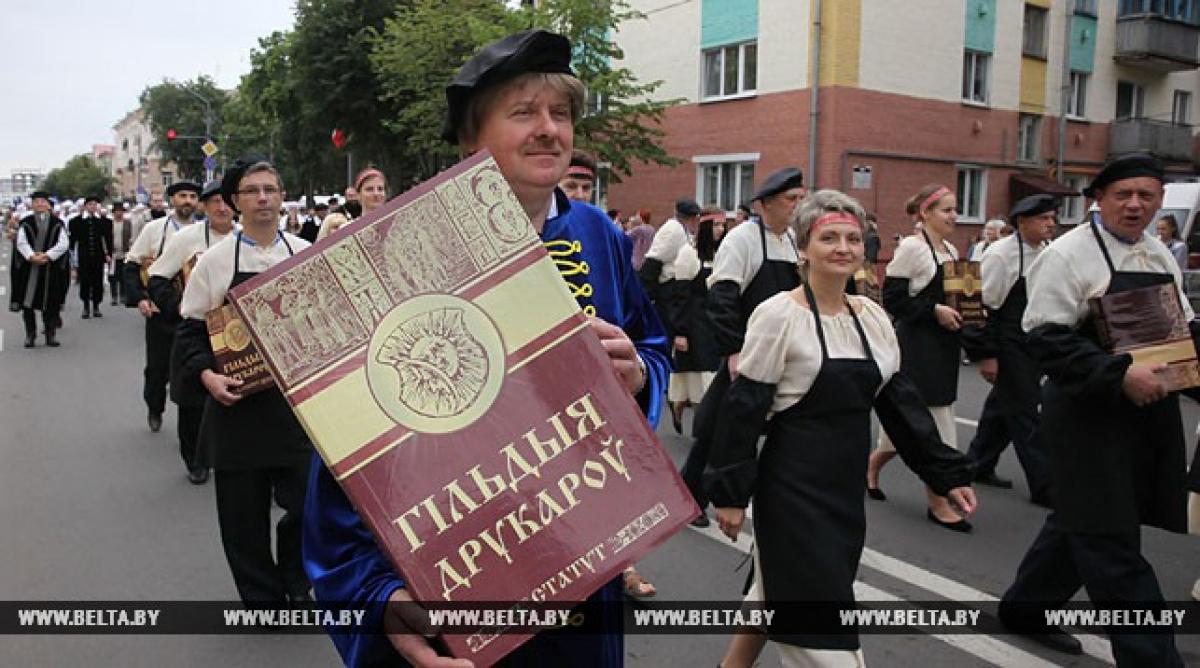
The Day of Belarusian Writing is celebrated in Belarus on the first Sunday of September. The holiday has been held since 1994 and every time in different Belarusian cities that have a rich historical heritage and are centers of culture and book printing. In 2026, the city of Kostyukovichi, Mogilev region, became the main venue for the Day of Belarusian Writing.
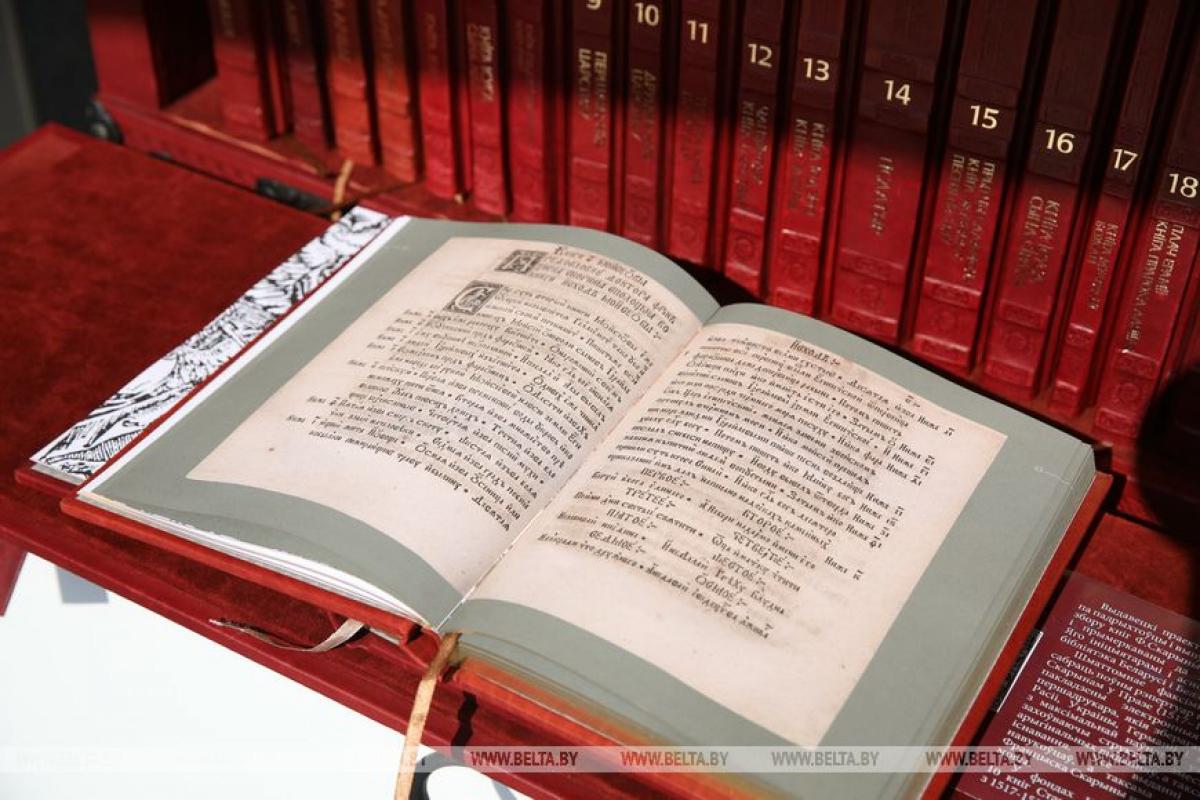
The idea of establishing the Day of Belarusian Writing originated in the Ministry of Culture of the Republic of Belarus after the celebration of the 500th anniversary in 1990 of the birth of Francis Skarina in the cities of Polotsk and Minsk. This year was officially declared the Year of Francis Skaryna by UNESCO. Thus, Decree No. 3049-XII of the Presidium of the Supreme Council of the Republic of Belarus dated May 25, 1994 was adopted. Initially, August 6 was chosen as the date of publication of the first Belarusian printed book.
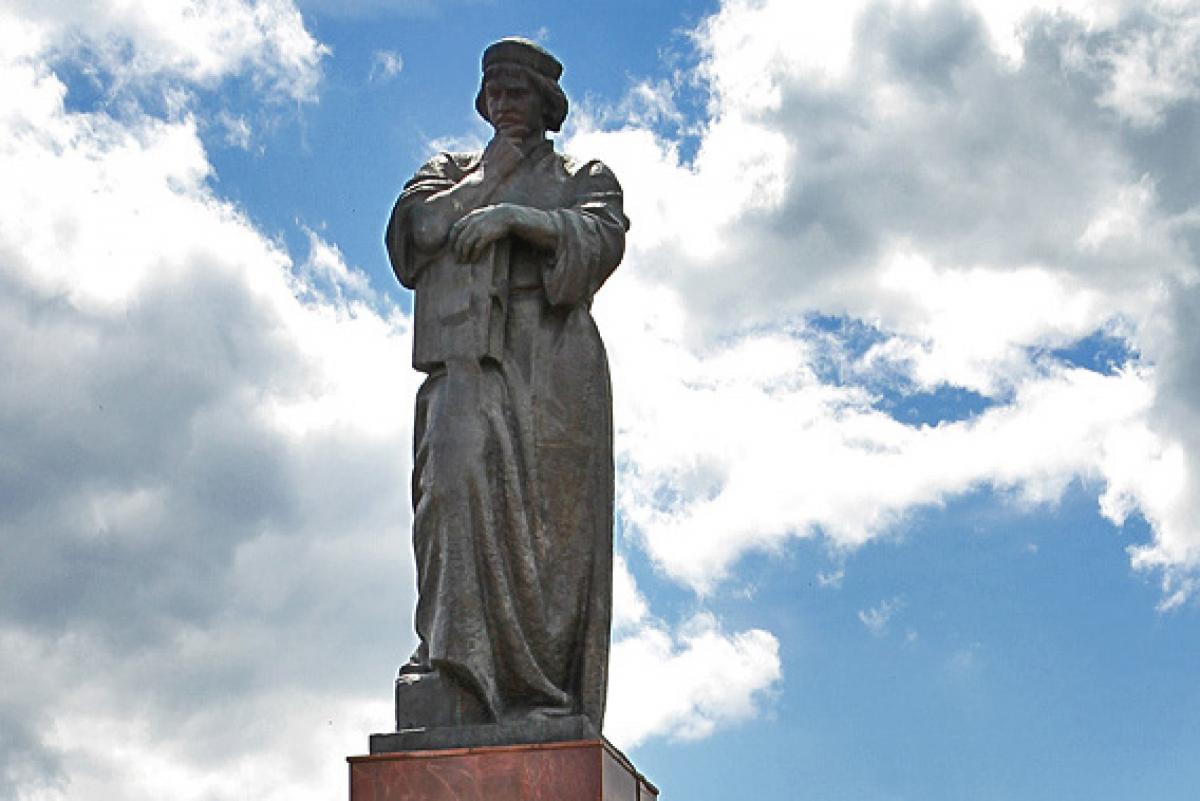
The first celebration took place in August 1994 in Polotsk. However, since 1998, the Day of Belarusian Writing has been celebrated on the first Sunday in September. In 1998, the date was moved from August to September to make it more convenient to hold large‑scale mass and festive events outdoors. Over three decades, the celebration has visited dozens of Belarusian cities, each time opening new chapters in the history of national culture.
Over the years of its existence, the Day of Belarusian Writing has acquired rich traditions. Every year, a new Belarusian city becomes the host of the festival, and it must have historical and cultural significance for Belarusian literature. Over its more than 30‑year history, the festival has been held in Polotsk, Turov, Novogrudok, Nesvizh, Orsha, Pinsk, Zaslavl, Mstislavl, and other settlements.
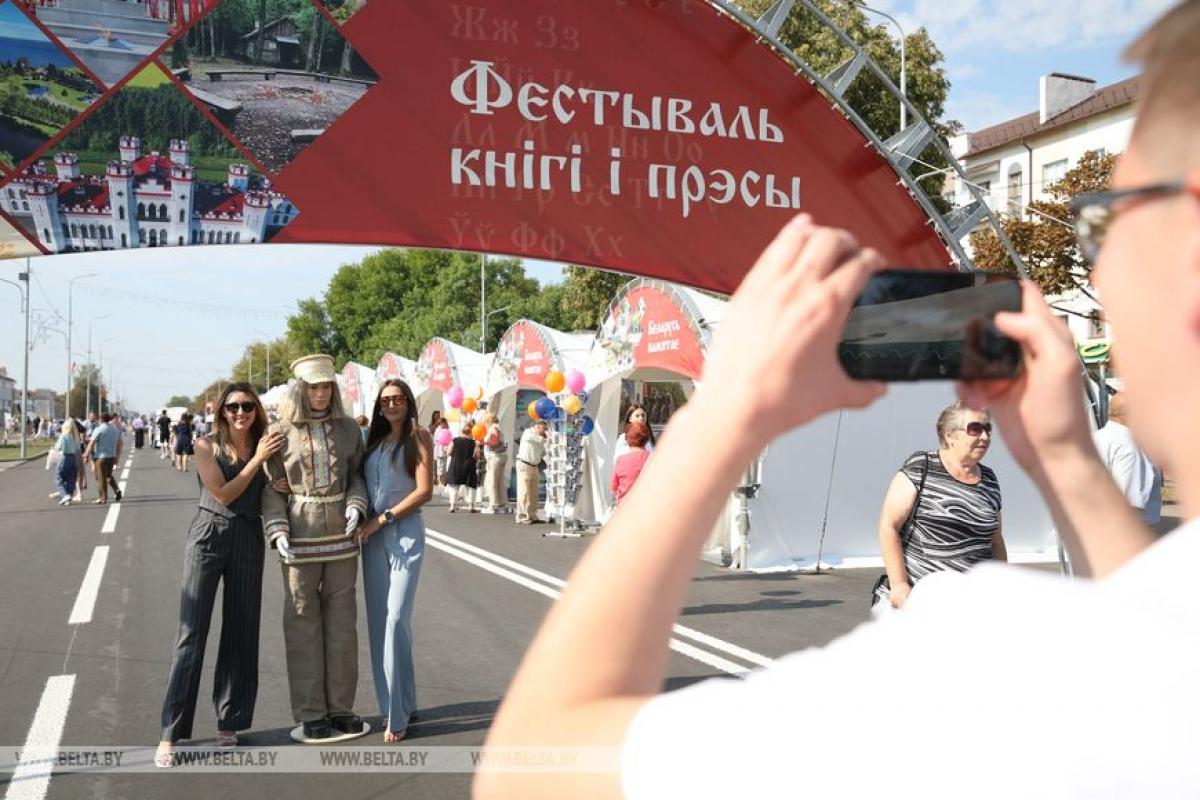
The large‑scale celebrations include theatrical performances and historical reconstructions, international scientific conferences, a book and press festival, as well as literary meetings and master classes. Traditionally, as part of the celebration, the International Scientific and Educational Expedition “The Road to the Shrines” is launched, and award ceremonies are held for the laureates of the National Literary Prize and the winners of the republican competition for young reciters “Living Classics”.
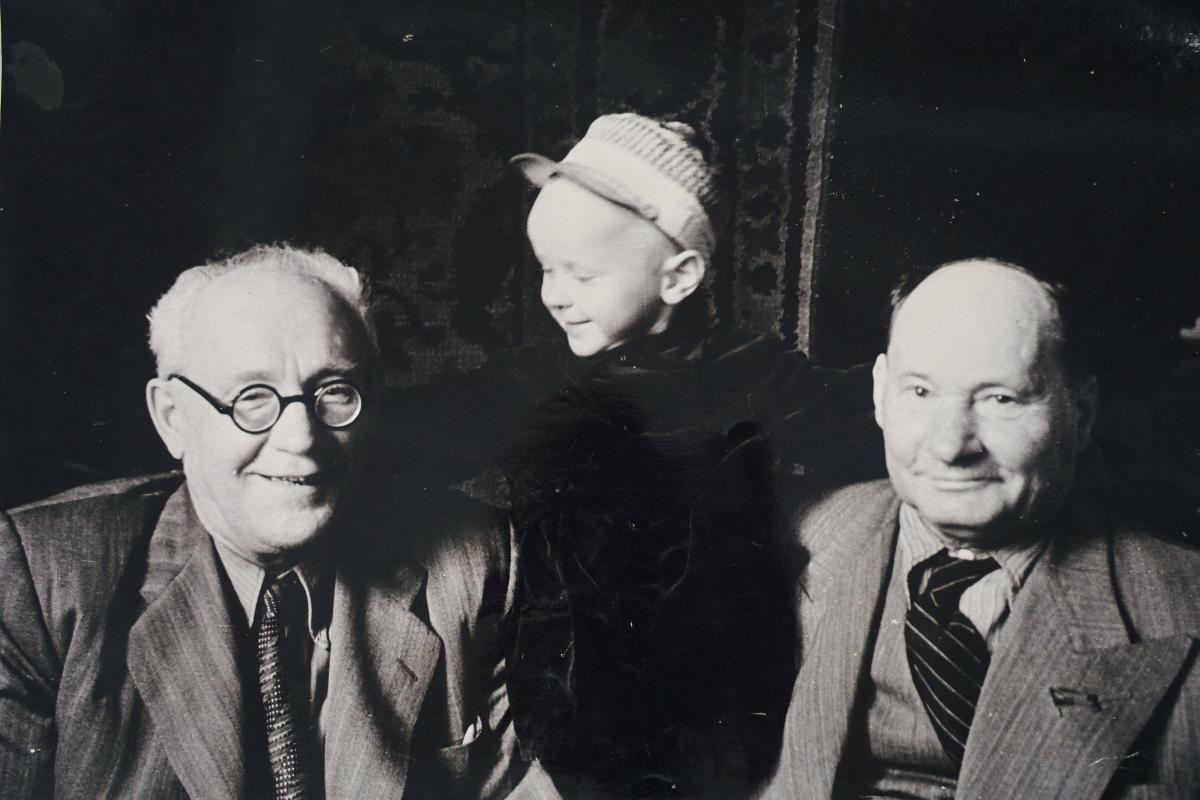
Throughout its history, BNTU has carefully preserved the traditions of honoring the native language. As early as the pre‑war period, in 1935, students of the Belarusian Polytechnic Institute were fortunate enough to meet two outstanding classics — Yakub Kolas and Yanka Kupala. During the meeting, the works “Drygva” and “Nad Raki Aresai” were discussed. At that time, Yakub Kolas noted that he trusted the remarks of an ordinary reader more than those of a professional critic.
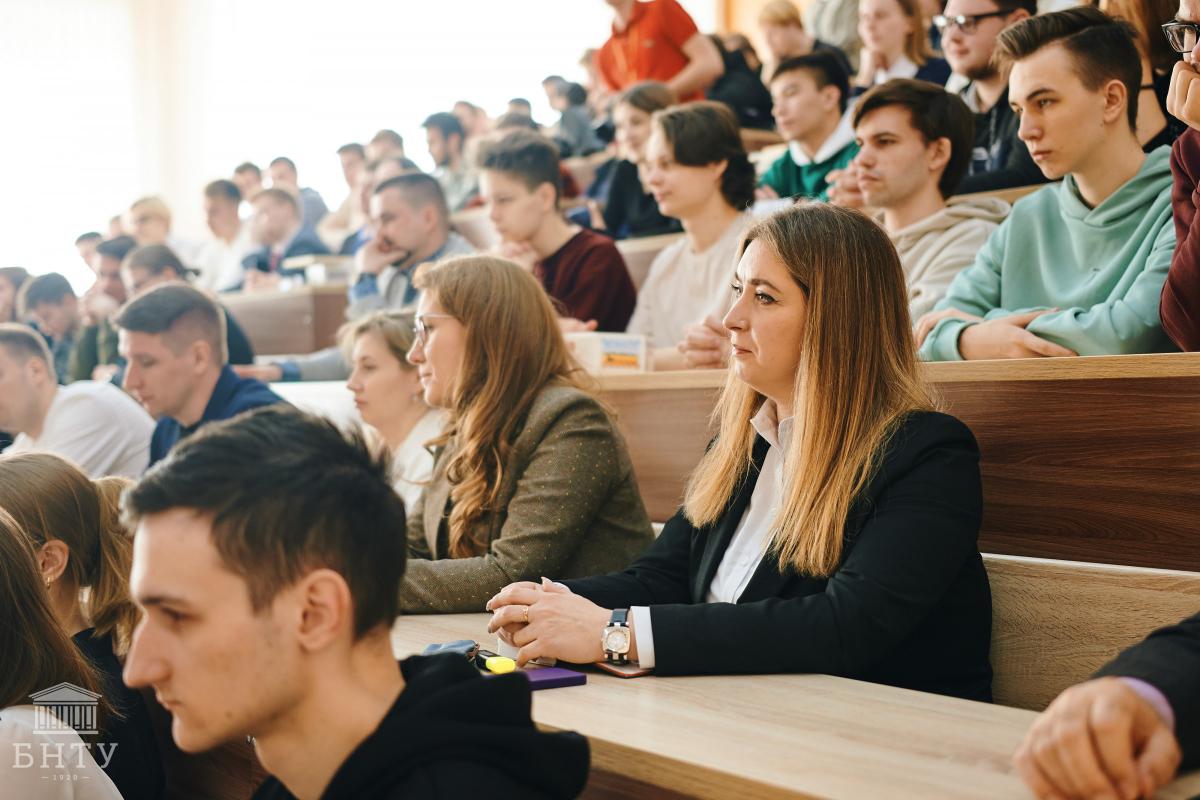
Today, this connection between generations is taking on new forms. For example, on February 20, 2026, the BNTU Hall of Fame hosted a round table "How can you glorify our country" and the presentation of the book "Son of Vyalikaga Paeta". The event was timed to coincide with the 100th anniversary of the birth of Mikhail Mickiewicz, a famous Belarusian scientist, Doctor of Technical Sciences, Honored Scientist, honorary graduate of the BNTU Faculty of Mechanical Engineering and the youngest son of Yakub Kolas.
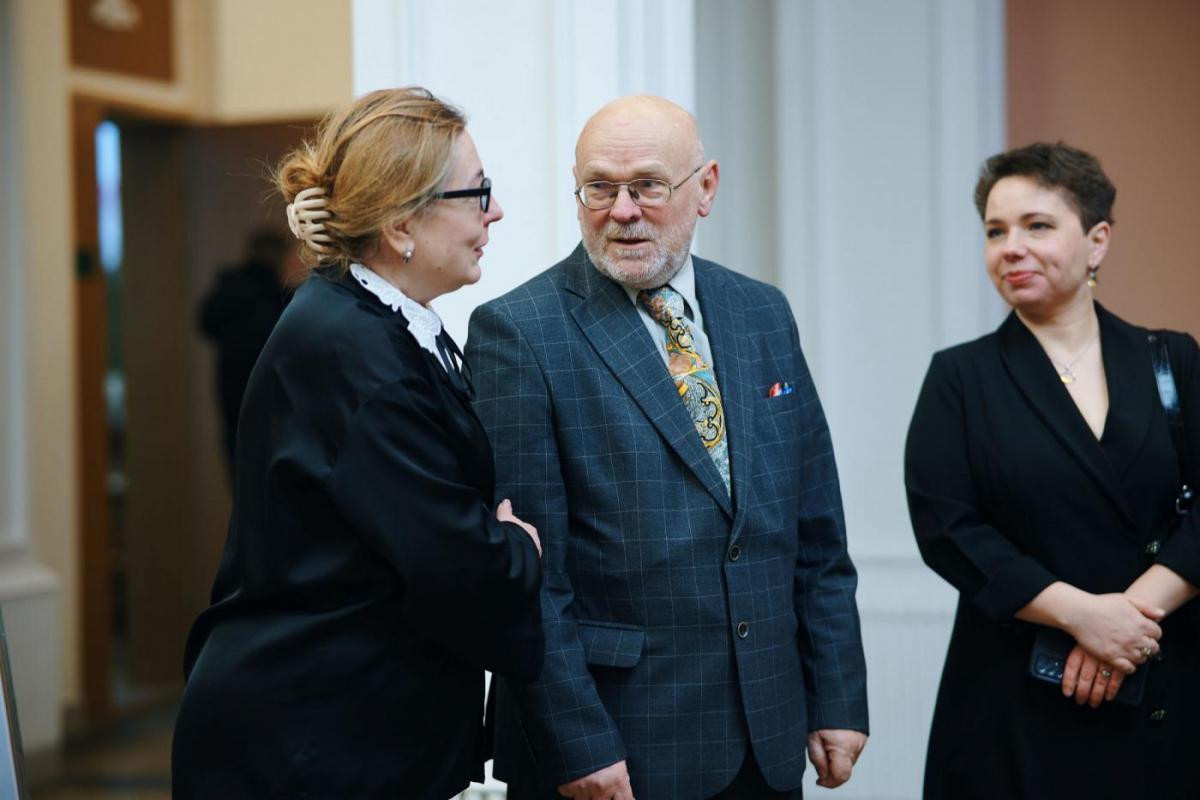
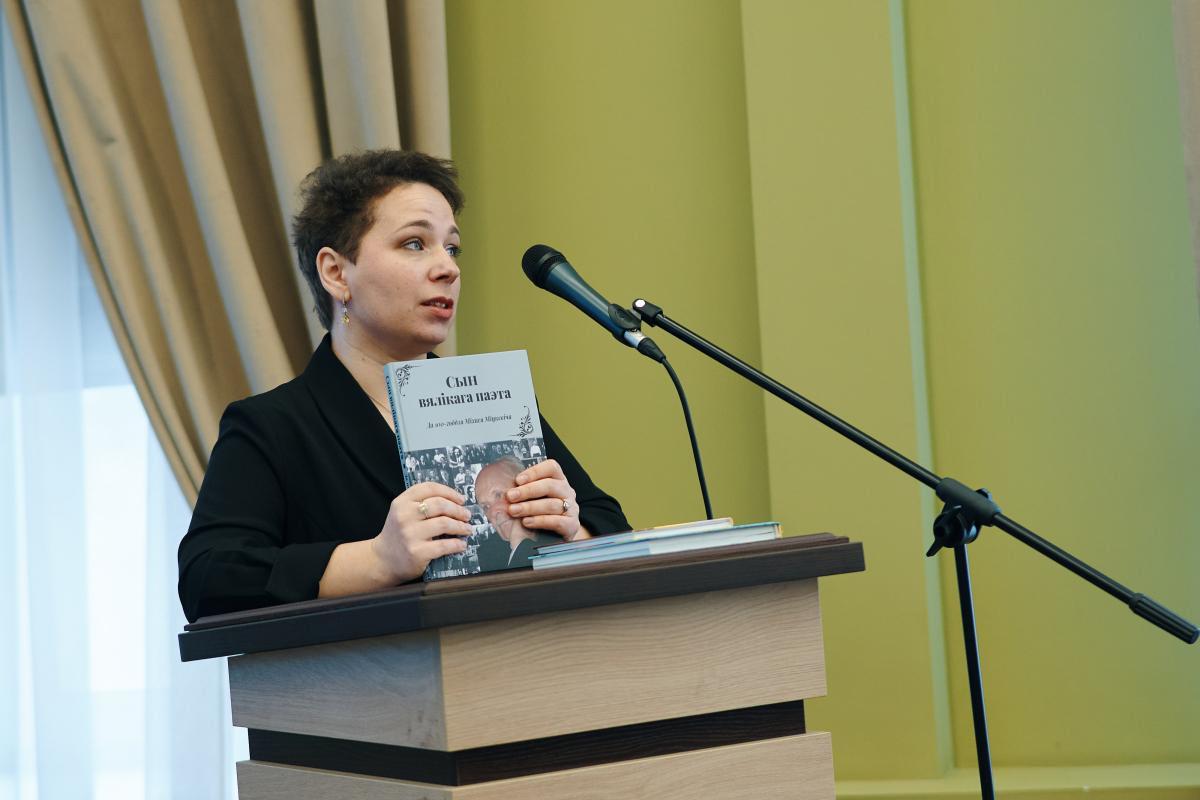
The Mickiewicz family is a vivid example of the continuity of generations at BNTU. Mikhail Mickiewicz graduated from the Belarusian Polytechnic Institute in 1949, became a laureate of the State Prize of the Byelorussian SSR, and was awarded the Order “Badge of Honor”. His wife, Natalya Fedorova, the daughter of the writer Yanka Mavr, also graduated from the BPI in 1949 and worked at the institute as an associate professor for 30 years. Today, their son, Konstantin Mickiewicz, continues to work at his parents’ alma mater as a senior lecturer at the Department of “Belarusian and Russian Languages”.
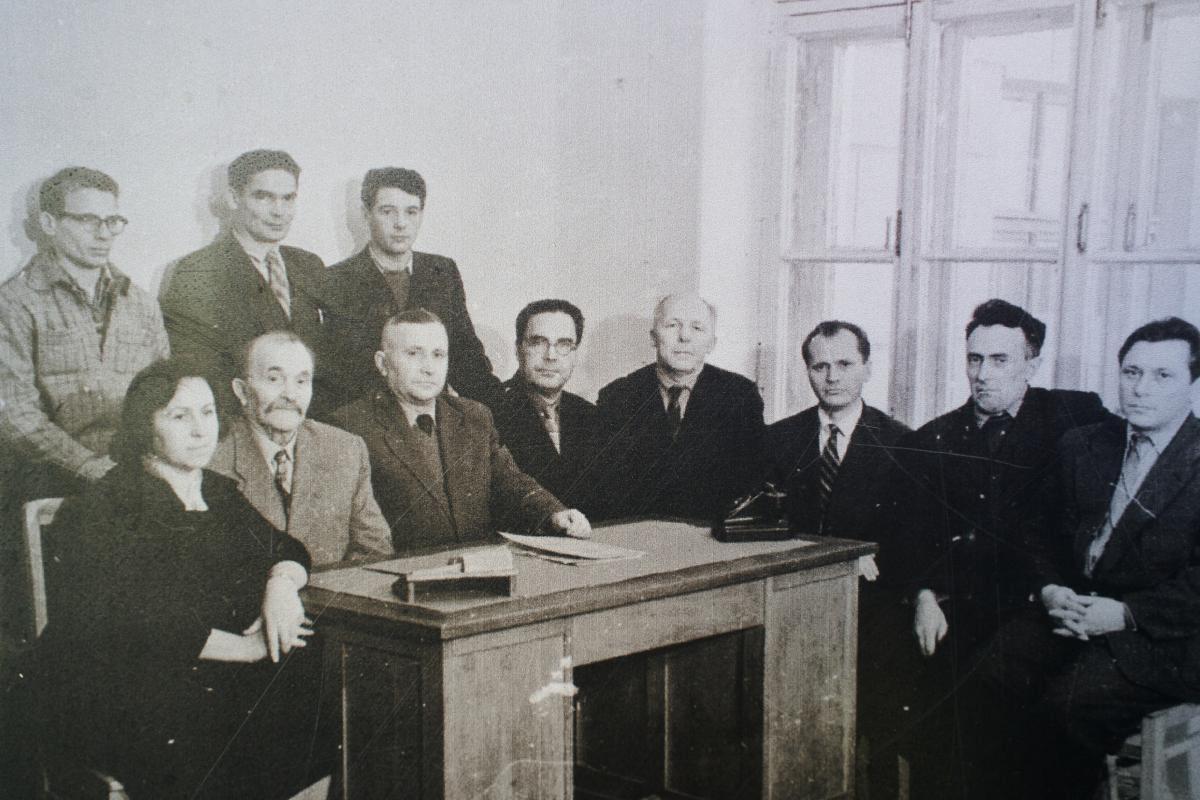
The Department of “Belarusian and Russian Languages” was established in 1964 as the Department of the Russian Language at the Belarusian Polytechnic Institute, and since 1993 it has had its current name. Today, the department’s staff teach the Belarusian language to students of all specializations and Russian as a foreign language to international students.
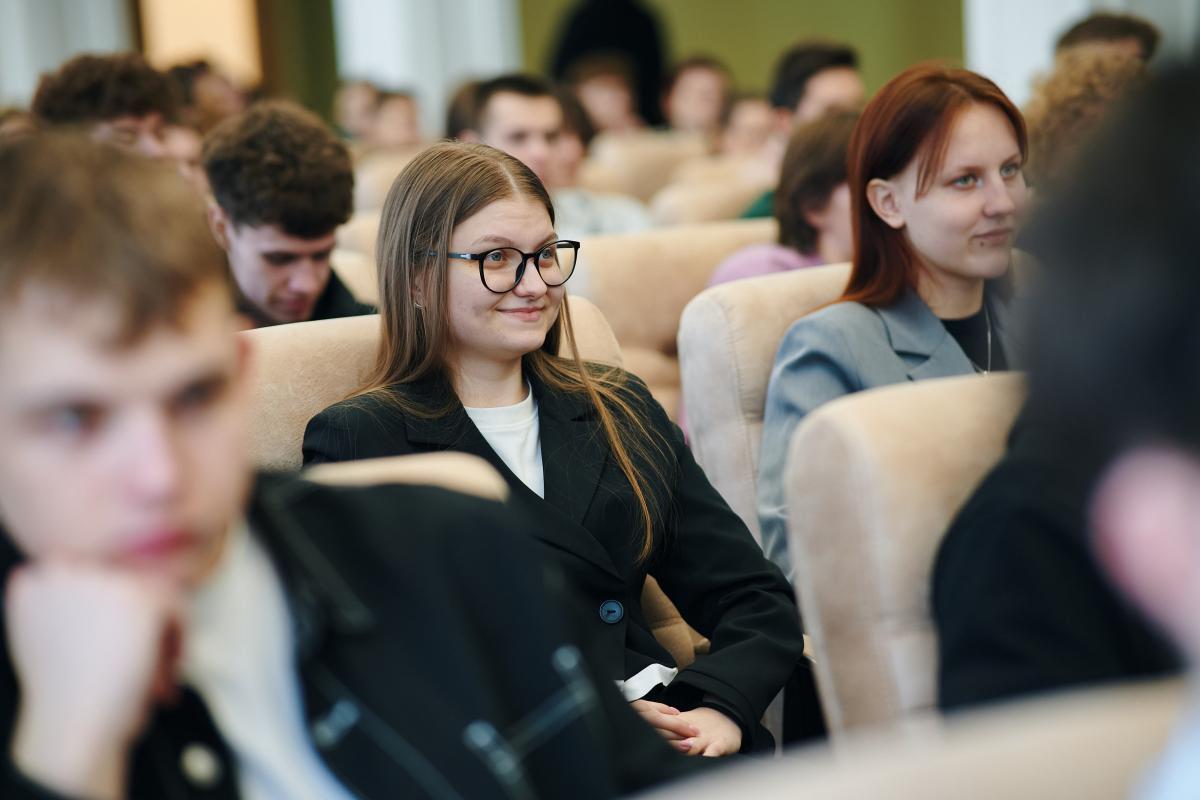
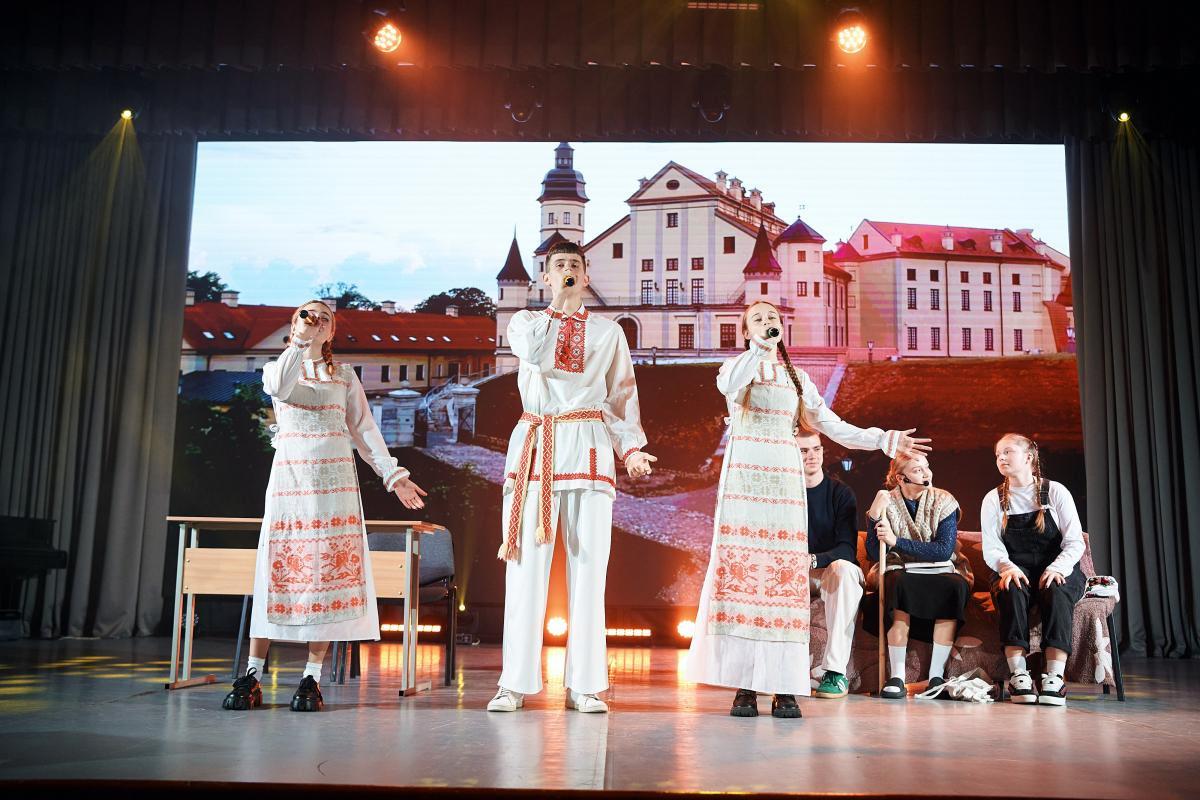
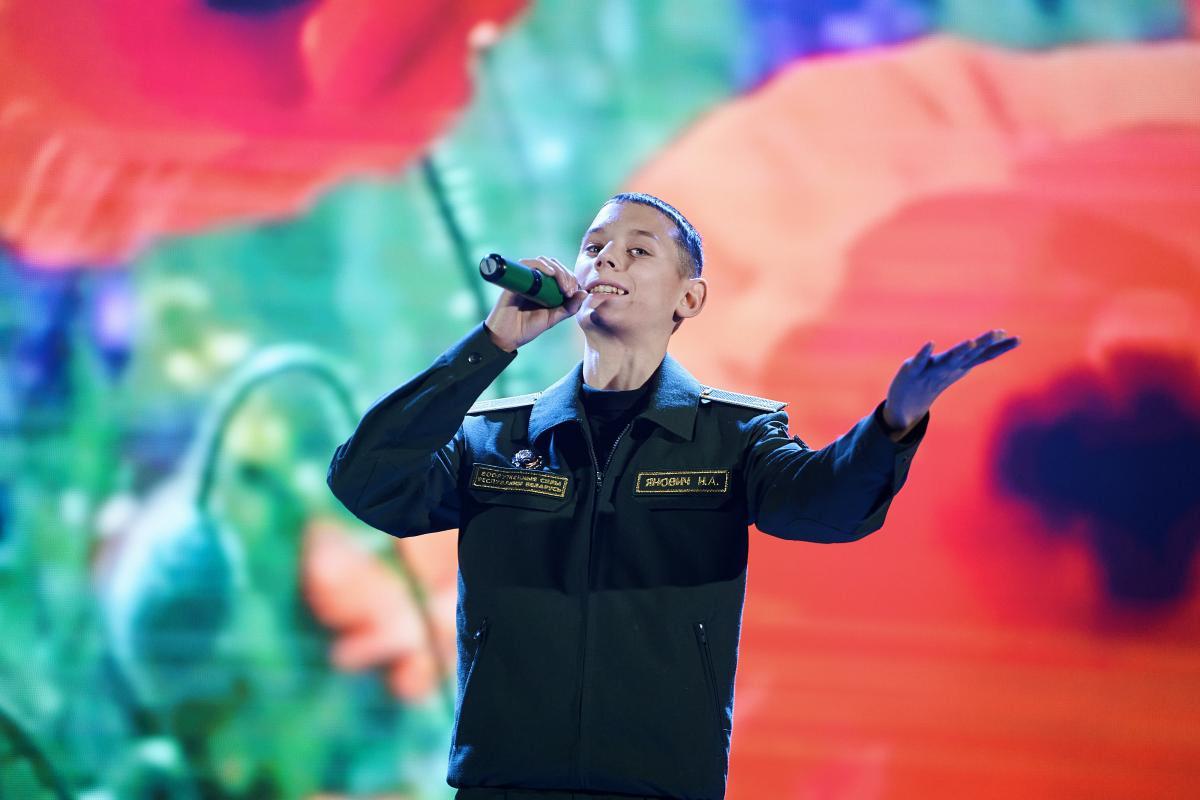
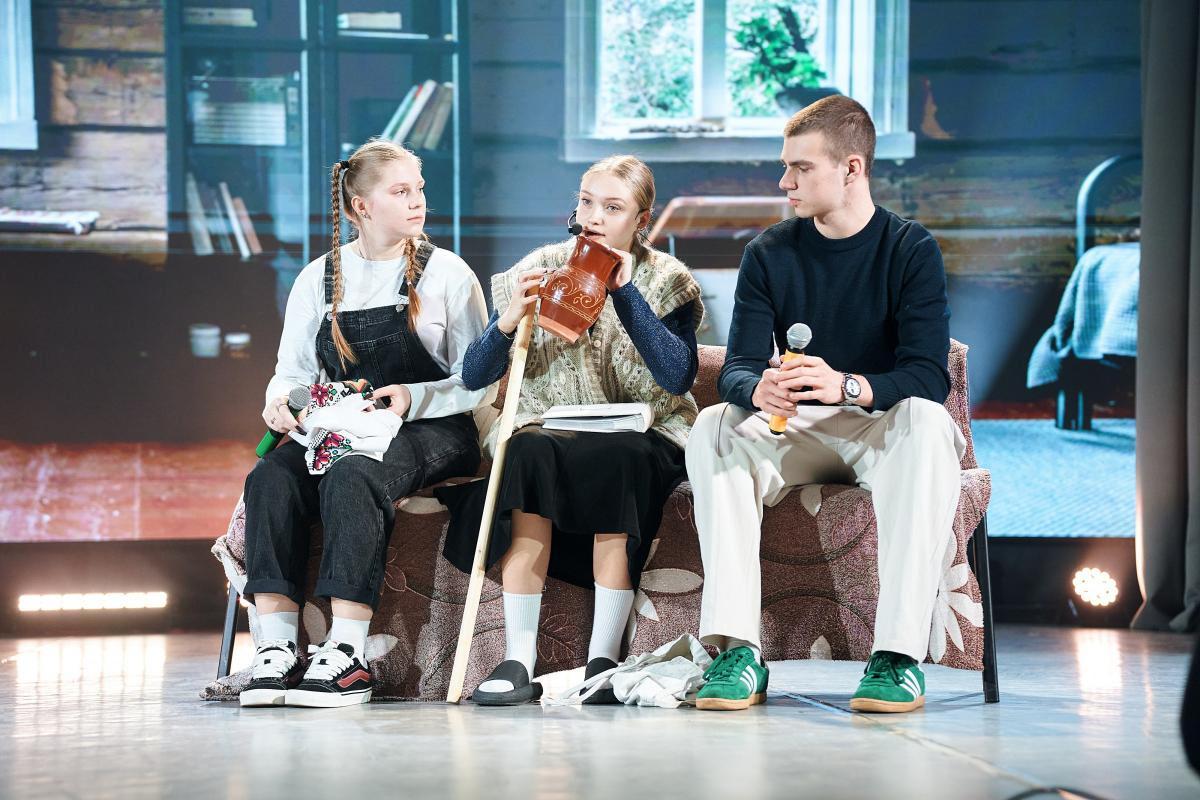
In addition, BNTU actively hosts events dedicated to Belarusian culture and language, for example, the Belarusian culture festival “Belarus – this is us!” It brings together students, creative groups from the cultural affairs department, and everyone who carefully preserves the traditions of their native land. At the festival, students compete in theatrical performances, choreographic sketches, and vocal numbers in the Belarusian language. The musical highlight of the festival is the performance by the People’s Orchestra of Folk Instruments, and interactive contests with the audience — for example, translating Belarusian words into Russian — always arouse keen interest and prove that knowledge of one’s native language is not only important but also fascinating.
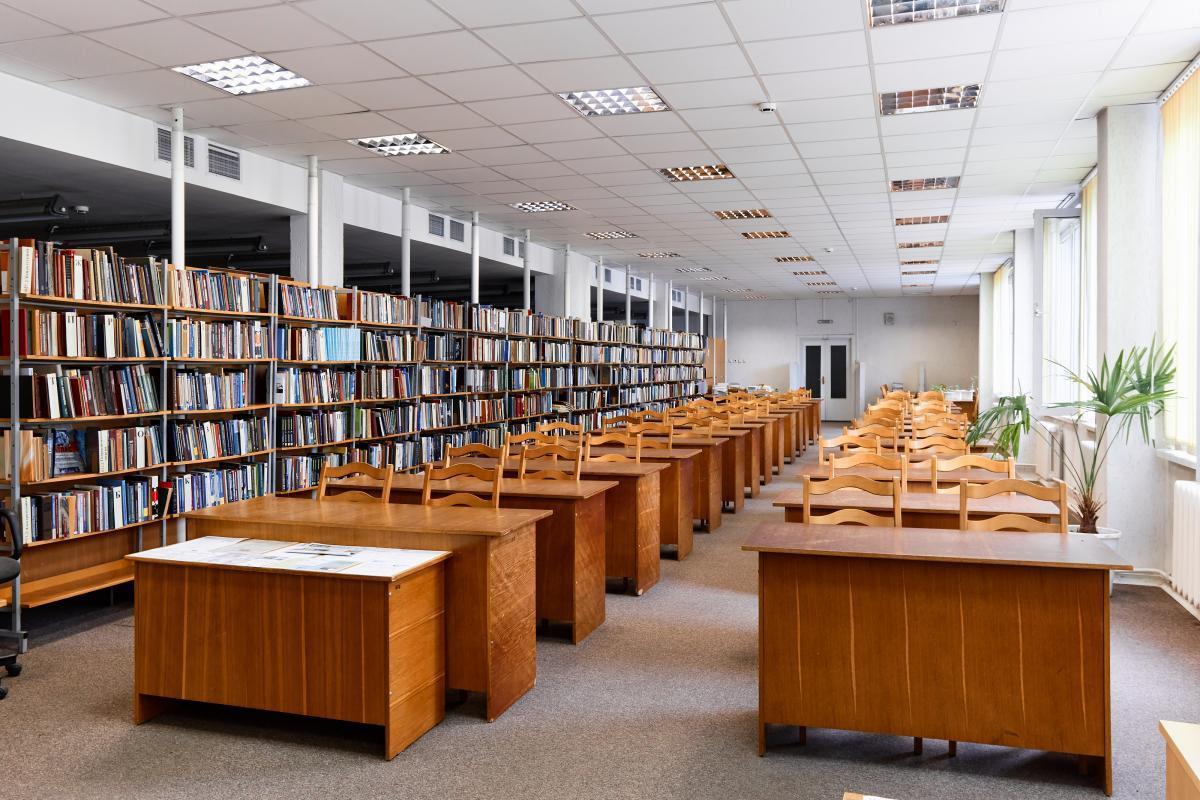
The Scientific Library of the Belarusian National Technical University plays a special role in preserving and promoting the Belarusian language. Founded in 1920, it is today the largest university library in the Republic of Belarus with a technical focus and a universal literary collection covering engineering, architecture, art, and the natural sciences. Its collections comprise over two million items, and its electronic repository contains more than 105,000 documents.
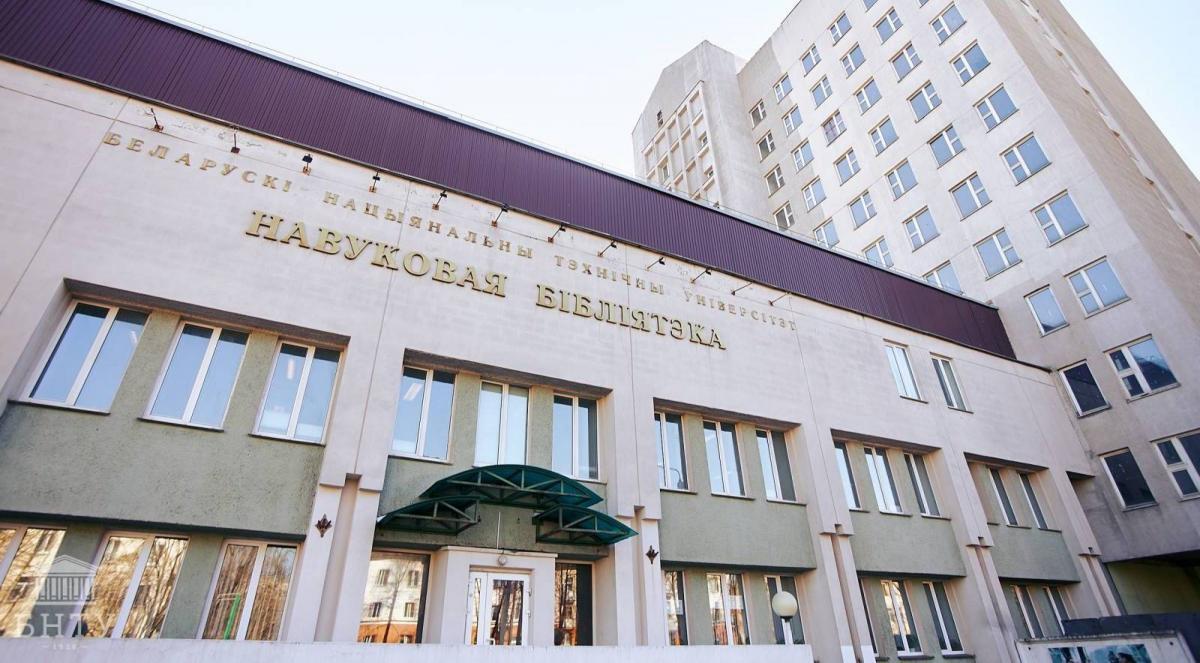
At the same time, the library purposefully acquires and promotes publications in the Belarusian language. Its collections include textbooks, monographs, and fiction in the native language; book exhibitions are regularly held, to coincide with the International Mother Language Day and other significant dates; and joint events are organized with the Department of “Belarusian and Russian Languages.” Thus, the library becomes not just a repository of knowledge, but an active center of attraction for everyone who, among other things, values the Belarusian word.
The native language is not just a means of communication, but the foundation of our culture, history, and self‑awareness. By studying and promoting the Belarusian language, we preserve the uniqueness and distinctiveness of the nation and ensure the continuity of cultural values and traditions. At BNTU, we hold the preservation of the linguistic heritage in deep respect. This tradition lives on in every student, teacher, and staff member at BNTU, for whom the Belarusian word is not just a sound, but a part of the soul and a connection to the past.
