Today, on June 17, the work of the II Postgraduate innovation camp "China—SCO Postgraduate Innovation Training Camp" continued.
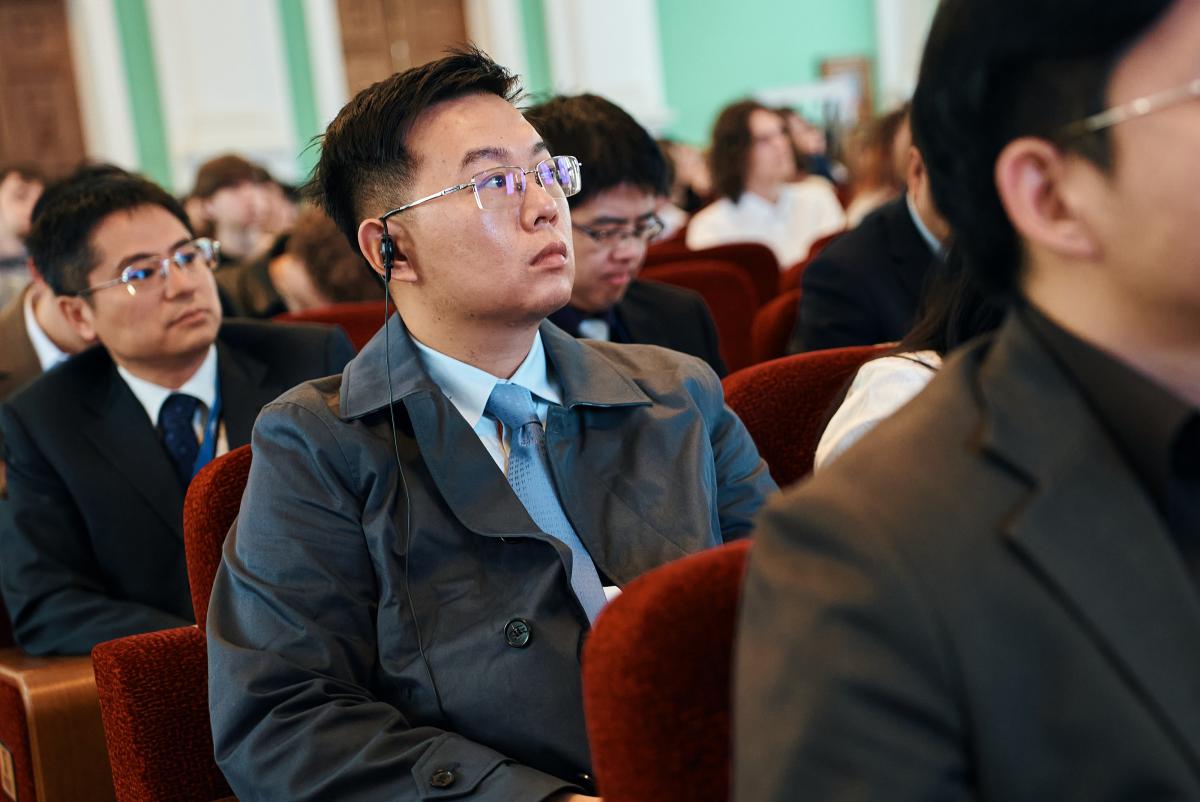
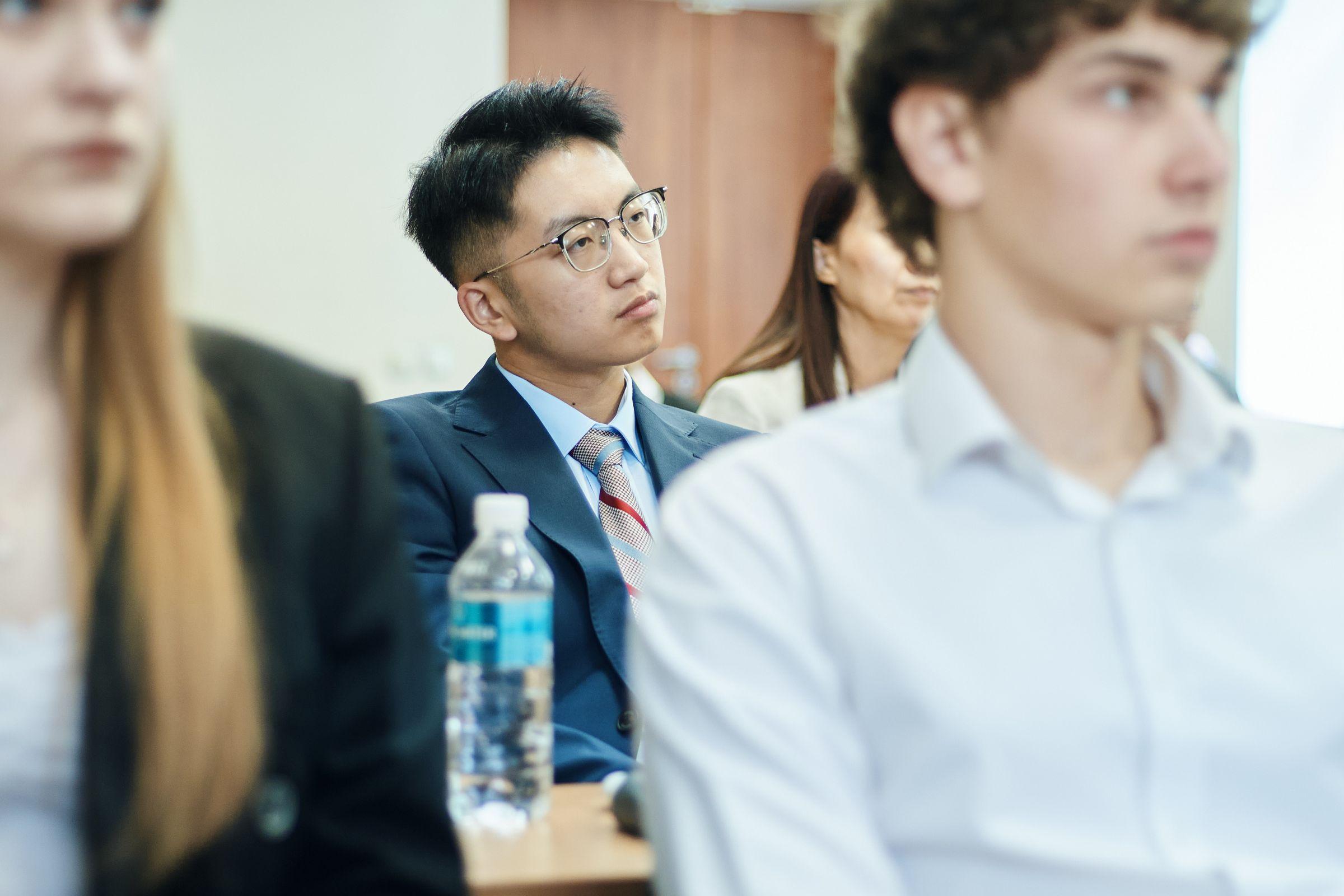
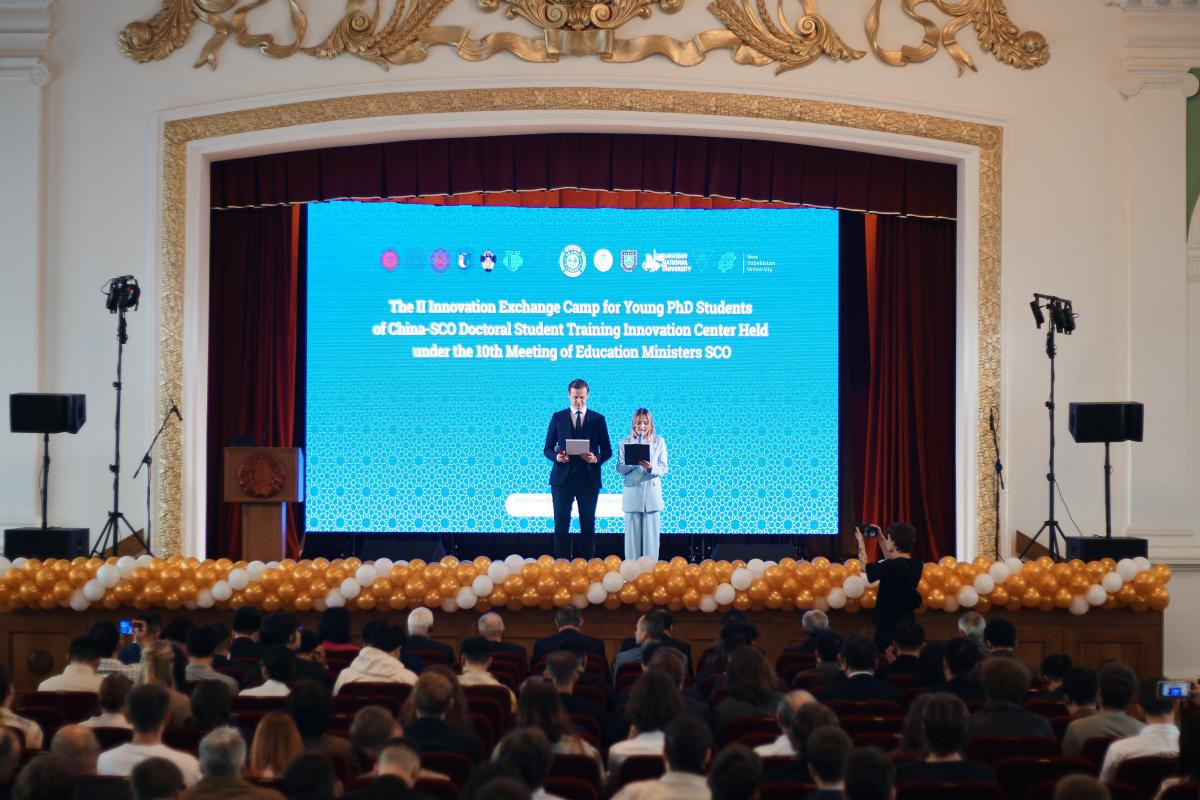
The second day began with the opening ceremony of the camp, which brought together numerous participants – representatives of universities and scientific organizations of the SCO countries.
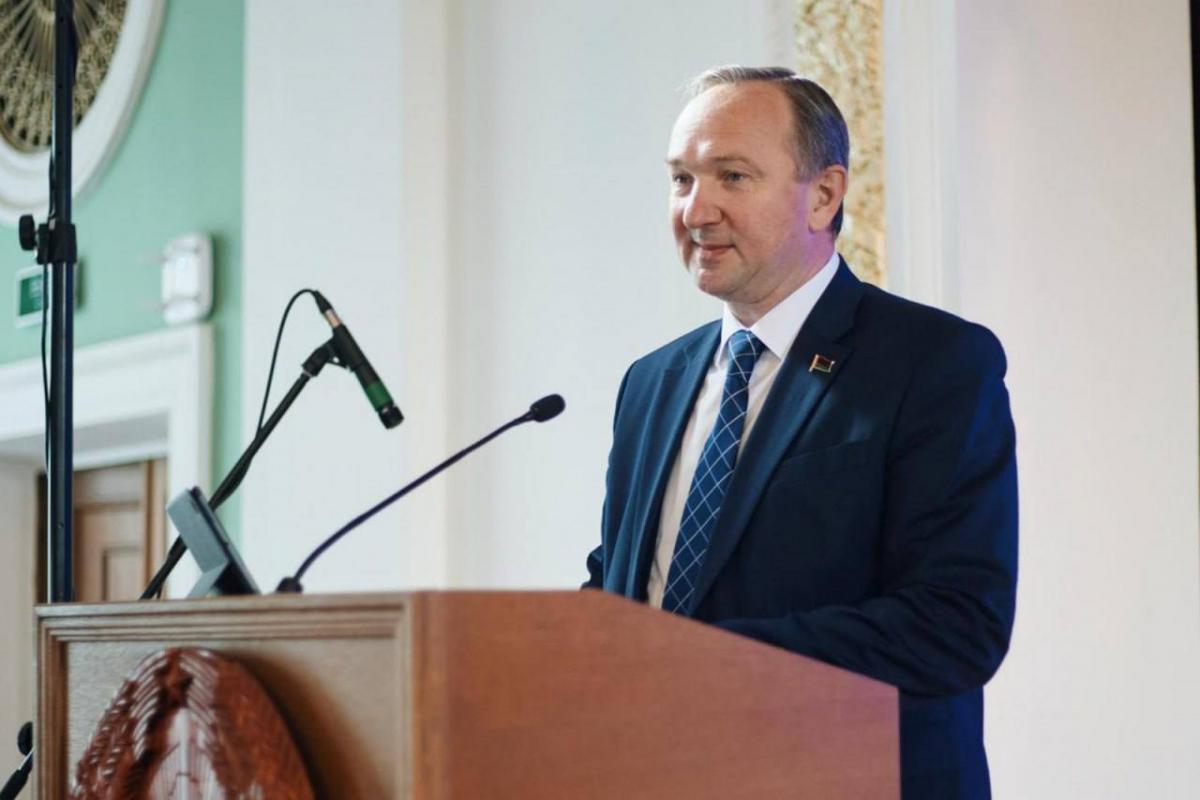
Within the framework of the event, the rector of BNTU Sergey Kharitonchik addressed the audience.
— Today, the China-SCO Postgraduate Innovation Training Center is not just an educational platform, it is a space for the formation of a unified scientific ecosystem that combines education, research, innovation, and industrial production. It is especially important that the center's activities are focused on the development of interdisciplinary research in advanced fields of science and technology, artificial intelligence, energy, digital economy, new materials, intelligent manufacturing, and other strategic areas. The Belarusian National Technical University considers participation in this project as a strategically significant area of international activity. Our cooperation with Harbin Polytechnic University is developing consistently and dynamically. Our universities have established stable academic and scientific ties based on mutual trust, respect and stability towards practical results.
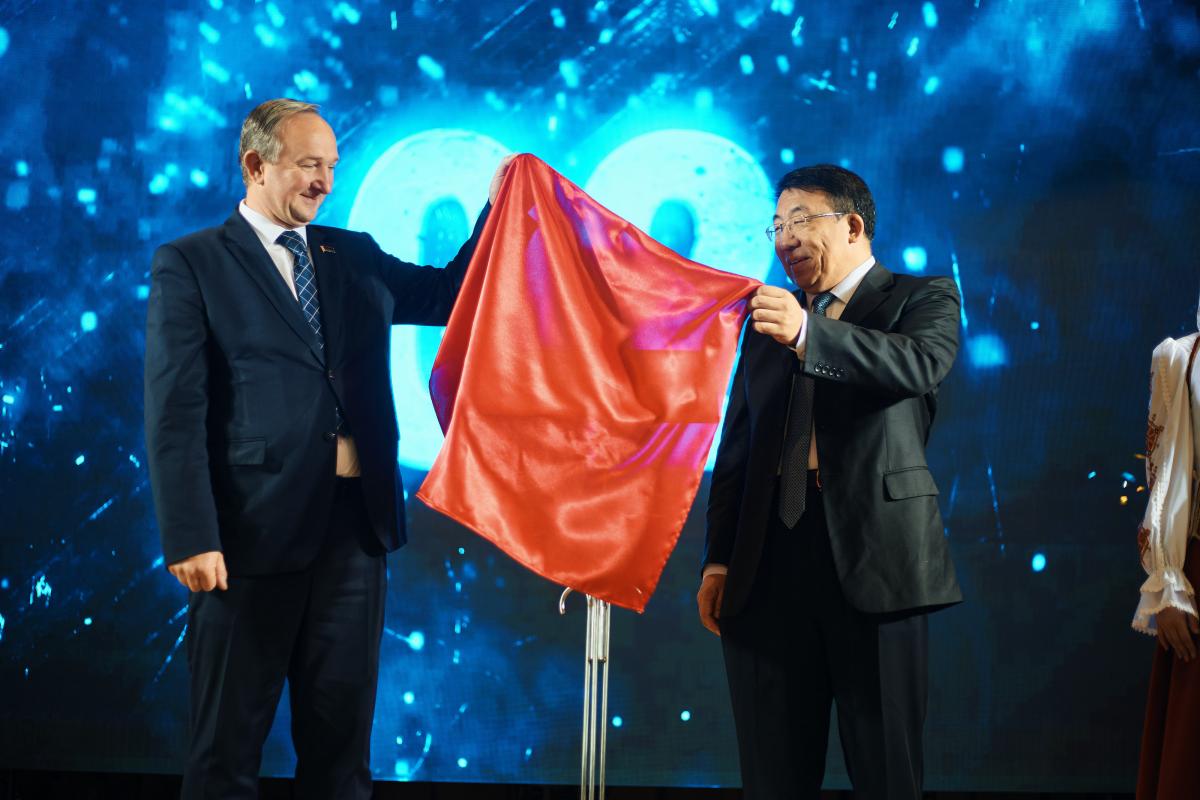
After the welcoming words, the climax came. To a friendly countdown from the entire hall, Sergey Kharitonchik and the first vice—rector of Harbin Polytechnic University, Liu Ting, removed the cloth from the symbolic plaque "Opening of the China-SCO Postgraduate Camp". Accompanied by fanfare and loud applause, the II Postgraduate Innovation Camp was officially declared open.
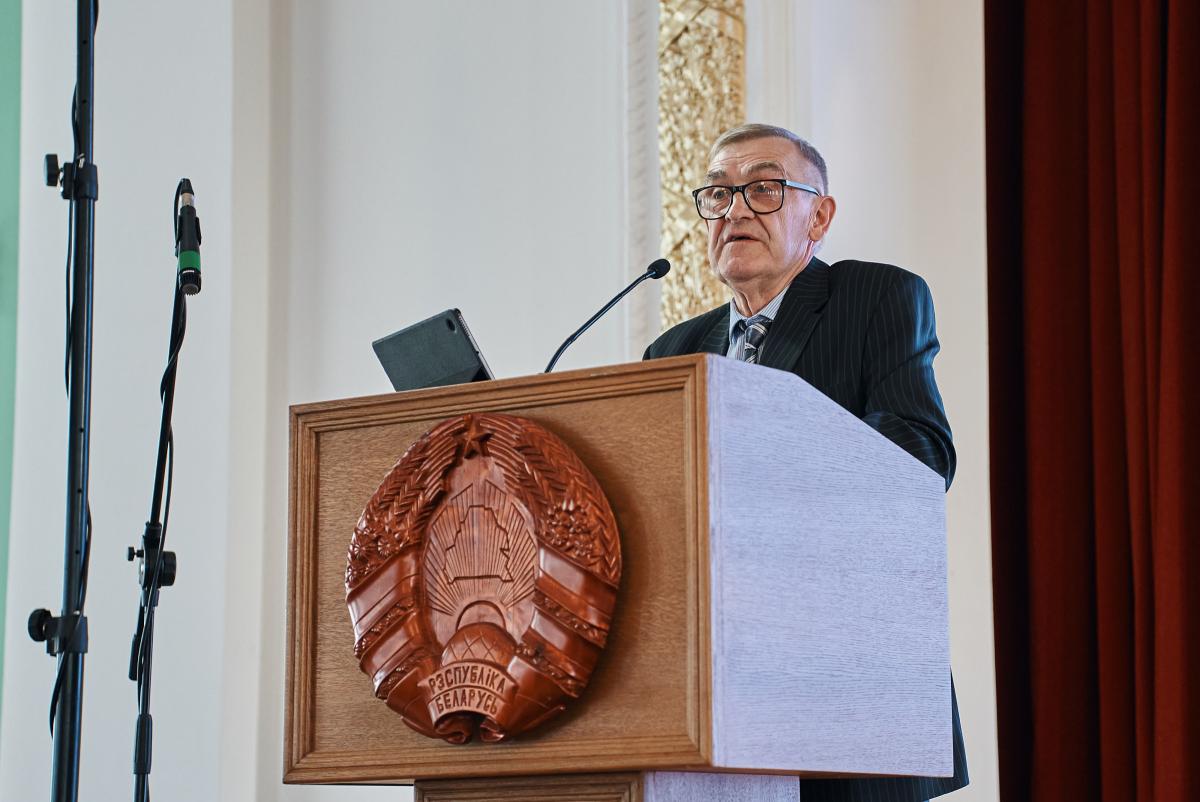
Immediately after the ceremony, a large-scale international project began its active work at the plenary session, during which a series of expert reports were presented. Nurken Aktaev, a researcher at the Faculty of Physics of Harbin Polytechnic Institute, was the first to present his research. The scientist's presentation was devoted to the issues of stochastic modeling of processes in the upper layers of the Earth's atmosphere.
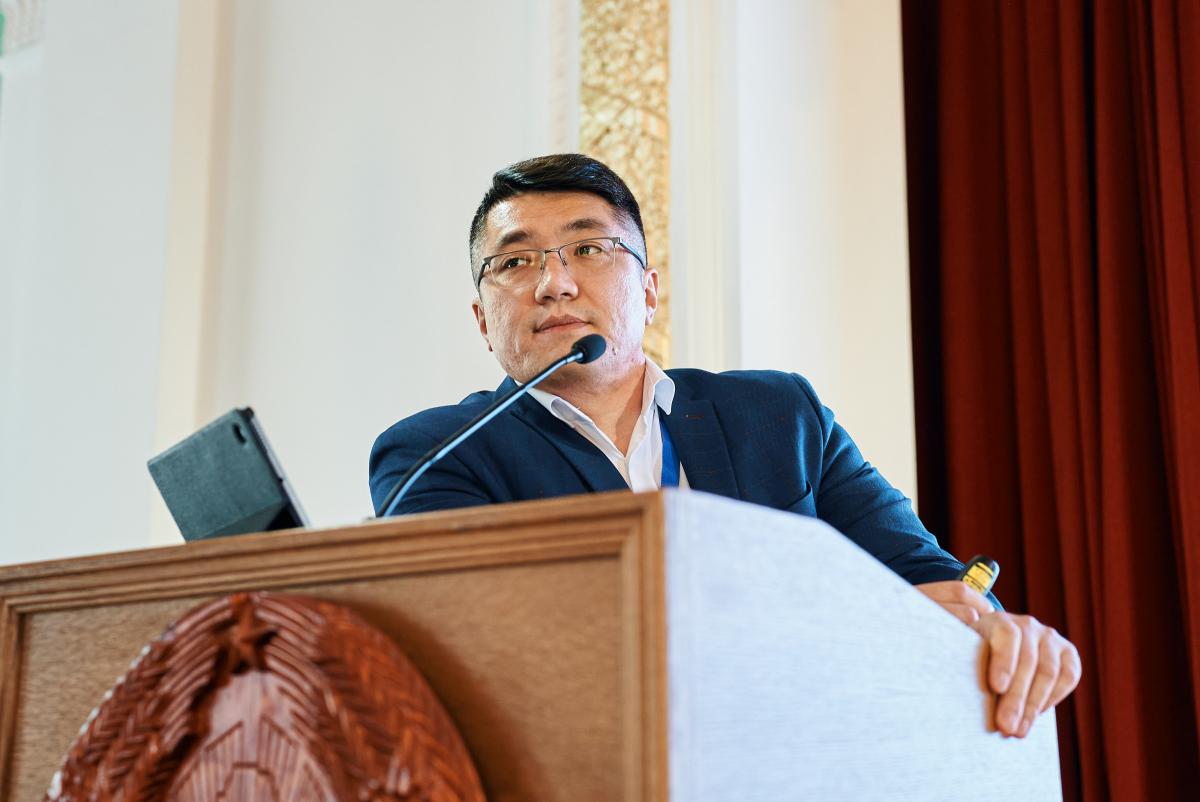
During the presentation, the speaker elaborated on the features of the natural plasma of near-Earth space and explained how the state of the ionosphere directly affected the propagation of radio waves, the stability of navigation systems, and modern satellite technologies. Understanding these complex physical processes was crucial for the stable operation of global communication systems, and the calculations provided an excellent start for further scientific discussion.
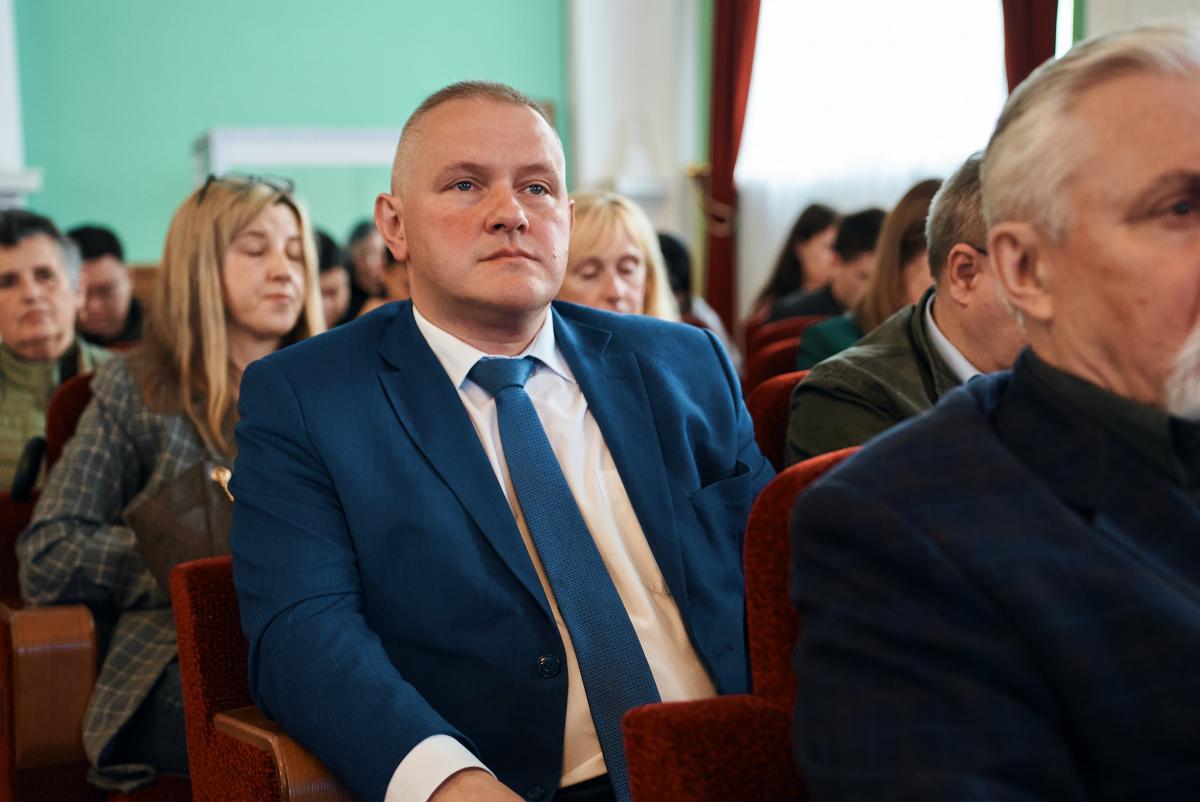
The program of expert presentations was continued by Valery Sheleg, Head of the Department of Mechanical Engineering Technology at the BNTU Faculty of Mechanical Engineering, corresponding member of the National Academy of Sciences of Belarus, with a report on cooperation with educational and scientific organizations of the People's Republic of China. The professor revealed the essence of joint developments in the field of resource-saving machining technologies and demonstrated the results of research cooperation, including the production of common textbooks and regular bilateral exchanges.
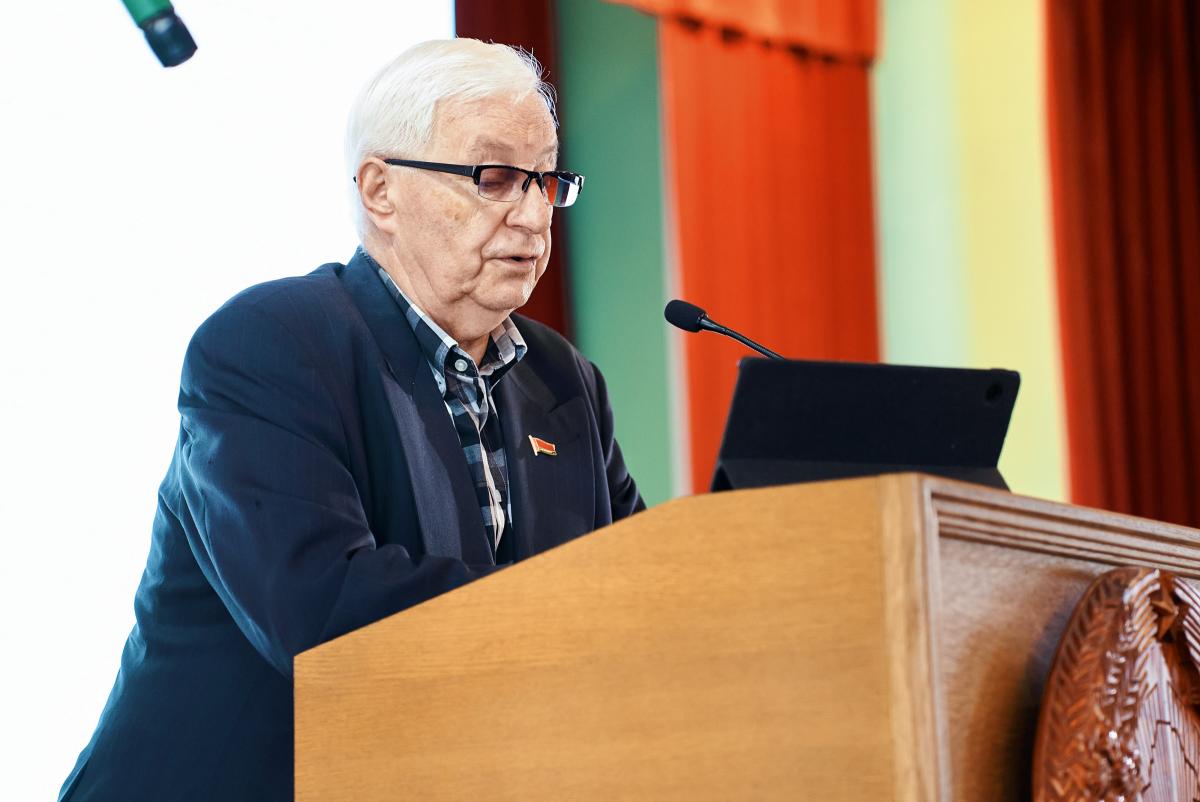
The next speaker to the camp participants was Professor of the Department of Powder Metallurgy, Welding and Materials Technology at MTF BNTU, Corresponding member of the National Academy of Sciences of Belarus Fedor Panteleenko. The researcher revealed in detail the technological nuances of creating heavy-duty protective coatings, demonstrated innovative methods of metal quality control and unique developments in the field of creating heat-resistant steels for nuclear energy. The presented material clearly confirmed the high competitiveness of the Belarusian scientific school of materials science.
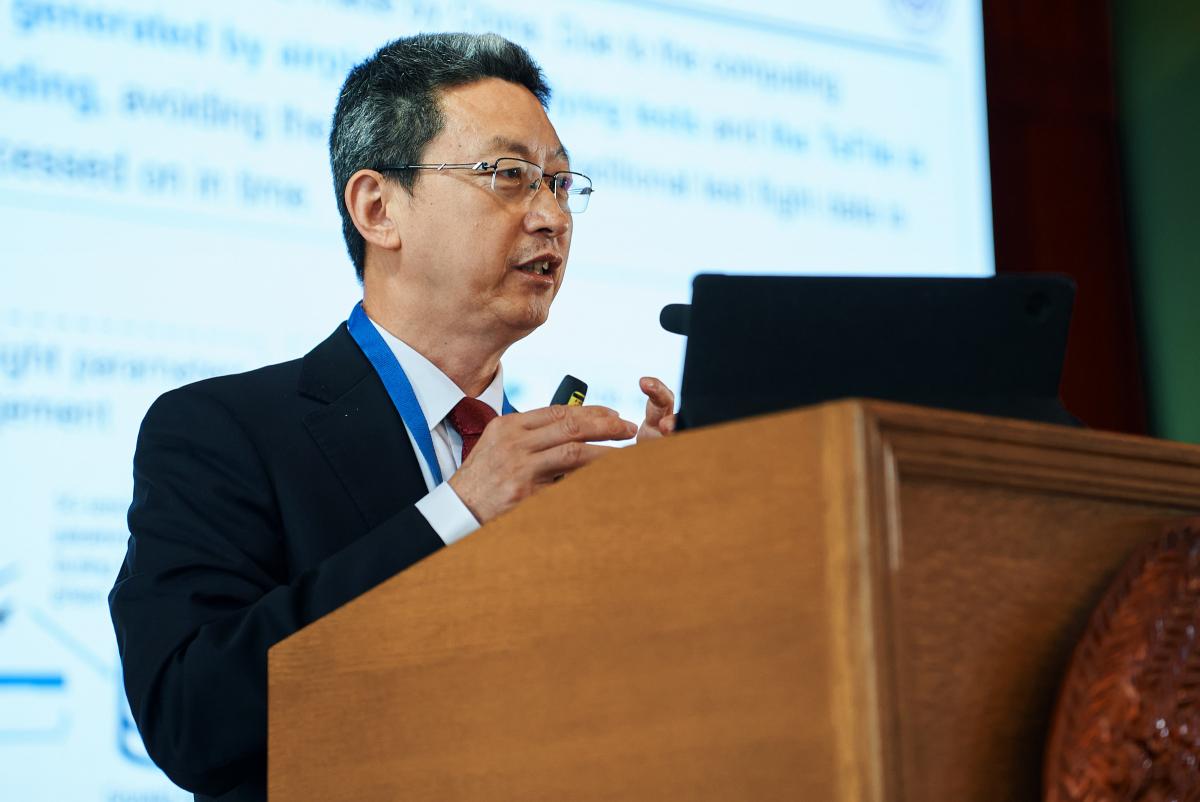
The baton of scientific reports was taken by a representative of the Chinese side, Dean of the University's Software Institute Wang Jianmin. The expert immersed the young scientists in the specifics of working with arrays of data in the era of Industry 4.0, showing how the analysis of digital records has transformed production processes and the financial sector. The researcher paid special attention to the Apache IoTDB ecosystem.
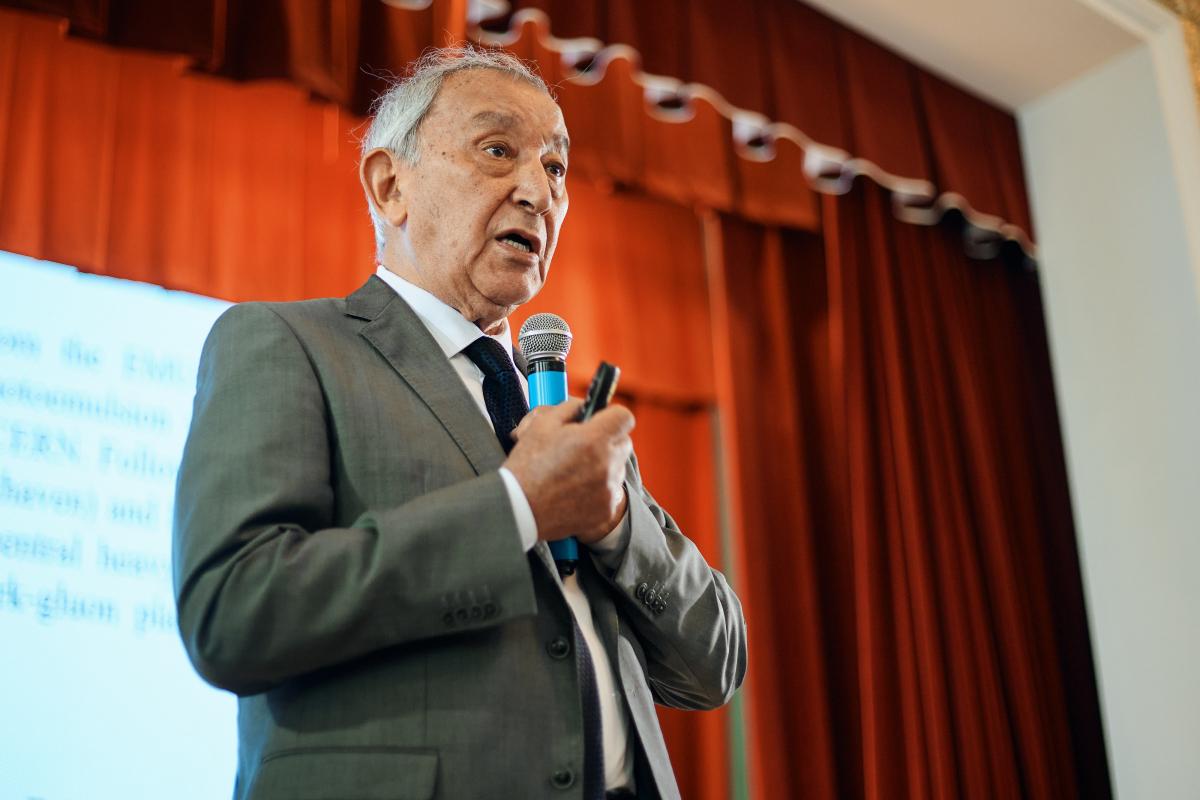
The final chord of the plenary session program was a speech by Academician of the Academy of Sciences of the Republic of Uzbekistan, Chairman of the Physical Society Kadir Gulamov. The scientist explained in an accessible way the most complex processes of matter transformation using the example of the behavior of particles in the collision of nuclei. At the end of the report, the academician touched upon global philosophical issues about artificial intelligence and the risks of technological division of society. Based on these challenges, Kadir Gulamov emphasized the enormous importance of the SCO's educational initiatives.:
— The world is rapidly changing under the influence of artificial intelligence, which penetrates deeper into our lives and takes over decision-making. Technologies adjust information for us, creating their own reality for everyone. At a time when the world is at risk of dividing into technological blocks, academic exchange programs are becoming crucial. This is a chance to learn to understand other cultures, develop cutting-edge science and build the future together. It is young researchers who are making progress, because new challenges require a fresh look, free from old dogmas.
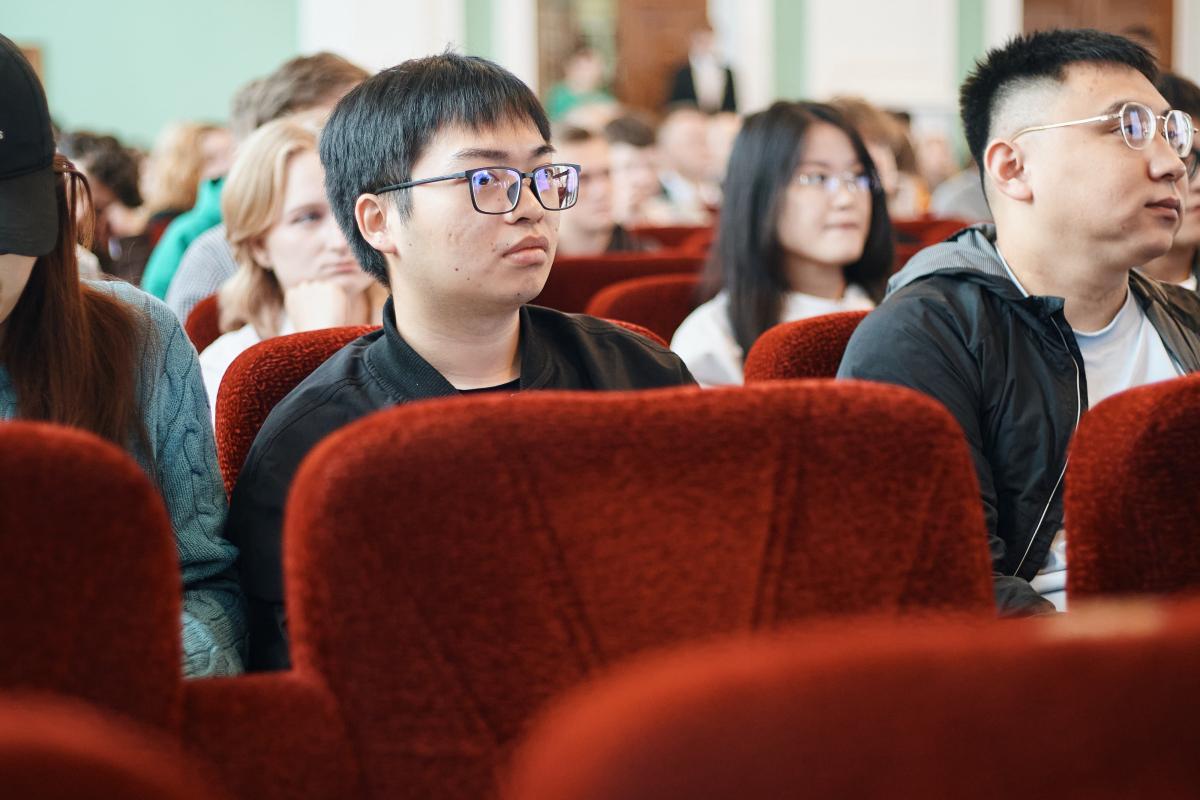
The work done by the speakers highlighted not only the high academic level of the event, but also its unifying mission, as well as the breadth of scientific interests of the participating countries.
In parallel with the scientific discussion, the second working meeting of the Council of the China—SCO Postgraduate Innovation Training Center was held at the BNTU site. The agenda of the meeting included: the report of Harbin Polytechnic University on the establishment of the Center and development prospects, the signing of an Agreement on mutual recognition of credits and coordination of the mechanisms of the Center.
— I am glad to be back in Minsk, the capital of Belarus, to jointly hold the second working meeting of the Council of the China-SCO Postgraduate Innovation Training Center. I would like to thank all the universities and members of our organization for their active support and participation in the work of the center over the past year. I would like to thank the Belarusian National Technical University for preparing our event today. Since the official opening of the center in May 2025, thanks to the joint efforts of all member universities, our organization has progressed, the mechanism of cooperation between universities has been constantly improved, and the joint postgraduate training program has begun to bring results, — said Liu Ting.
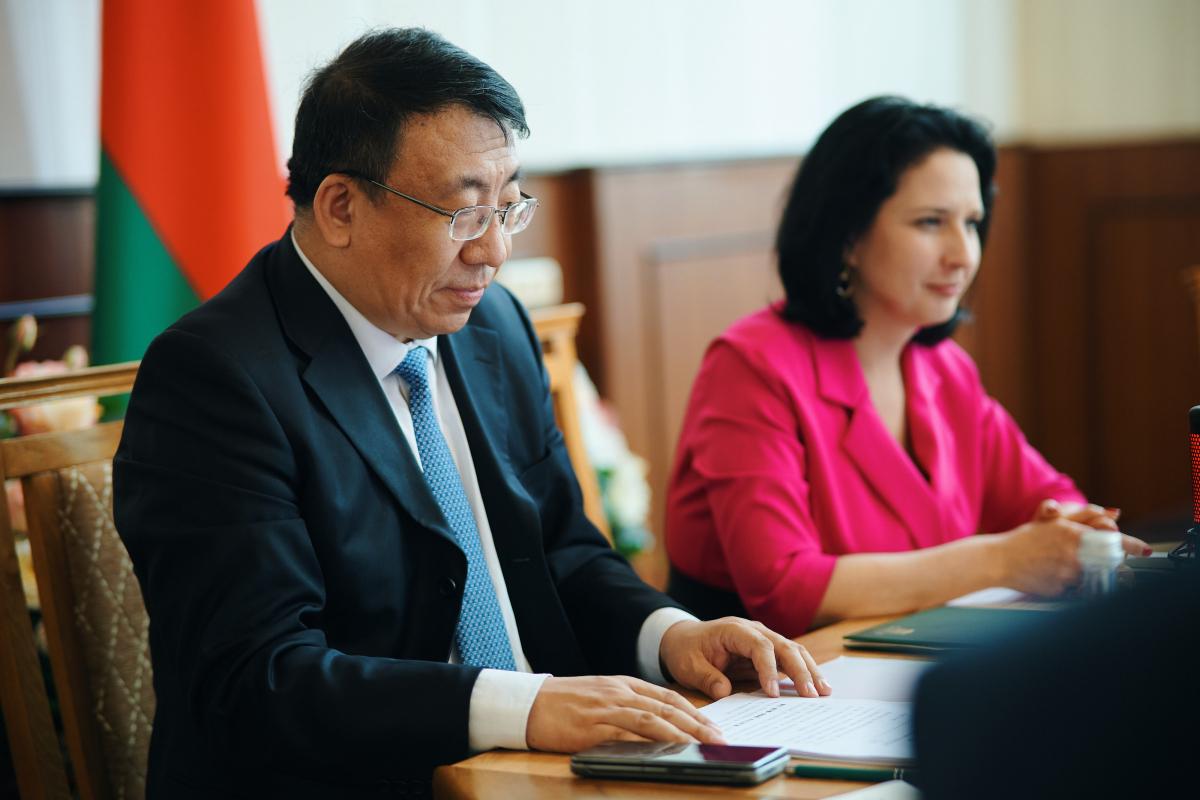
Following the meeting, the parties discussed their readiness to further deepen cooperation. The work of the Center continued, and the participants expressed confidence that the joint training of graduate students would only gain momentum.
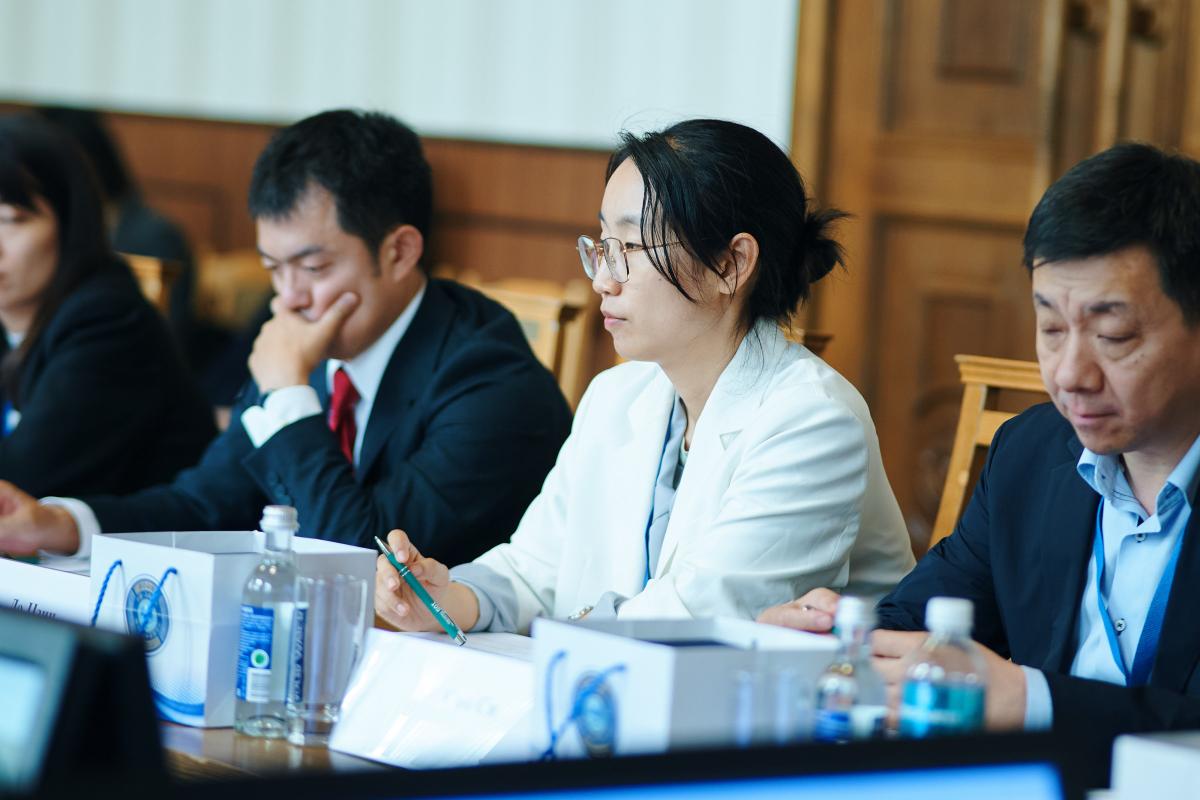
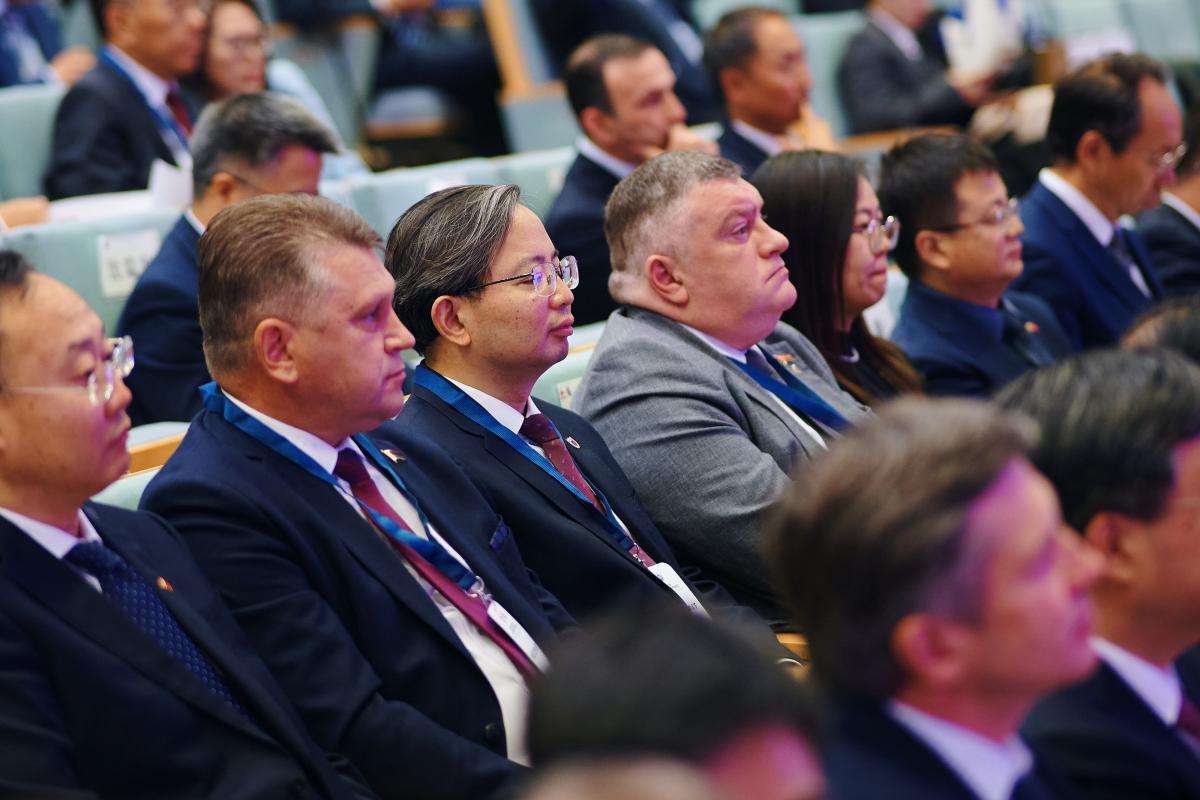
The large-scale events of this day covered not only the BNTU sites, but also the National Library of Belarus, where the Chinese-Belarusian International Conference "Intellectual Interaction between China and Belarus — Joint Innovations in the context of the Future" was held.
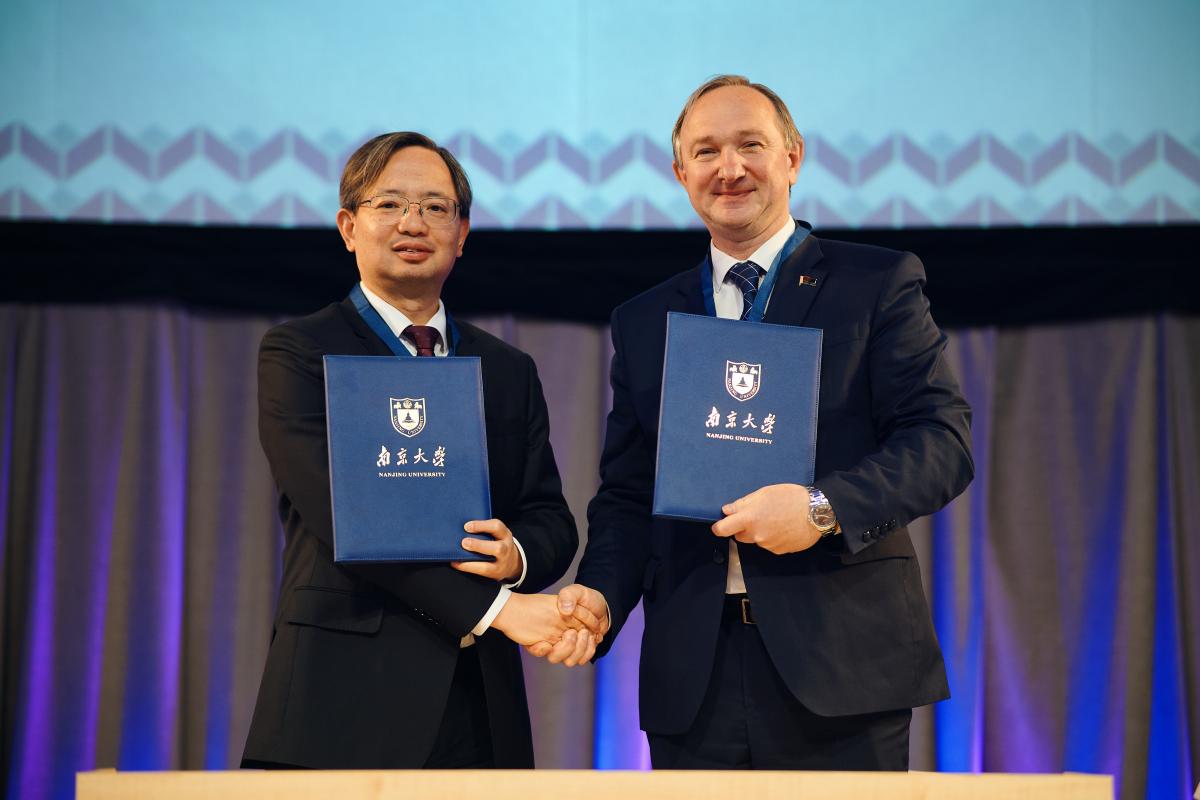
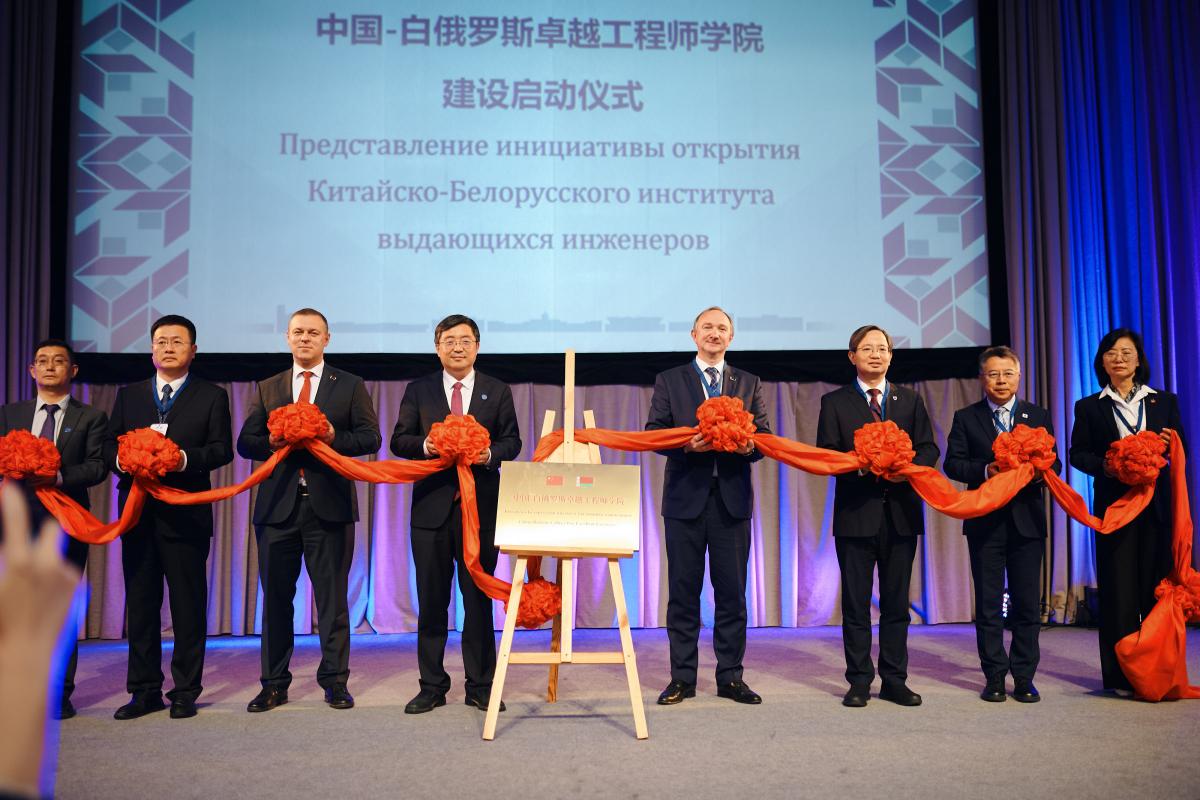
A landmark event of the conference was the signing ceremony of the strategic cooperation agreement between BNTU and Nanjing University. The parties have consolidated their intentions to develop academic exchange and conduct joint research. The opening ceremony of the Chinese-Belarusian Institute of Outstanding Engineers was also held here with the participation of Sergey Kharitonchik and representatives of leading Chinese corporations and universities.
In the afternoon, the main work of the camp was concentrated in four specialized sections.
The participants of the first direction gathered to discuss topical issues on the topic "Fundamental and interdisciplinary frontiers". This platform combined advanced medicine, heavy engineering, quantum physics and sophisticated IT technologies. Graduate students from Belarus, Russia and China presented 17 in-depth research papers covering laser modification of metals, microfluidic technologies, plasma properties study and development of platforms for electric vehicles.
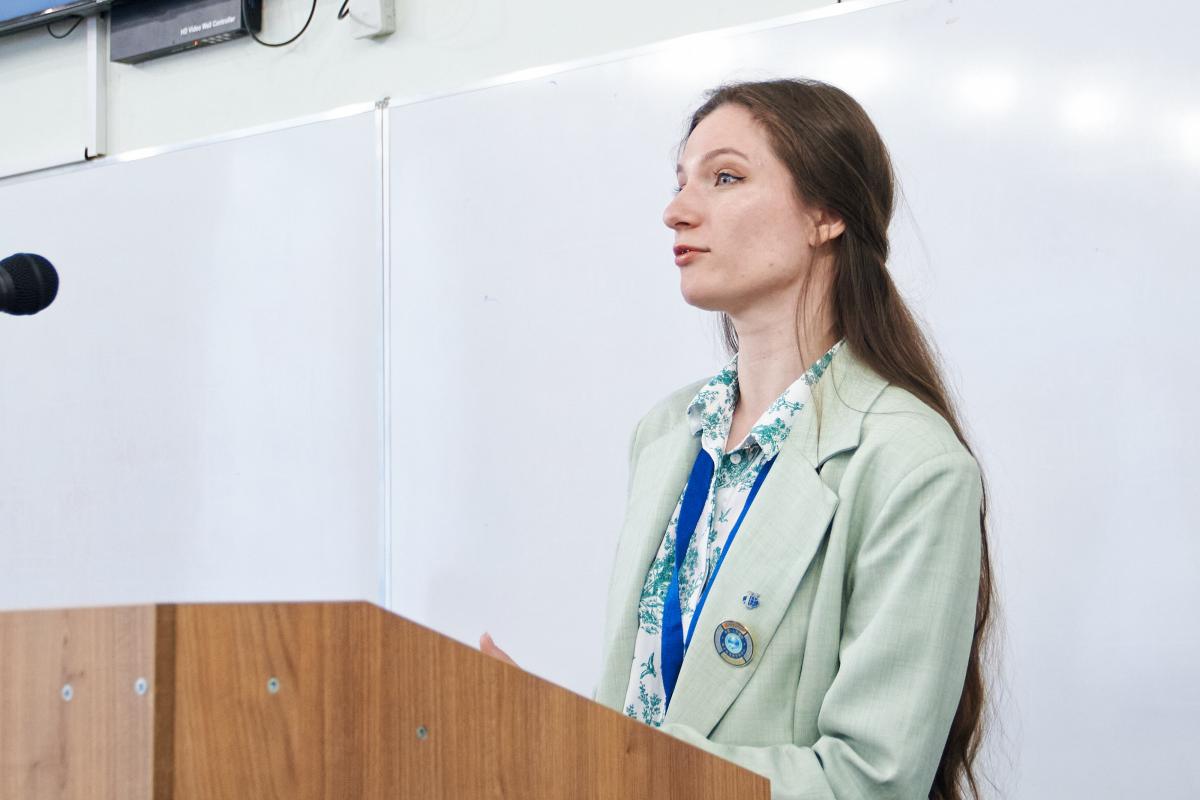
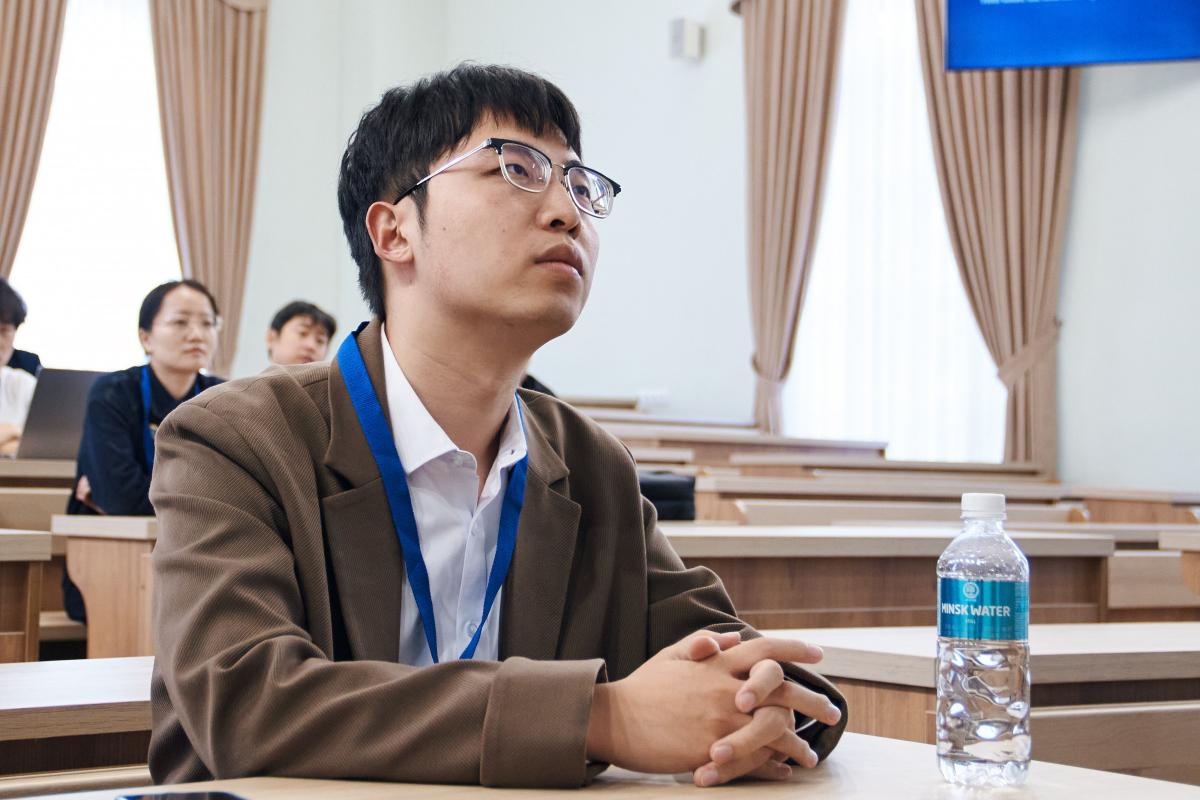
In section 2, dedicated to digital transformation and the intellectual economy, participants presented research on the use of digital technologies and AI. The topics ranged from agro-industrial solutions and medical diagnostics to the prospects for the development of hardware accelerators and digital construction, proving the relevance of the directions for the real sector of the economy.
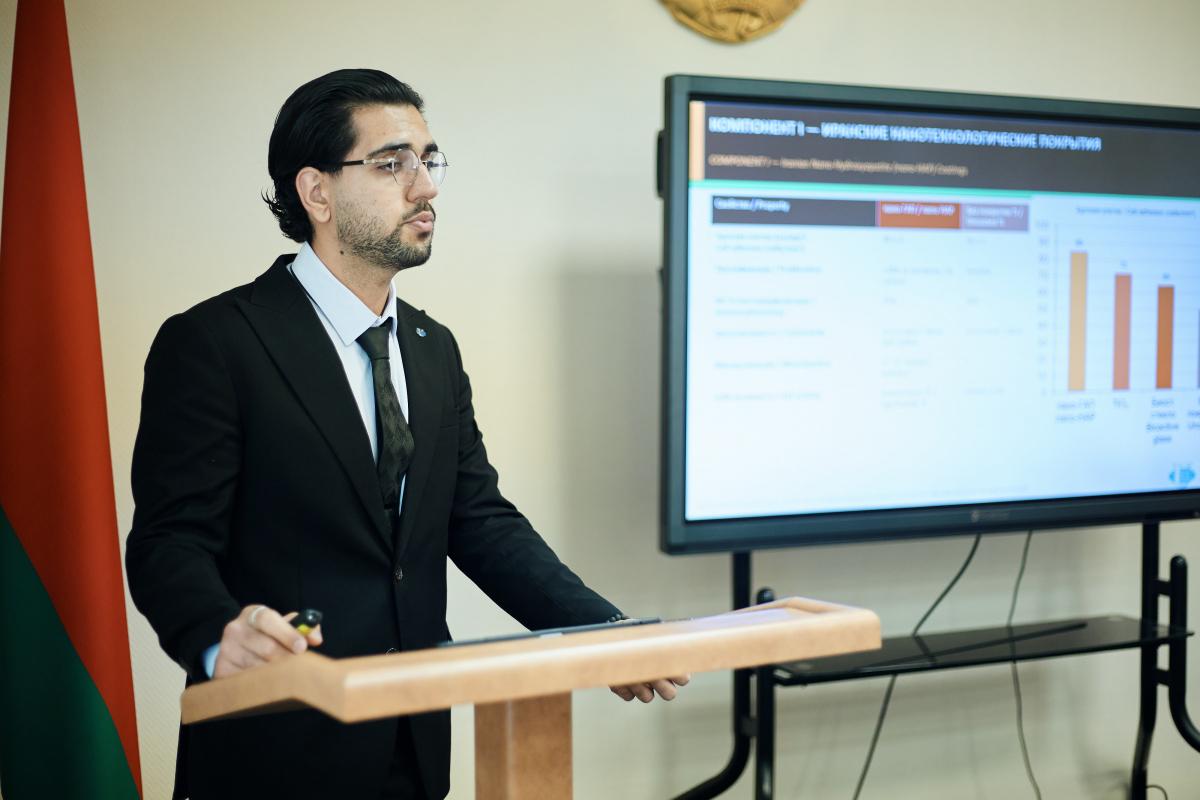
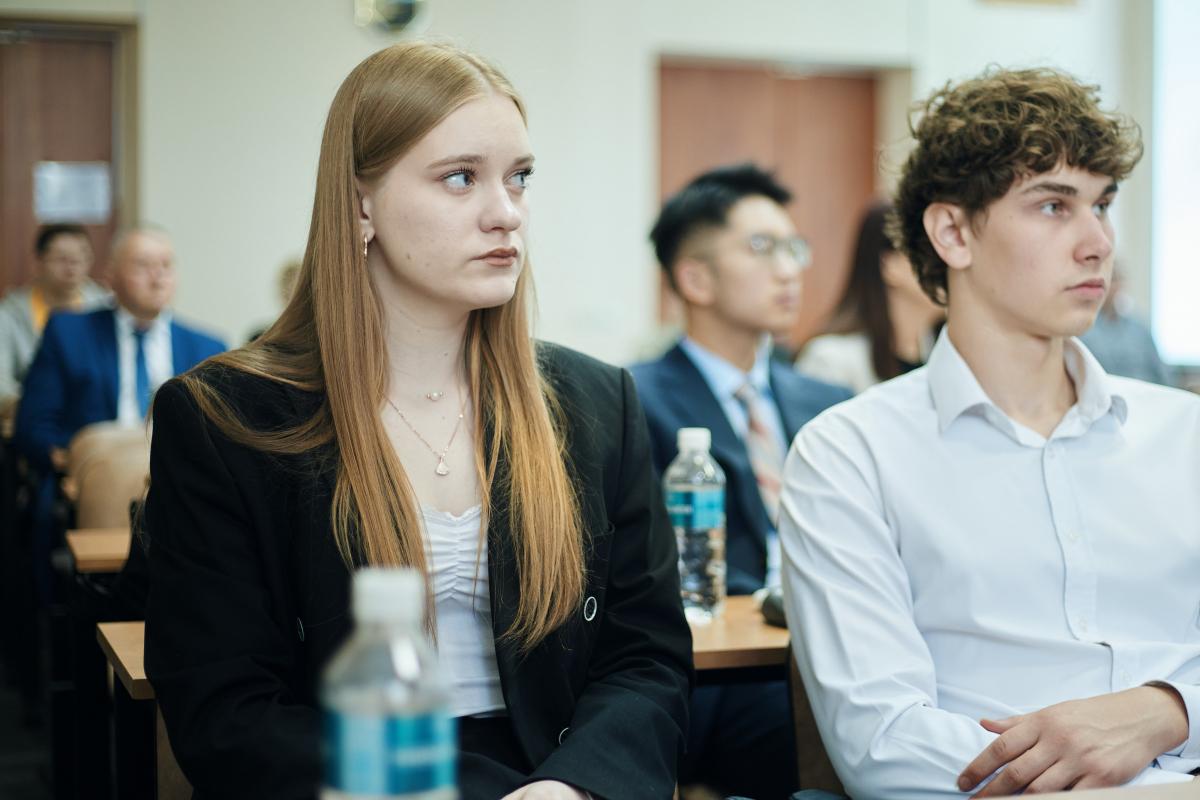
In the third section, focused on sustainable development and green technologies, the participants touched upon the topics of environmental monitoring, renewable energy and new materials. The focus turned to solid-state batteries, perovskite solar cells, biogas processing and applied energy supply tasks, demonstrating a pronounced practical focus.
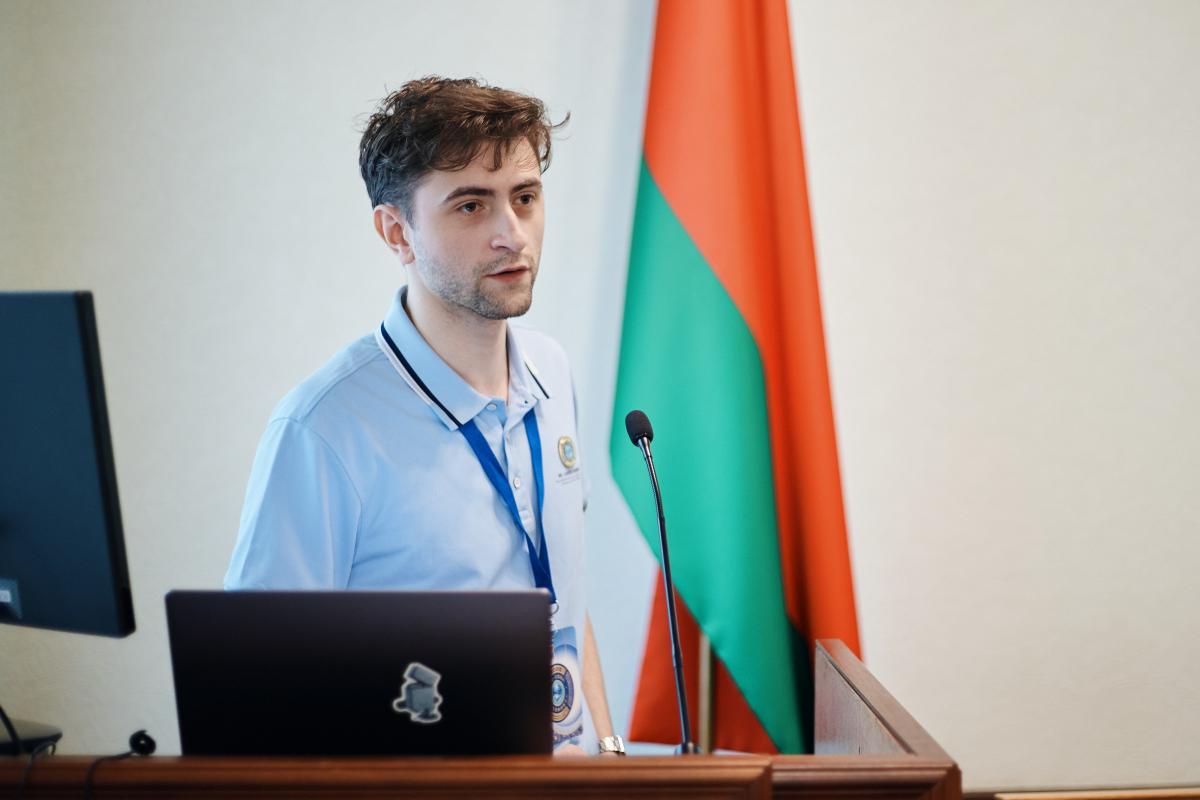
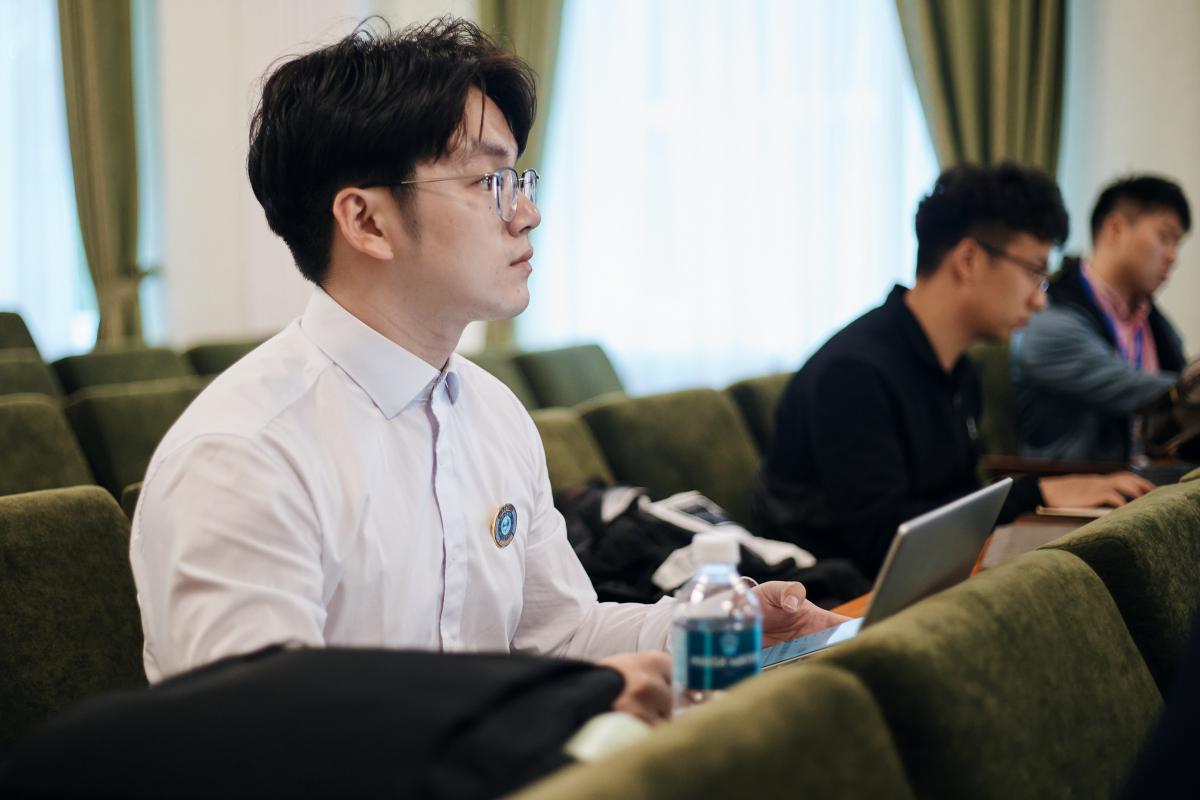
A meaningful discussion also unfolded at the site of the fourth section "Regional and humanitarian cooperation within the SCO." Here, young researchers focused on the cultural, linguistic and economic aspects of interaction. The scientists discussed the issues of glocalization of higher education, the experience of using theater pedagogy for student adaptation, and mechanisms for the development of technological innovations in startups.
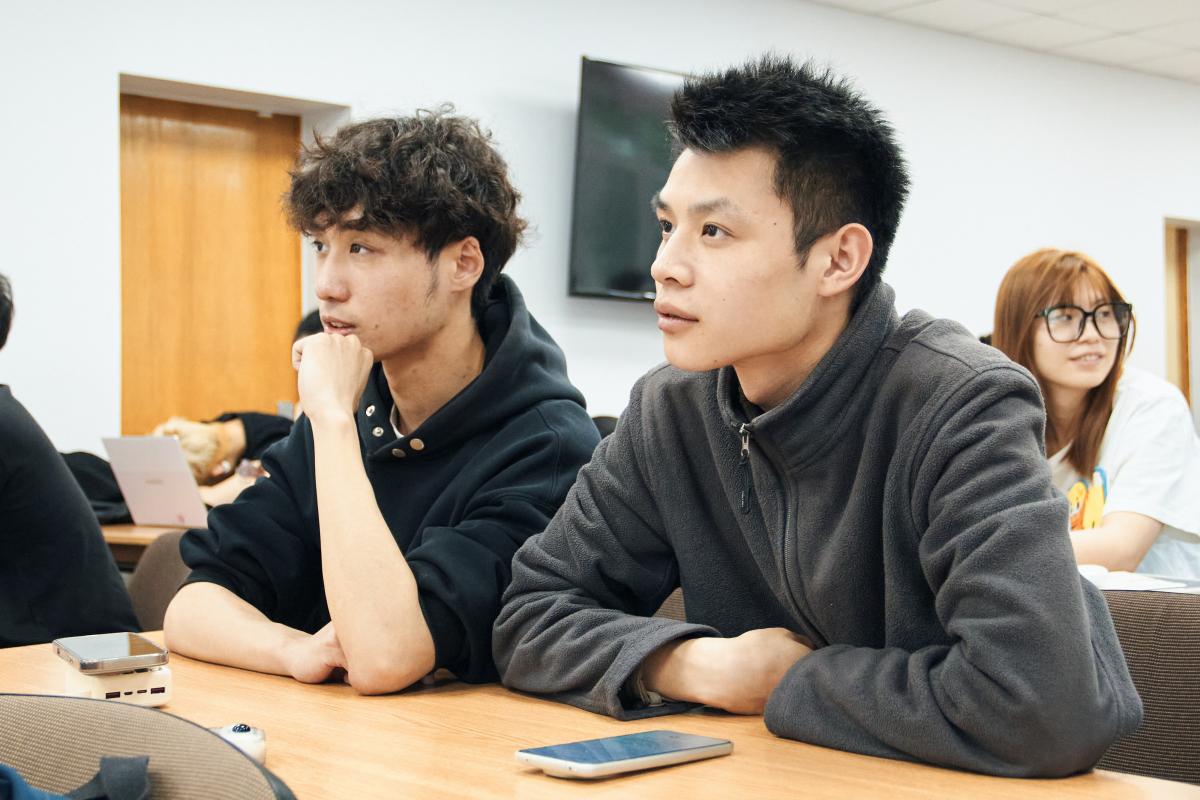
Thus, the lively exchange format helped the participants establish direct contacts for future international projects. The combination of fundamental science, applied engineering solutions and humanitarian dialogue opened up new perspectives for the academic community of the participating countries and laid the foundation for long-term technological projects.
