Today, September 22, the "BNTU Cultural Space" open house events, organized by the Department of Cultural Affairs (DCA), kicked off at the Belarusian National Technical University. Freshmen from the Faculty of Transport Communications (FTUG), the Faculty of Marketing, Management, and Entrepreneurship (FMMP), the Mechanical Engineering Faculty (MTF), and the Automotive and Tractor Faculty (ATF) have already been introduced to the university's creative life, and students from other faculties will join them over the course of the week.
The freshmen were first welcomed by hosts who are themselves members of the "Debut" School of Presenters. They spoke about BNTU’s vibrant cultural life and introduced the students to the DCA’s most exciting projects and creative groups. A video presentation was shown to the audience. Afterward, the hosts introduced Natalia Penyaz, Head of the DCA, who addressed the students with warm words and words of encouragement:
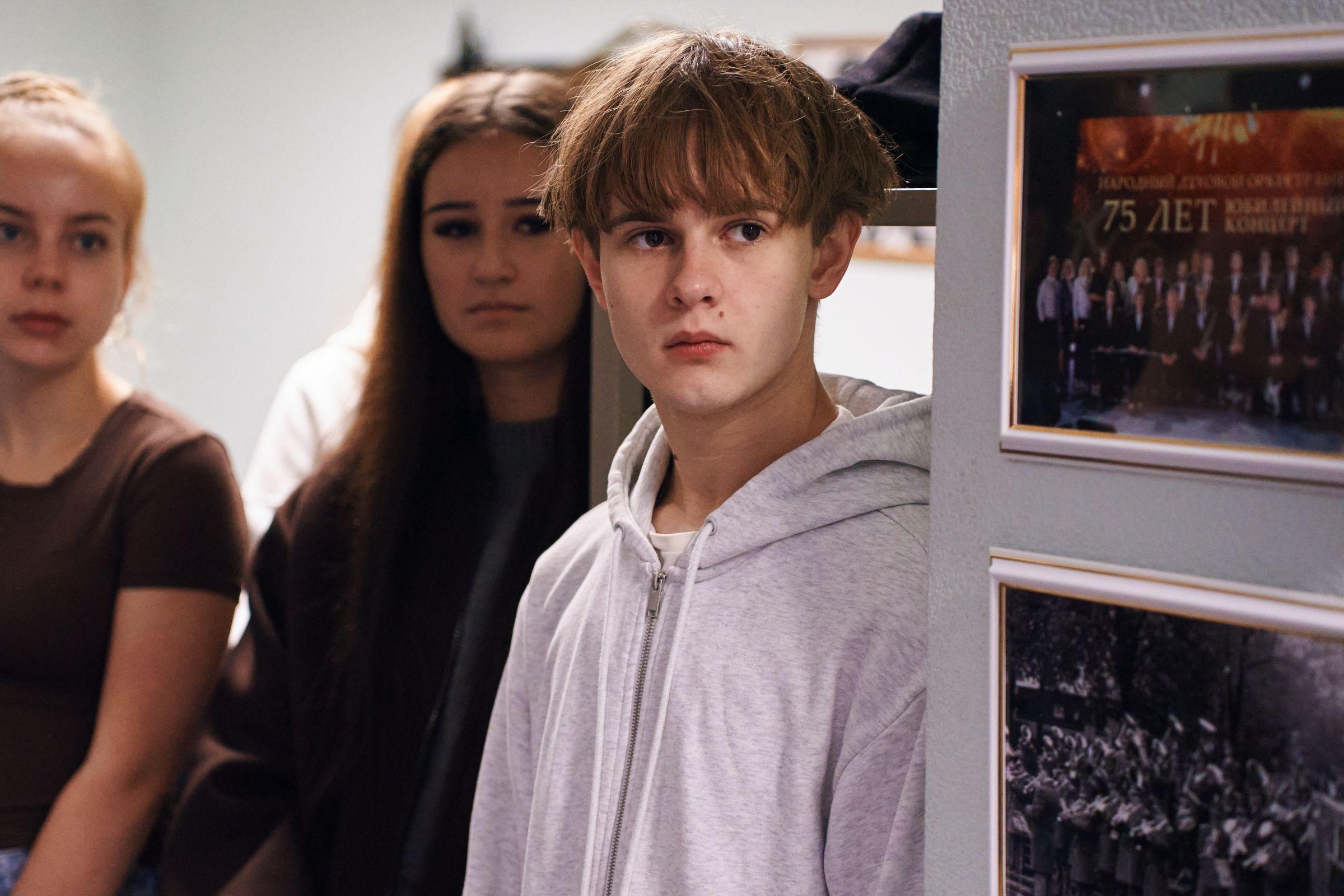
"First of all, I want to congratulate you, dear freshmen, on the start of your studies at our university. You’ve done a great job getting here! It has long been the case at our university that, alongside lectures, tests, and exams, creativity plays a vital role. And for good reason: creativity is a unique language through which you communicate with the world. Creativity transforms emotions into dance or music, and turns words into poetry or scripts for performances at the 'BNTU Spring' festival. A genuine cultural space has been created here at the university, and the Department of Cultural Affairs is staffed by a team of professionals ready to help you realize your creative potential. Every year, we welcome our freshmen with great excitement. This year is particularly special for us, as the Department of Cultural Affairs is celebrating its 80th anniversary. I truly hope that each of you will write your own chapter in the history of the creative 'Polytech.' Welcome—we look forward to seeing your talents shine!" Afterward, the students went on a brief tour of the rehearsal rooms. Group leaders enthusiastically showcased their ensembles. For instance, Mikhail Shostok, head of the "Kakhanachka" folk song ensemble, explained that the group performs modern arrangements of songs and welcomes members regardless of prior musical training; instructors provide free vocal coaching, teach proper breathing techniques, and prepare students for performances on major stages.
Instrumental groups also opened their doors to first-year students. Representatives from the folk wind orchestra invited students who play the flute, trumpet, or trombone to join rehearsals, while the folk violin ensemble—boasting a 50-year history—encouraged students to dust off their music school skills and return to the stage. Enthusiasts of the bayan, accordion, and cimbalom are welcomed by the folk instrument orchestra.
Students hesitant to perform solo were encouraged to try their hand at the folk choral capella. This large academic vocal ensemble performs regularly at city and university venues. Those interested in contemporary pop vocals were invited to join the "Vlyublennaya Dusha" (Enamored Soul) studio, which recently celebrated its 20th anniversary.
Theater groups also welcomed aspiring actors. Nadezhda Shuk, head of the "SaTrAP" folk theater, noted that the stage is an excellent place to hone communication and public speaking skills; she even held an impromptu diction contest for the students during the meeting. The students also met various dance troupes. New members were invited to join the "Druzhba" folk-stage dance studio, the "Tango" ballroom dance studio, and the "Resonance" pop dance studio. Opportunities also await students in the organizational and technical team: young men can work with audio equipment and microphones, while young women can assist with presenting awards and welcoming delegations at events. During the tour, organizers highlighted some attractive perks: active participants in the creative scene can obtain recommendations for dormitory housing and tuition fee reductions, while a heavy dance workload can sometimes earn credit toward physical education requirements.
Each faculty meeting concluded with a short performance by members of the creative groups. University performers showcased their talents live, singing, dancing, and playing musical instruments. Additionally, the hosts engaged the audience with interactive activities and trivia questions, rewarding correct answers with "BNTU Cultural People" branded merchandise.
Immediately following the program, many first-year students were able to choose groups that appealed to them and sign up for their first trial sessions. These meetings will continue until September 25, giving every first-year student the chance to become part of BNTU’s vibrant creative community!
