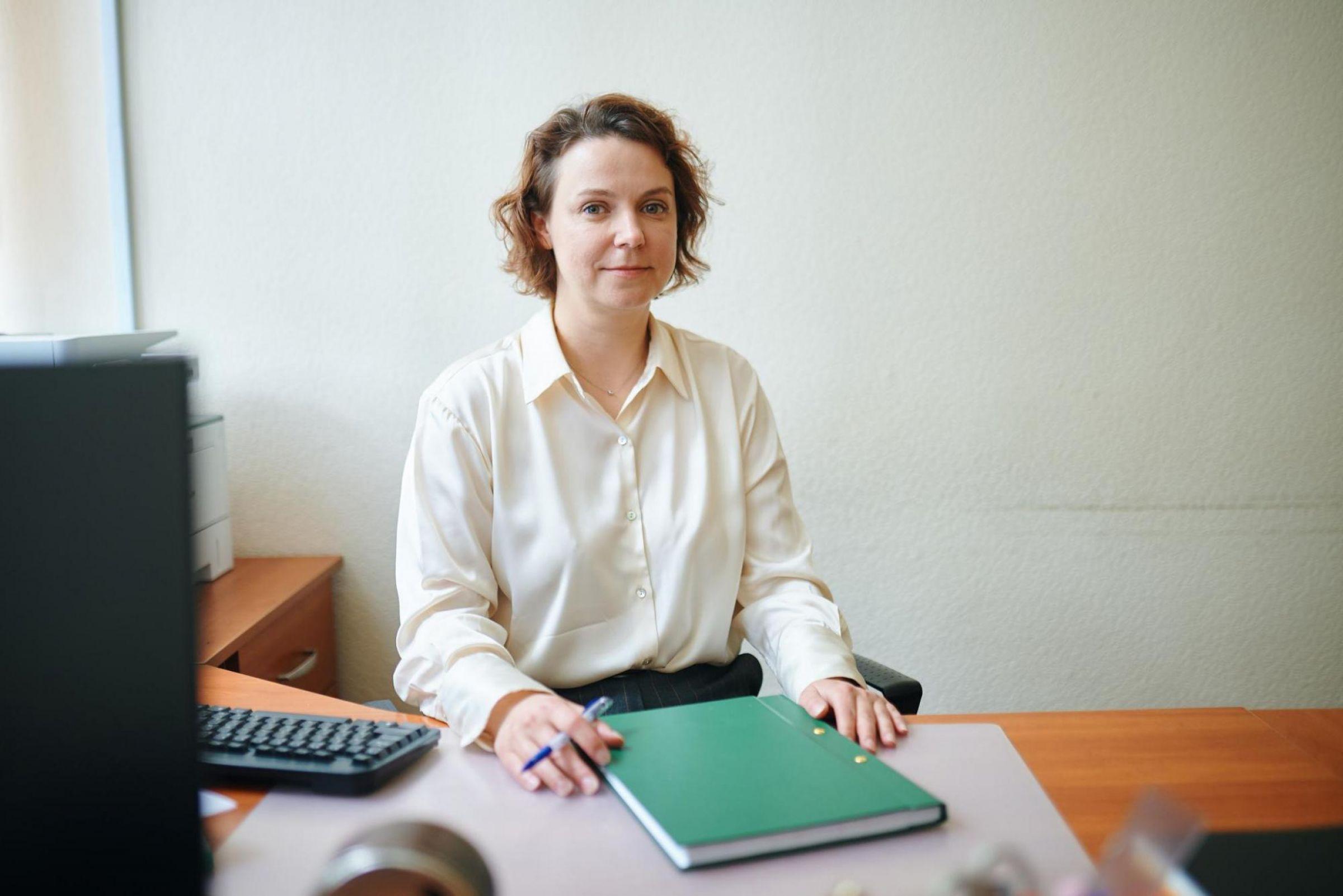
Behind the rigorous calculations, complex schemes, and enormous responsibility in the energy industry are always people truly dedicated to their work. In our column, we continue to introduce you to representatives of the Belarusian National Technical University who inspire others by their example and achieve greatness in their engineering professions. This time, our heroine is Elena Deriugina, Head of the Department of Electrical Power Supply at the Faculty of Energy.
Any great professional journey begins in school – that's when the foundation for future thinking is laid and key interests are defined. As Elena herself recalls, in her youth, she excelled in natural sciences.
– Tell us about your school years. Which subjects were easiest for me, and did they shape your future?
– I was best at math and physics. That is, the subjects where the material was structured in a rigorous, logical manner. In 8th grade, I transferred to a class with a physics and mathematics focus, and in 10th grade, I entered the lyceum class at BGPU.
– Why did you choose the energy field? Was it a conscious choice?
– I grew up in a family of power engineers, so the choice wasn't random. My parents recommended it, and I enrolled in BGPU's Electrical Power Engineering program.

My first steps at the academy not only provided me with profound knowledge but also helped me finally confirm the correctness of my decision. According to the head of the department, even in my first year, the course "Introduction to Engineering Education" helped me form a clear understanding of my future profession, and my internships in my senior years provided invaluable practical experience directly from energy industry specialists.
– My time studying at BNTU was the best time of my life. I can't say that any of the courses were more difficult for me than others—that's entirely due to the high professionalism of the faculty. Their ability to impart knowledge and skills helped us thoroughly prepare for independent engineering careers, – shared Elena Deryugina.
The university often becomes the platform for students' first serious scientific discoveries, opening the door to academic life. During our conversation, we discovered that Elena Aleksandrovna became interested in research quite early:
– I became interested in research even during my student years: the department actively involved me in research and participation in scientific conferences. In my senior years, under qualified academic supervision, I began participating in the Republican Student Research Competition, where I repeatedly won awards. During my studies at BNTU as an undergraduate, master's, and doctoral student, I was awarded the Zh. I. Alferov scholarship and the President of the Republic of Belarus scholarship for postgraduate students." I was also awarded the First Prize of the Special Fund of the President of the Republic of Belarus for the Social Support of Gifted Pupils and Students and participated in the implementation of a grant from the Ministry of Education.
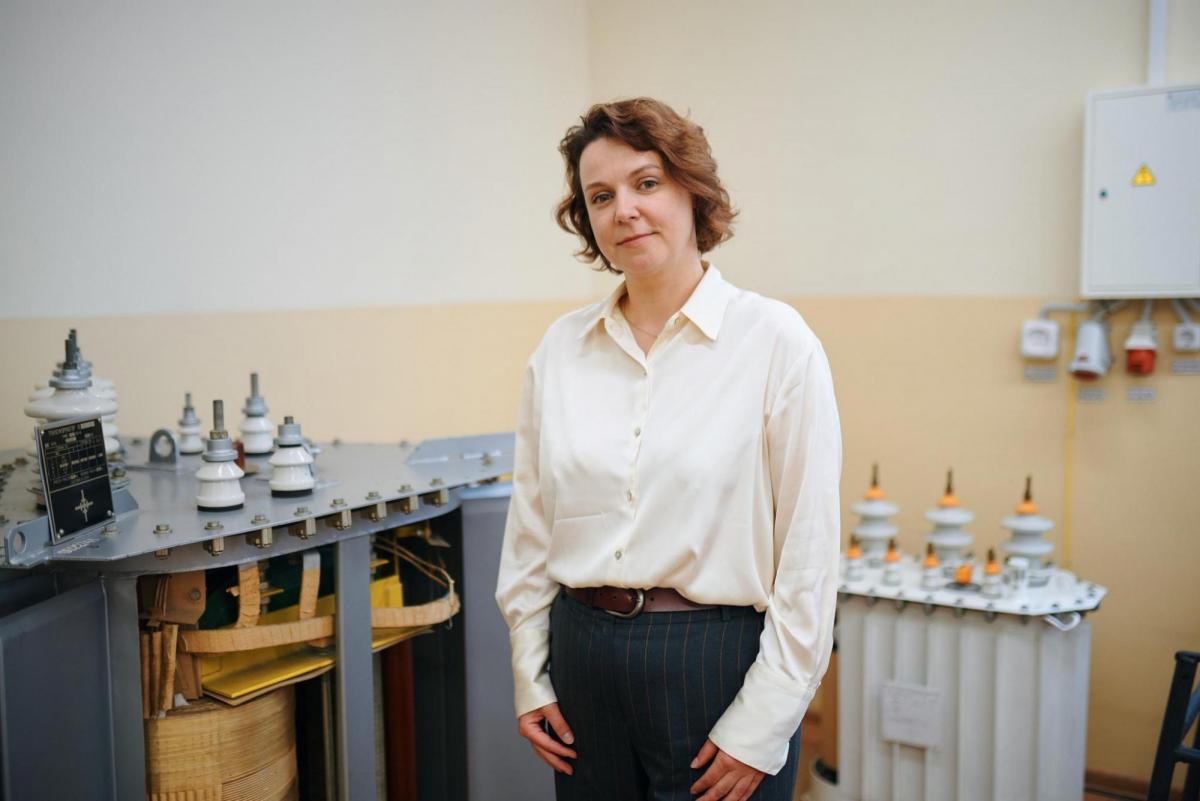
Over time, the focus of scientific research can shift toward more specific, technologically advanced, and applied tasks dictated by the times. Thus, our heroine shared how the areas of her work have changed.
– Which of your scientific studies do you consider most significant for modern energy?
– My research has shifted throughout my research. Initially, my research focused on the electromagnetic characteristics of grounding electrodes in electrical installations. In recent years, my main focus has become microprocessor-based relay protection and automation devices for electric power systems. Furthermore, the department is currently developing a new area—electricity quality regulation and assurance—in which faculty and graduate students are actively involved.
Any research process is always a balance between painstaking, resource-intensive work and the long-awaited joy of discovery." Elena Deriugina considers the search for answers to be the most challenging and at the same time inspiring stage:
– The process of finding a solution to a problem is both the most labor-intensive stage and the one that brings the greatest professional satisfaction. But, of course, the final result and its subsequent practical application bring particular joy.
– Energy is a field that is constantly transforming. How do you keep your knowledge and competencies current?
– Continuous professional development and internships at leading energy companies are of great importance. BNTU and the Ministry of Energy of the Republic of Belarus have signed a cooperation roadmap, which enables close collaboration with energy companies. This effectively addresses pressing scientific and practical challenges in the industry. Working at the university is a seamless blend of teaching and applied science.

Since 2023, Elena Aleksandrovna has headed the Department of Electric Power Supply. The transition to management requires completely new competencies and approaches, as the department head shared from her own experience:
– The position of department head combines three areas: teaching, research, and management. In the first two, you focus on a specific topic. In management, results are achieved not by your own actions, but by organizing the work of the entire team. Furthermore, there is a constant need to quickly switch between completely different issues: from personnel and financial matters to administrative and strategic ones." Another important point is responsibility for decisions that impact the entire team. I would like to take this opportunity to express my deep gratitude to my colleagues in the department – their support and assistance allowed me to quickly settle into my new role.
– What are the main challenges facing you as a leader at the moment?
– The department's future development involves several key areas. First and foremost, this includes organizing training in the specialty "Electric Power and Electrical Engineering." Students receive in-depth theoretical and practical training, mastering skills in computer modeling, design, installation, and operation of electrical equipment. The second area is participation in research. Our faculty and graduate students are currently working on the State Program for Scientific Research for 2026–2030 in collaboration with the Institute of Power Engineering of the National Academy of Sciences of Belarus. At the same time, we are developing our human resources by attracting promising young faculty and strengthening our material and technical resources. The Ministry of Energy, the Belenergo State Production Association, and the country's leading industrial enterprises are actively assisting us in modernizing and equipping specialized educational laboratories.
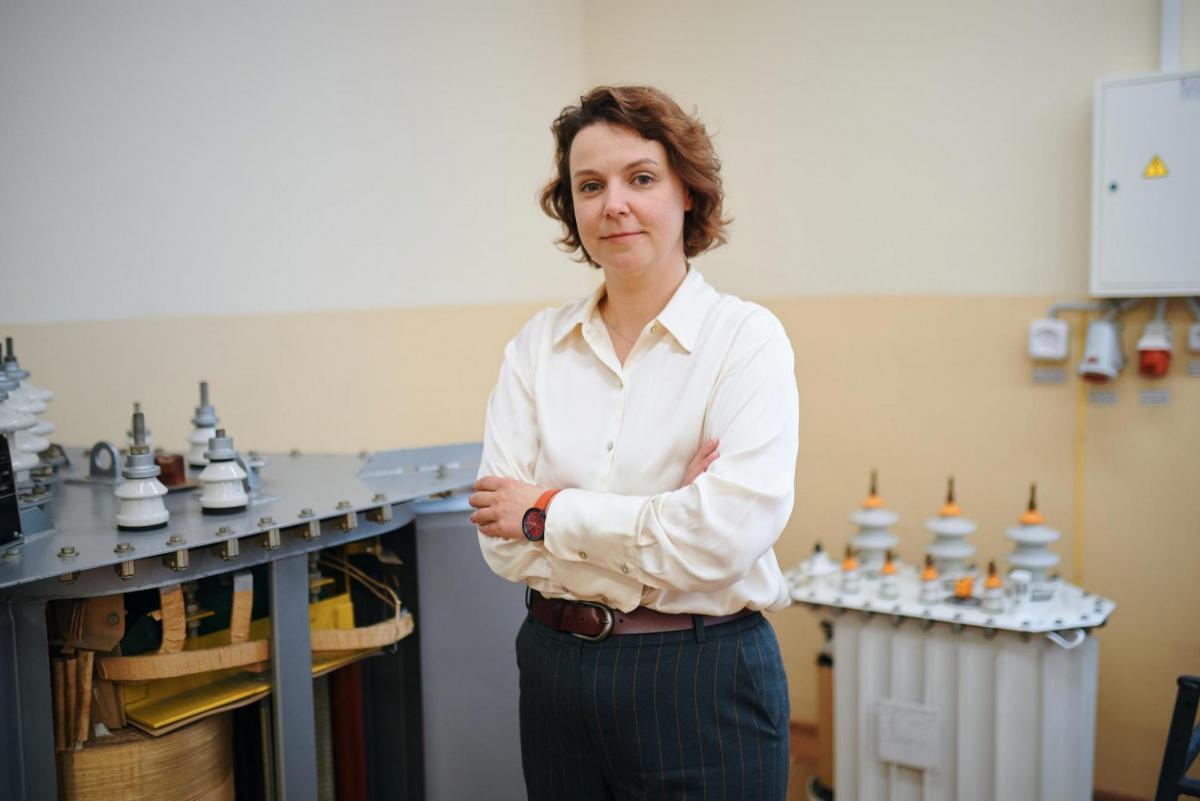
Leading a large, specialized department inevitably comes with a heavy workload and responsibility, but managing these processes also brings its own inspiring rewards:
– The opportunity to influence the department's development and create conditions in which both science and education can successfully advance brings genuine professional satisfaction. Even small changes in the organization of processes or the material and technical infrastructure, which facilitate the work of colleagues and improve student learning, are a source of joy. And, of course, the help and support of the Electrical Power Supply Department staff, colleagues from other departments, the dean's office of the Faculty of Power Engineering, the BNTU administration as a whole, and, of course, our students, are a huge incentive.
– Are there any character traits that are critically important for a female engineer?
– No, I don't differentiate between male and female engineers. Strictly speaking, success in the energy industry is not determined by gender at all: responsibility, systems thinking, and technical literacy are equally important for everyone, – Elena Deryugina emphasized.
Nevertheless, the head of the department advises first-year students just starting out in the energy department to view their studies as the foundation for a long-term career:
– The modern energy industry desperately needs qualified personnel, and a specialist's competence is determined solely by their knowledge and skills. If a girl has already entered a technical university, it means she has been consciously preparing for it since school and has all the necessary competencies. It's important to understand that any difficulties that arise are temporary and can be successfully overcome. Therefore, one must be bold and confident in moving forward.
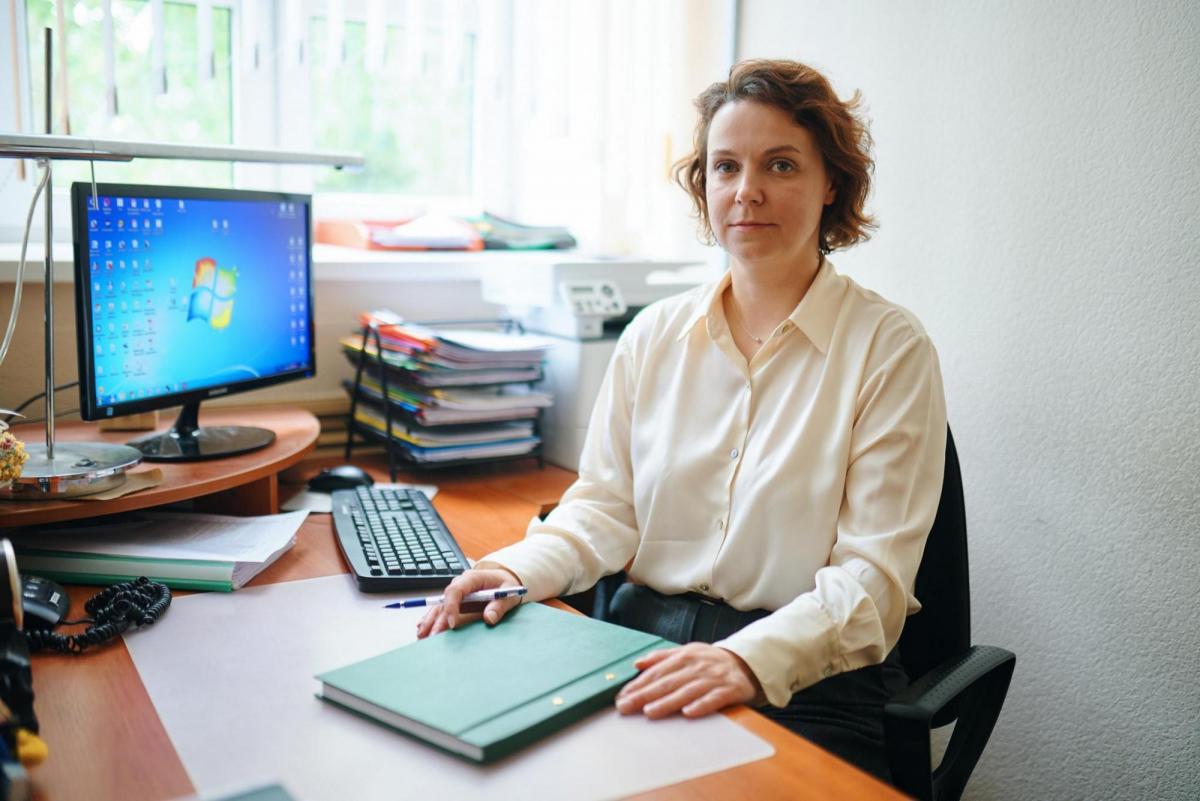
Finally, we learned how Elena Deriugina envisions the ideal engineer of the future and what today's students should prepare for:
– The ideal engineer of the future is a competent and systemically minded specialist with deep theoretical and practical training, who is able to learn new things faster than technological change." Today's students should prepare for the fact that their profession will be continually transformed, and their key asset will not be a stock of existing knowledge, but the ability to expand and revise it.
We thank Elena Alexandrovna for the interview and wish her success in her research, education, and management career for the benefit of the university and the domestic energy sector!
