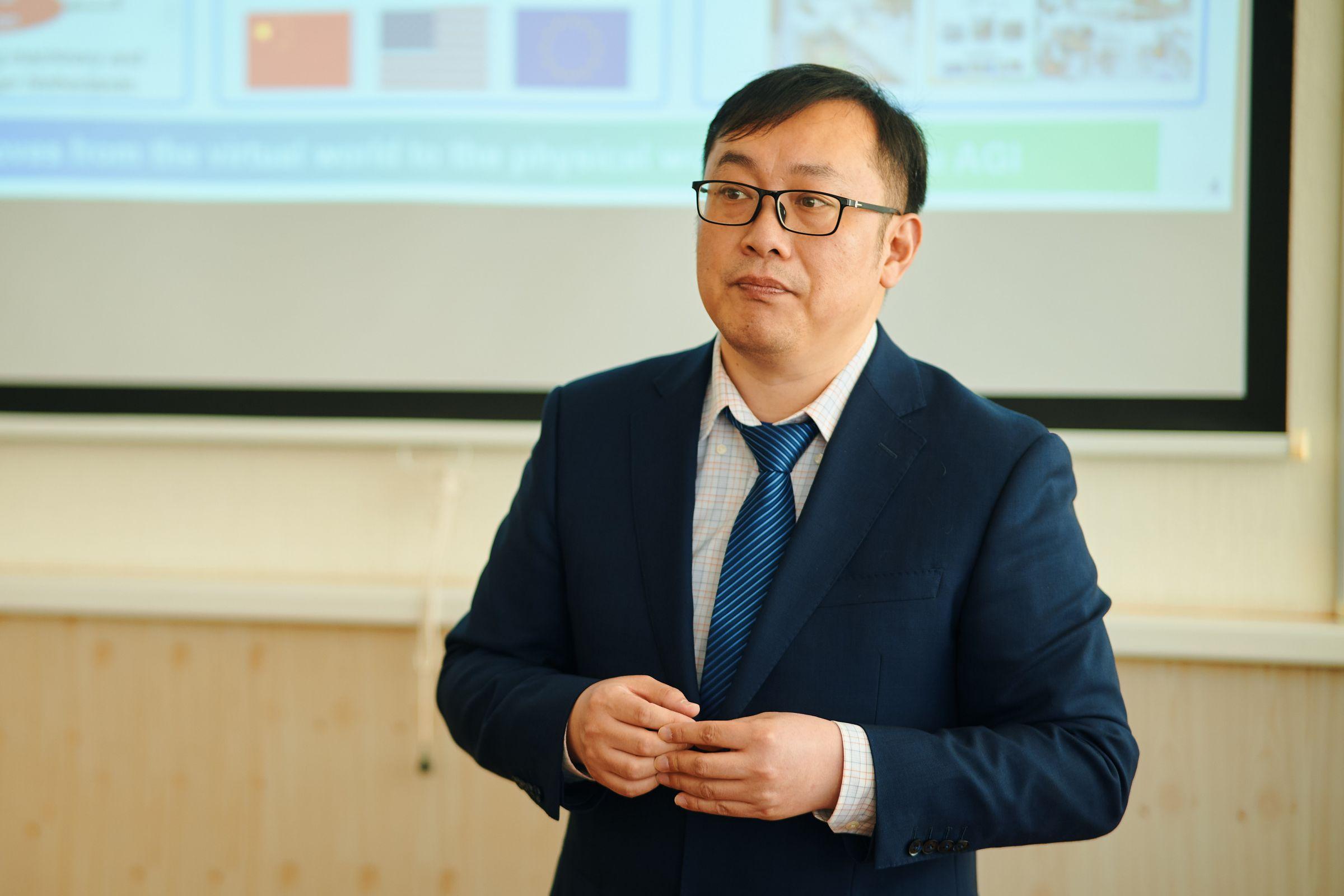
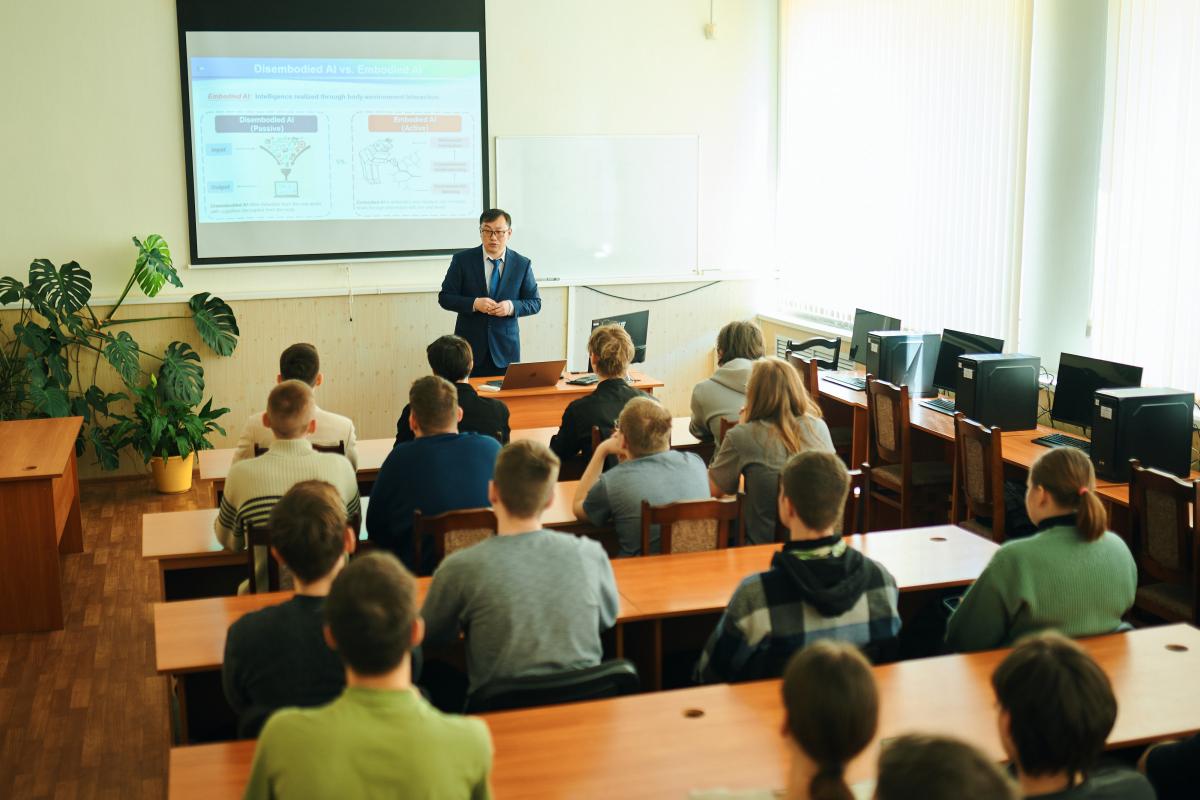
From April 14 to 15, open lectures of the Deputy Dean of the Department of Computer Technology of Nanjing University (China), Professor Xie Lei, were held at the Belarusian National Technical University.
For reference: Nanjing University is one of the world's leading universities and one of China's nine elite universities, the C9 League, ranking high in international rankings. Professor Xie Lei has a significant number of publications in leading peer-reviewed publications (IEEE/CVF CVPR, NeurIPS, IEEE Transactions on Mobile Computing, IEEE Journal on Selected Areas in Communications, IEEE Communications Surveys and Tutorials), and leads a number of major projects of the National Natural Sciences Foundation of China (NSFC) as a responsible executor.
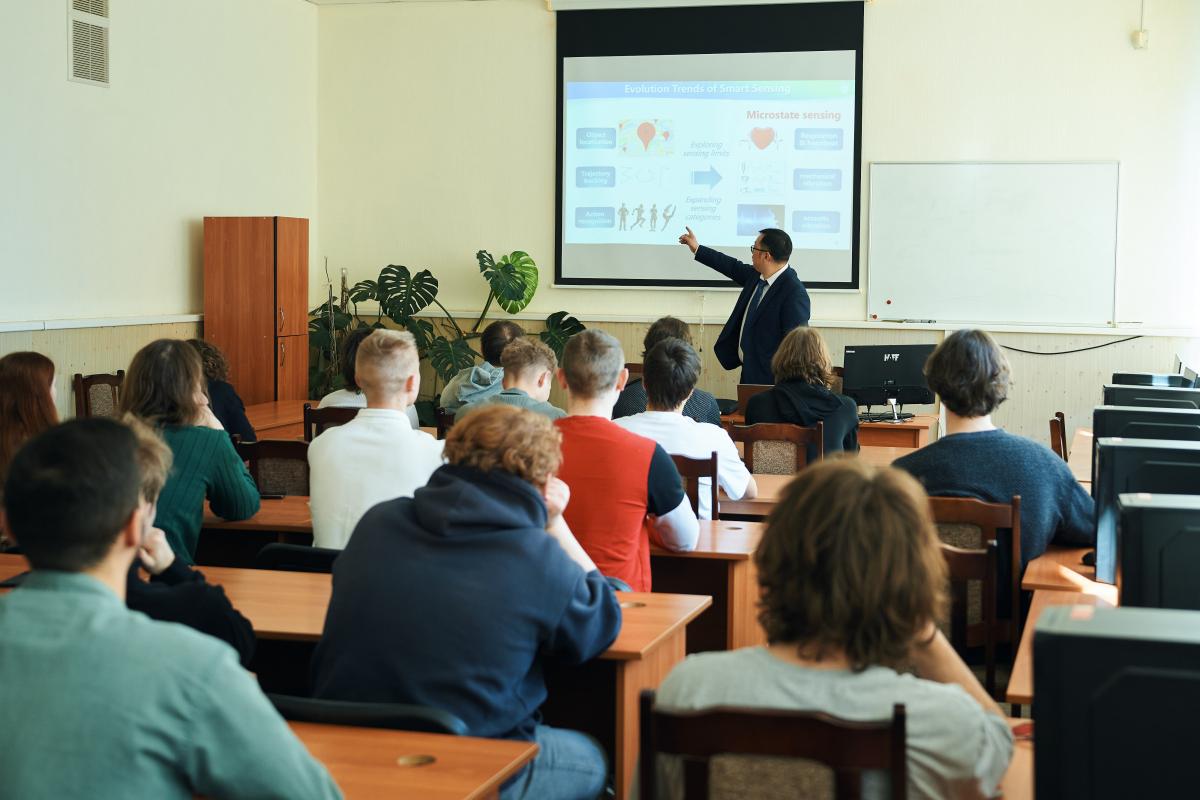
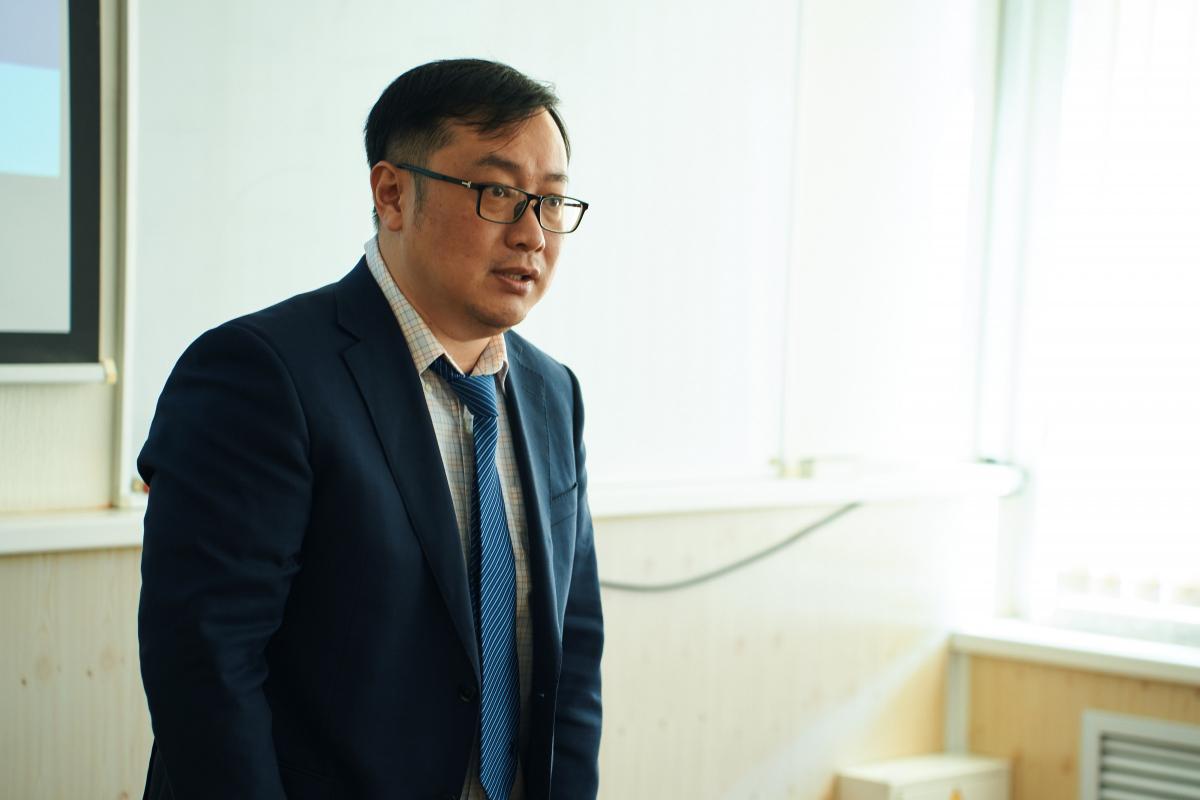
The lectures for students, master's students, postgraduate students, and teachers at BNTU covered four key topics: embodied intelligence as a driver for new industrial productivity, computer vision models for understanding natural scenes, a new paradigm for ultra-precise microstate probing using moiré patterns, and intelligent probing in smart healthcare.

In addition, the professor presented the research results of his laboratory, which includes four faculty members and approximately 40 master's and postgraduate students. The main focus is on developing embedded systems based on artificial intelligence for the energy sector, large-scale automated production facilities, and medicine. These systems evaluate multiple parameters in real-time, ensure interaction between dozens of devices, and provide highly accurate optimal control. The work is carried out with government support and in close cooperation with Chinese companies.
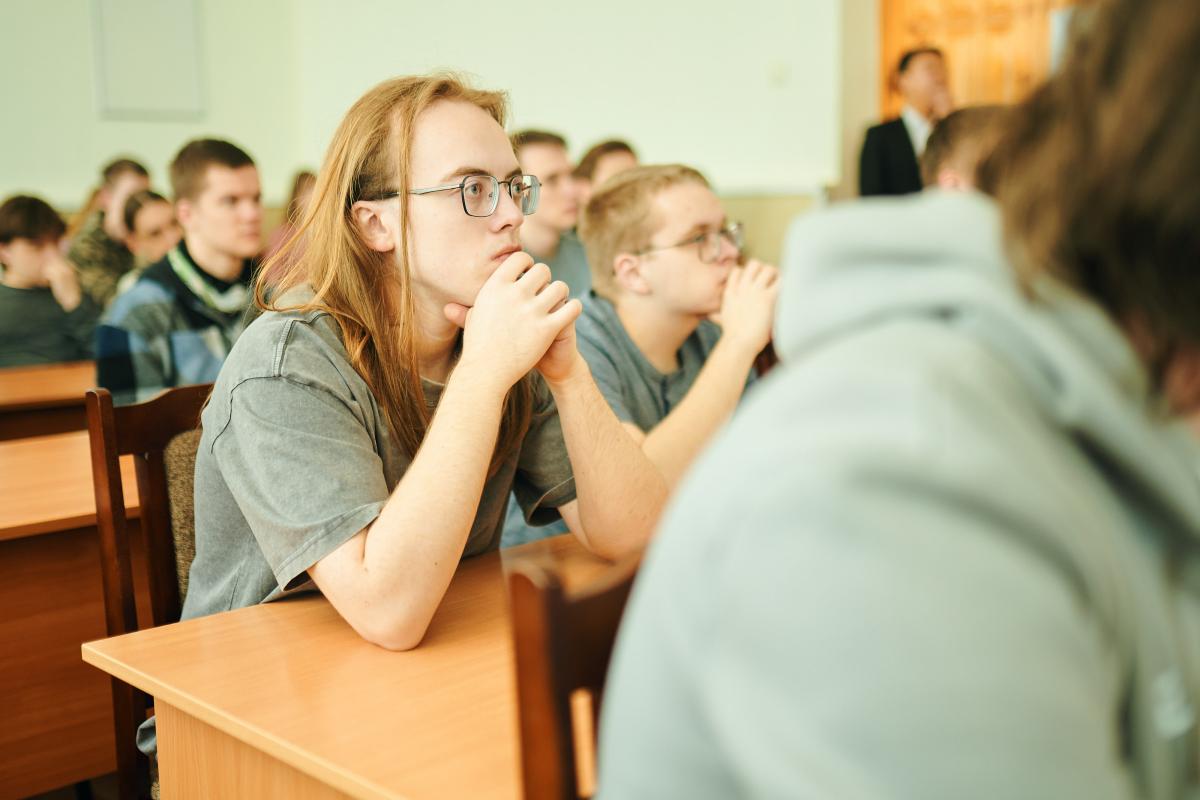

As part of the demonstration of visual examples of the team's activities, the students learned about the work of an automated drip, which regulates the rate of solution administration based on the vibrations from falling droplets, an engine condition diagnostics system, a power plant monitoring complex based on a set of cameras and drones, speech recognition technologies based on simultaneous analysis of lip movements and vocal cord vibrations, a remote monitoring system for the musculoskeletal system in patients after injuries and surgeries, and an automated manufacturing solution that reduced the presence of people at the facility and increased the efficiency of material use by 8%.
During his visit, Xie Lei also visited the laboratories and classrooms of the Faculty of Information Technology and Robotics, where he saw the state-of-the-art equipment used for the quality training of highly qualified specialists, as well as for students' research activities.
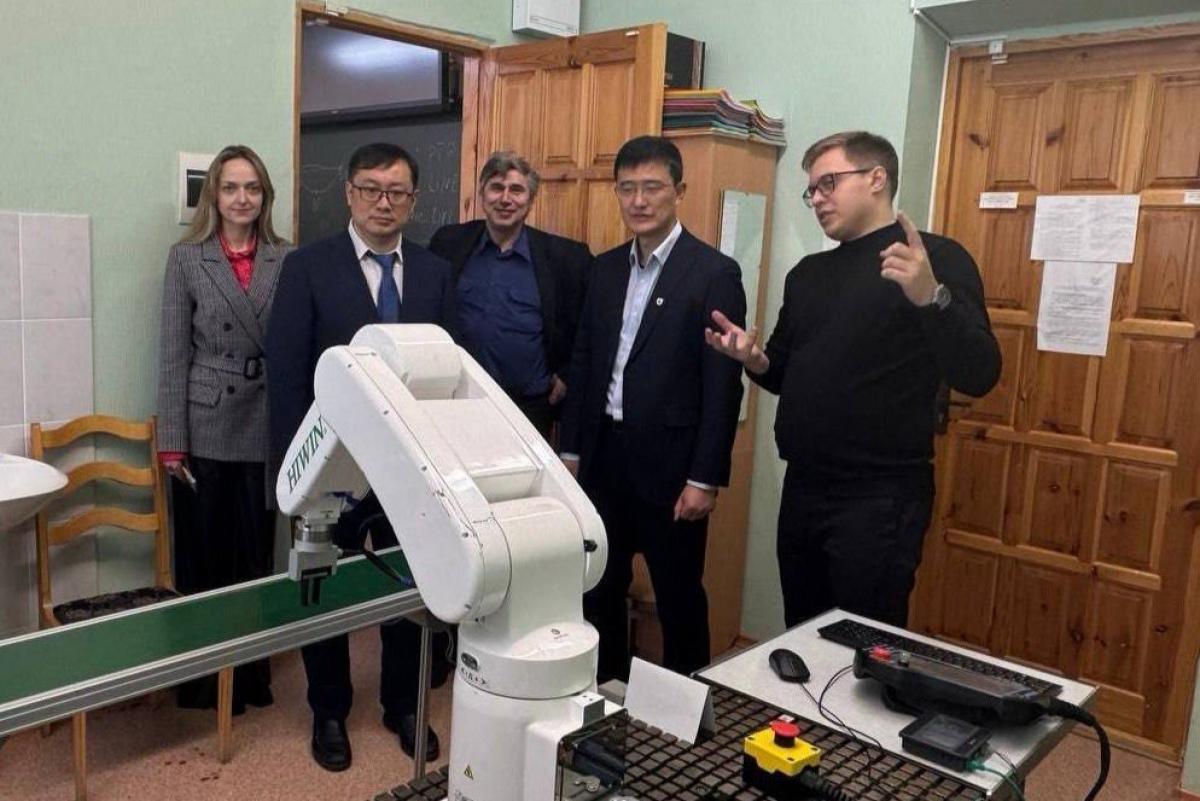
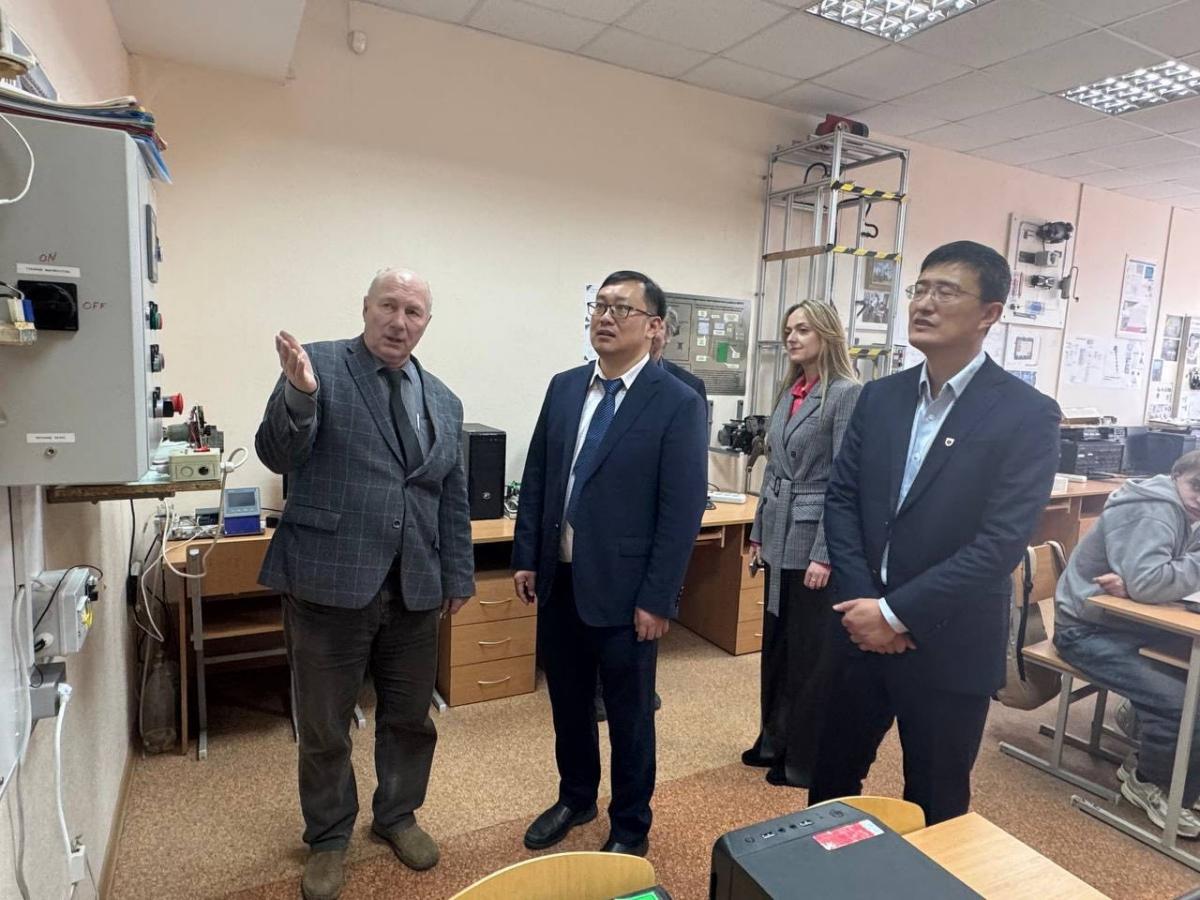
Xie Lei's visit to BNTU contributes to strengthening cooperation between universities and sharing advanced knowledge in the field of artificial intelligence.
We would like to thank Xie Lei for his visit and the opportunity to learn about the cutting-edge research at Nanjing University!
