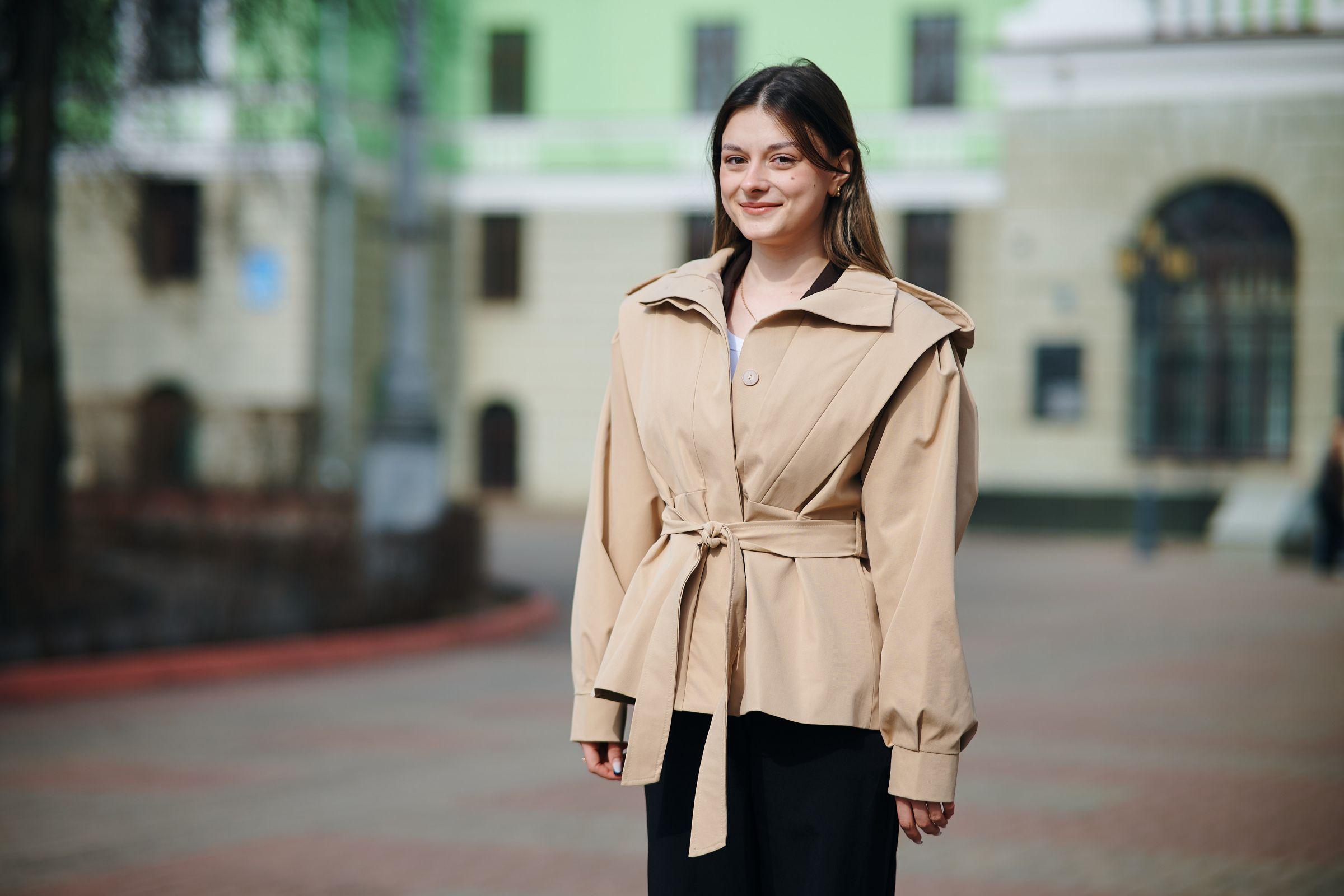
In the column, we tell about students and employees of the Belarusian National Technical University who boldly combine the study of the exact sciences, managerial employment and social responsibility. One of them is Elizaveta Mishkova, a student of the Faculty of Mechanical Engineering. We talked to Lisa to find out how an economist can find common ground with drawings, why the role of student council chair helps in scientific activities, and why a future engineer-economist should create toys for children with visual impairments.
Lisa's choice of specialty was the result of a thorough analysis rather than a random decision. She admitted that she had always been drawn to mathematics, logic, clarity, and structure. However, she wanted to find a field that would remain a priority for years, even decades, and where fundamental knowledge would have a lasting impact. Such a synthesis point was the direction of an engineer-economist at the Faculty of Mechanical Engineering of the BNTU.
— This is an ideal synthesis of what I am interested in: on the one hand, it is an understanding of technologies, the device of production, the engineering “hardware”, because in order to manage the economy of a plant, you need to know how it works from the inside, and on the other hand, mathematical methods, economic analysis and management. Mechanical engineering, in this regard, provides the most powerful base. If you understand the economy and organization of such a complex sector, you will be able to handle any other industry,--- said Elizaveta.
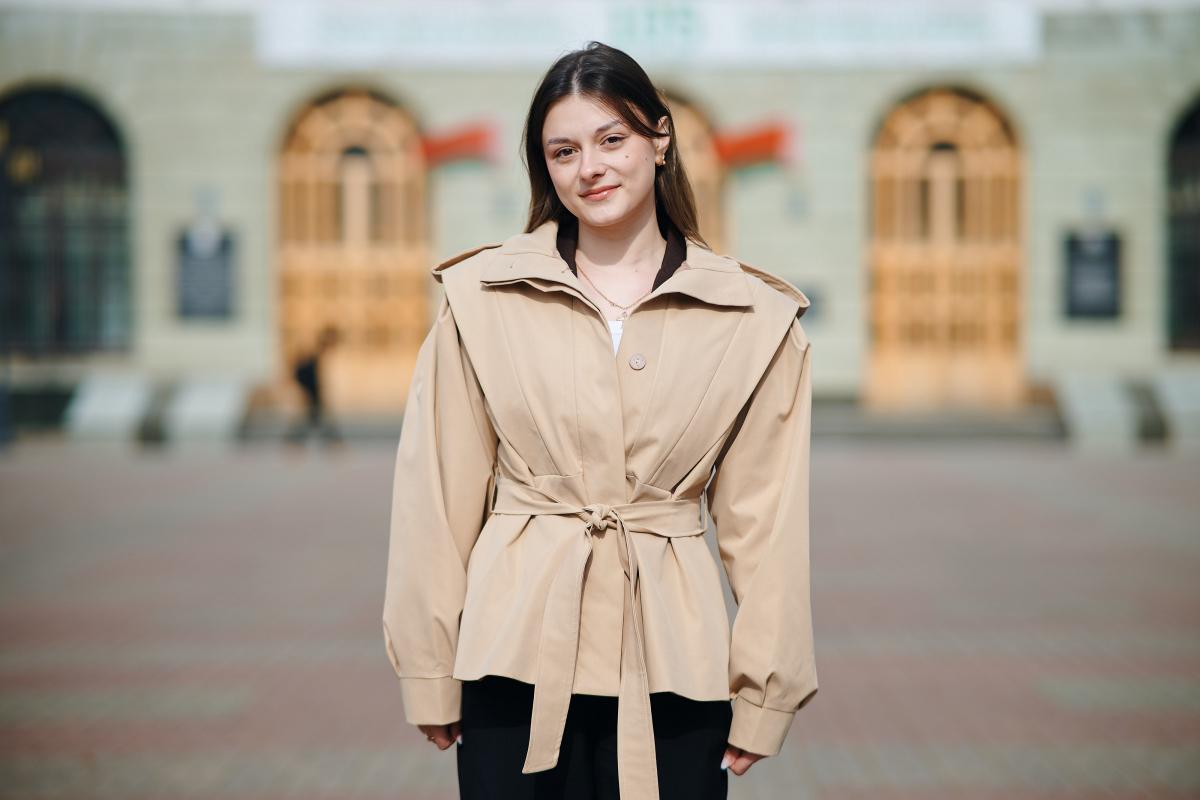
Her mother, an economist, instilled in her a love of numbers and systems thinking. Elizaveta herself was the first in the family to choose a technical field, while choosing a specialty that combines economics and engineering.
Interest in the profession, according to Lisa, was not a one-time childhood insight, but rather a gradual immersion.
— When I started studying specialized disciplines, I saw how mathematics and economics were connected with real production processes and realized: this is it, that's it. It became interesting to me not just to operate with numbers, but to understand what is behind them — how technologies work, mechanisms work, and management decisions are made in production. This realization came exactly when the theory began to make practical sense,--- the student said.
At the same time, paradoxically for a future engineer, the drawings turned out to be the most difficult for Lisa. She honestly admitted that it was more difficult for her to understand them than to build communication. Communication, working with people, and leadership are what bring her a lot of energy. This is why active participation in the student council has become a comfort zone for her rather than a burden.
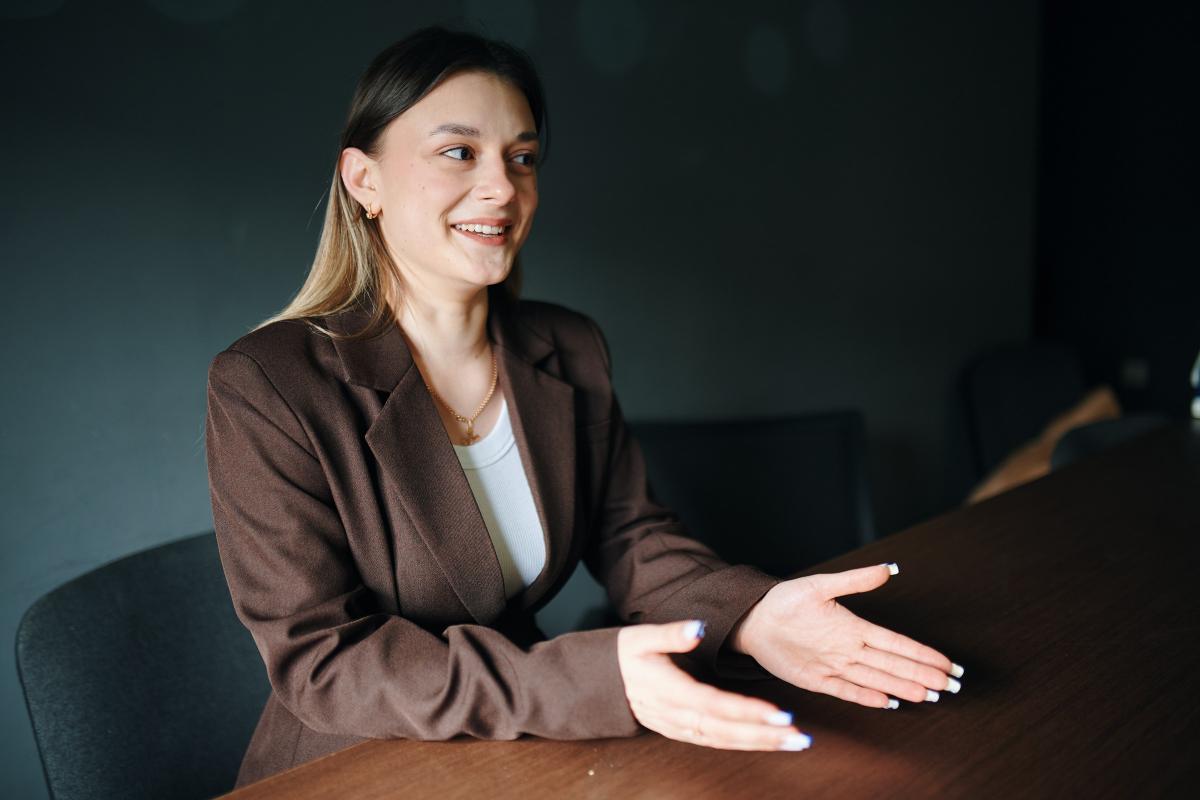
The girl's leadership qualities are also reflected in her approach to studying. Elizaveta believes that the main quality of a student leader is responsibility, not only for their own actions but also for the team and the overall outcome.
— In my studies, leadership experience helps me to build communication differently: I understand that in order to achieve an effective result, it is important to maintain a dialogue not only with students, but also with supervisors, teachers, and scientific mentors. The ability to build this conversation, convey one's position and hear the other is a skill that is born precisely in leadership practice and makes the learning process more meaningful and productive, — the girl explained.
One of the main practical embodiments of this approach has become a social project to create toys for visually impaired children, developed by a volunteer group led by a girl. The project itself is led by Maria Gorenkova, a student at the Faculty of Mechanical Engineering.
— The idea came when my team and I noticed how difficult it is for children with visual impairments to interact with regular toys: they are either uninteresting to the touch, or unsafe, or do not have a developmental function. We analyzed the market and realized that there are almost no specialized toys in the CIS countries. This is how our project began to take shape. It has become not just a personal achievement, but a true collective effort, and this is its true value, — explained the girl.
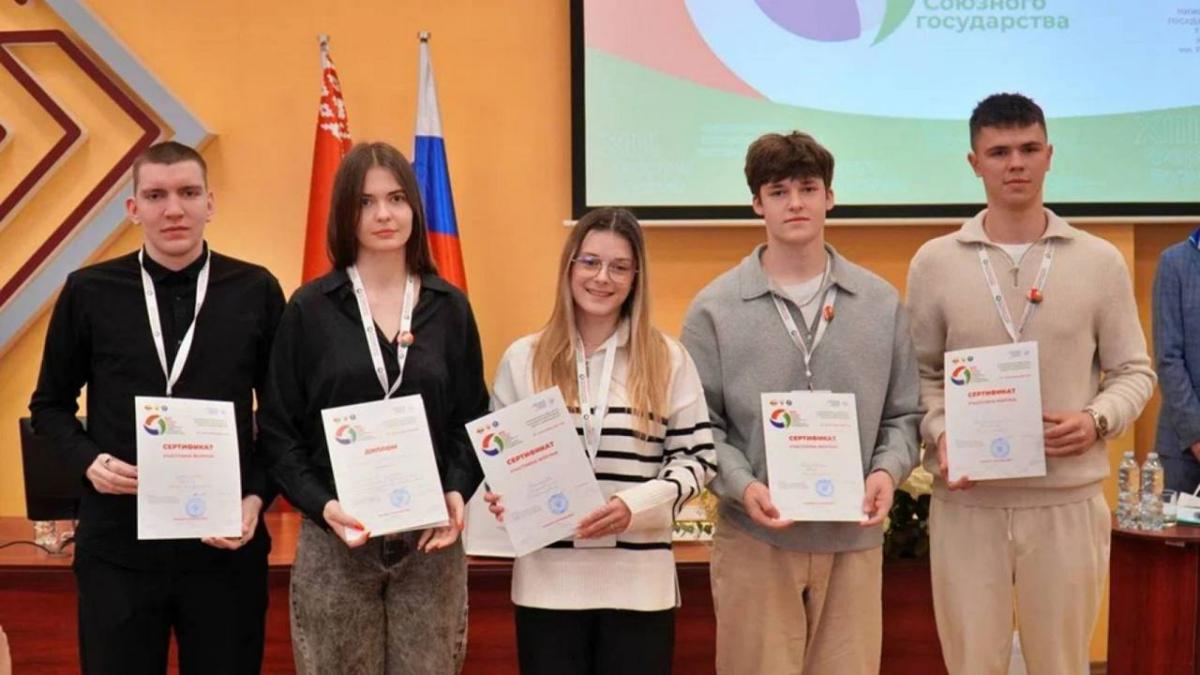
The uniqueness of the BNTU volunteers' development lies in the details that make interaction with the toy intuitive for a child. This is a special convex element in the shape of a rectangle with a raised Braille font and a corner-reference that allows you to immediately determine the top and bottom.
— At first glance, these minimal details make interaction with the toy intuitive and comfortable for a child, which distinguishes our project from the mass market, where such nuances are often overlooked, — emphasized Elizaveta.
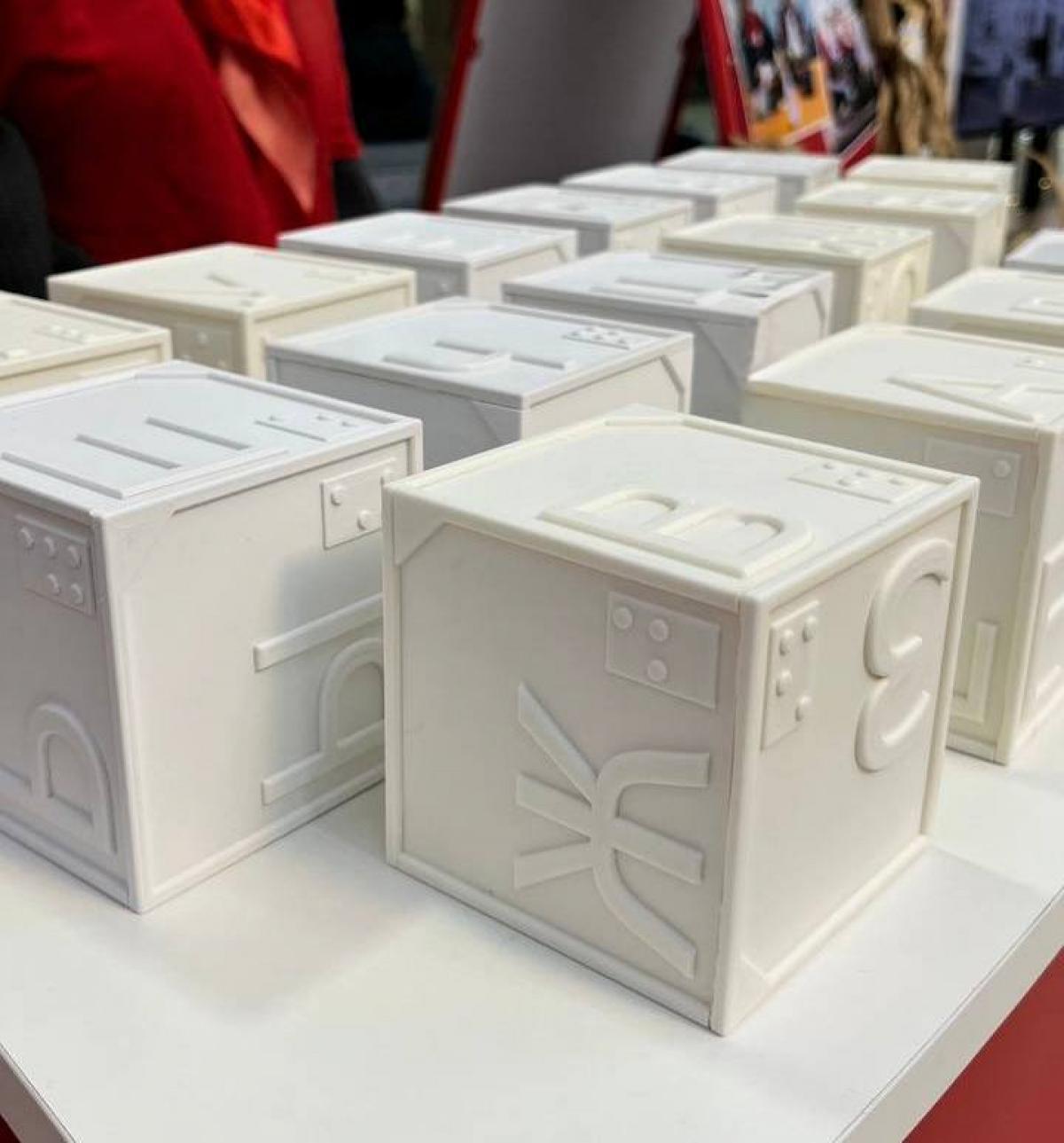
The realization that the project was really in demand did not come immediately, but it became a natural result of the work. The turning point turned out to be the attention from the professional community, when the organizers of contests and specialized sites themselves began to find a team. Now the team is looking to the future with ambitious plans: expanding the range of toys, launching a single production at the Department of Engineering Economics in the new laboratory of Lean Manufacturing.
— As for the application, I see a place for our project primarily in rehabilitation centers and specialized institutions where teachers can use toys in their work, but in the long run, of course, they are also suitable for home use, for families who need high—quality educational materials, — Elizabeth shared her plans.
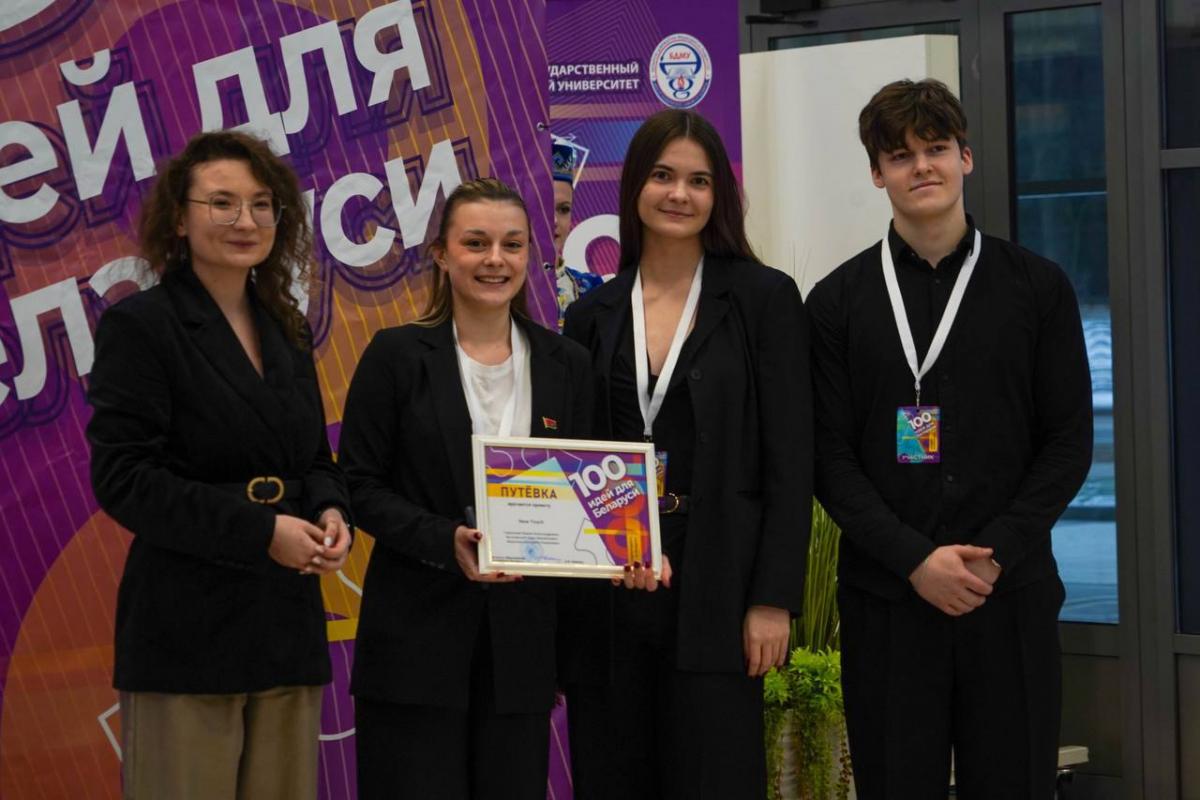
The secret of such high activity and academic performance, according to the girl, lies in the ability to distribute responsibility. Her main secret is the team.
— I have a student council asset and reliable project partners with whom I share responsibilities. When the workload is distributed, it becomes much easier: someone takes care of the organizational aspects, someone handles the technical aspects, and someone is responsible for event preparation. This allows my personal tasks and achievements to fit seamlessly into the overall picture without feeling overwhelming. Without the support of my team, it would be impossible to handle everything simultaneously, — Lisa said.
According to the girl, BNTU is a unique environment where student initiatives are always supported. She warmly speaks about her supervisor, who believes in the project, and notes the university's help in providing a laboratory base, participating in competitions and obtaining patents.
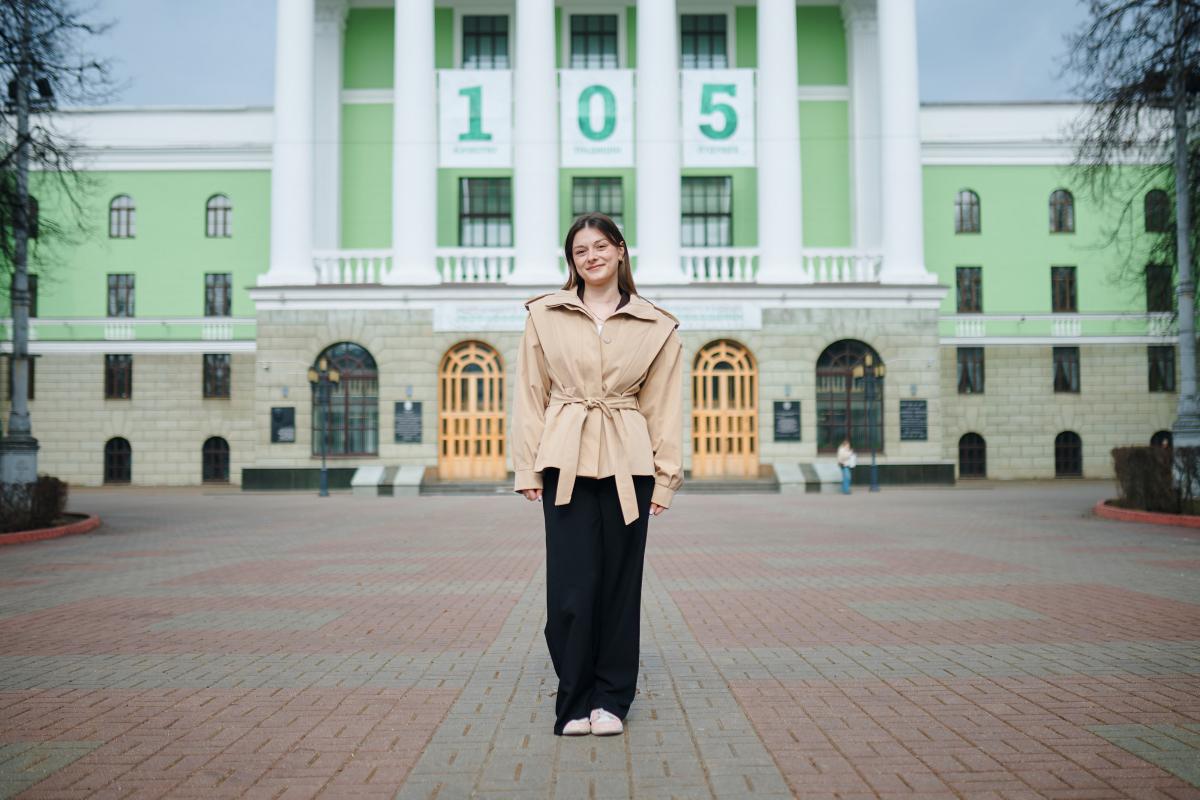
When difficult periods, sessions, or tight deadlines occur, it is team support that becomes the resource that restores strength.
— When you feel that you're not alone, that there are people around you who are willing to lend a helping hand, share the burden, or simply offer words of support, it gives you strength. We go through difficult stages together, and it's this sense of community that helps us stay resilient and keep moving forward.
When it comes to stereotypes about the "unusualness" of women in engineering, Elizaveta believes that engineering is about mindset, perseverance, and a desire to create, and these qualities are not gender-specific.
— I had some doubts about choosing a specialty, but they were more about the difficulty of learning than about gender. I never thought that engineering was "not for girls." History is full of brilliant female engineers, designers, and scientists. A girl in engineering is often more diligent, attentive to details, and meticulous, which is a huge advantage in our field.
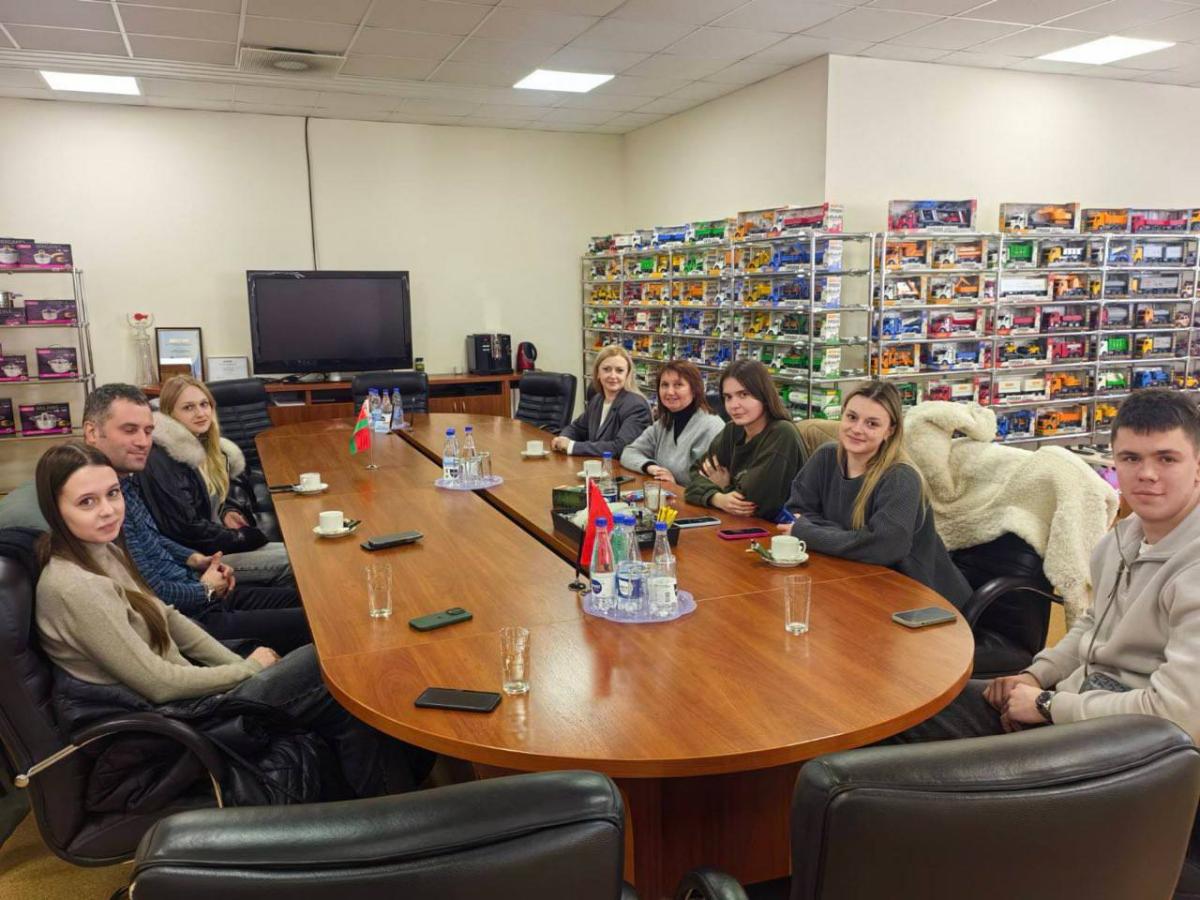
She advised her peers who were still choosing their path to be more courageous in their pursuit of a life's work.
— I would advise girls one thing: do what you love, don't look back at stereotypes, don't try on other people's expectations. If you like mathematics, logic, systems thinking, and if you feel an interest in how everything works, go into engineering without a doubt. And then, at the time of admission, I would have said: "Don't be afraid to choose something that really resonates. It is the love of your work that will give you strength when it gets difficult. Everything else will follow."
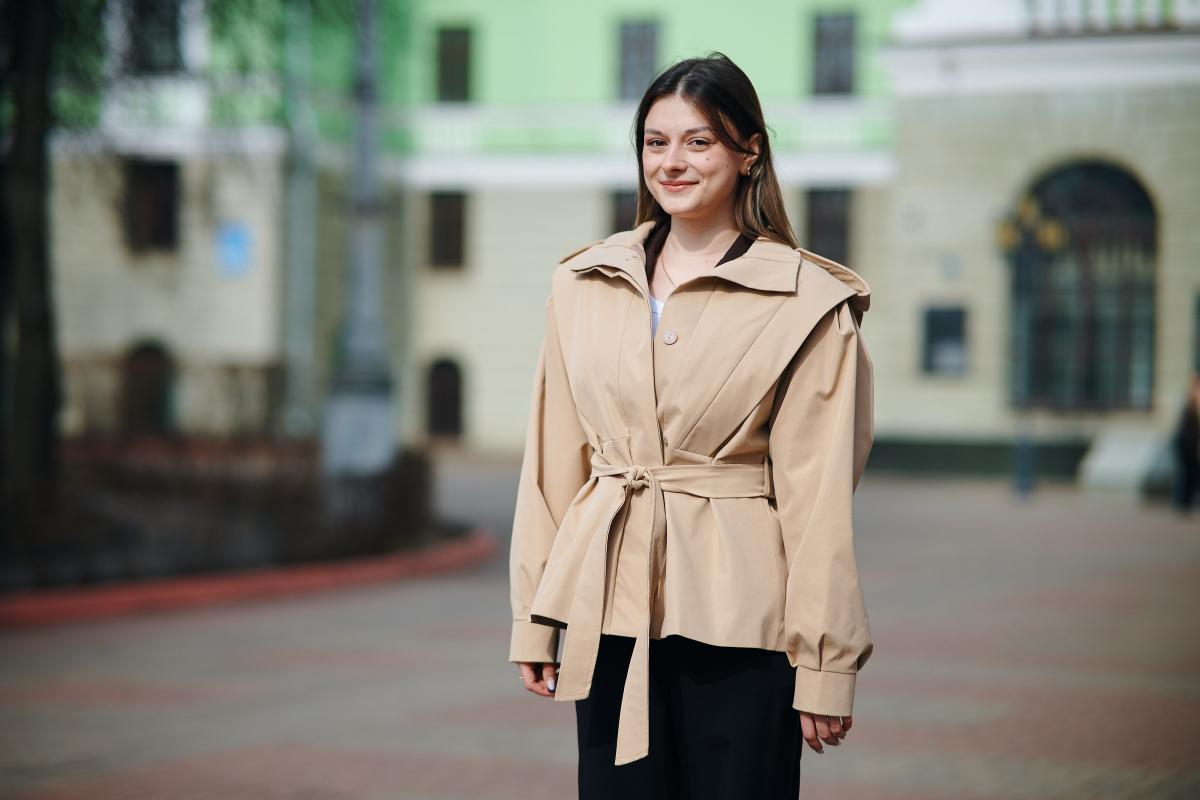
Elizaveta Mishkova's story is more than just a personal success. It is an answer to the question of what an engineer can be in the 21st century: not just a tech-savvy specialist, but also a leader who can unite a team and someone who sees the human needs behind the numbers. In the Year of the Belarusian Woman, such examples take on a special significance, reminding us that engineering has long been a space of equal opportunities, where perseverance, passion, and the ability to take responsibility are more important than any stereotypes.
