Given the dynamic development of the road and transport infrastructure in the Republic of Belarus, the quality of engineering training is of particular importance. A successful example of this approach is the long-standing strategic partnership between the Department of Highways of the Faculty of Transport Communications and the Belavtodor Holding Management Company. In 2024, they launched a joint pilot project for practice-oriented student training. This initiative aims to strengthen the connection between education and the real needs of the road construction industry, ensuring a smooth transition for graduates from the classroom to the workplace. The project is being implemented by faculty from the department and leading specialists from the Belavtodor Holding Company, guaranteeing high-quality knowledge transfer and practical experience.
For reference: Belavtodor Holding Company is the largest association of road construction enterprises in the Republic of Belarus. Its organizations carry out a range of projects involving the reconstruction, major repairs, and construction of highways, bridges, and transport infrastructure. The geography of their activities covers both domestic and international projects, requiring specialists with a high level of competence and a willingness to solve non-standard engineering problems.
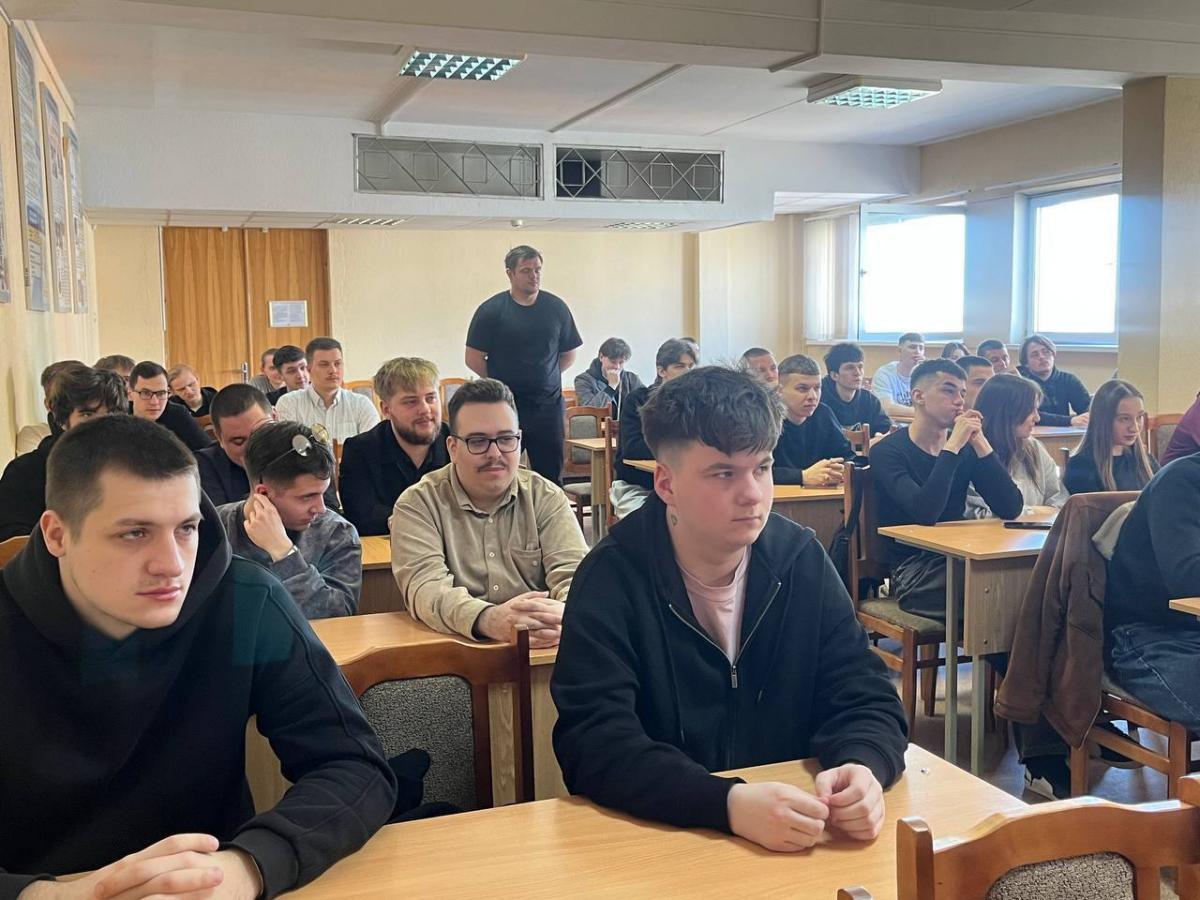
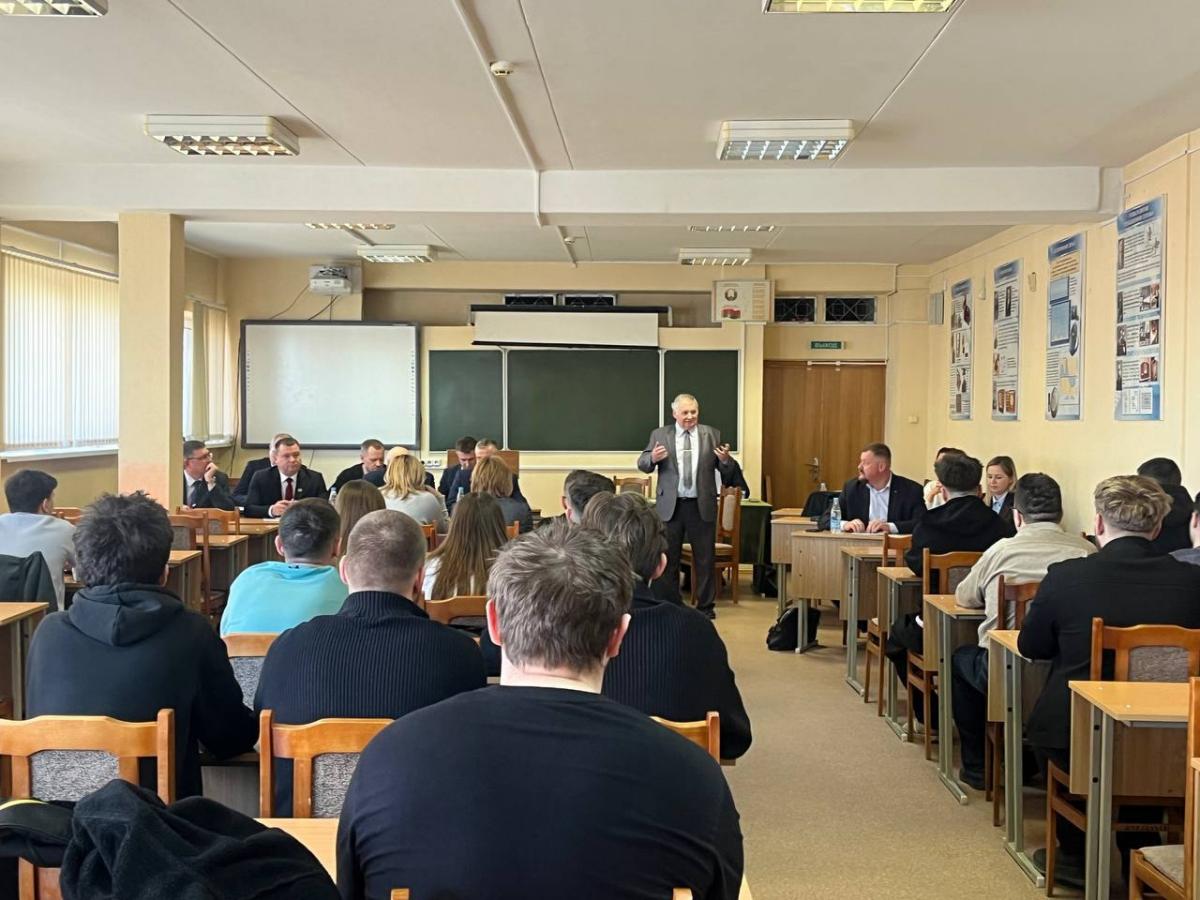
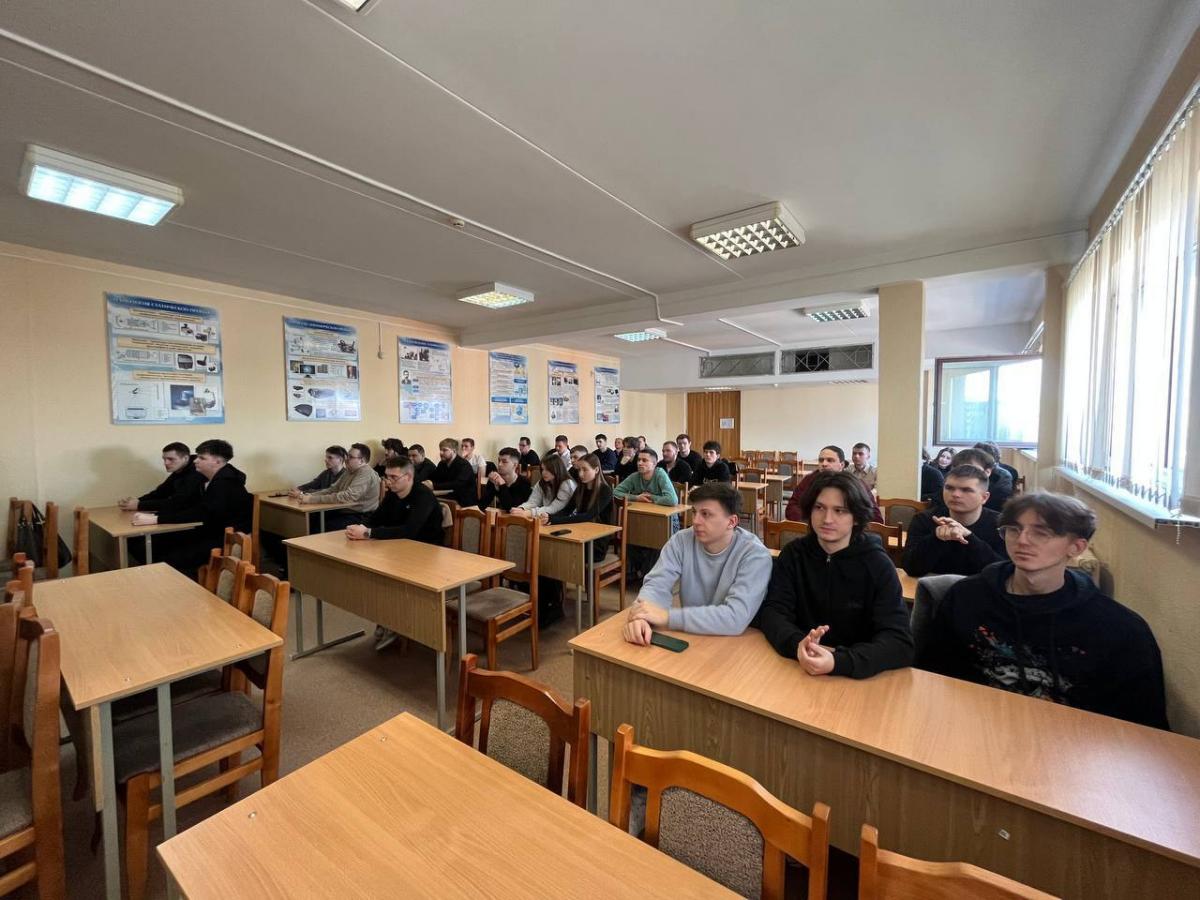
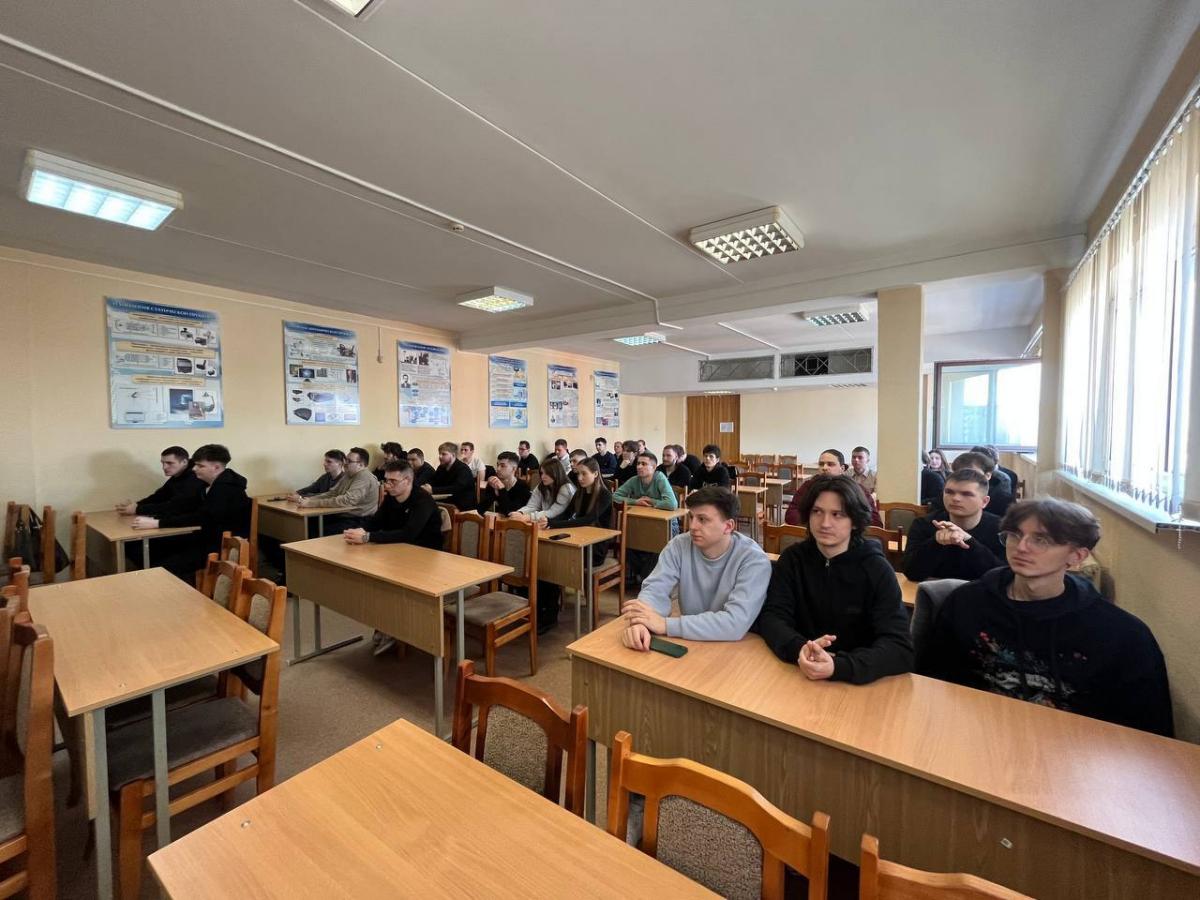
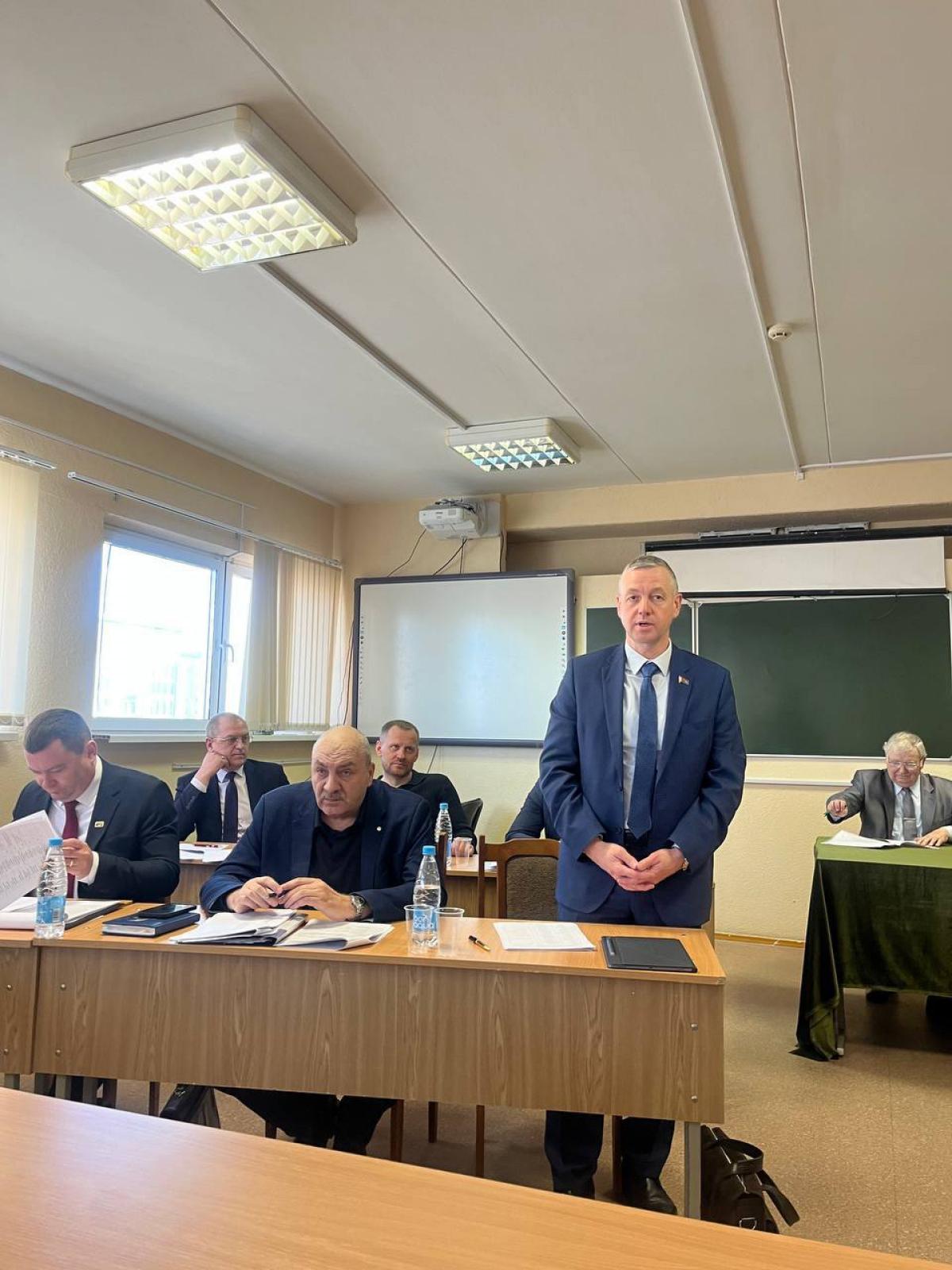
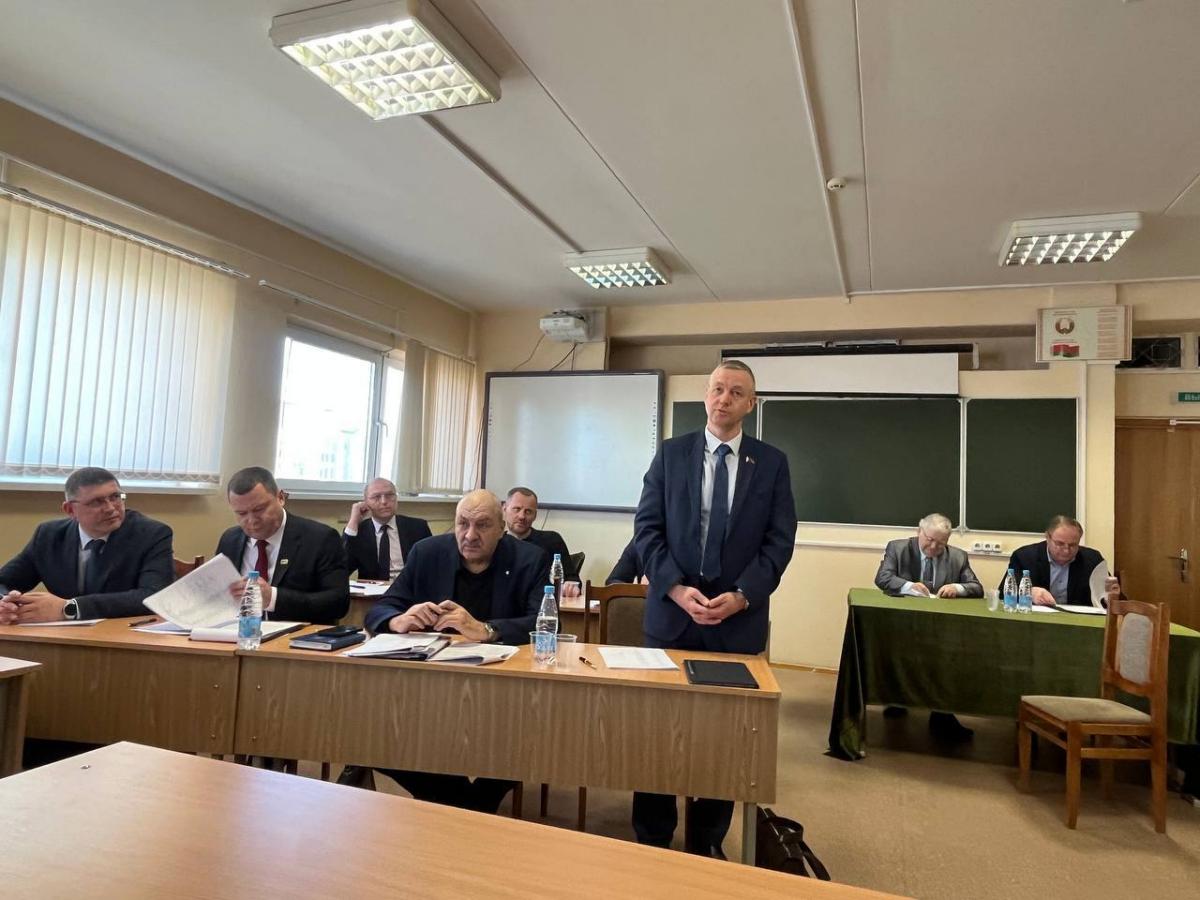
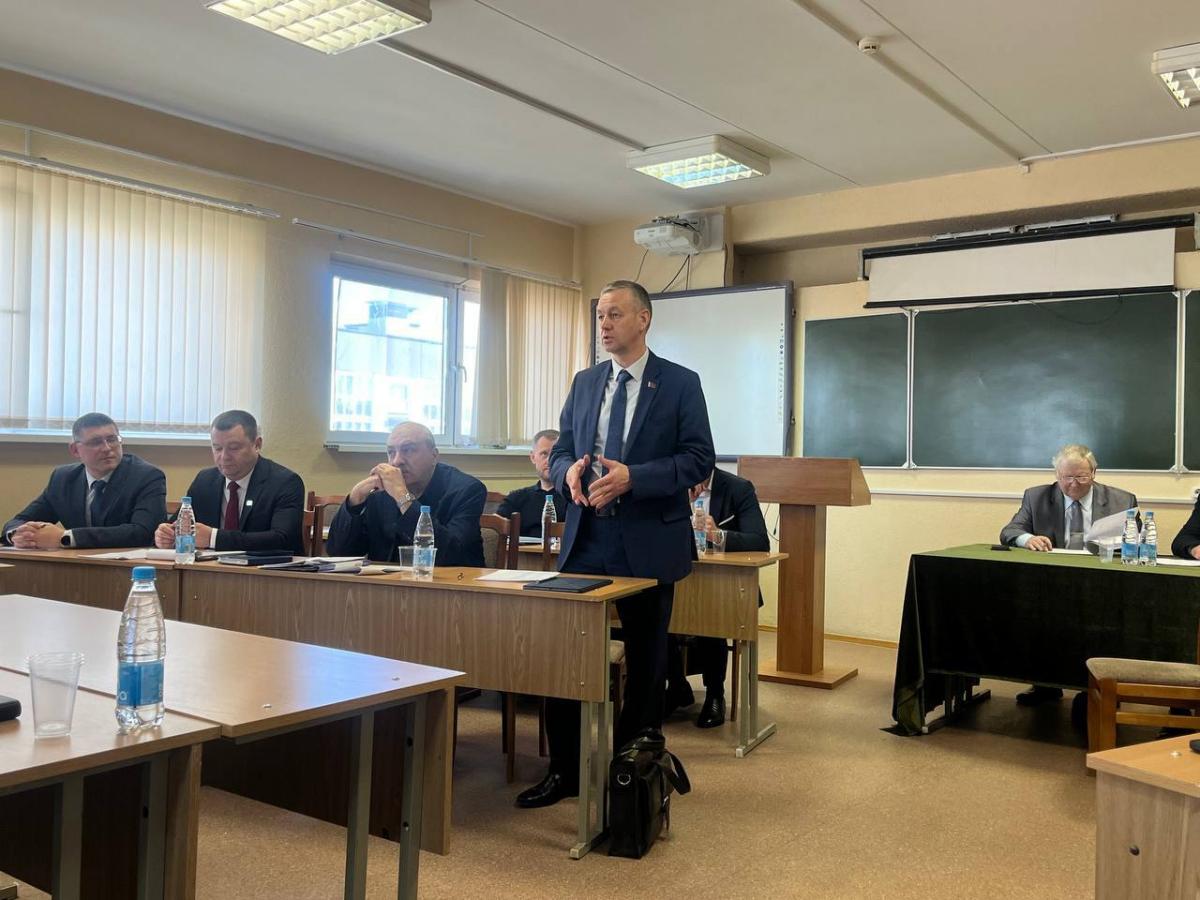
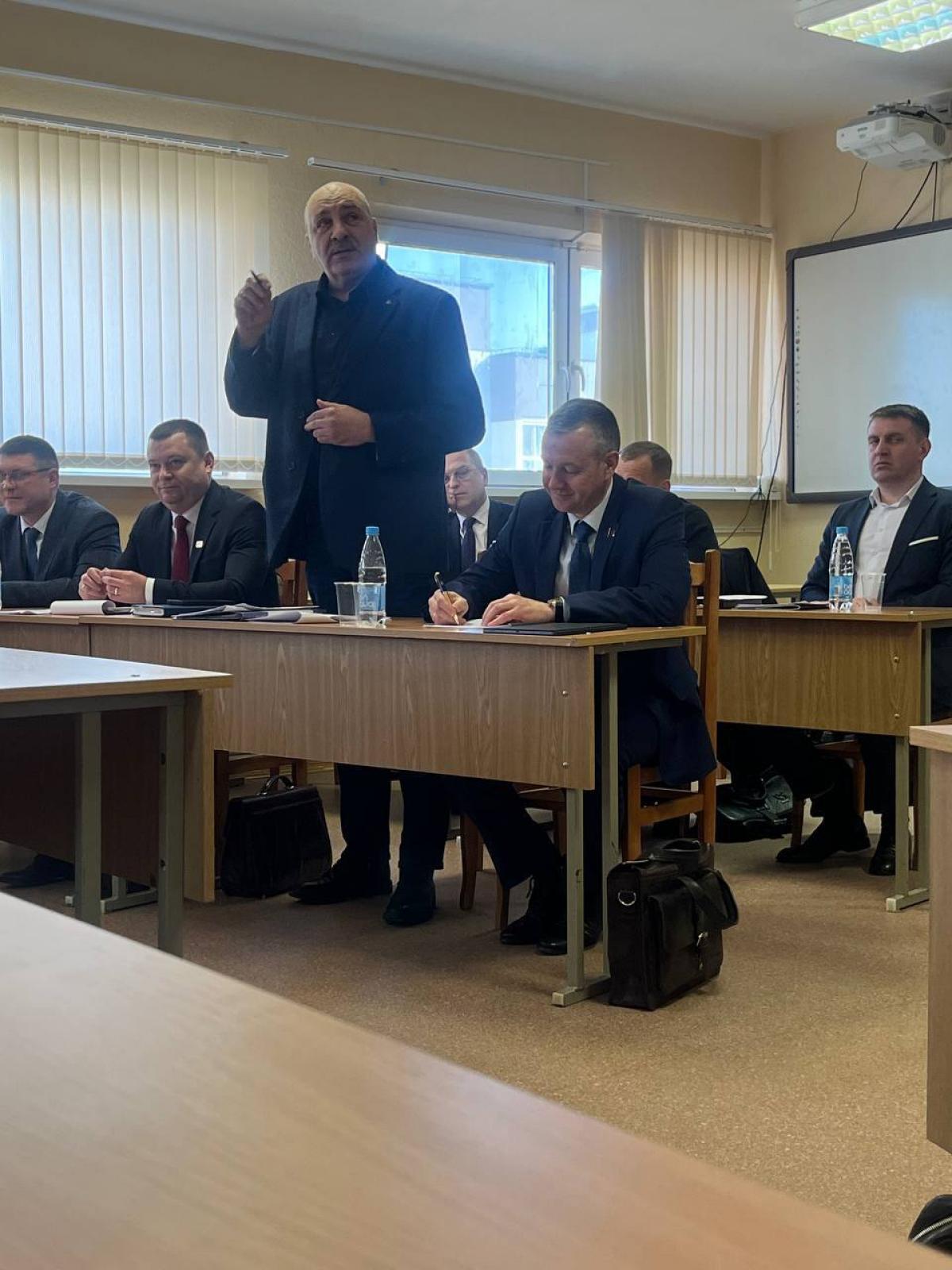
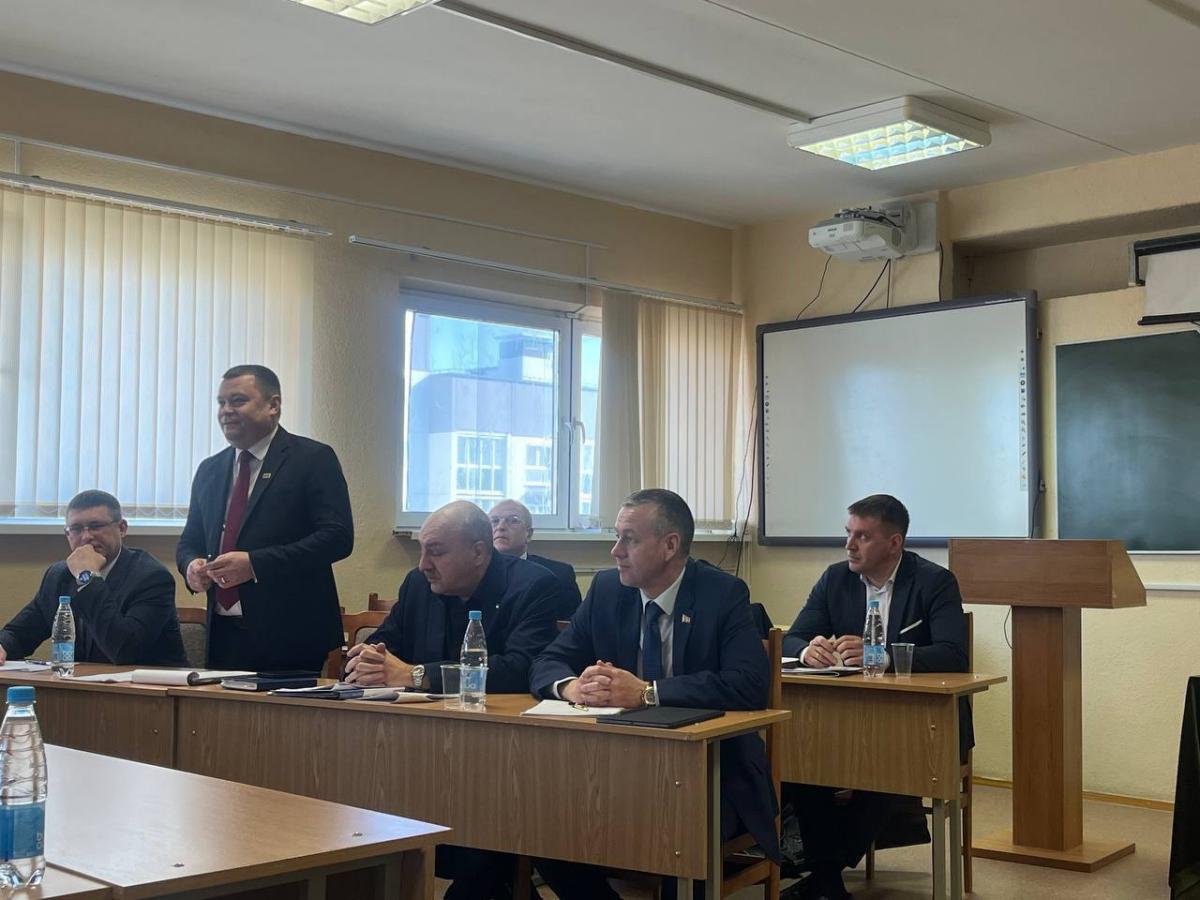
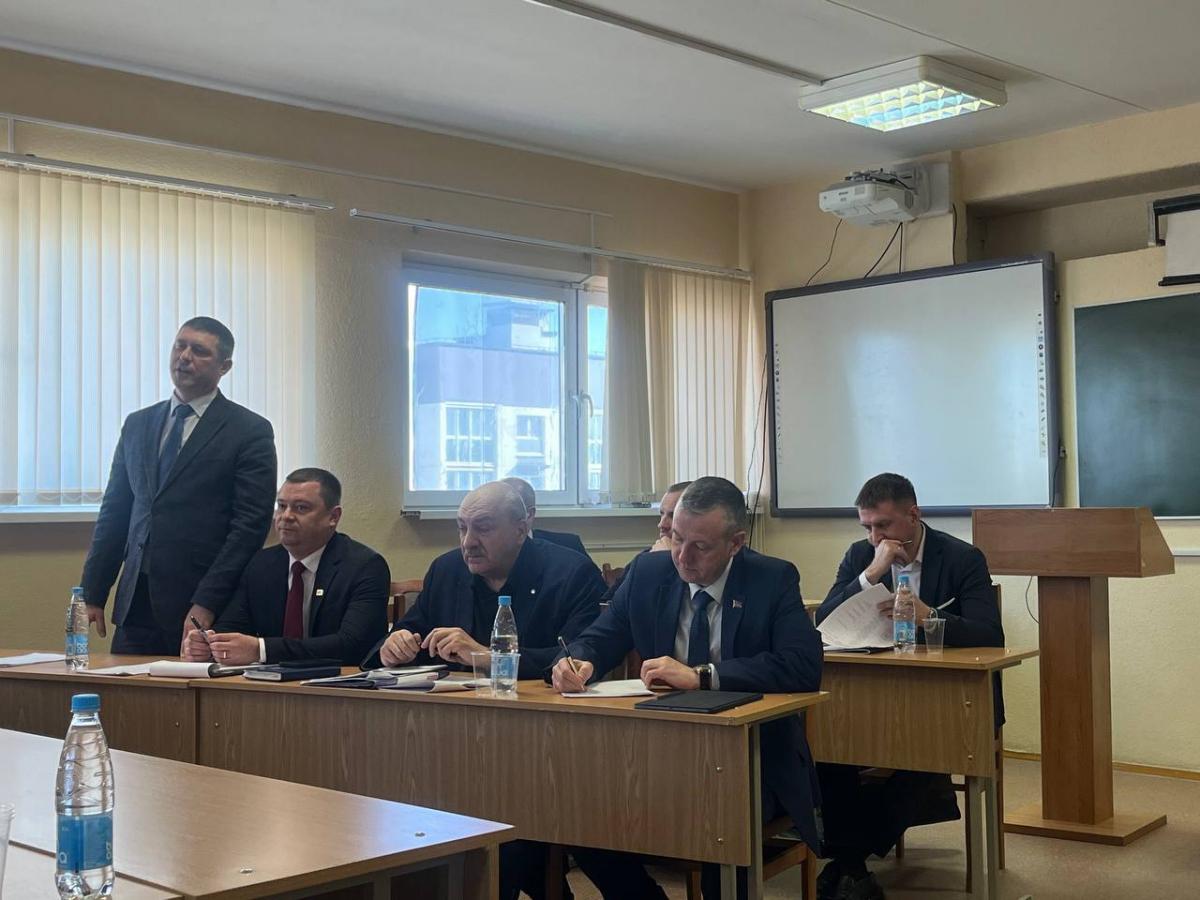
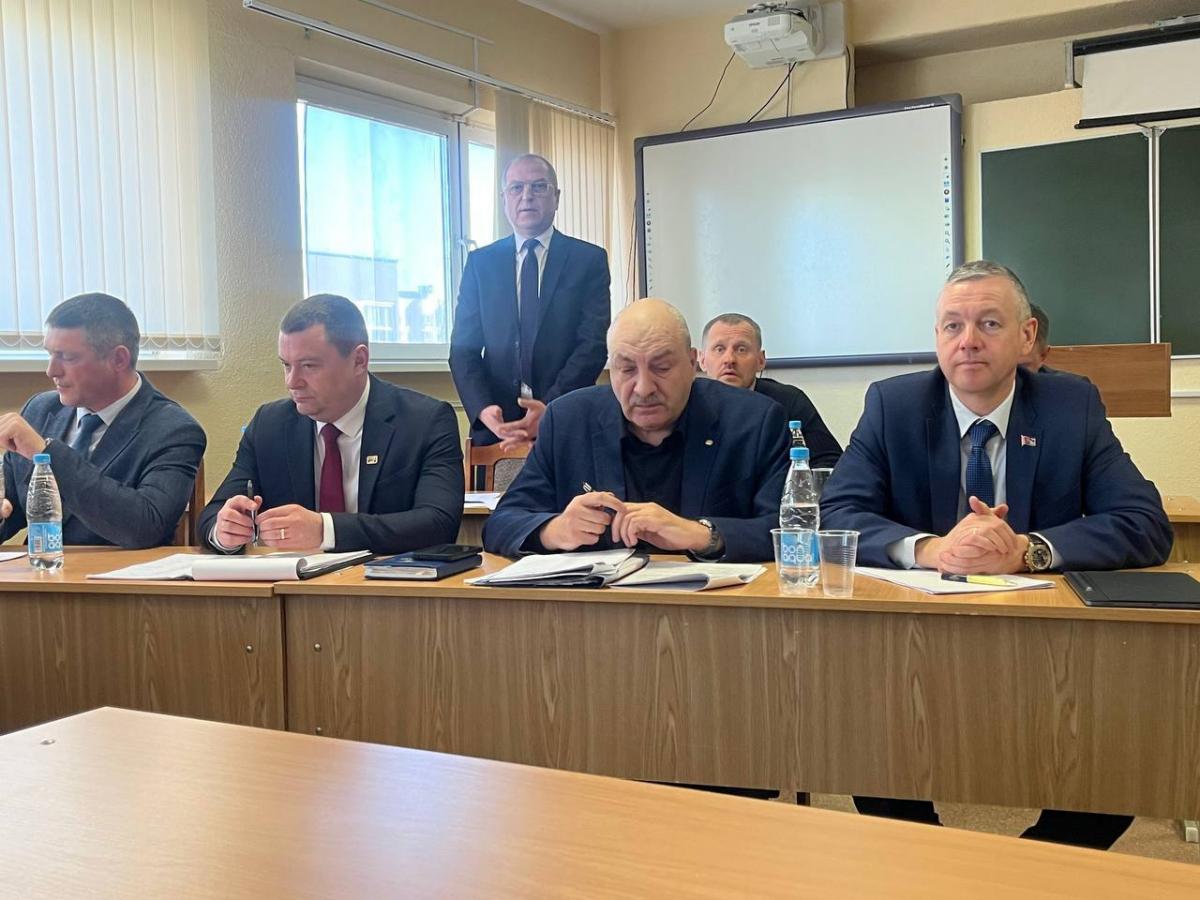
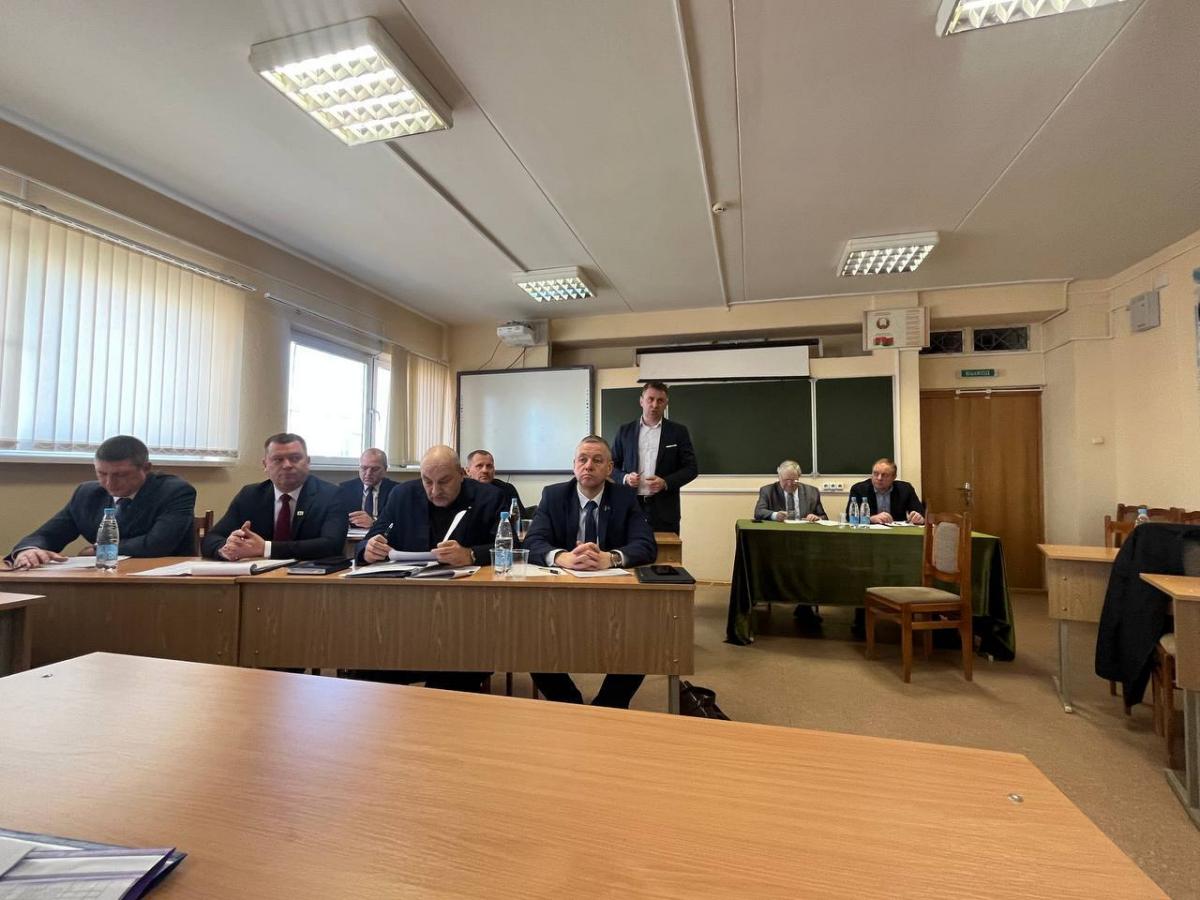
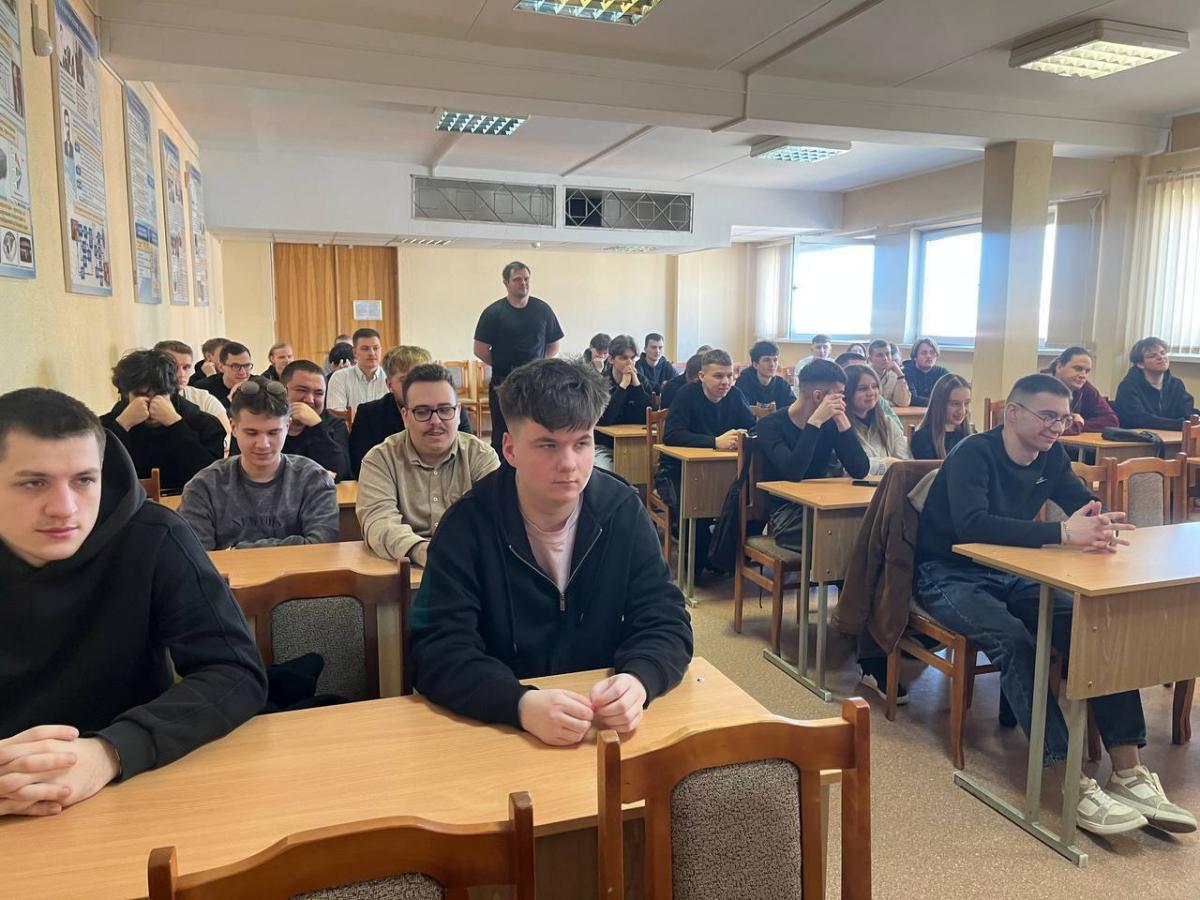
Fifth-year students majoring in "Highways" successfully passed their state exams in early March 2026 and began their graduation project. A well-chosen graduation project topic allows students not only to demonstrate their skills to the committee but also to establish themselves as specialists for a specific enterprise, which is made possible through interactions between students and representatives of hiring managers. It was for this purpose that a meeting between graduating students and representatives of Belavtodor was organized.
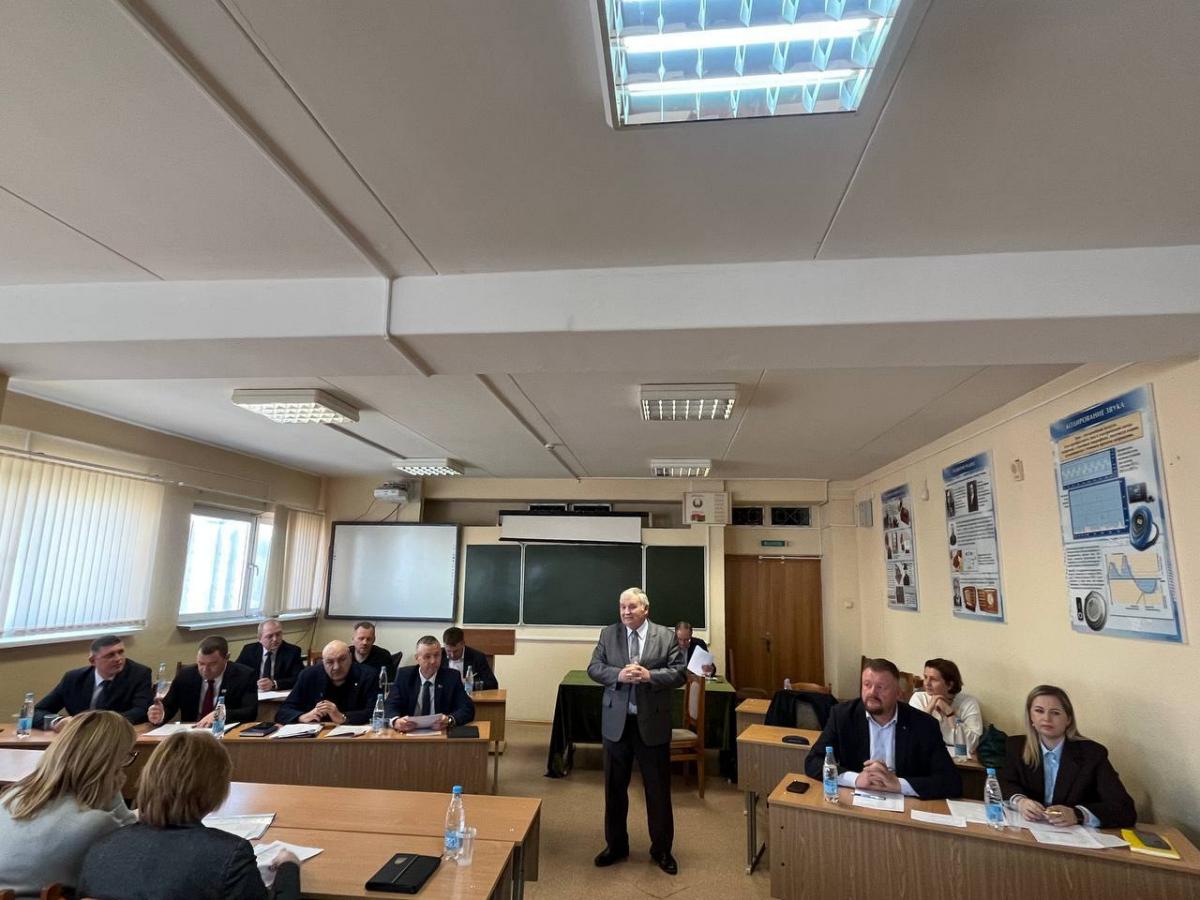
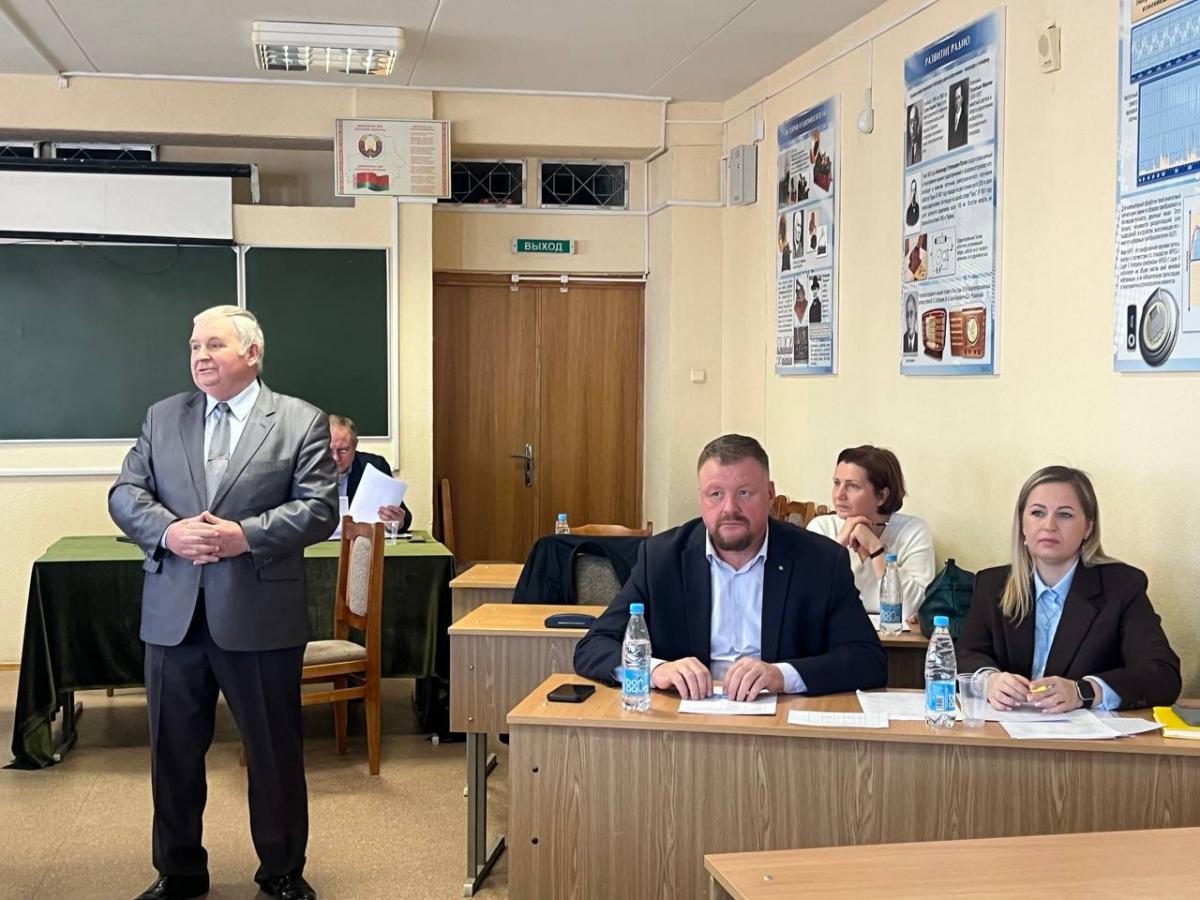
The meeting was opened by Faculty Dean Sergei Kravchenko. Addressing the audience, he reminded them that a diploma is not just a document, but a first professional project that can become the start of a successful career. He thanked the production workers for their willingness to share their experiences and encouraged the students to make the most of this dialogue: discuss technologies, ask questions about personnel requirements, and propose their own ideas.
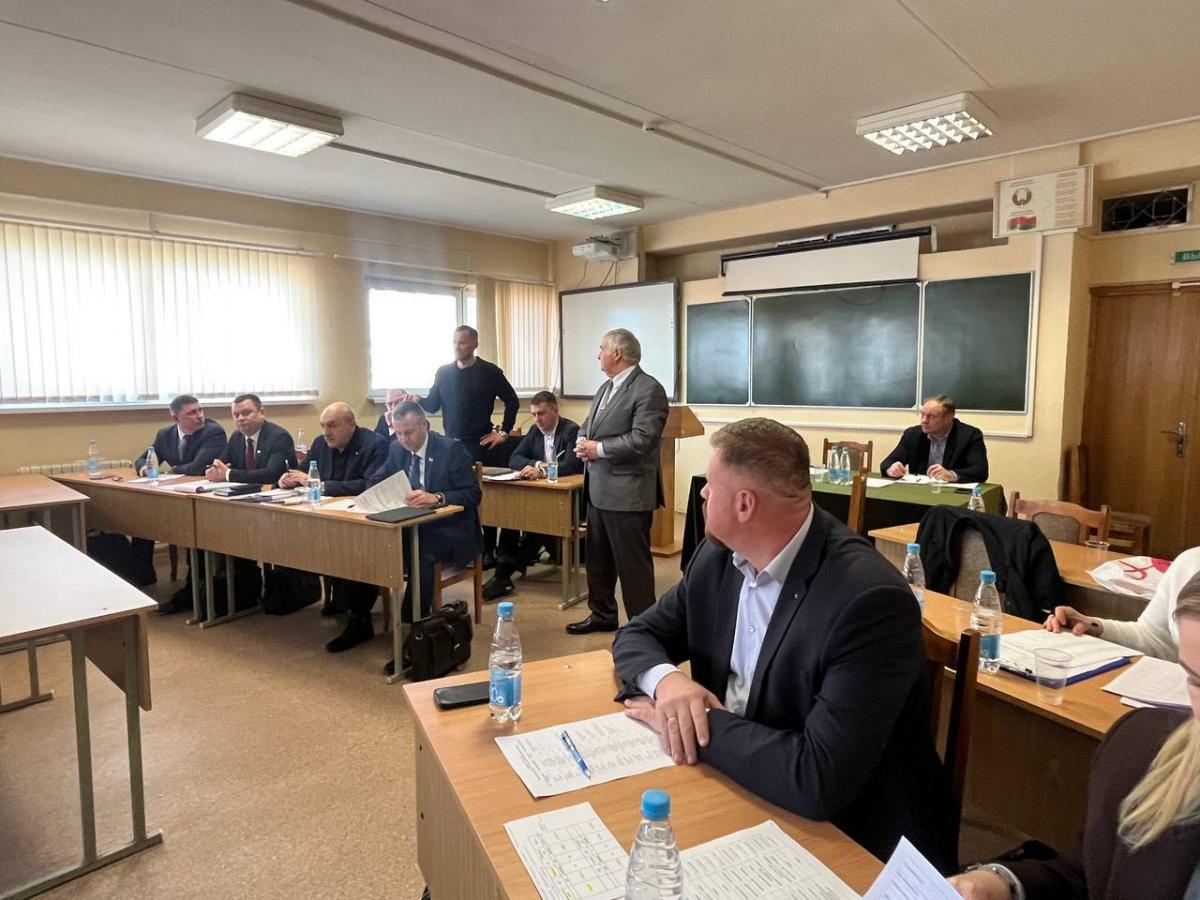
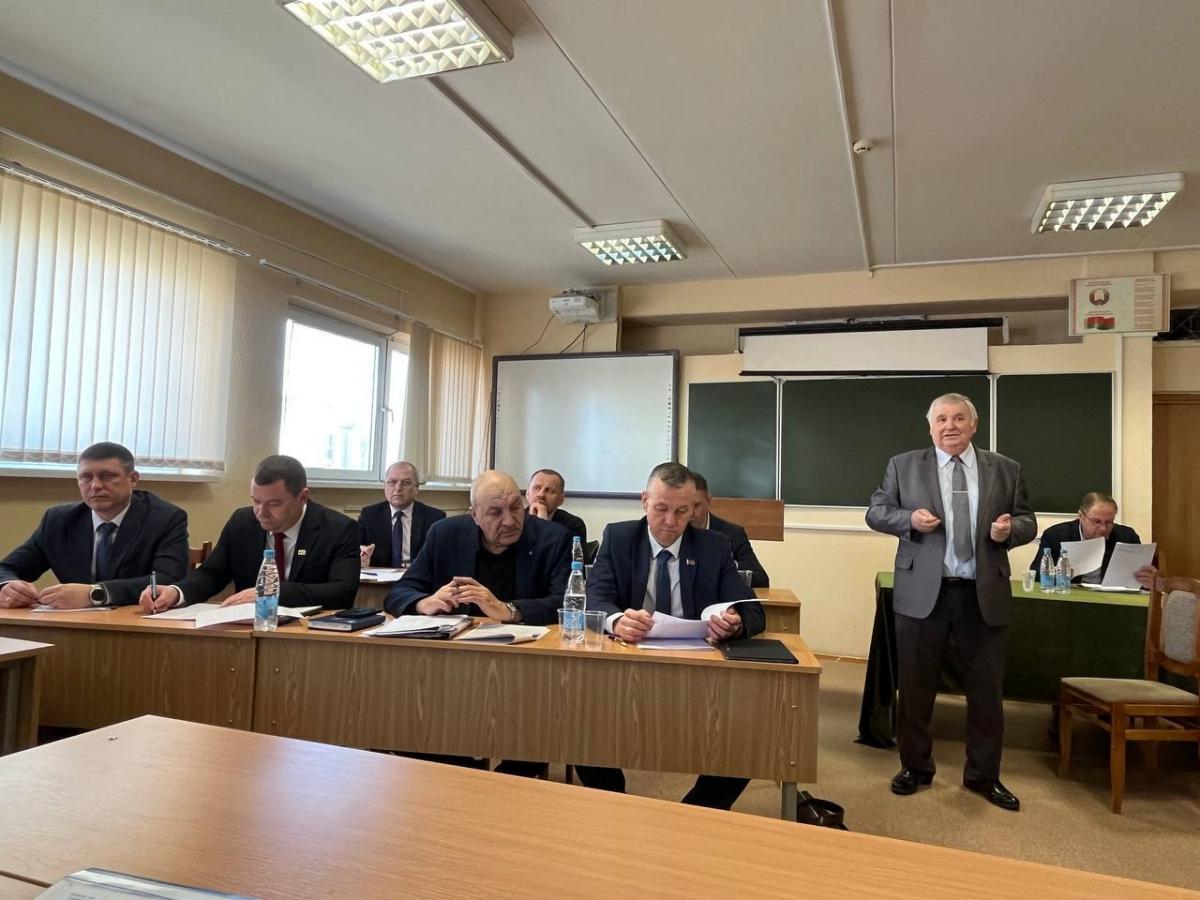
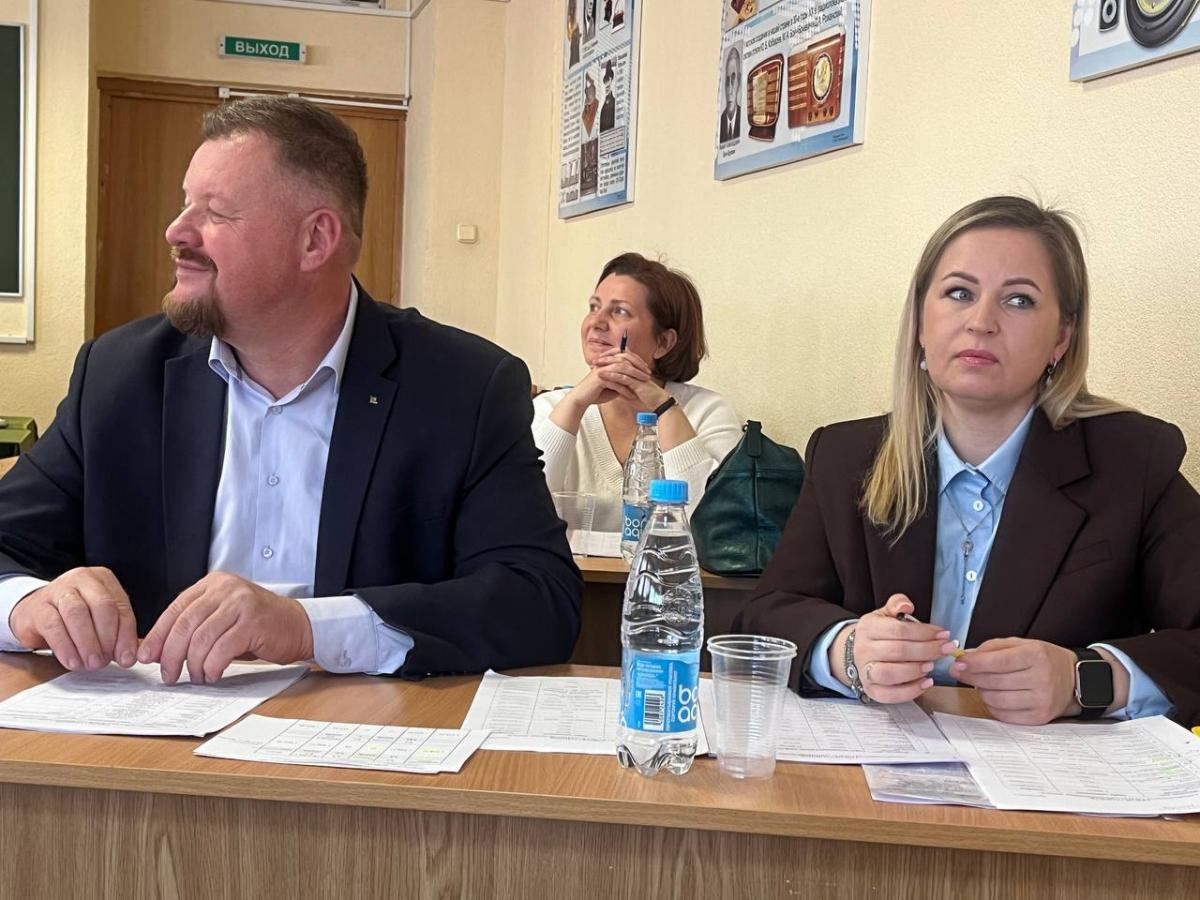
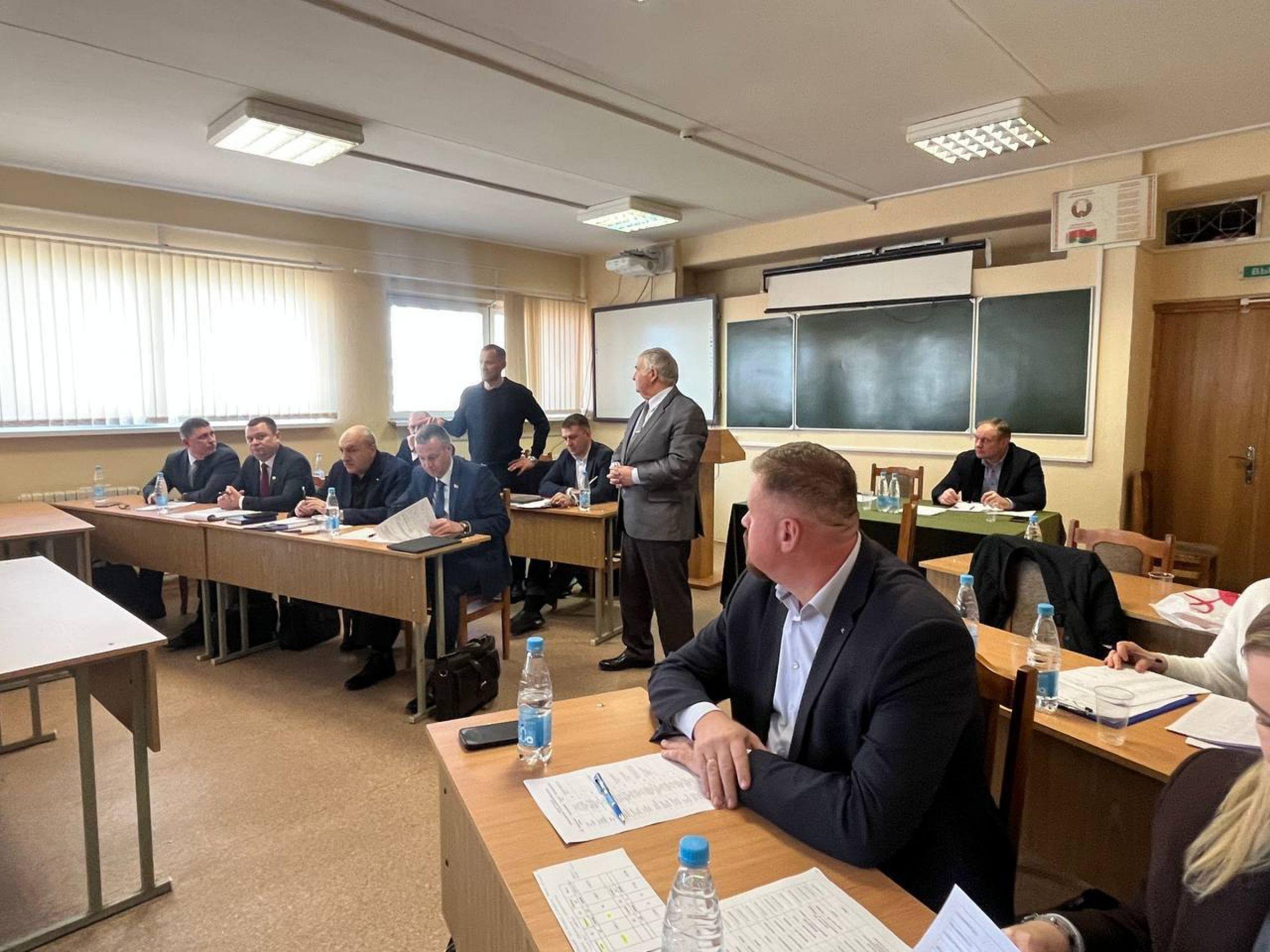
Representatives of road construction trusts (DSTs) from all regional centers of the country participated in the meeting, demonstrating the high level of interest among industry companies in training qualified personnel.
Aleksandr Avramenko, First Deputy General Director of the holding, also addressed the students with a welcoming address. He highlighted current issues in the development of the road construction industry, including the need to implement resource-saving technologies, modernize the material and technical base, and improve the quality of design work. Priority areas requiring the participation of young specialists were identified.
Also speaking were Yuri Germanov, Head of the HR and Specialized Work Sector at JSC DST-1, Vitebsk; Vladimir Mitkov, General Director of JSC DST No. 2, Gomel; Valery Polyakevich, General Director of JSC DST No. 3, Mogilev; Denis Kirisik, First Deputy General Director and Chief Engineer of JSC DST No. 4, Brest; Anatoly Fikov, General Director of JSC DST No. 5, Minsk; Denis Monit, General Director of JSC SMT No. 8, Minsk; Vadim Bondarev, General Director of JSC DST No. 6, Grodno; and Yuri Baranovsky, Director of JSC DSU-45, Vitebsk.
At the meeting, representatives of leading industry companies presented their companies, emphasizing their technical equipment and the innovations they are implementing. The speakers didn't limit themselves to generalities: they detailed the specifics of production processes and demonstrated examples of modern technologies that young professionals will be working with. Particular attention was paid to talent needs. Employers clearly outlined which competencies are most in demand today and which positions are open to graduates.
Student questions after the presentations became an important part of the event, fostering active dialogue.