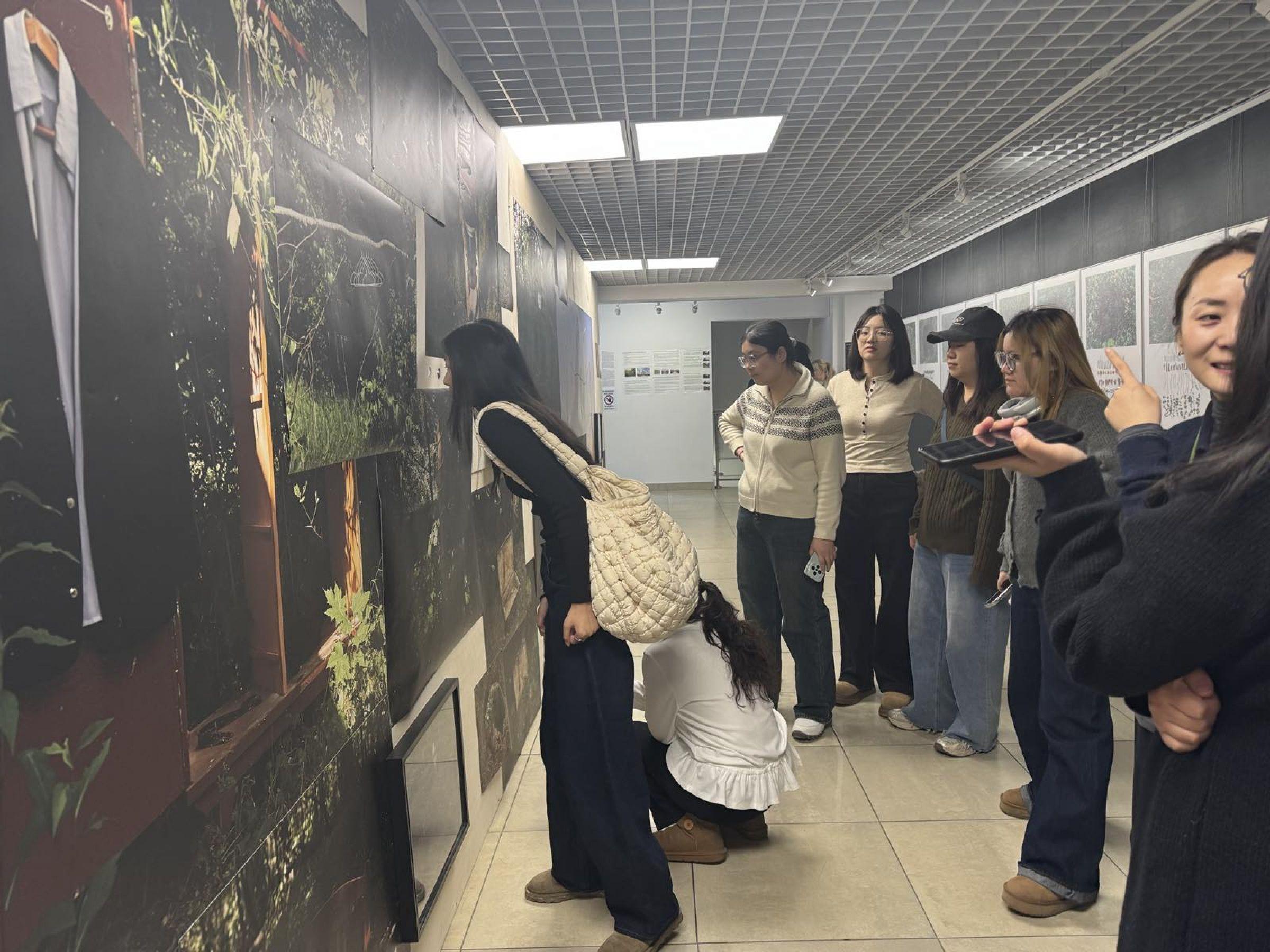
Living and studying in another country is a true test of one's mental well-being. While working with Chinese master's and doctoral students, faculty members noted that hard work and a desire to learn are not enough to achieve academic success. That's why, as part of PhD student Lan Zhaoyan's research project, "Leisure and Educational Activities of International Students in Belarus," an entire adaptation ecosystem was created for Chinese master's students majoring in design in the Industrial Design and Packaging Department. This isn't just entertainment, but a well-thought-out mix of lectures, workshops, excursions, themed games, and meetings with experts. The goal is to help Chinese master's students integrate into the Belarusian environment as quickly and smoothly as possible.
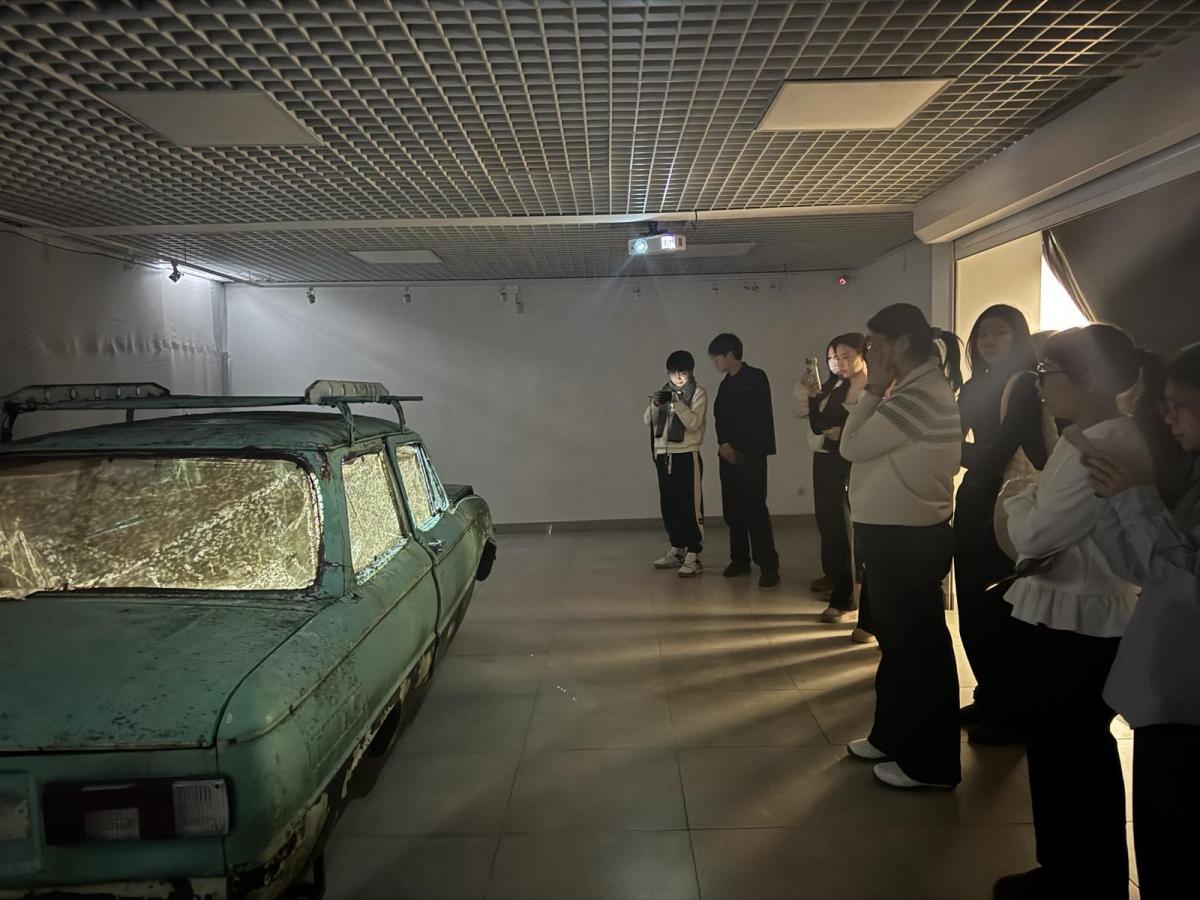
Not only master's students but also faculty members are actively involved in this work. Vera Sysoeva, Associate Professor of the Urban Planning Department, and graduate students from the Industrial Design and Packaging Department visited the "Eternally Green" exhibition project at the National Center for Contemporary Arts. Afterward, the department's graduate students went to the National Children's Technopark to publicly present projects by gifted and talented youth of Belarus.
The graduate students saw how work with gifted and talented youth is organized in Belarus, learned about the capabilities of the technopark's laboratory building, and interacted with students from the "Architecture and Design" laboratory. It was a moment when professional interest erases all boundaries and language barriers.
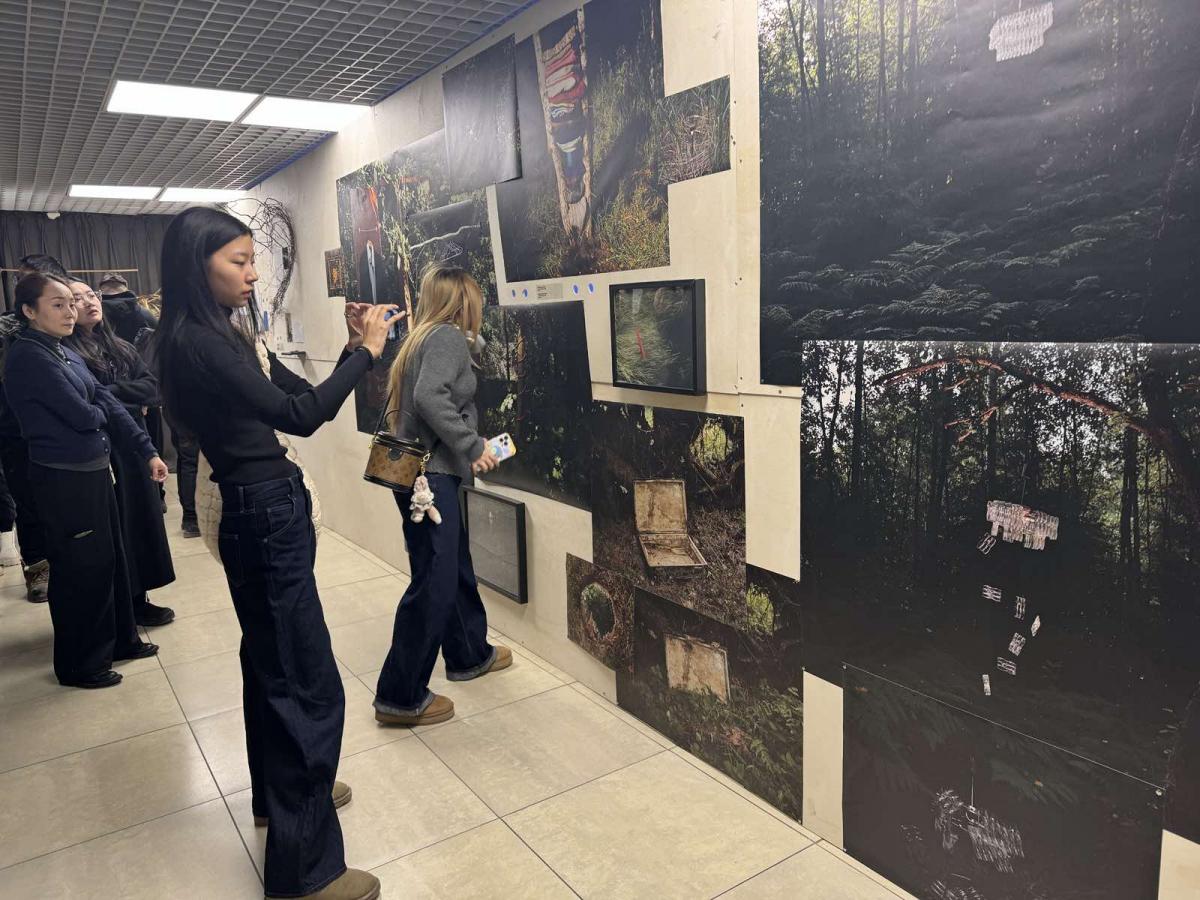
Through such lively interaction and a shared creative field, adaptation becomes a natural process. This practical experience can be useful for other universities across the country.
