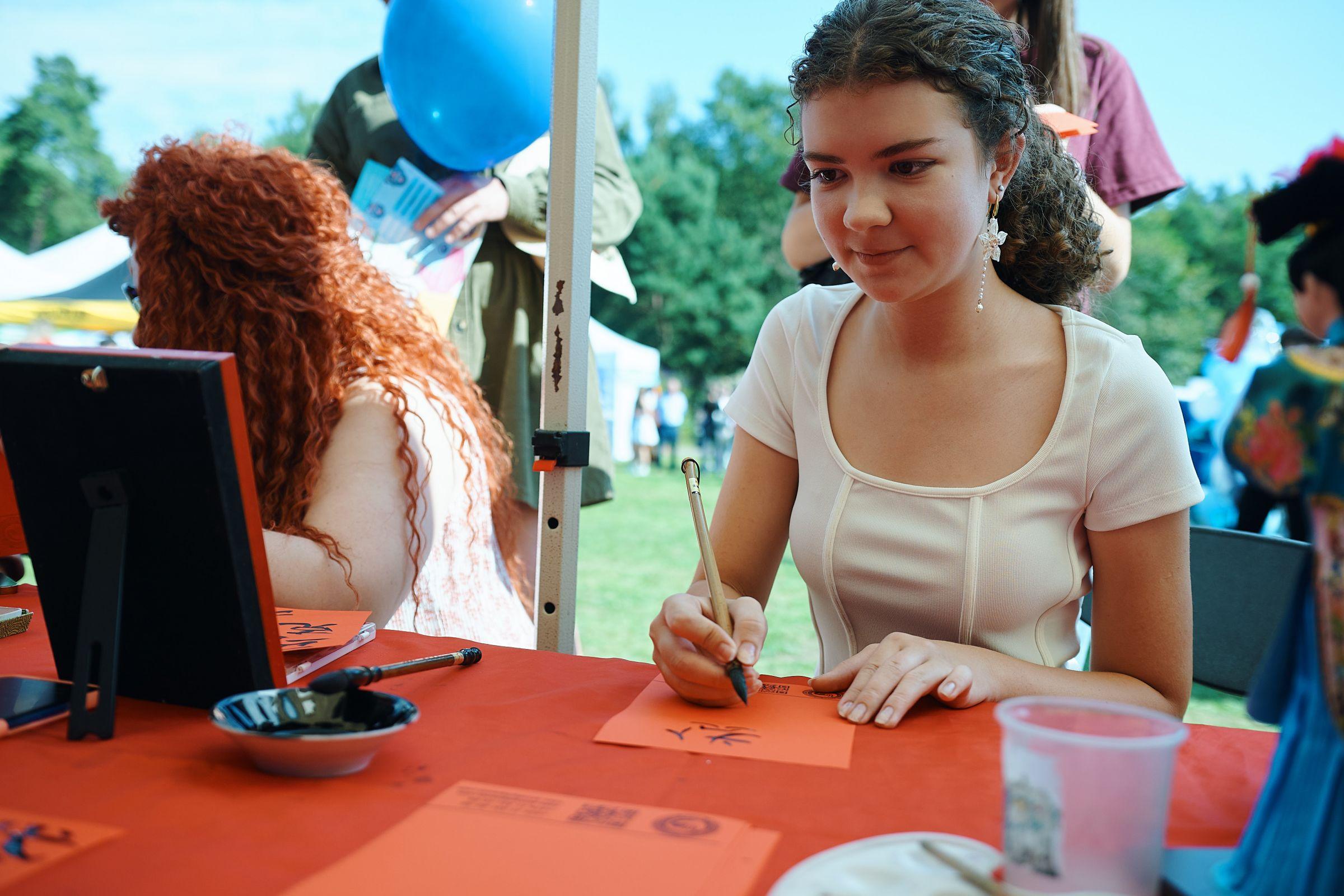
Today, September 6, the "Science Festival 2025" is taking place at the Central Botanical Garden of the National Academy of Sciences of Belarus. For the seventh year, the event has brought together young scientists, students, schoolchildren, and anyone interested in science. This year, warm weather, picturesque alleys, and a rich program made the festival especially crowded and vibrant.

The Belarusian National Technical University participated in two thematic areas: "University of the Future" and "100 Innovations of Young Scientists." The BNTU Council of Young Scientists organized BNTU's participation in the event.

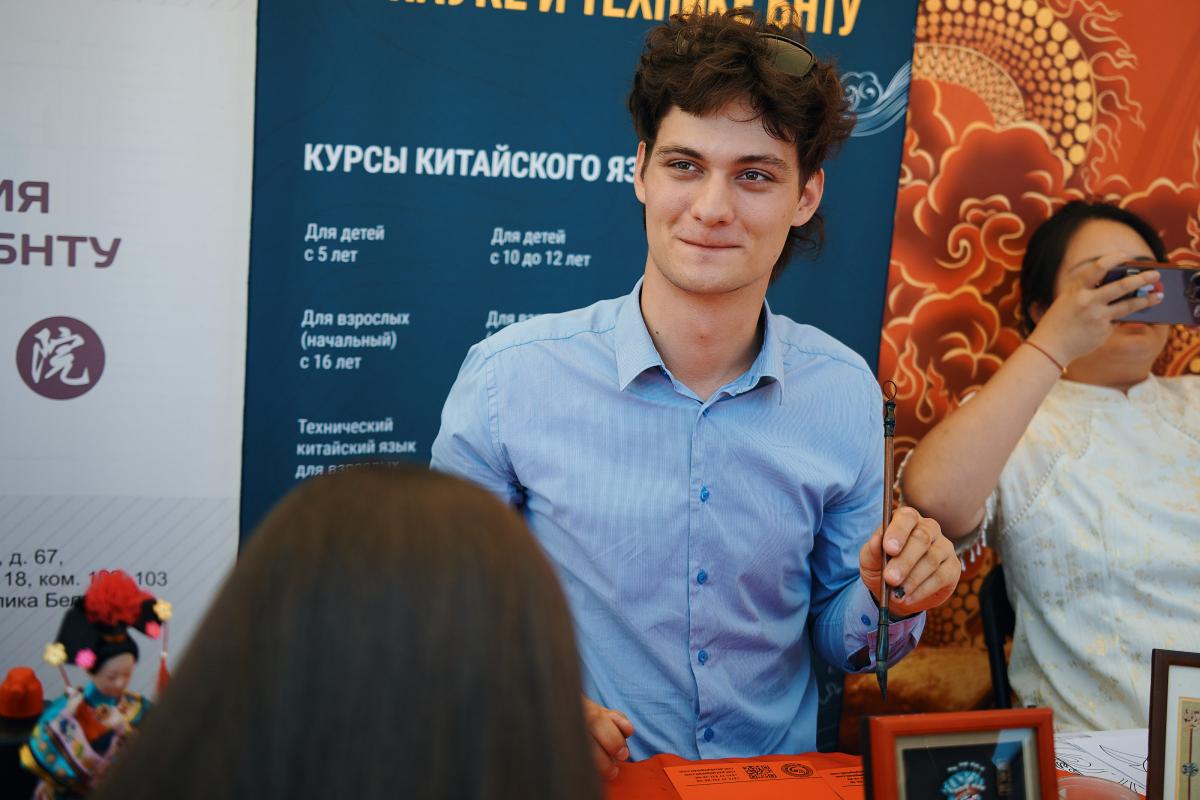
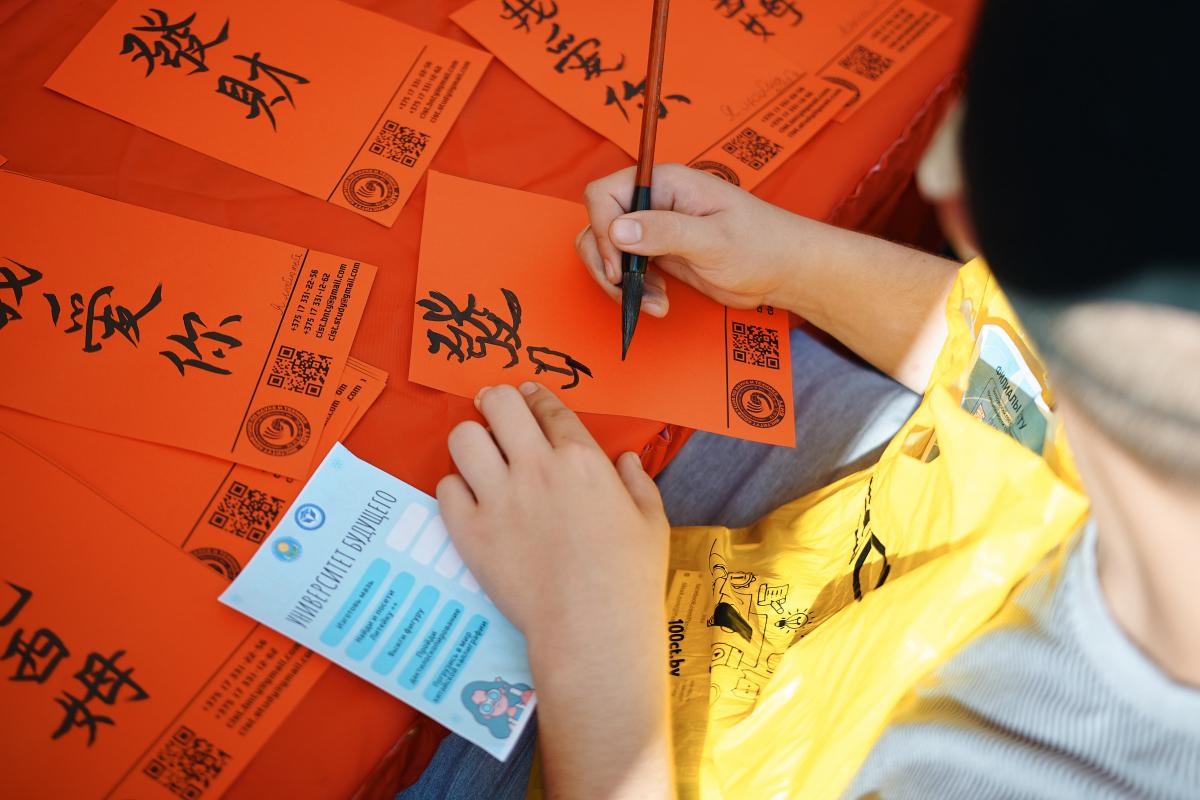
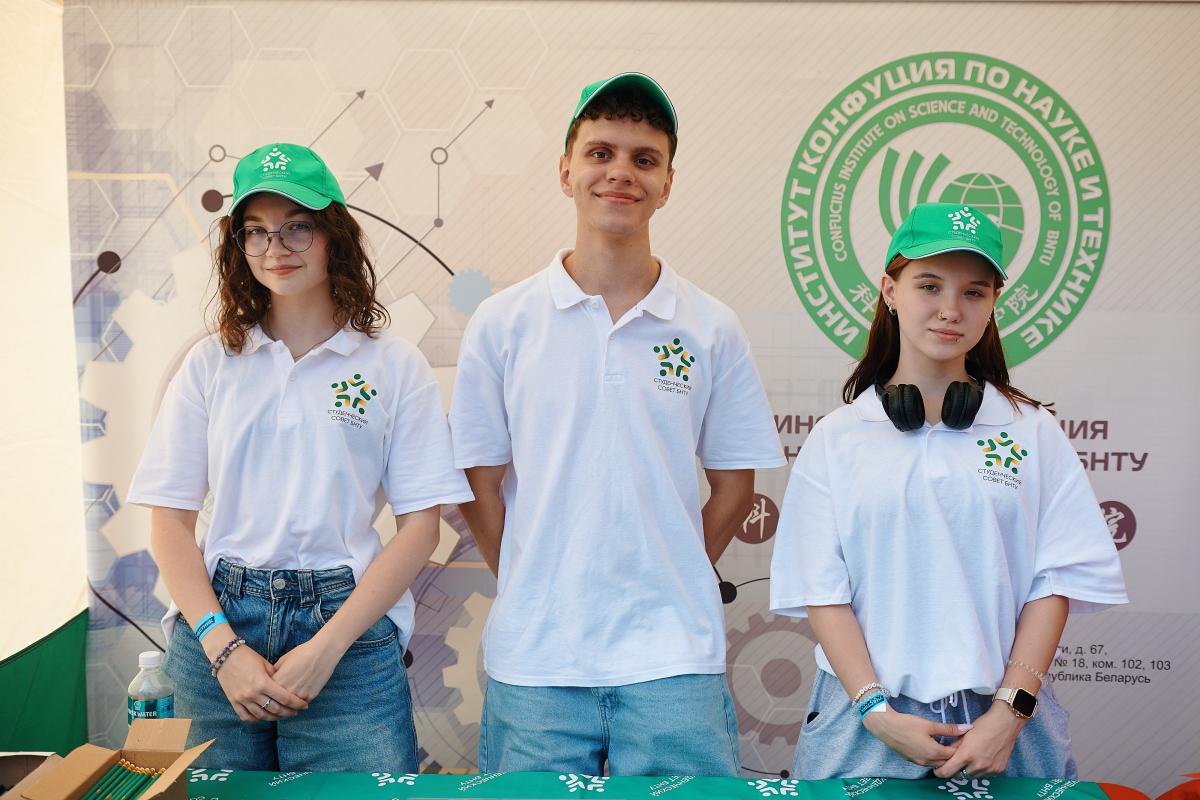
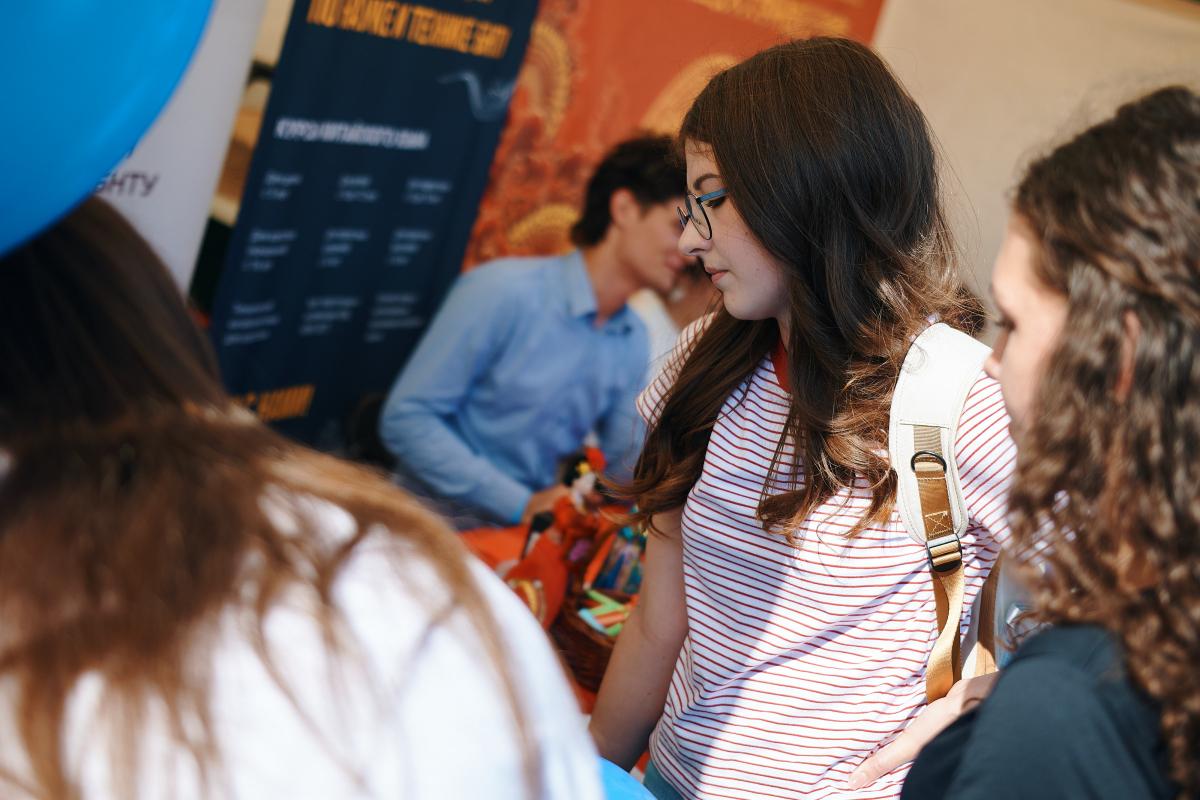
At the "University of the Future" area, BNTU showcased that the potential of tomorrow's education can be open, intercultural, and inspiring. The Confucius Institute for Science and Technology booth attracted attention not only with its vibrant design but also with its unusual elements of Chinese culture. Here, guests tried their hand at calligraphy, studied Confucian philosophy, learned about traditional Chinese objects, and even attended a mini-lesson in Chinese.
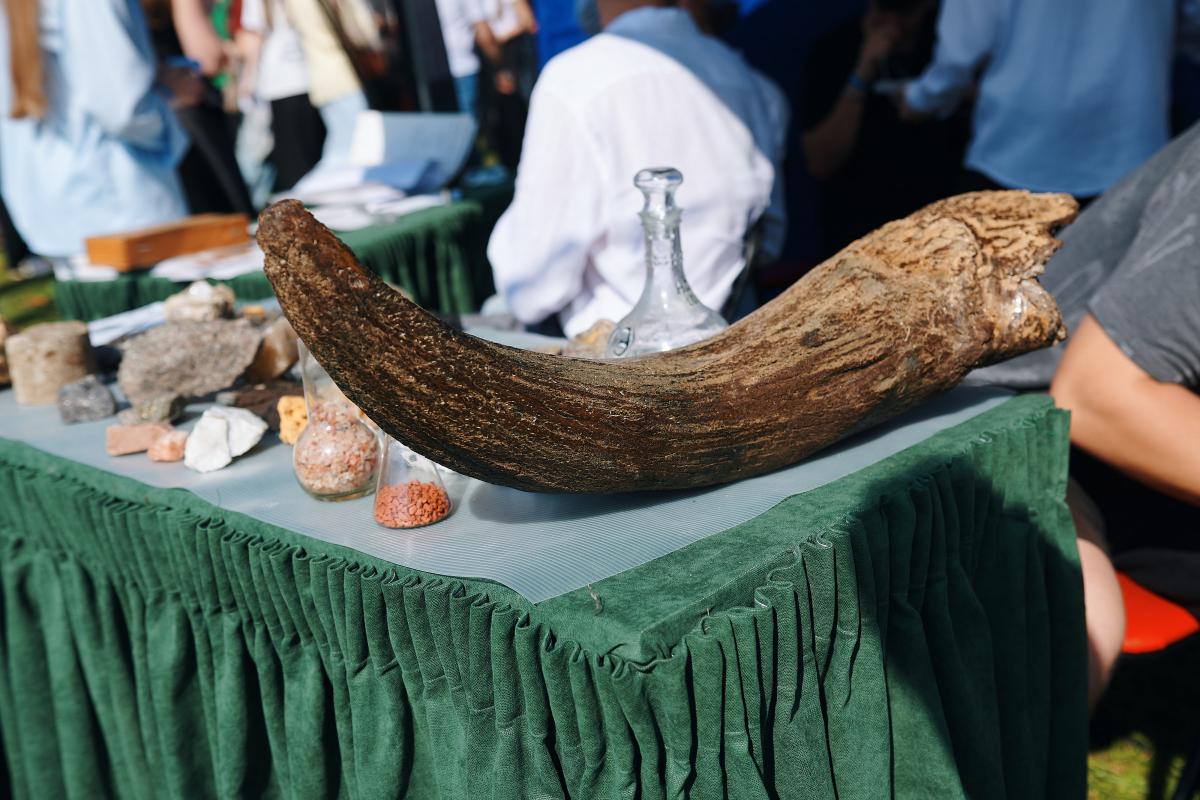
The Faculty of Mining and Environmental Engineering demonstrated that science can be understandable, engaging, and captivating. Models of mine workings, mineral collections, and stories about sustainable environmental management all became conversations, with future engineers explaining complex chemical and environmental processes in simple terms.
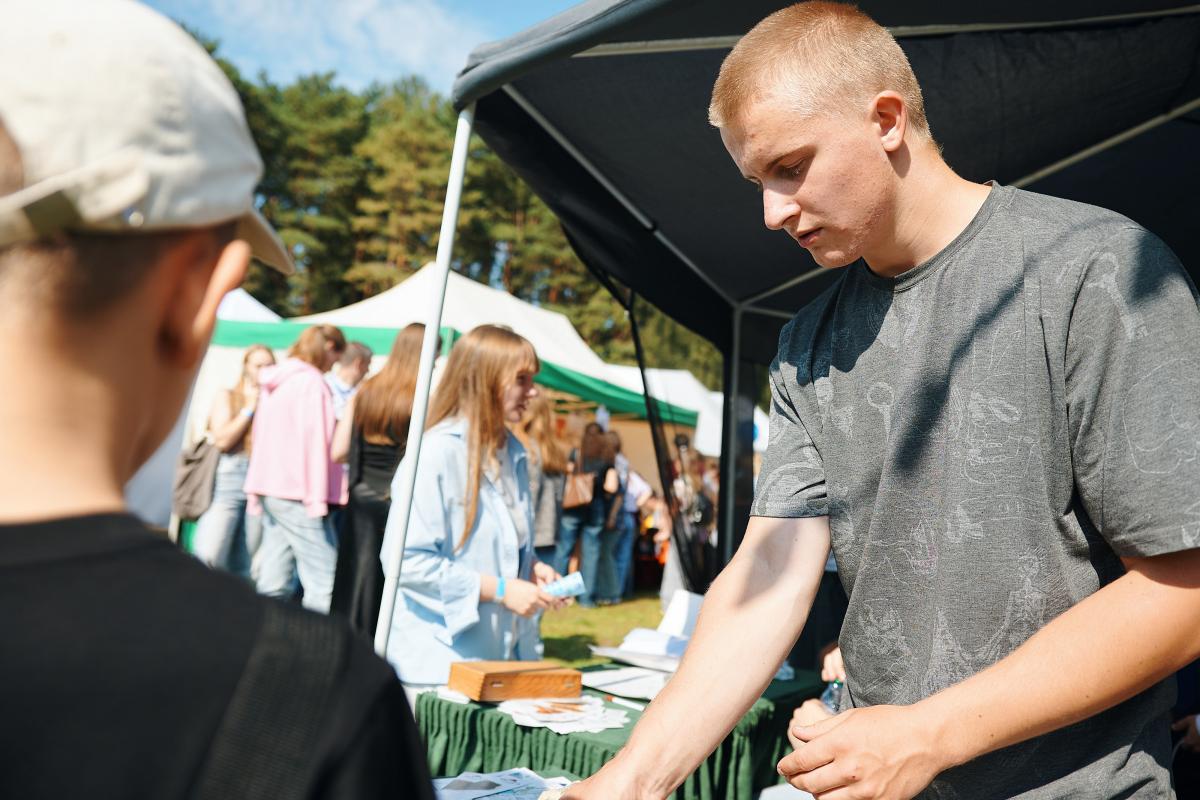
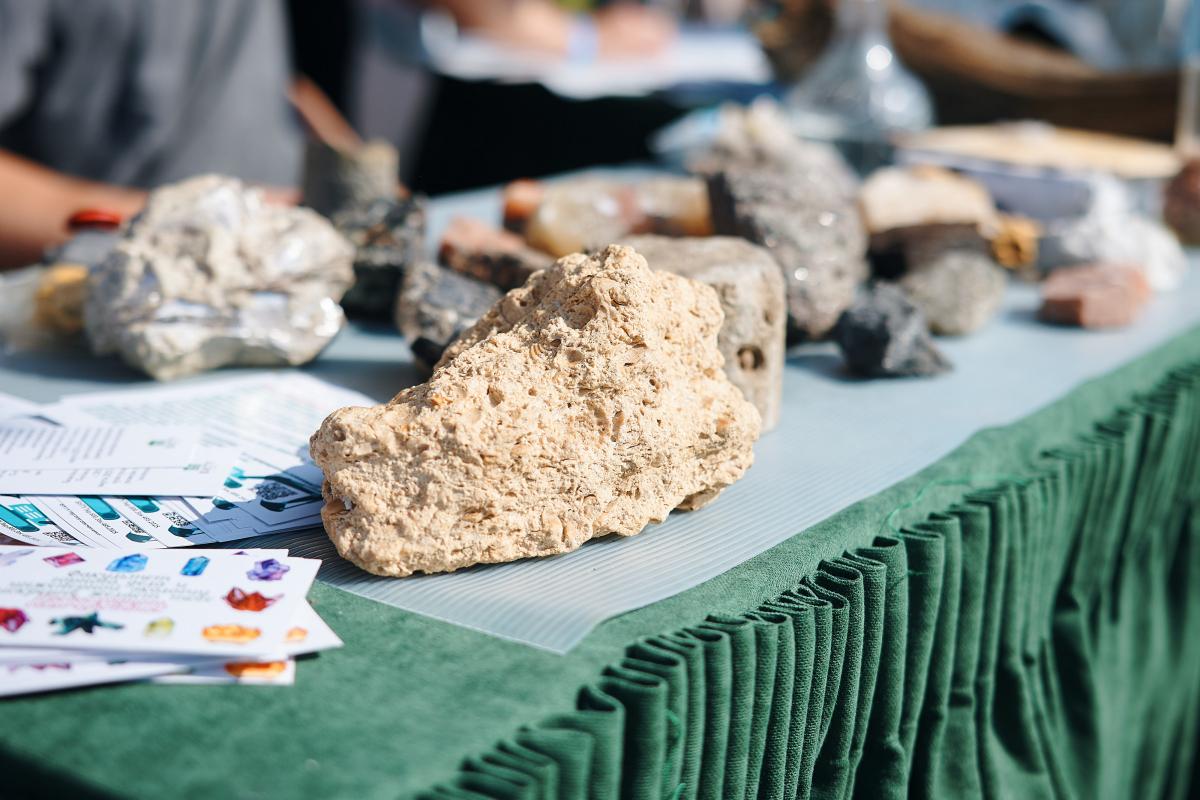
The guests were particularly delighted by a real rhinoceros tusk: children and teenagers literally ran up to the room, exclaiming, "That is the history!!" and asking with genuine interest where it came from and how it was found.
"Did you know that there's a flower that sacrifices itself for humans?" This was the riddle that began the interactive game prepared by the BNTU student council. The game's questions weren't easy—both children and adults puzzled over them—but this created the very atmosphere of lively curiosity when science becomes a game.

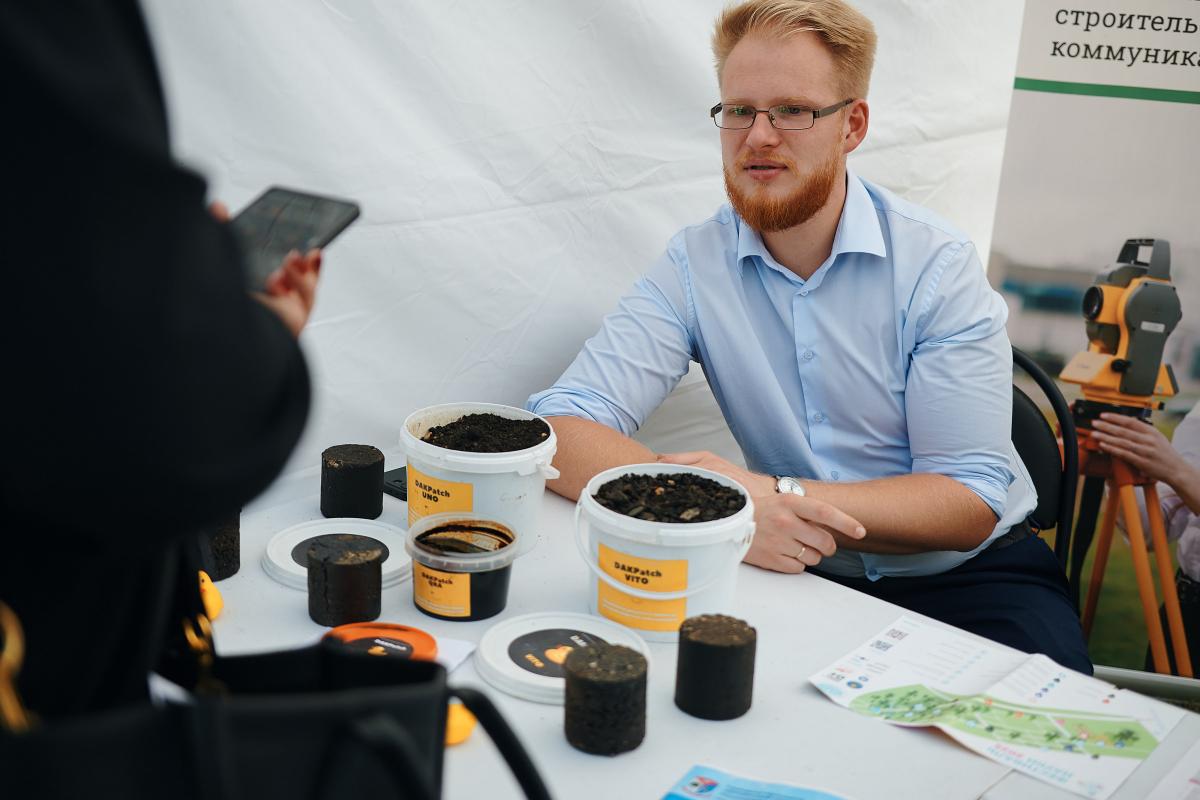
At the "100 Innovations of Young Scientists" platform, the Polytechnic University presented the developments of its young scientists. For example, Yegor Zhukovsky, Deputy Dean of the Faculty of Transport Communications, presented the development of a road-asphalt composite. This innovative material was created using waste from oil refining and mining. It requires no surface preparation and can be used to repair potholes of any size.
– Its main advantage is its simplicity: no need to pre-clean the surface; just sprinkle it, tamp it down, and move on. The name DAKPatch is no accident. Firstly, it sounds similar to the English word "duck." Secondly, the principle of laying the material resembles the movement of a duck: you simply tread on the surface to compact it, – Yegor Zhukovsky described the technology.

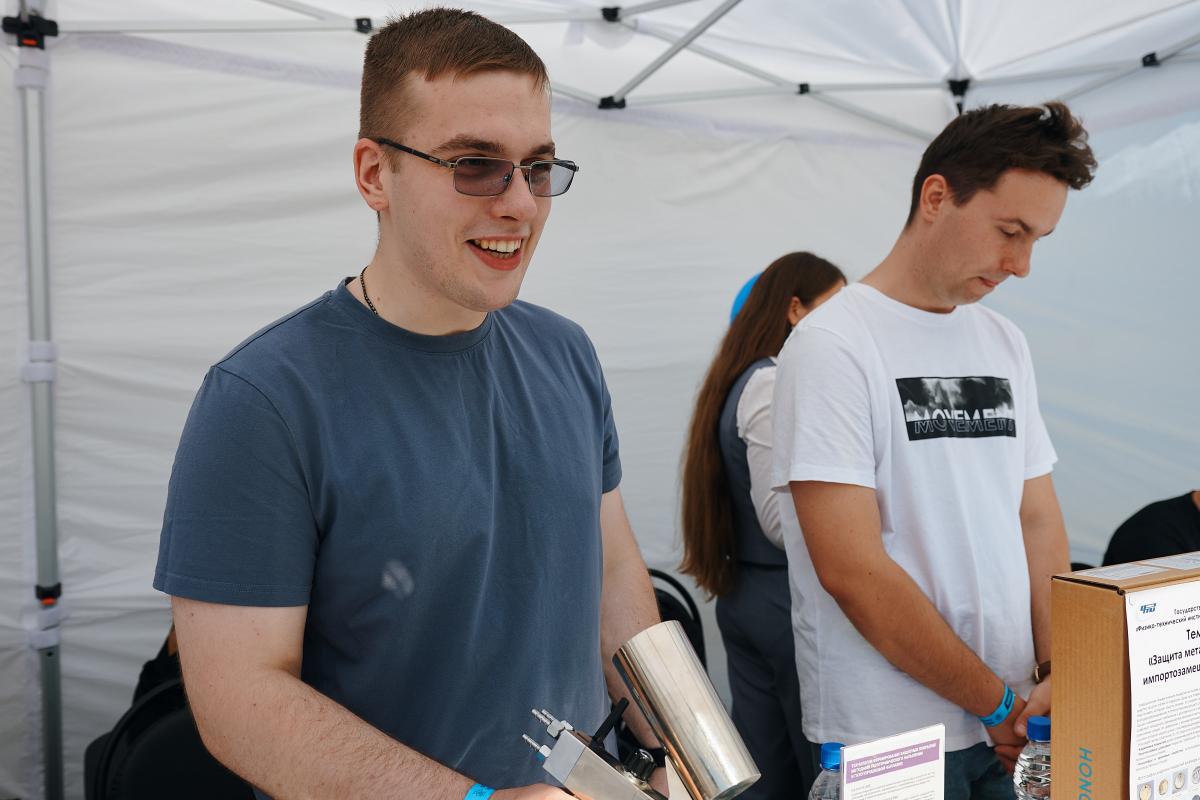
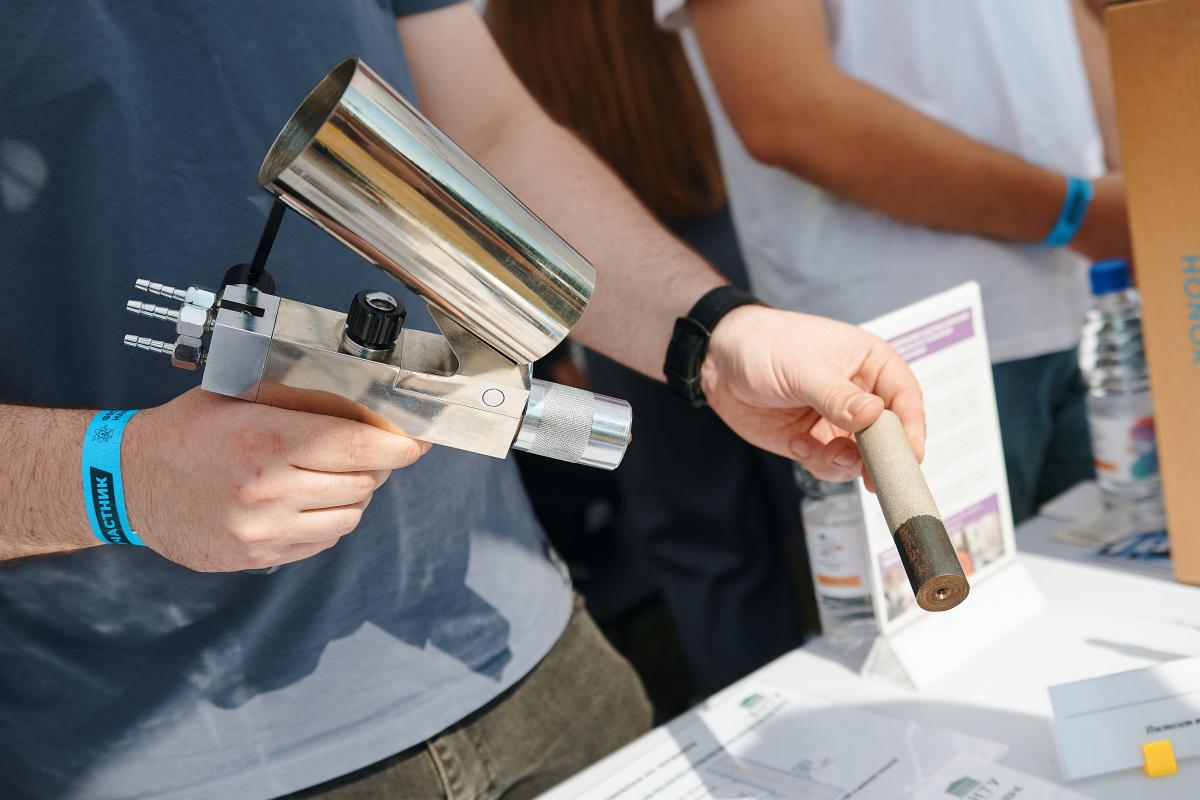
Another technology presented was thermal spraying with high-frequency reflow. This spraying method helps create wear-resistant, high-performance coatings, similar in quality to laser processing, but at a much lower cost.
– We achieve a coating that's 2.5 times stronger than a conventional torch, while conserving resources. The technology is used to restore parts such as shafts, piston rods, cylinder liners, and other machine components, – explained Andrey Rudnitsky, a graduate student of the Faculty of Mechanical Engineering.
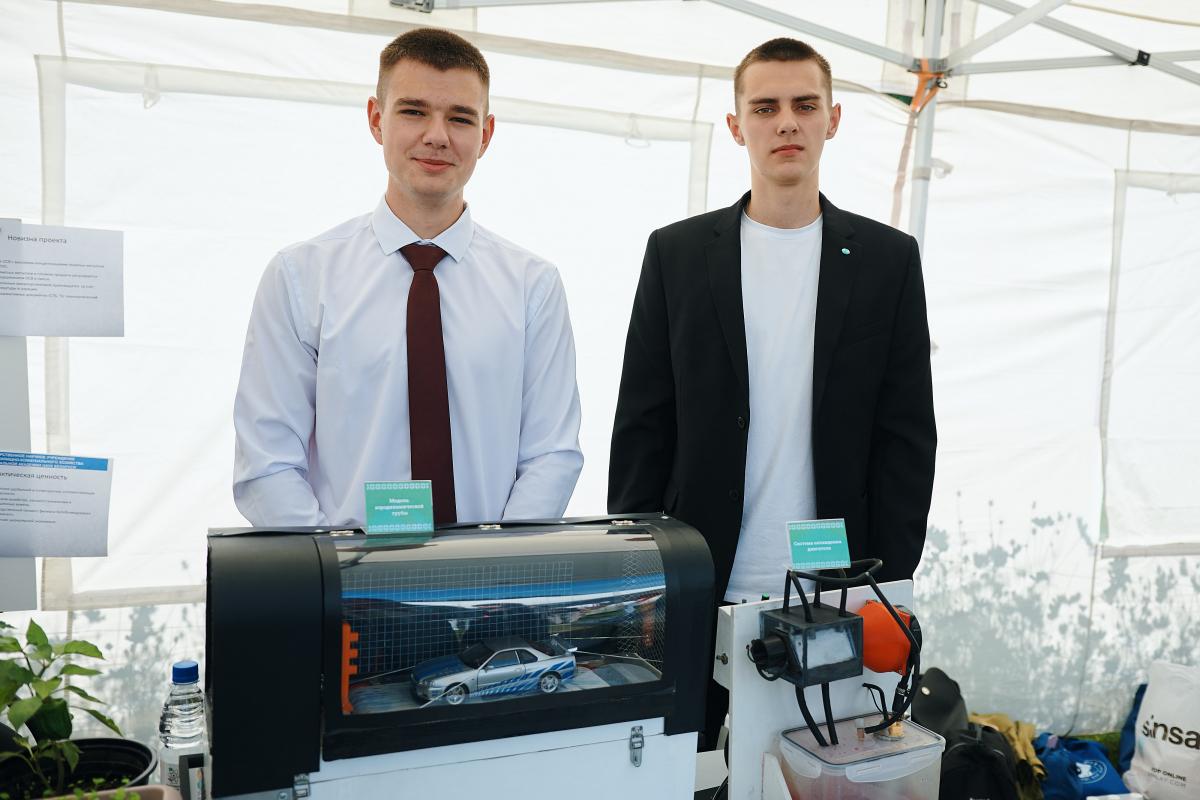
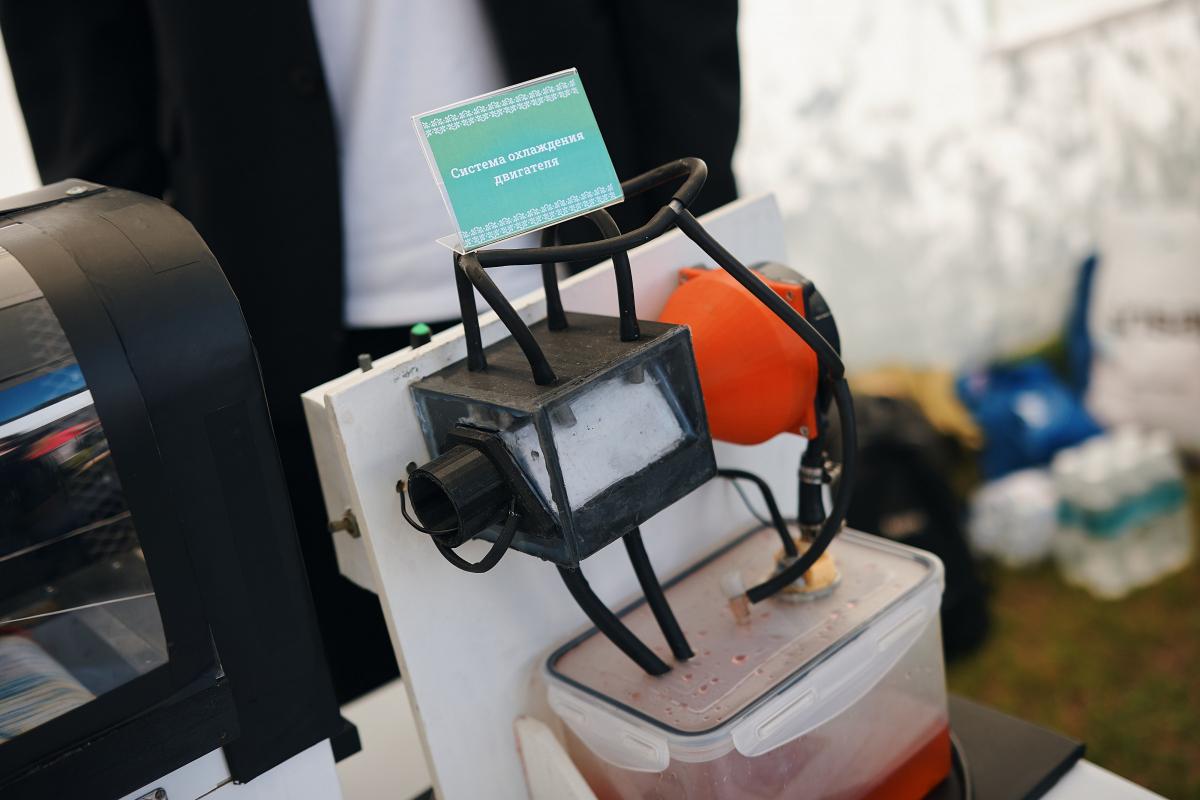
The wind tunnel and engine cooling system are projects of the student research and creative bureau "TEKA," represented by second-year students of the Faculty of Automobile and Tractor Engineering, Valery Nevertovich and Pavel Faley. The wind tunnel allows for testing 3D-printed models, and the reversible cooling system can both cool and heat.
– This solution is for machine tools, cars, and any equipment where thermal control is important, – the developers explained regarding the cooling system.
The Science Festival is a place where schoolchildren can ask questions, students can share their experiences, and scientists can inspire new discoveries.
