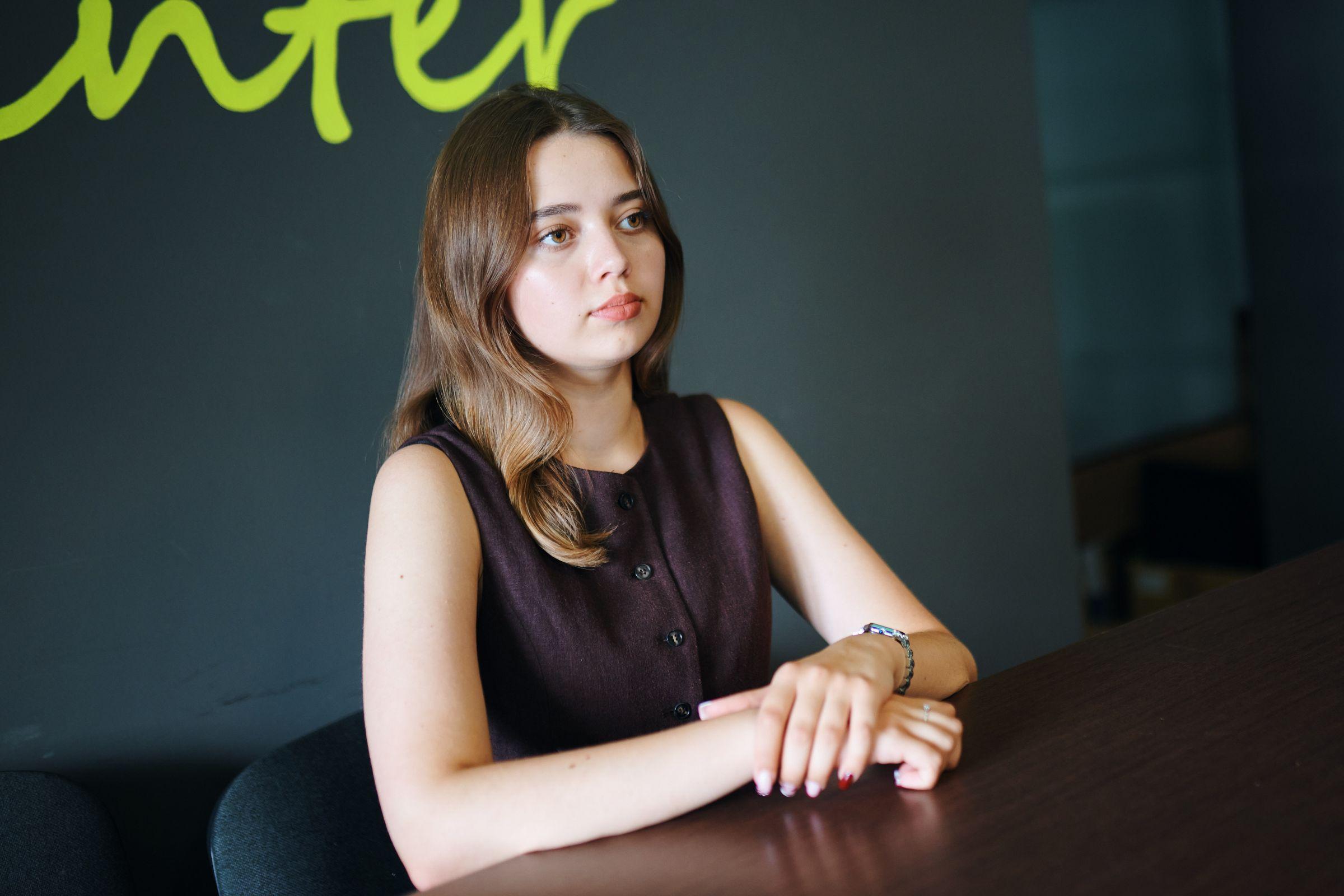
Sofia Kovalchuk, a student at the Faculty of Information Technology and Robotics, chose IT and robotics not under the influence of fashion, but following a family tradition and her own interest in systems thinking. Sofia talked about what helps her keep up the bar, how she sees her future and why girls should not be afraid of the "male" environment.
Sofia has been interested in exact sciences since high school, so the choice of FITR was natural for her.
— I was attracted by the opportunity to understand technology from the inside, and not just use everything ready-made. Consistency is important in this area. You need to see how everything is connected, not just know the individual tools. FITR provides just such a base — a foundation on which to build anything. I don't just want to be able to do something, but to understand how it works in order to solve real engineering problems.
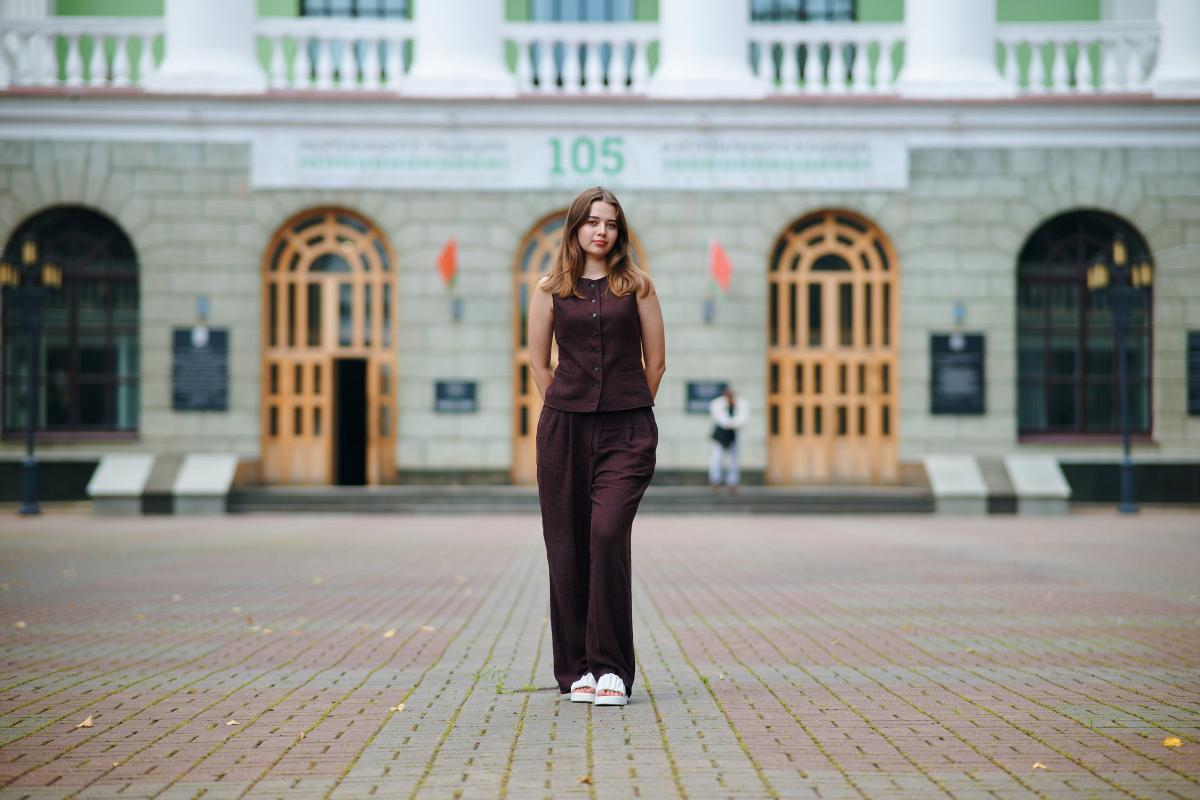
Sophia's choice of engineering is not just an accident, but a conscious continuation of a family tradition.
— I continue the family tradition: my grandmother worked as a process engineer, my mother is a quality engineer in production. Naturally, this has influenced my interest in technical disciplines since childhood. However, I chose IT and robotics because I consider this area to be the most promising and relevant to modern challenges.
— The IT sector is often chosen because of high salaries. What has become the most important thing for you?
— It seems to me that the most important thing is to gain knowledge and skills that can be applied in a future career, and financial results become their natural consequence. The decisive moment in choosing a future specialty was the company of friends with whom I communicated. They have already studied at FITR, and I have seen how passionate they are, how they discuss projects and are passionate about what they are doing. I wanted to be in this environment and understand how applications are created and programs work from the inside.
Sofia shared that she actively participates in the life of the faculty: she is the head of the group, is a member of the trade union committee and the student council, organizes events for students. She called the most significant experience a trip to the winter University in Pskov in her second year, an international project where BNTU students, in teams with guys from different countries, developed a full—fledged project from idea to presentation in a short time. This experience, according to the girl, gave her communication skills, assignment of tasks under tight deadlines, and confidence in working in an international environment.
The main achievements during her studies, the girl considers getting on the Board of Honor of BNTU and active scientific activity.
— My main achievements are that my photo is on the BNTU Honor Board, I have a large number of published scientific papers, trips to Pskov and China, and work in my specialty. I found a job without additional courses, only on the basis of university knowledge. For me, it was an indication that I was moving in the right direction.
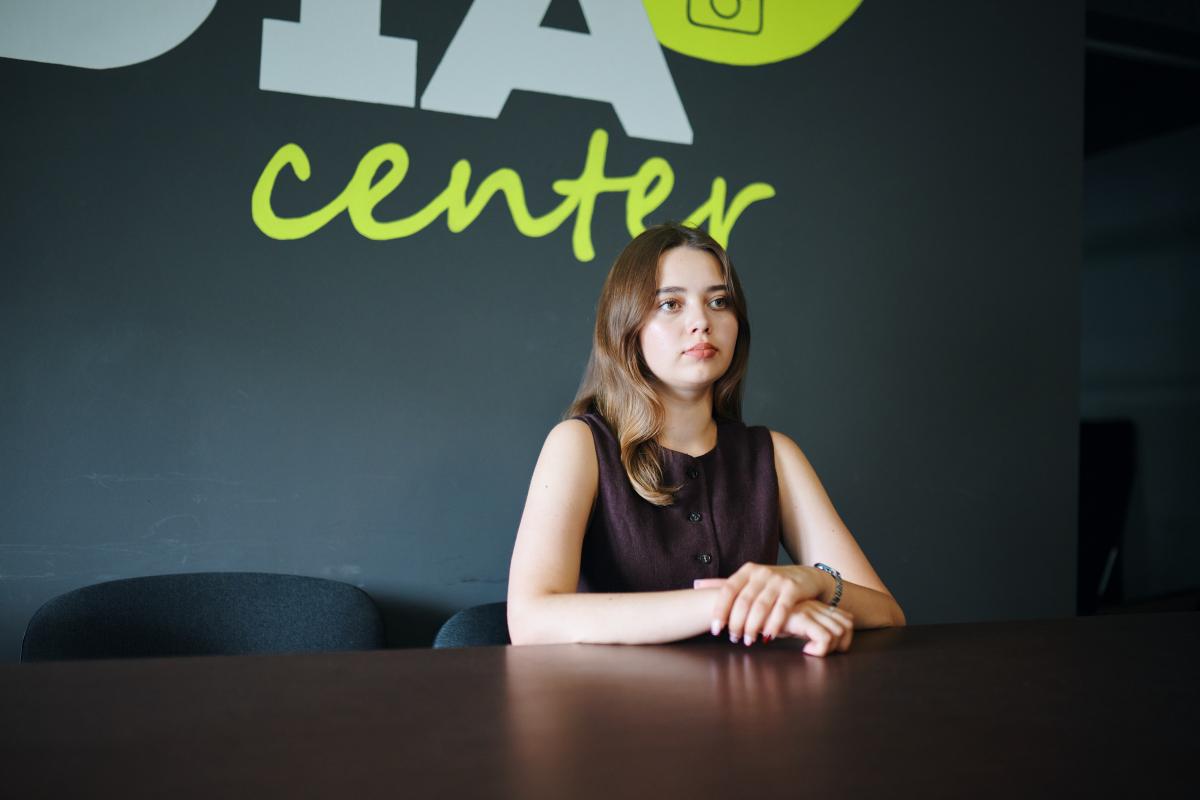
— They say that in IT it is important not so much to know the code, but to be able to learn new things. And what, in your opinion, is the most important thing for success in this field today?
— I believe that the main thing is the ability to continuously learn. Technology is changing so rapidly that a skill that is relevant today may no longer be in demand tomorrow. It is important not only to know the programming language, but to be able to quickly adapt to changes, delve into new things and not be afraid to leave the comfort zone. If you don't do this, you risk being left in the past.
The stereotypes that IT is not a female profession do not bother Sophia, because she came to FITR consciously and feels in her place.
— For me, IT was a conscious choice back in school. I studied in a physics and mathematics class, physics was one of my favorite subjects, so I always understood what kind of environment I would find myself in. I really feel like I belong on FITR. Many people reacted unexpectedly when they found out that I was studying to become a software engineer. But this surprise, as a rule, did not come from distrust of my abilities, but rather from the prevailing stereotypes that still exist in society.
Sofia does not believe that there are qualities unique to women or men. In her opinion, the diversity of thinking in the team is much more important.
— When people with different backgrounds, experiences and types of perception gather, it gives a more comprehensive view of the task.
She added that she tries to approach tasks systematically — first to understand the structure, then in detail, which helps to notice non-obvious relationships and avoid mistakes in the early stages.
In the future, the girl sees herself as a developer.
— In the future, when I have enough experience, I consider the role of IT project manager for myself. It seems to me that a good leader grows out of a good specialist who understands how work is organized at every level. That's why I'm not rushing things and treat it as a consistent professional growth.
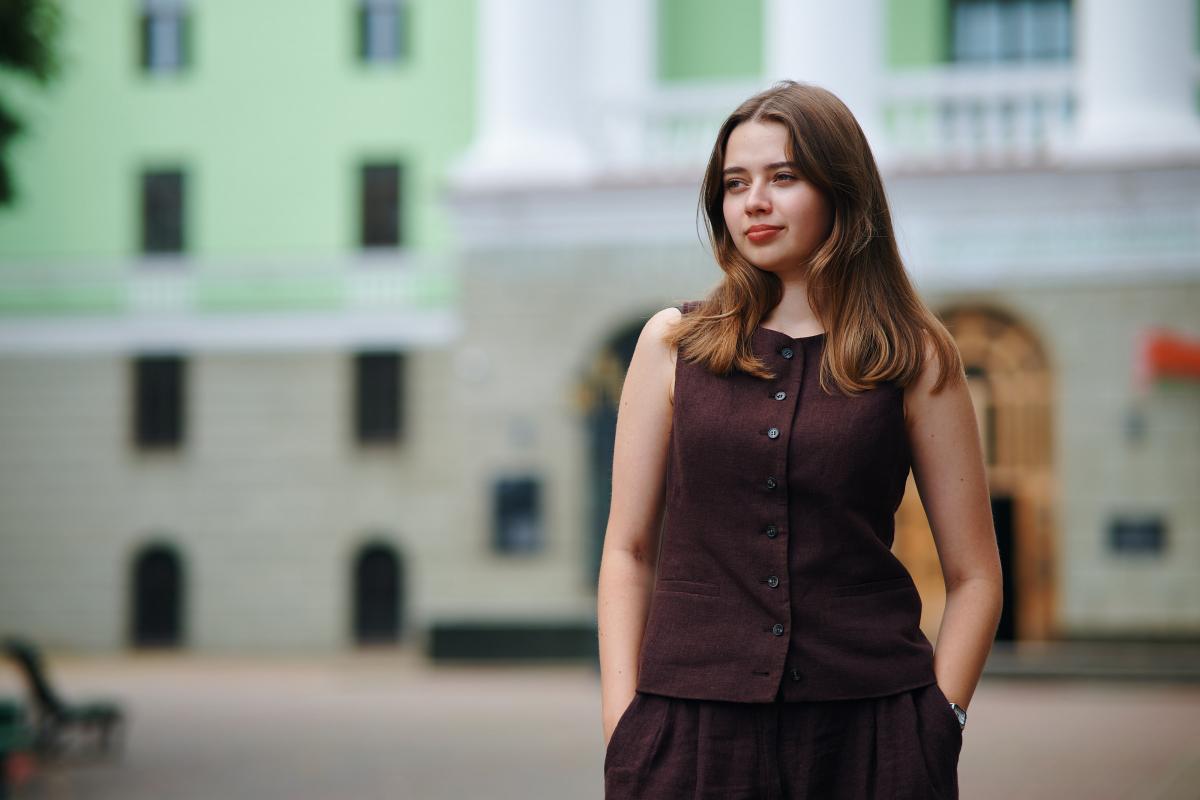
She considers algorithmic thinking, the ability to work with a large amount of information and quickly understand new material, as well as teamwork to be the main skills acquired at the university.
— What do you think is more important for a modern IT specialist: knowledge of mathematics and algorithms or the ability to quickly understand new technologies?
— I think it's not a matter of choice. Mathematics and algorithms are the foundation without which you cannot develop as a specialist. If you don't have this foundation, you can learn a specific language or framework, but you won't understand how it works from the inside out, and you won't be able to adapt when technology changes. Therefore, it is important to understand the principles first, and only then master the relevant tools. One follows from the other, and without the first, the second loses its meaning.
Sofia has several years of studying at FITR, participating in international projects and working in her specialty. And the main advice she gives to future applicants sounds weighty and reasonable.
— I would advise you not to be afraid of anything. Fear is normal, but it should not prevent you from moving towards your goal. Knowledge is assessed on FITR, not gender. We have a wonderful faculty — no one condemns anyone, on the contrary, we are always ready to help and support if something does not work out. The main thing is to believe in yourself, work hard and never stop.
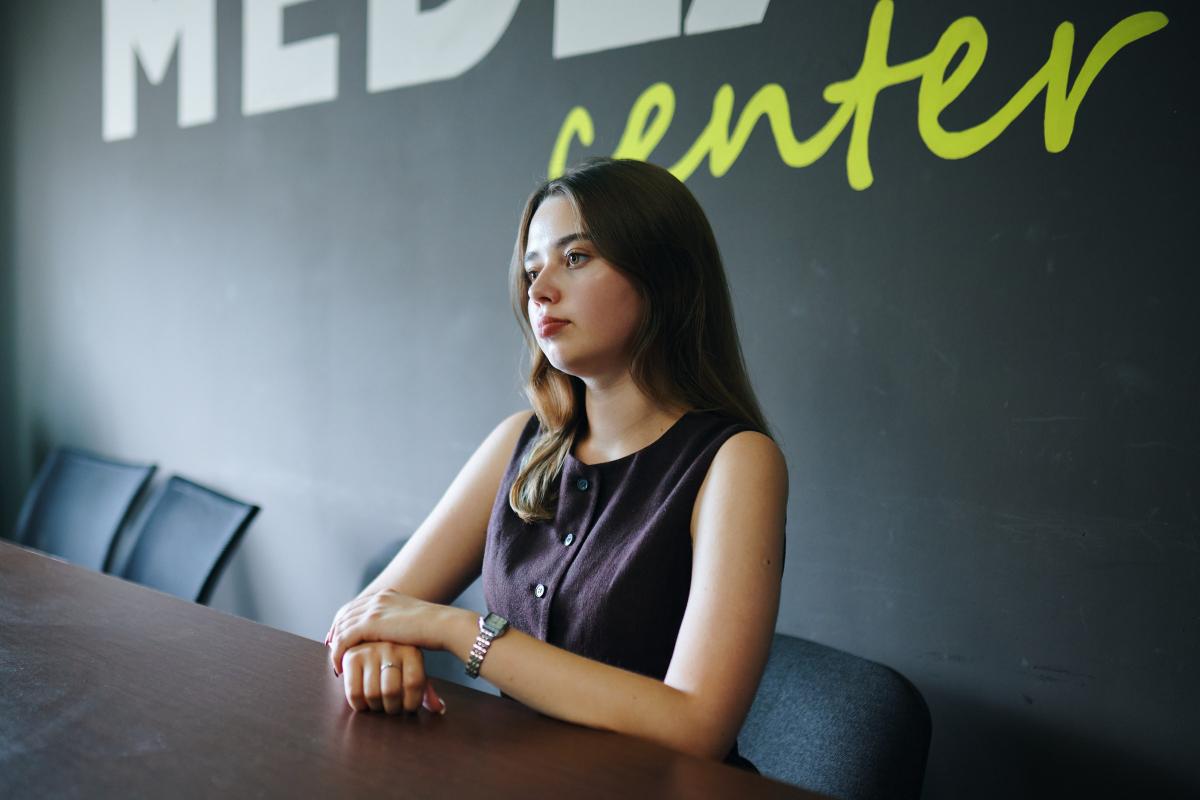
Sofya Kovalchuk is one of those students who clearly shows that BNTU provides not only a diploma, but also real tools for starting a career. She combines study, work and social life without sacrificing quality in any of the areas. The university's base, complemented by practical experience and participation in international projects, allows her to confidently look to the future. The main message she addresses to those who are just choosing their path is that knowledge and perseverance are valued in technology, not gender stereotypes.
