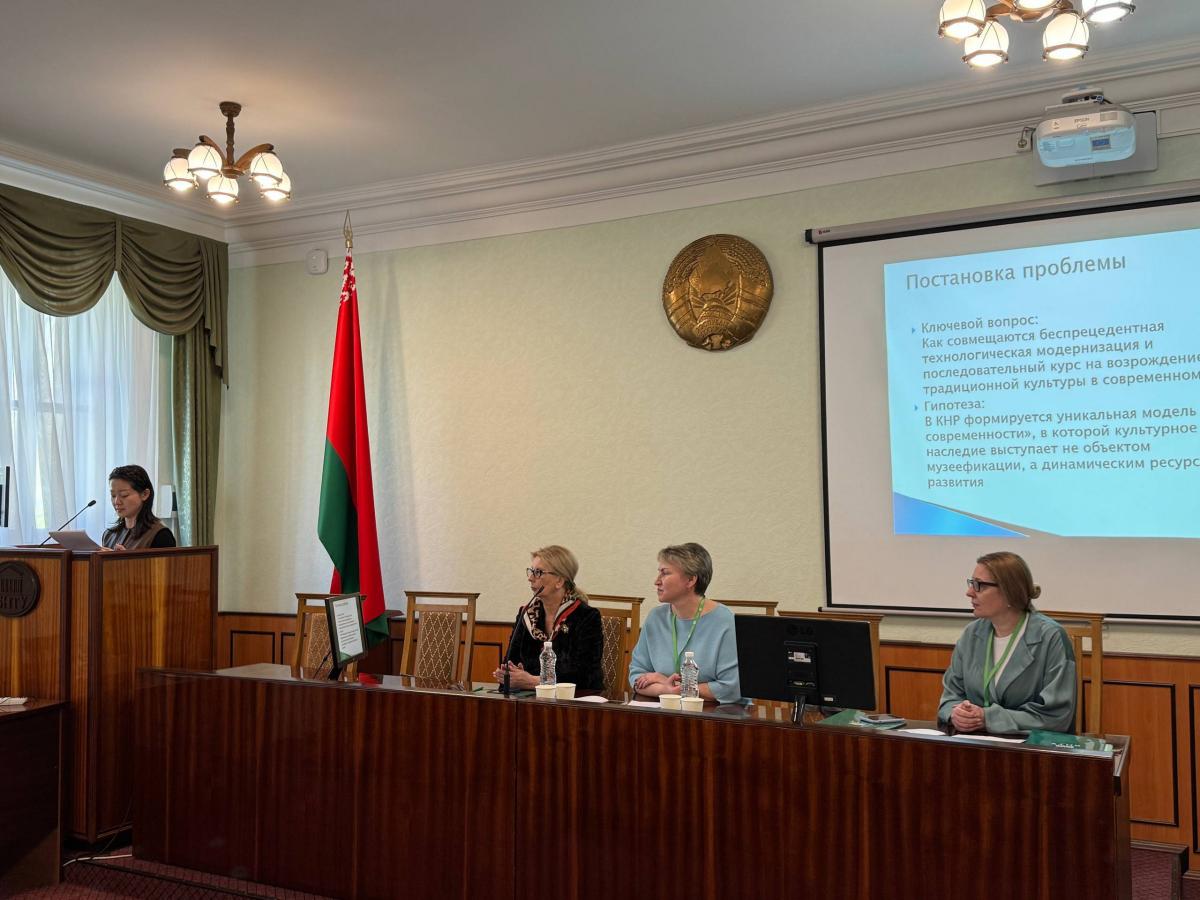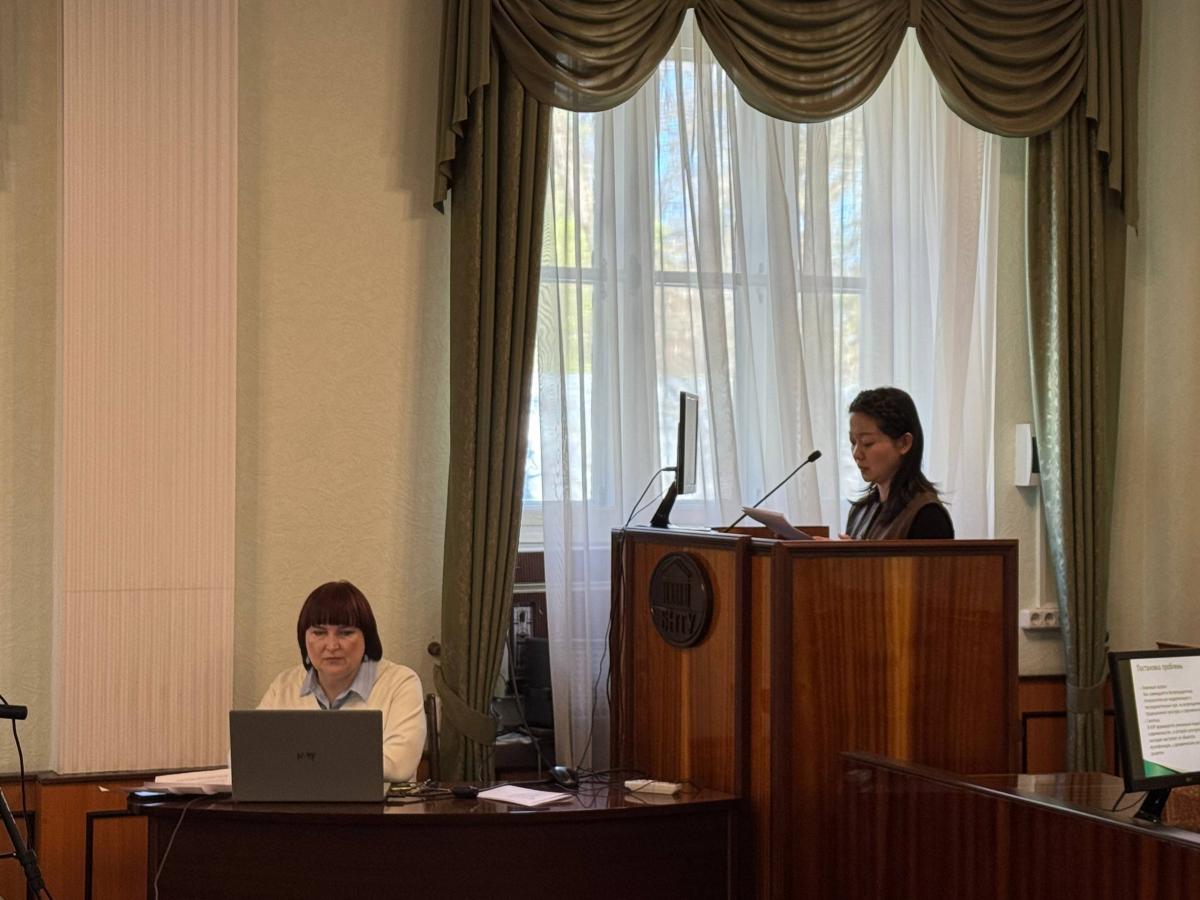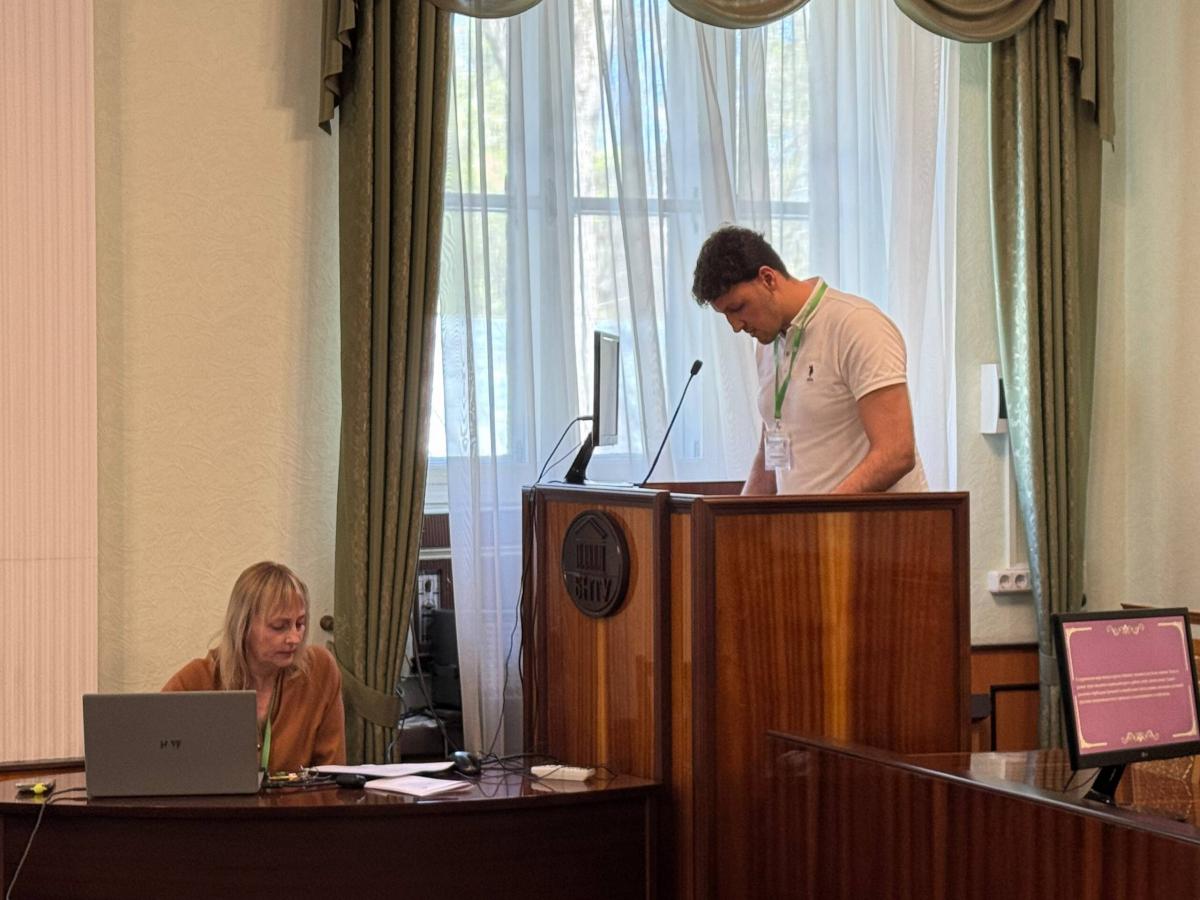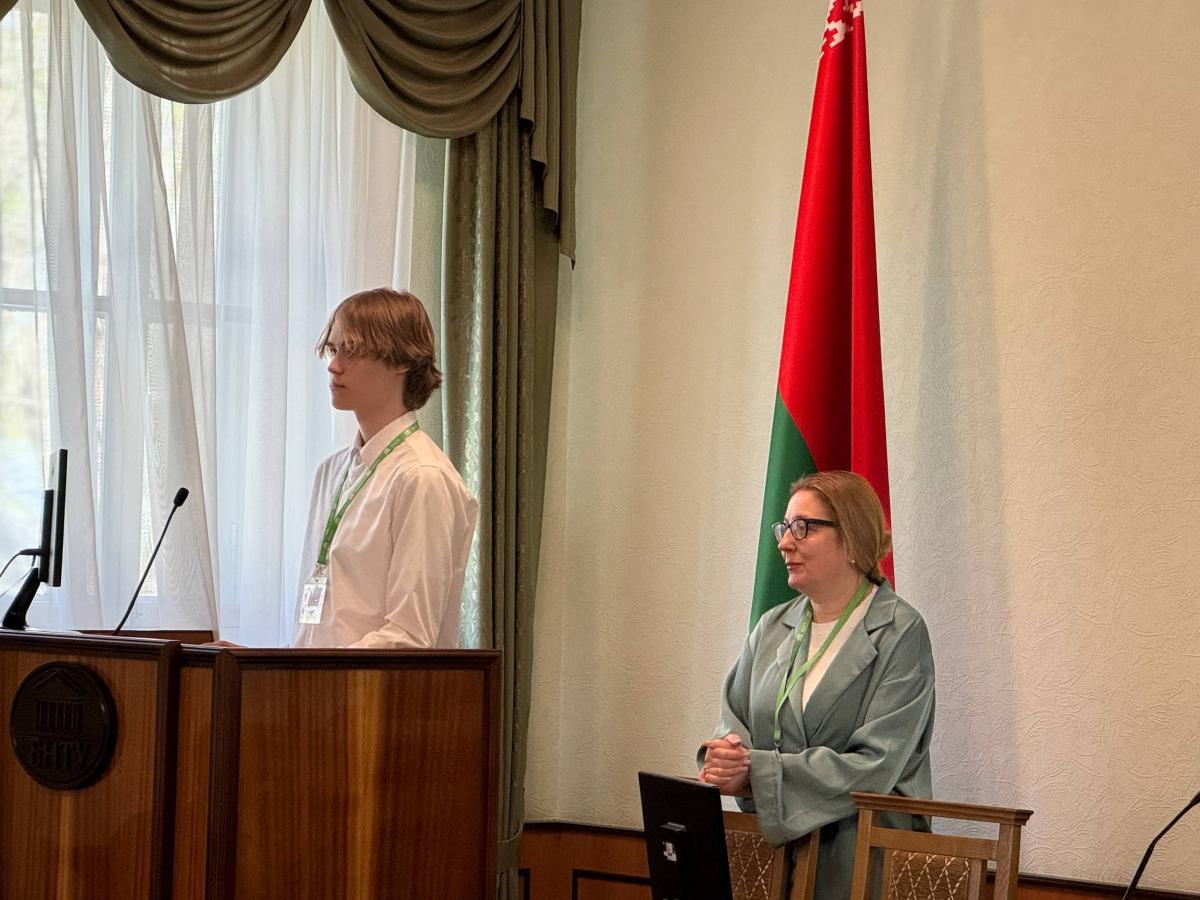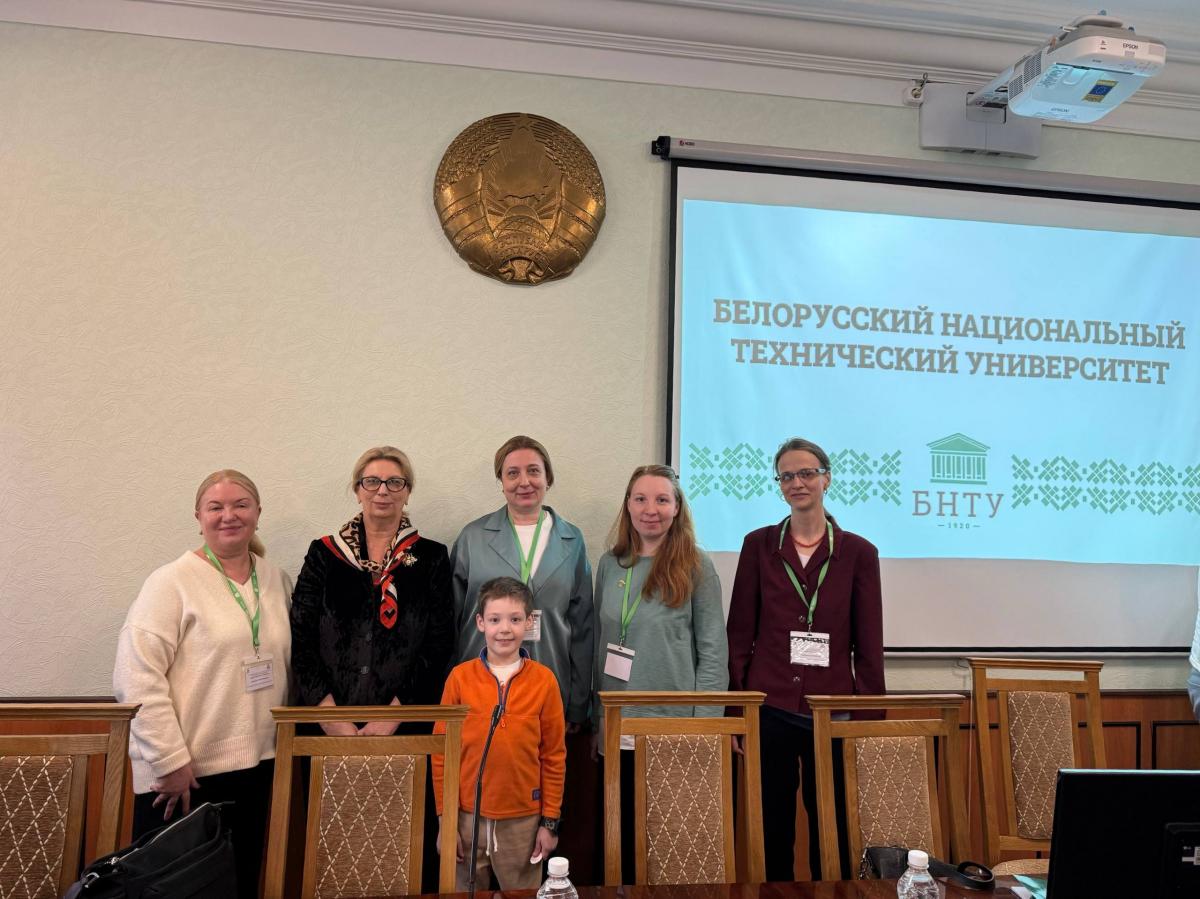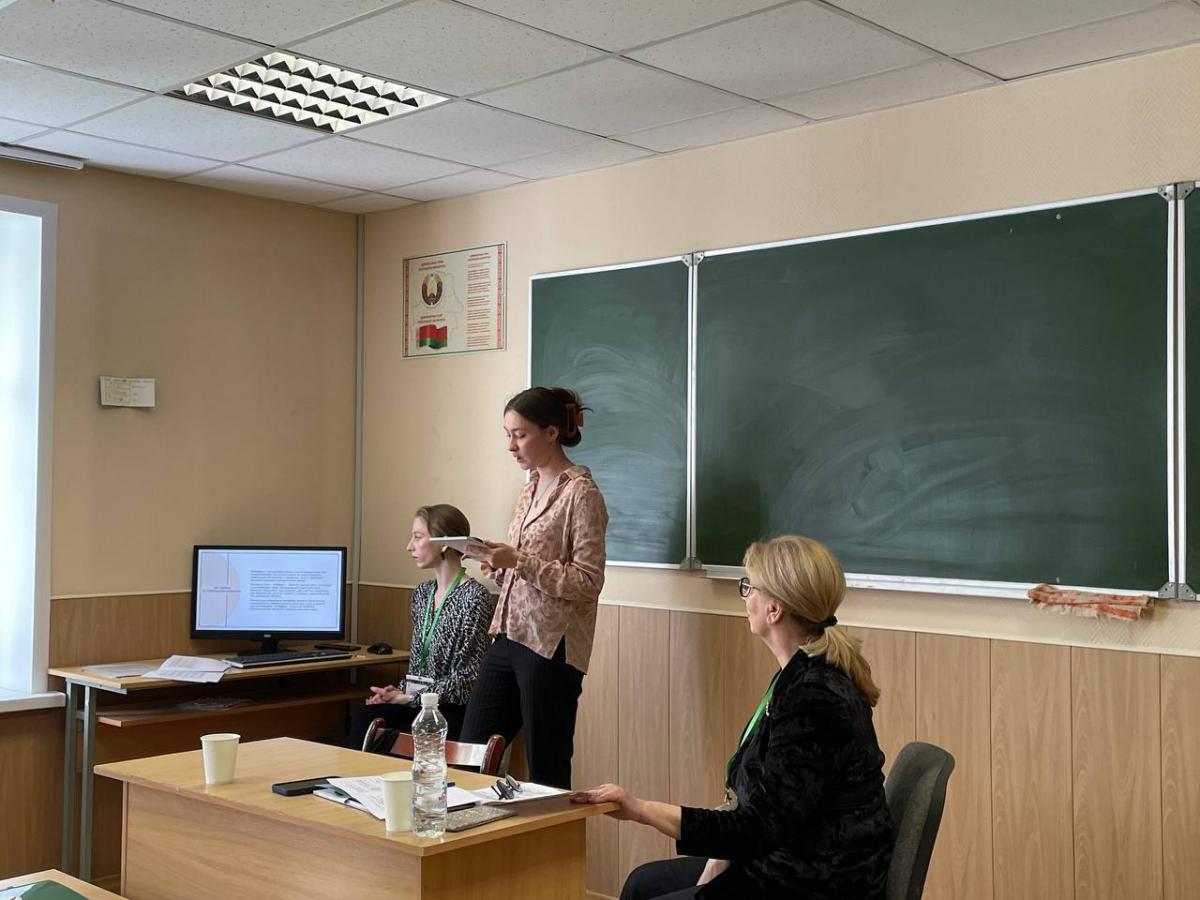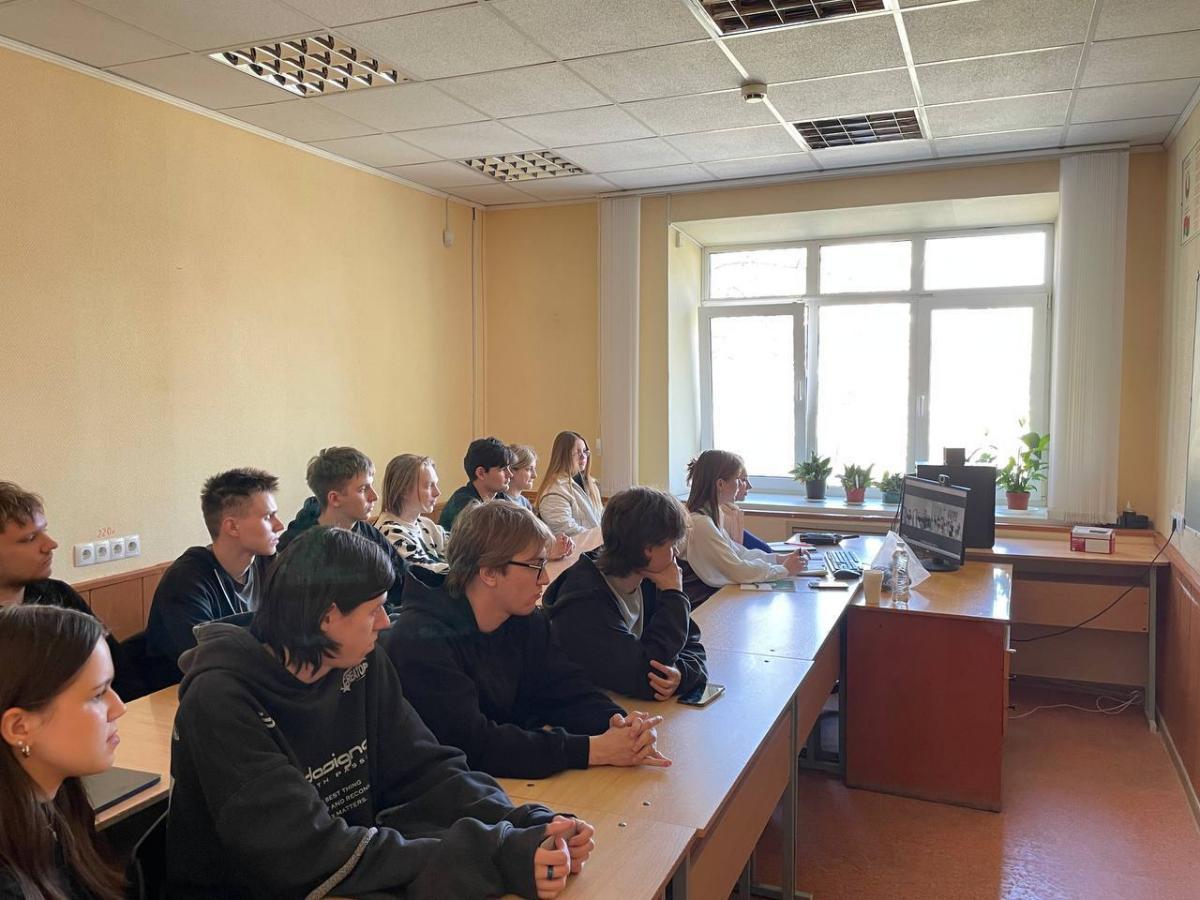
On April 23, 2026, the IV International Student Scientific and Practical Conference “Language – Society – Culture” was held at the Department of Belarusian and Russian Languages of the Faculty of International Cooperation at the Belarusian National Technical University.
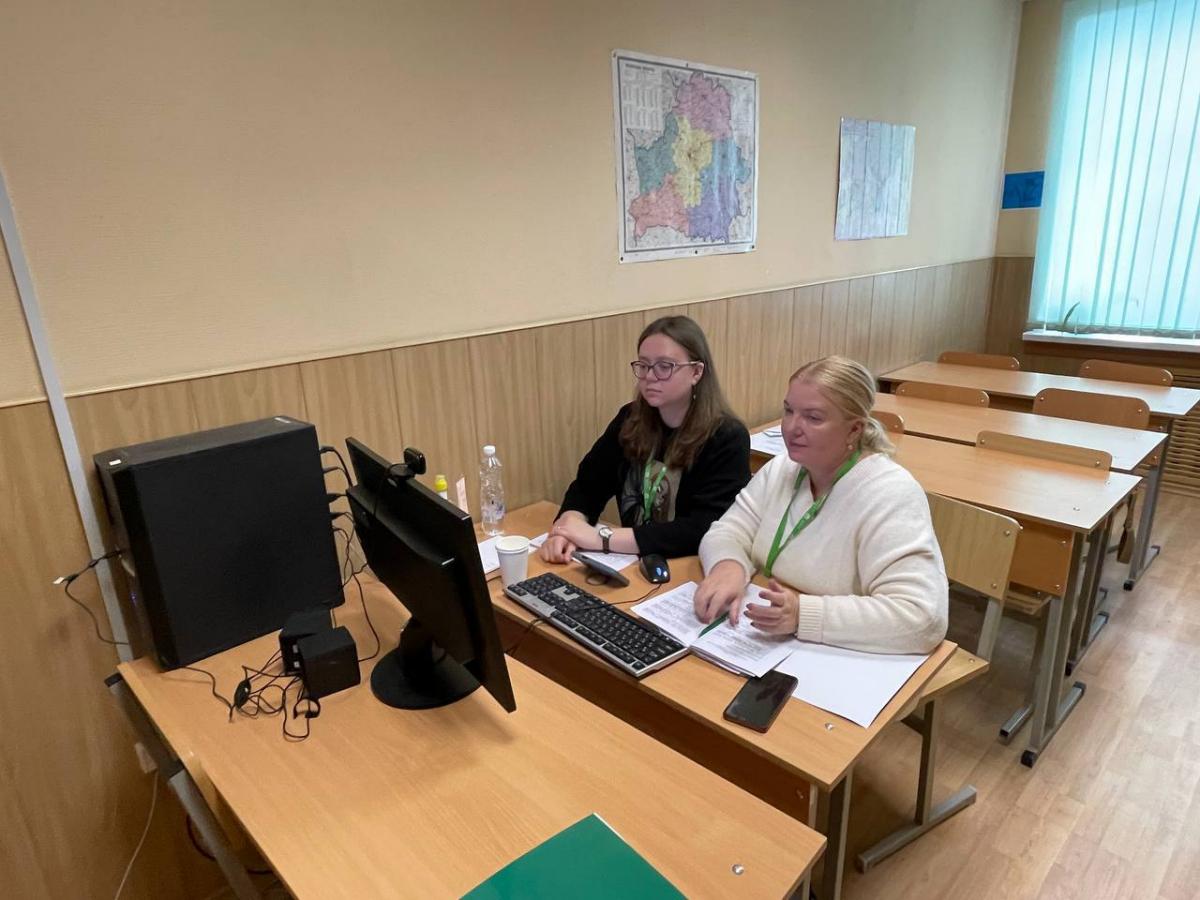
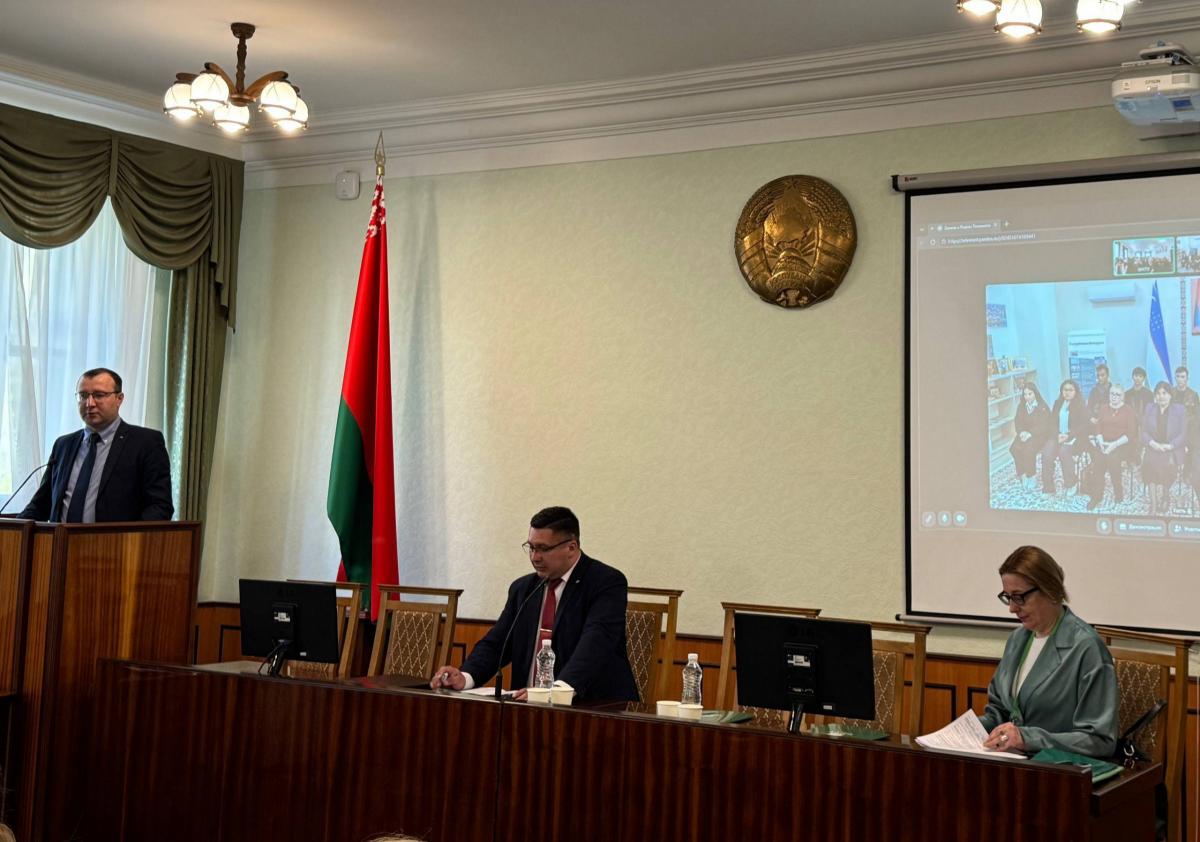
The conference brought together undergraduate, graduate, and postgraduate students of BNTU, as well as representatives of universities from both near and far abroad, including Russia, China, Turkmenistan, Uzbekistan, Kazakhstan, Lebanon, Latvia, Turkey, Syria, Tunisia, Zimbabwe, Equatorial Guinea, and other countries. The event was conducted in a hybrid format, combining both in-person and online participation.
The conference opened with a plenary session, where welcoming speeches were delivered by Vice-Rector for Academic Affairs Yuri Aleksandrovich Nikolaychik, Dean of the Faculty of International Cooperation Pavel Ivanovich Shirvel, and Head of the Department of Belarusian and Russian Languages Irina Vladimirovna Budko. In their addresses, they emphasized the importance of academic dialogue, intercultural interaction, and the development of humanities knowledge in the modern world.
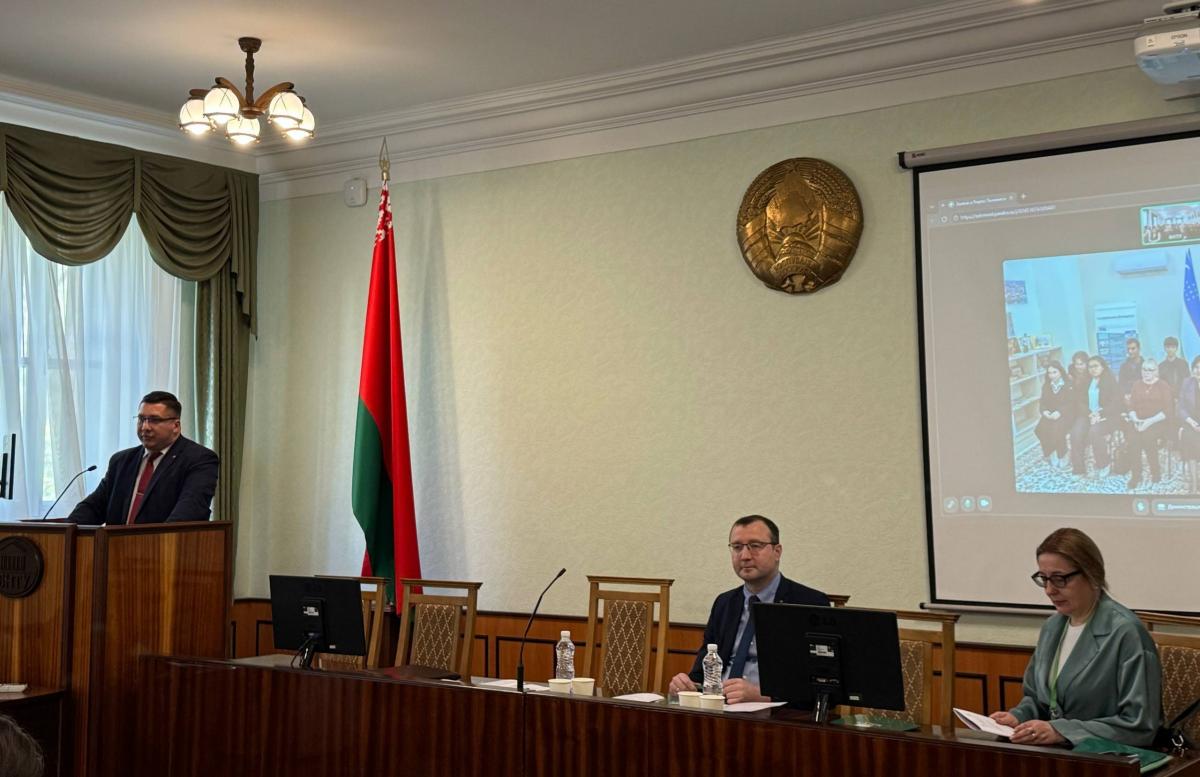
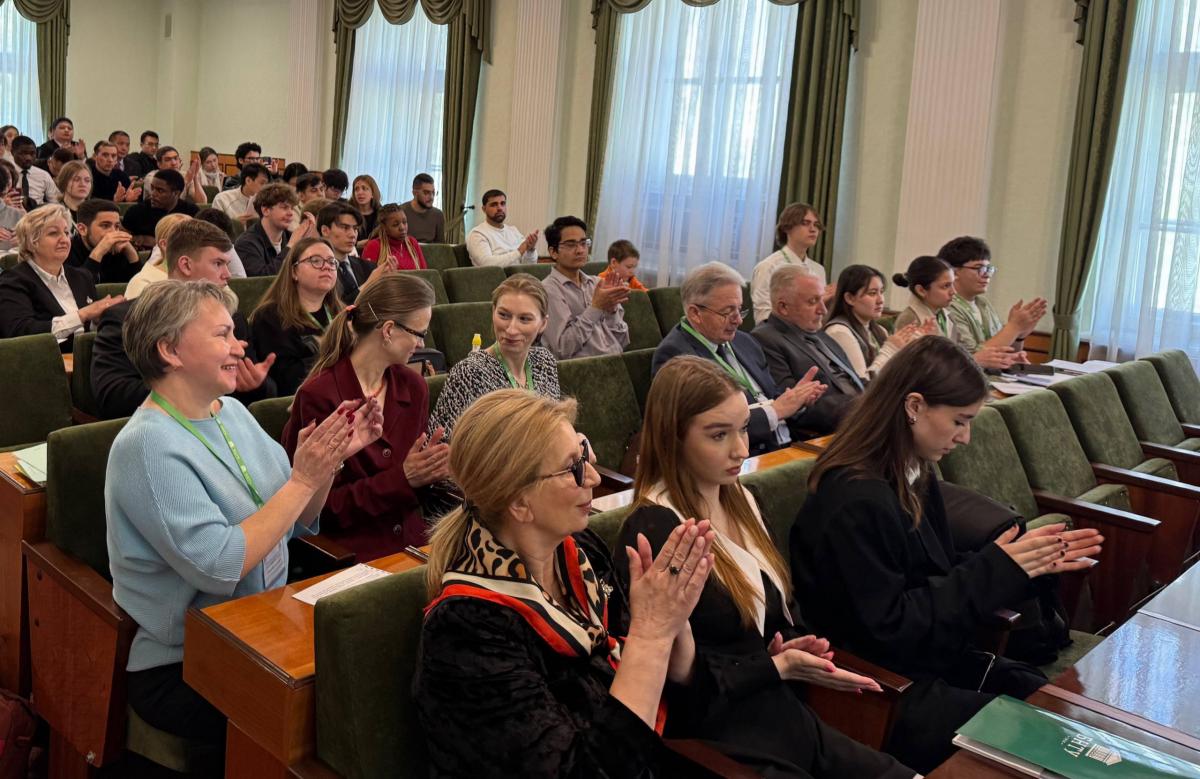
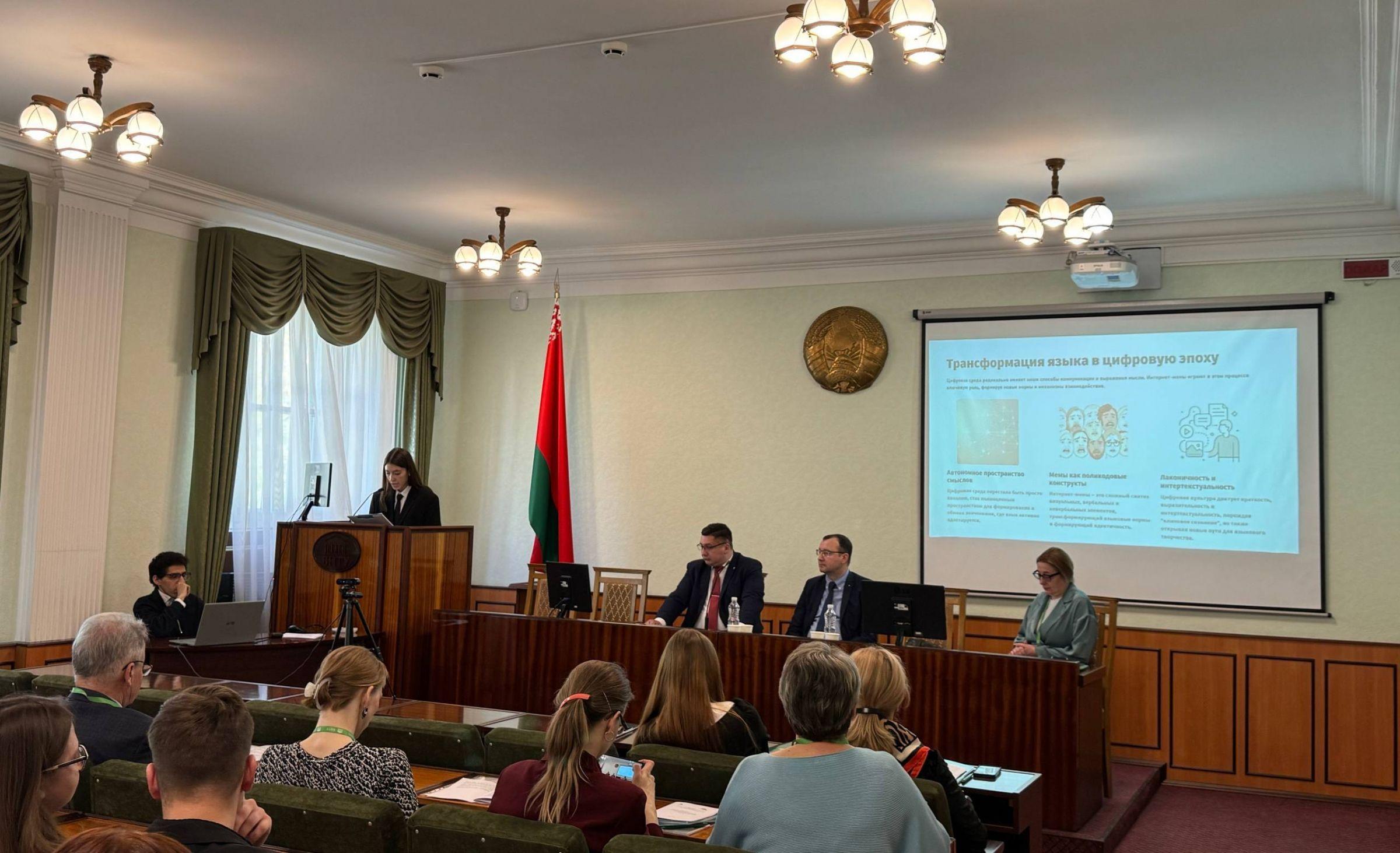
The plenary presentations were distinguished by their relevance and academic depth. Participants addressed issues of language norms in the digital age, features of modern communication, the cultural heritage of different countries, and challenges of intercultural interaction. Particular interest was drawn to reports focusing on linguistic situations in various countries, comparative studies of cultural traditions, and the role of language in shaping national identity.
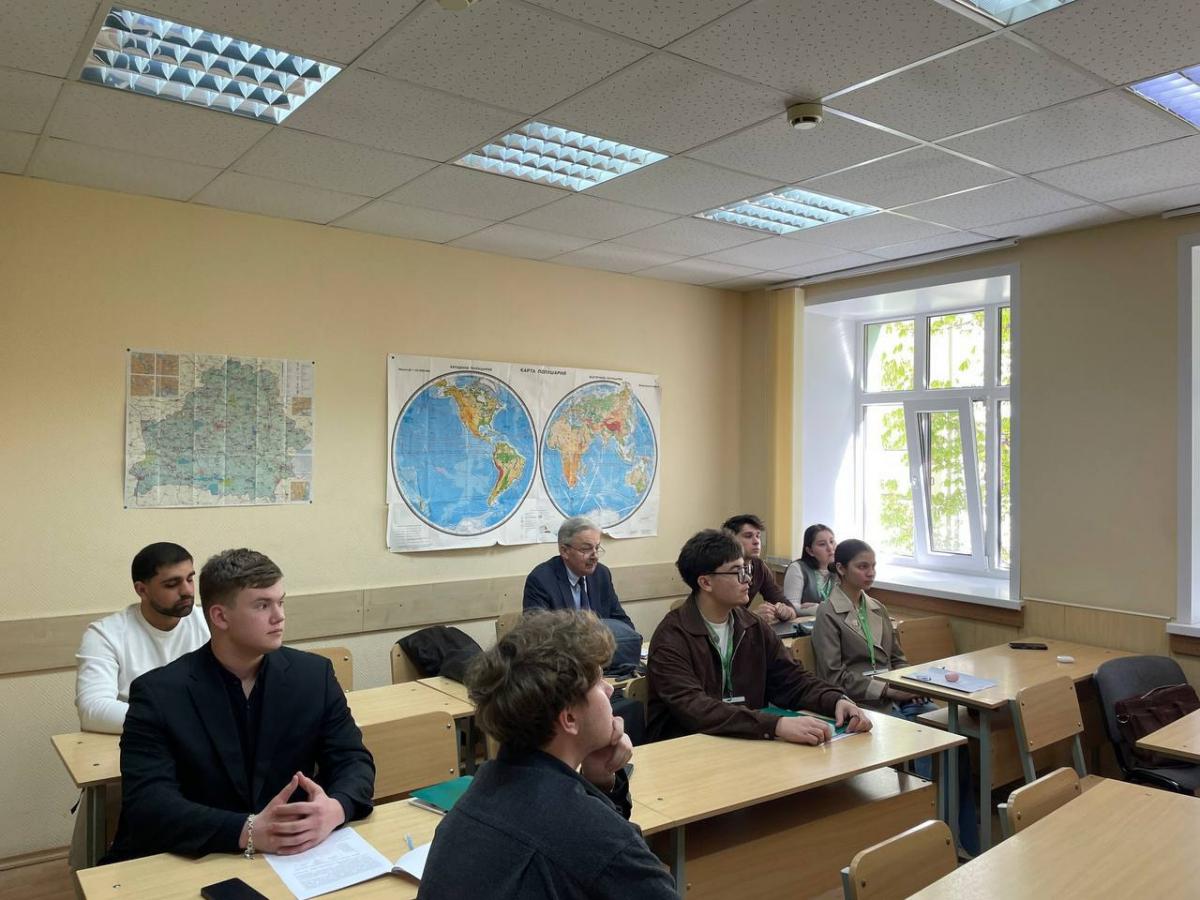
Following the plenary session, the conference continued its work in thematic sections. In total, eight sections were organized, covering a wide range of academic fields—from linguistics and literary studies to digital education and interdisciplinary research.
The section “Trends and Prospects in Linguistics and Literary Studies” focused on issues of terminology, translation, borrowings, and grammatical features of various languages. Special attention was paid to neologisms and cross-linguistic interference.
The section “Language and Culture: Current Issues in Theory and Practice” brought together presentations on linguoculturology, ethnography, and globalization. Participants examined the influence of mass culture, religious texts, and historical traditions on the formation of linguistic worldviews.
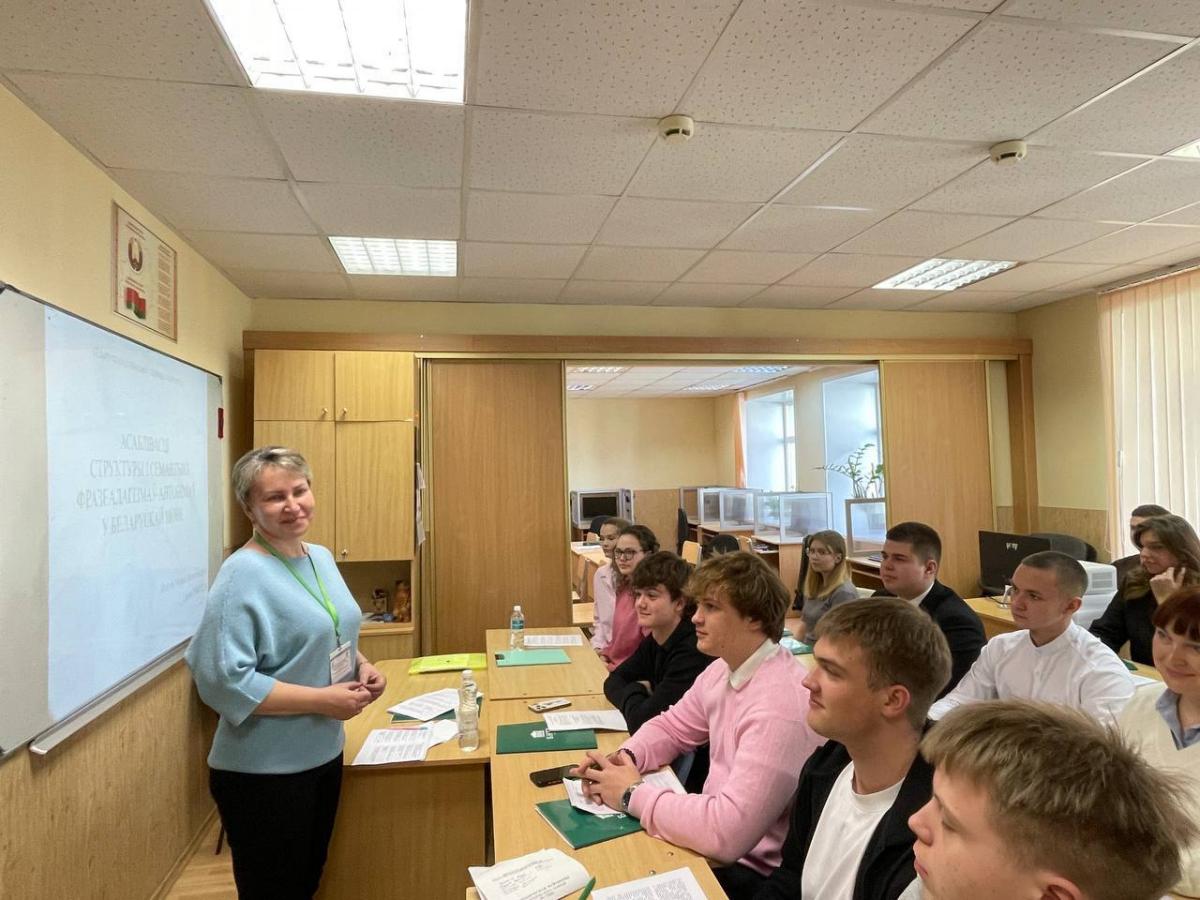
Within the section “Current Issues of the Belarusian Language and Belarusian Culture,” participants presented a wide range of studies devoted to both linguistic and cultural processes. The reports addressed structural and semantic features of phraseology, the development and functioning of modern Belarusian terminology, and the impact of bilingual environments on culture and communication. Considerable attention was also given to language digitalization, including gaming language and the role of artificial intelligence, as well as to the interaction between language and culture—reflection of traditions, interpretation of symbols, and transformation of non-codified speech in contemporary culture.
The section “International Cooperation in Science, Culture, and Education” served as a platform for discussing prospects for international collaboration, the role of educational programs, and cultural initiatives in strengthening global ties.
The section “Features of the Chinese Language and Culture” attracted particular interest. Presentations covered both linguistic and cultural aspects of China, ranging from the analysis of animal symbolism and specifics of Chinese vocabulary to issues of translating culturally bound units and intercultural communication. The section also addressed intercultural interaction, including the popularity of Russian poetry in China and the significance of Chinese folk music in the context of intercultural dialogue.
The section “Linguistic Support for Teaching Technical and Natural Sciences in the Era of Digitalization” featured practice-oriented research aimed at improving the effectiveness of teaching international students, including the use of mobile applications, QR codes, and neural networks.
Within the section “Interdisciplinary Approach in the Modern Educational Internet Space,” presentations reflected the integration of linguistic, professional, and digital components in education. Participants discussed the role of linguistic support and digital tools in teaching technical and natural sciences, the emergence of new academic genres in the online environment, and the impact of digitalization on language development. Special attention was given to international cooperation in education and science, the integration of professional training in digital learning environments, and the role of the Russian language in professional communication.
The section “Digital Educational Environment” focused on current trends in language teaching under conditions of digitalization. The presentations explored innovative methods of teaching foreign languages, the use of information and communication technologies, and cognitive-discursive approaches to learning. Participants also addressed the adaptation of English borrowings in professional vocabulary, the evolution of literary language in the digital age, and the opportunities and limitations of artificial intelligence in translation and education.
The IV International Student Scientific and Practical Conference “Language – Society – Culture” became an important platform for the exchange of academic ideas, strengthening international cooperation, and developing students’ research skills. The event demonstrated the high level of participants’ preparation and confirmed the relevance of studying linguistic and cultural processes in the context of globalization and digitalization of modern society.