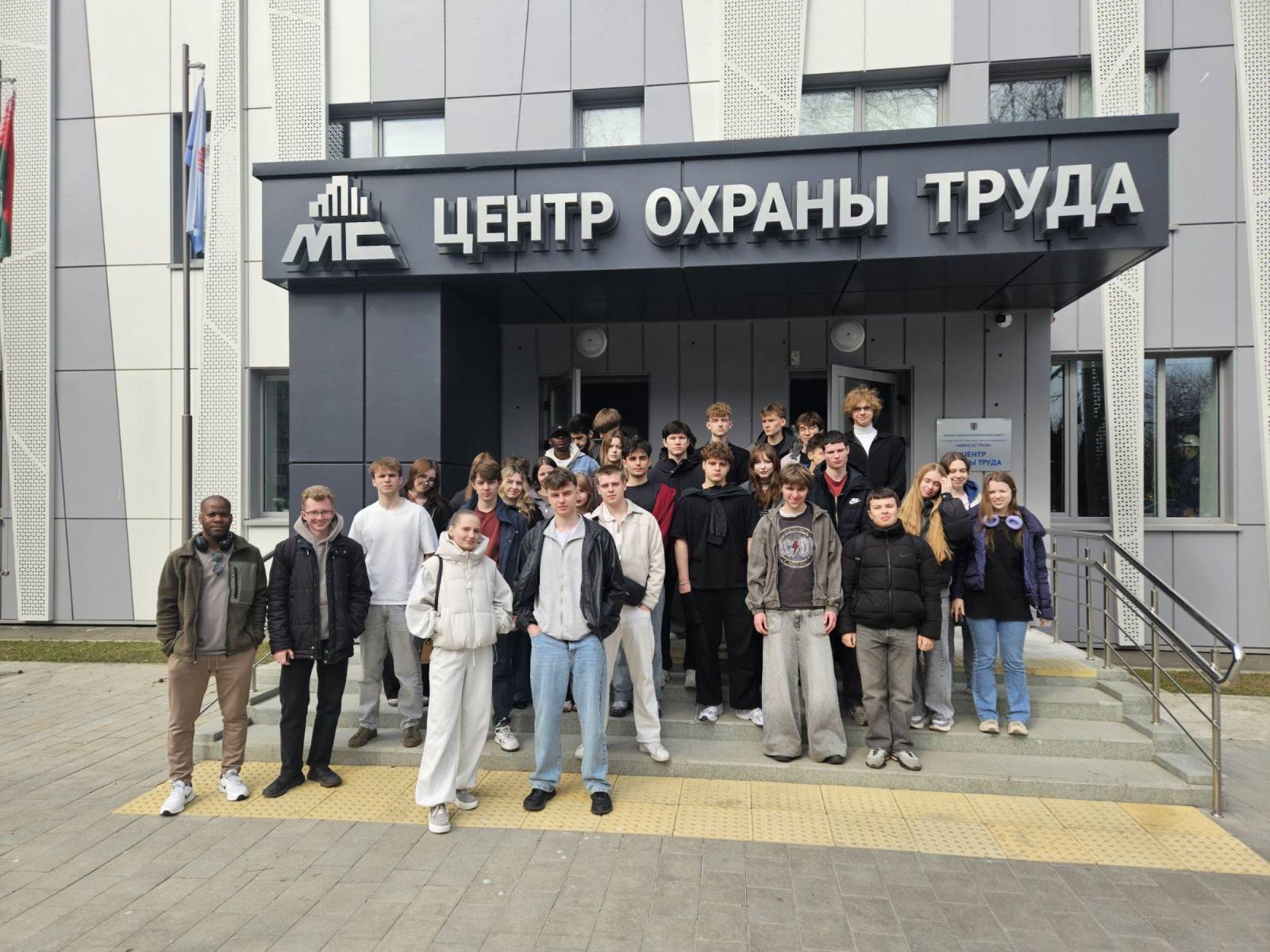
To improve the quality of engineering training, the Occupational Safety Department of the Mechanical Engineering and Technology Faculty of BNTU and the Occupational Safety Center of the Minskstroy State Production Association are jointly working together. In the educational sphere, the Occupational Safety Center of the Minskstroy State Production Association is a branch of the Occupational Safety Department of the Mechanical Engineering and Technology Faculty, established by order of BNTU on October 28, 2025, and operating at 151/1 Rokossovsky Ave., Minsk, Republic of Belarus (link to the Occupational Safety Department page: https://bntu.by/faculties/mtf/mtf-ot/filial-kafedry).
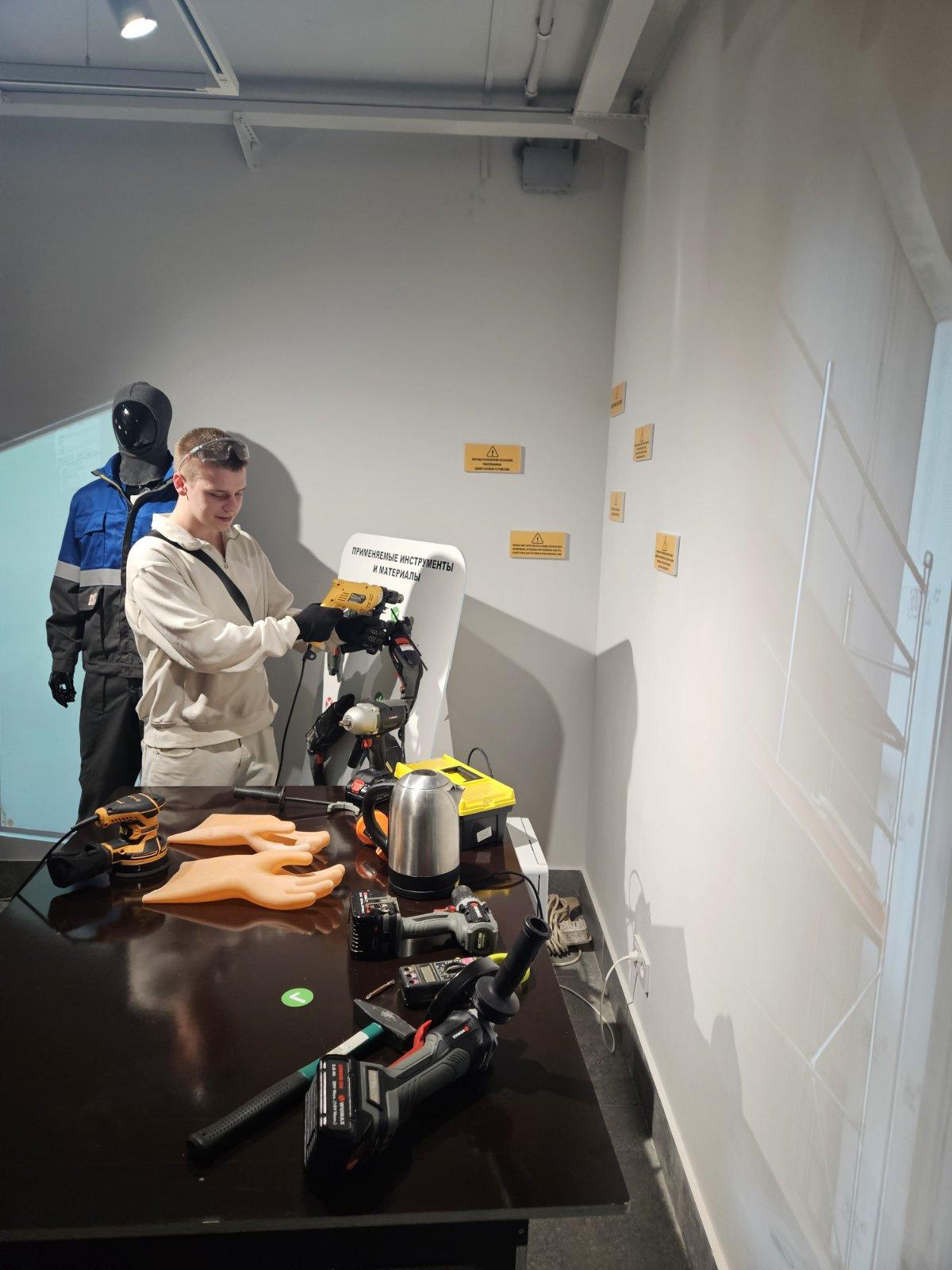
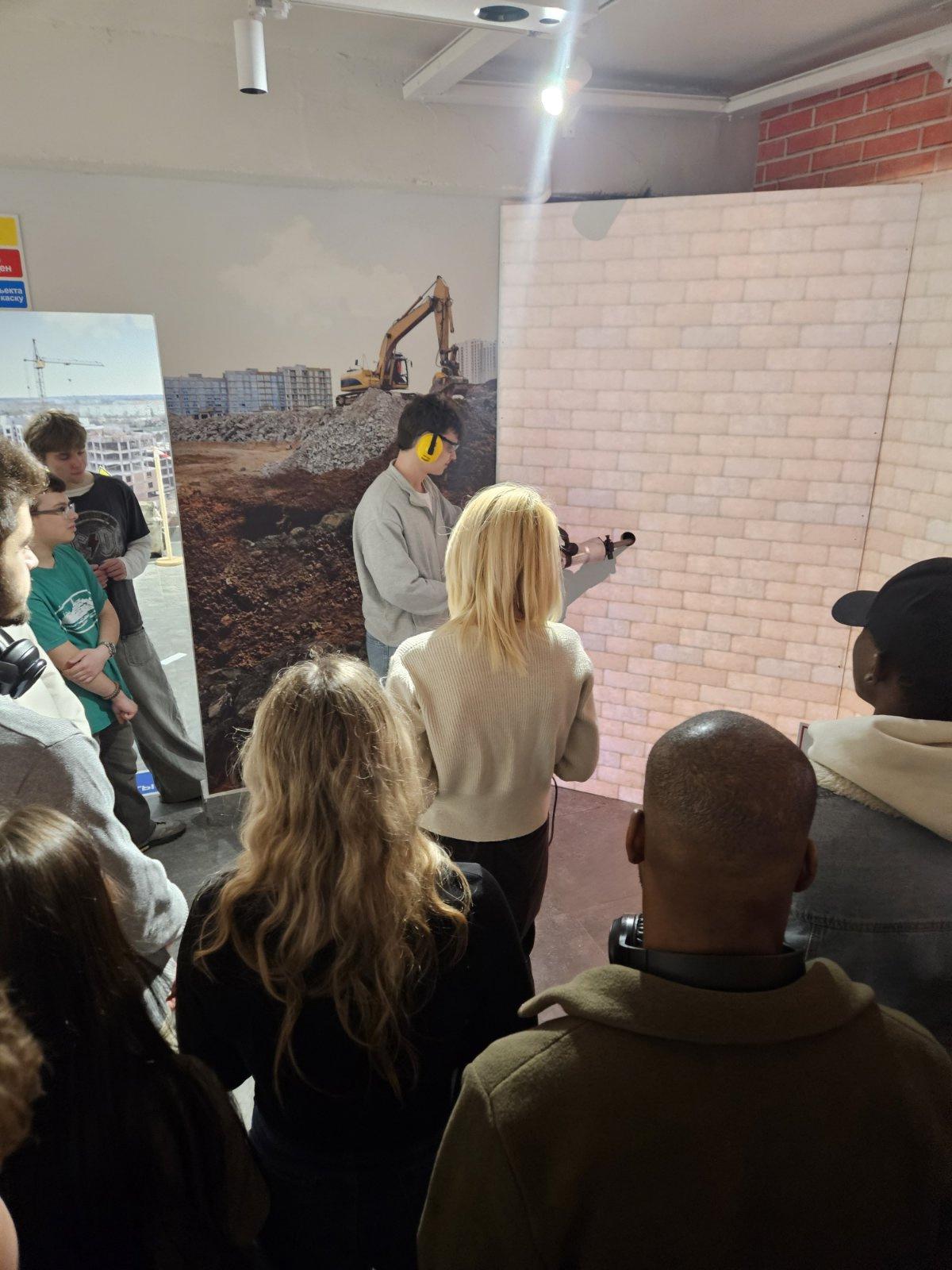
The department branch serves as a bridge between university theory and industrial practice, directly influencing the safe and effective interaction with the professional environment of students to implement educational activities in the specialties, areas of specialties, and specializations in which the department provides training. The facility impresses with its state-of-the-art technological equipment and in-depth study of technosphere safety and occupational health issues. The infrastructure at the BNTU department branch allows for not just theoretical study, but also the development of real-world physical and cognitive skills in construction and engineering students.
The above principles are highly relevant in the field of occupational health and safety, as the causes of injuries and illnesses are a combination of hazardous and harmful factors in the working environment, human behavior, and social background.
Of particular value for training engineering personnel are:
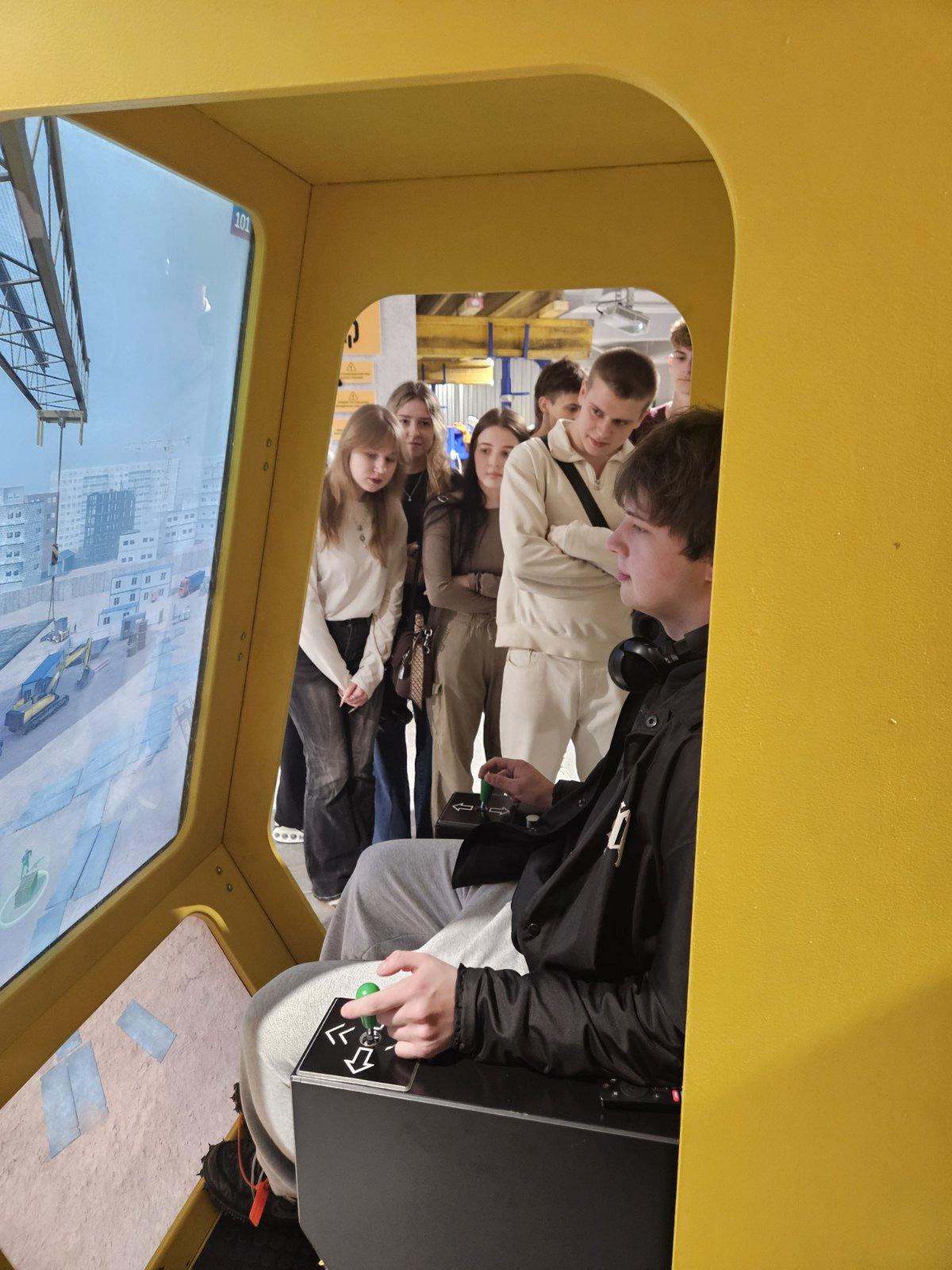
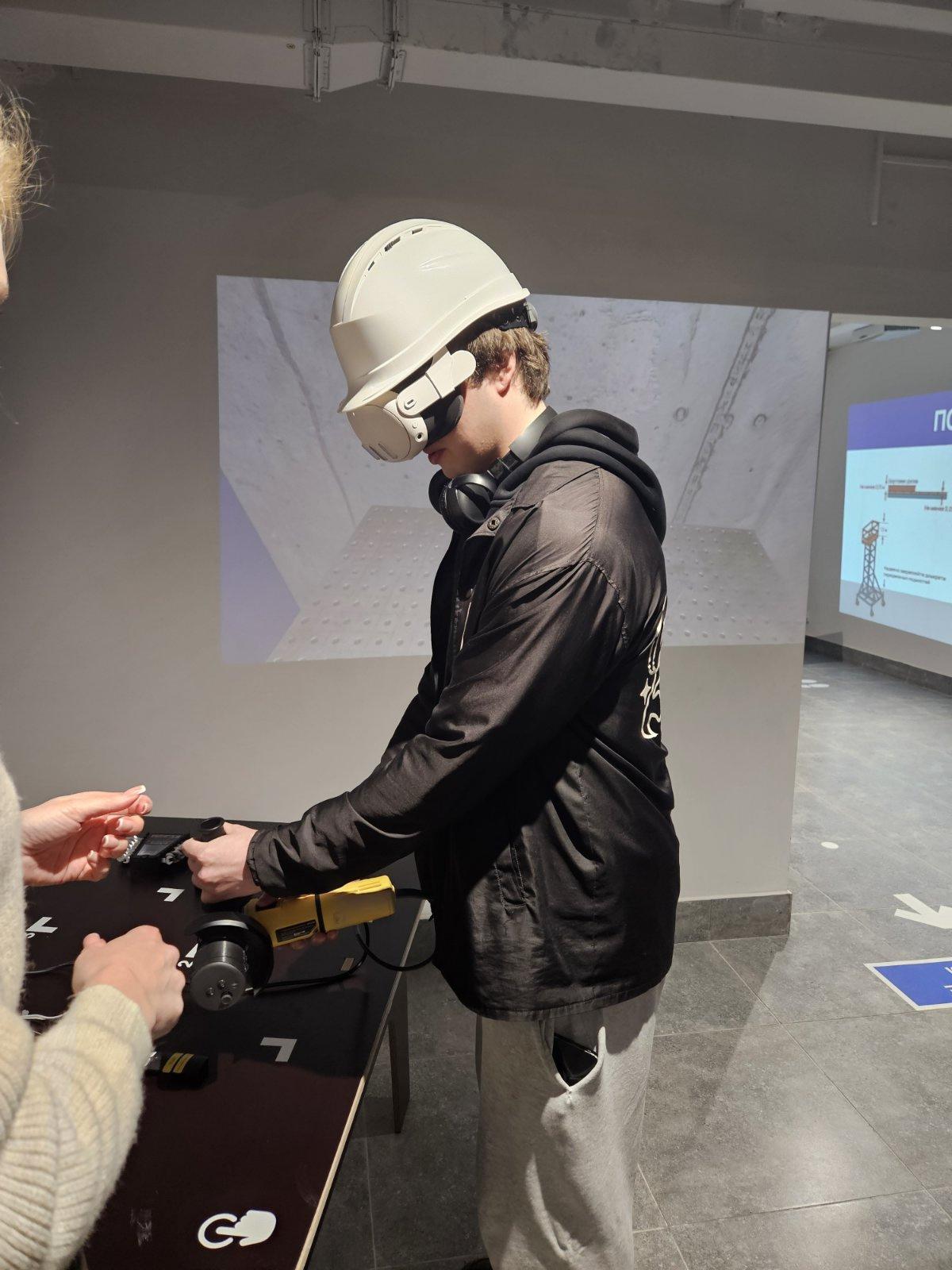
• 16-seat VR simulators: This allows for full-scale group training, where an entire team can practice coordinating actions at a hazardous site in a safe virtual environment.
• Specialized training grounds: Working at heights and in confined spaces are among the highest-risk areas in construction. The availability of training grounds transforms the learning experience from a lecture to a training session. • Robot mannequins: Indispensable for practicing resuscitation algorithms when precision and speed are essential.
The introduction of digitalization of occupational safety training in the Occupational Safety Department, using computer technology, allows for more effective implementation of didactic principles such as information accessibility and evidence-based learning, maximizing the interests and capabilities of students studying occupational safety, thereby facilitating student understanding of the topics covered in the discipline, and also allowing for variability depending on changing goals, objectives, and stages of training.
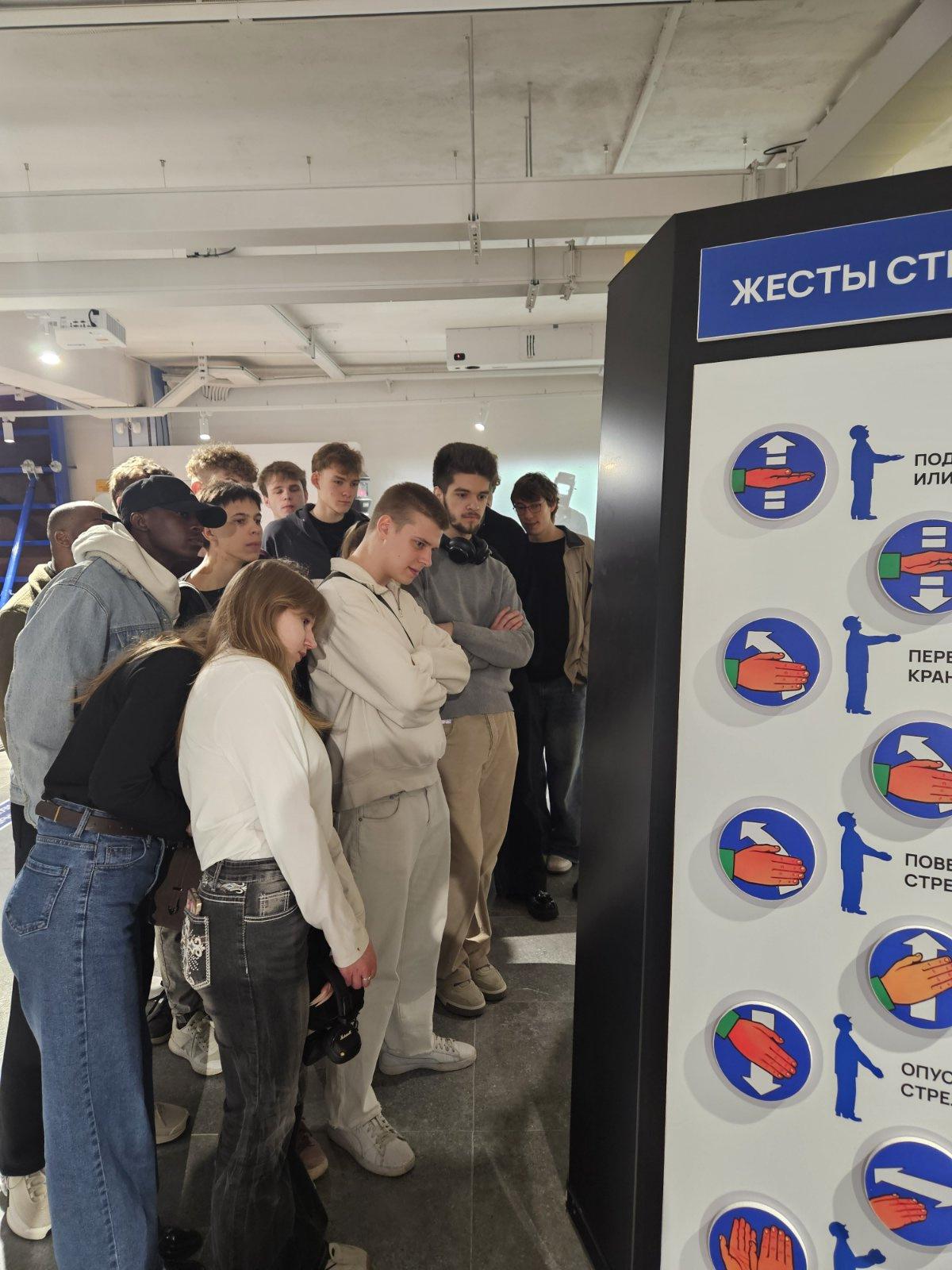
Today, according to the BNTU schedule for the Occupational Safety and Health course for the spring semester of the 2025-2026 academic year, the faculty of the Occupational Safety and Health Department have organized off-site training sessions for second-year students of the Faculty of Civil Engineering (20 hours of laboratory classes (one off-site session in each subgroup of five study groups)). Students practice their theoretical knowledge, skills, and abilities acquired during their education in BNTU lecture halls.
For students, such classes offer an opportunity to develop an individual development trajectory and practice the knowledge, skills, and abilities acquired during their education, engage them in joint research and scientific activities carried out by the Occupational Safety and Health Department, and prepare for work in real production using industrial equipment.
This complex transforms the Occupational Safety and Health Department of the Faculty of Mechanical Engineering and Technology into a full-fledged center for practical training. competencies, where scientific and methodological work (graduation projects) can be based on the results of real-world tests and experiments conducted at these sites.
These resources have already been put into active use this semester, including for new student cohorts.