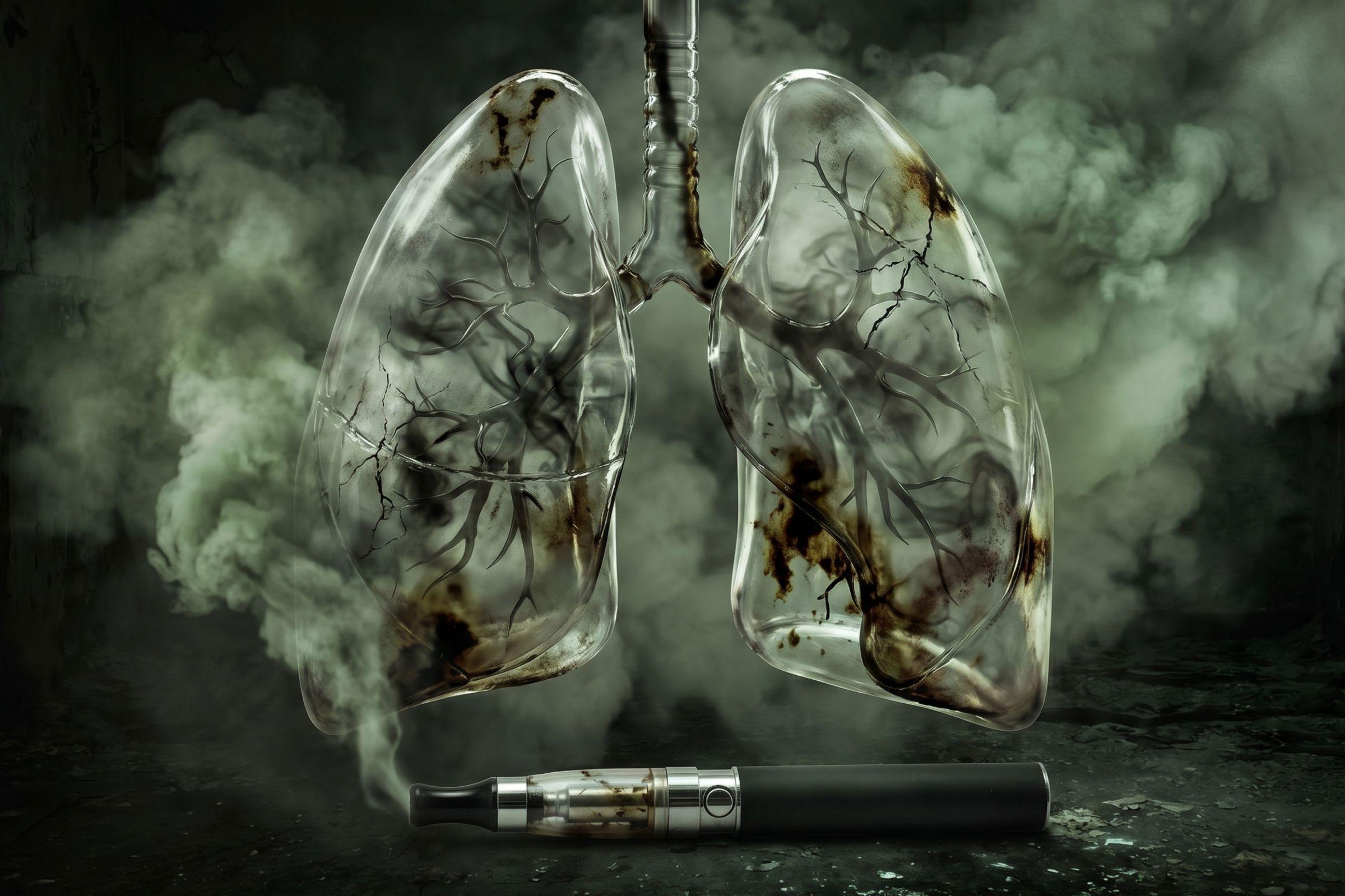
Vaping (from the English word "vaping") is the process of using an electronic cigarette, vaporizer, or other similar device. Vapes are an inhalation method, the second most popular method of delivering the dangerous substance nicotine. The official birth date is considered to be 2004, with the first patent filed back in 1963. Vaporizers were invented as a means of quitting bad habits. An electronic cigarette, vaporizer, or vape is a smoking device that uses cartridges filled with a special liquid instead of tobacco.
Vapes are known to contain over 30 types of hazardous substances. Vape liquids include propylene glycol, glycerin, nicotine, diacetyl, and flavorings. Inhaling the vapor introduces heavy metal ions into the body, including tin, nickel, lead, cadmium, chromium, silver (which has a toxic effect), and others.
Vaping is not a safe alternative to tobacco. Vaping is addictive due to nicotine and toxic chemicals, causing damage to the lungs, cardiovascular system, and cells. Vaping is unsafe and leads to respiratory problems, risk of heart disease, and potential cancer. The main risks include addiction, lung damage, and toxicity.
Effects of vaping on the body:
Respiratory system: Inhaled vapors cause inflammation, lung irritation, coughing, shortness of breath, lung tissue damage, "popcorn sickness" (scarring of the airways), and an increased risk of asthma and chronic obstructive pulmonary disease (COPD);
Cardiovascular system: Increased blood pressure and heart rate increase the risk of heart attacks, strokes, and atherosclerosis; hypertension, acute coronary syndrome, cardiac arrhythmias, and heart failure are also reported;
Nervous system: Nicotine is highly addictive, and heavy metals in aerosols cause dizziness, headaches, memory loss, and cognitive impairment;
Dentistry: dry mouth, risk of gingivitis, periodontal disease, bleeding gums, and tooth loss, as well as changes in the oral microflora;
Appearance and immunity: Flavorings promote the formation of free radicals, accelerating aging, and suppress the immune system;
Endocrine glands – hormones with high biological activity that support growth, development, reproduction, adaptation, and behavior; thyroid hormone production is disrupted;
Reproductive system: decreased male testosterone levels and decreased sperm count, negatively affecting the female reproductive system, especially during pregnancy;
Risk of injury: Vapes can explode, causing severe burns to the face and mouth;
Chemical effects: The aerosol contains carcinogens (cancer-causing substances), heavy metals, and toxic flavorings, which, when inhaled, penetrate deep into the lungs.
Other effects: addiction (nicotine dependence), nicotine poisoning, eye/mouth irritation, headaches, and inflammation.
Vapors often complain of headaches, dizziness, memory loss, decreased concentration, emotional and other disorders—irritability, aggression, depression, nausea, diarrhea, and abdominal pain.
Vape risk groups:
Adolescents and young adults: brain damage, rapid development of addiction, nicotine tolerance, and transition to tobacco;
Pregnant women: toxic substances negatively affect fetal development, causing stillbirths or birth defects;
Allergy sufferers: flavorings often cause severe allergic reactions;
People with chronic conditions: People with asthma, heart disease, and vascular disease are at increased risk of exacerbations and complications.
While evidence suggests that vaping may be a less harmful alternative for adult smokers trying to quit, it is not without risks. While it generally contains fewer carcinogens than regular cigarettes, it still carries a high risk of cardiovascular and lung disease. Also, sharing a device with others can lead to the transmission of infectious diseases, including hepatitis and tuberculosis.
Therefore, vaping is not an alternative to traditional smoking. When vaping, highly complex mixtures of chemicals are delivered to the lungs and then through the systemic bloodstream to all organs and tissues, the effects of which on the body are not yet fully understood.
