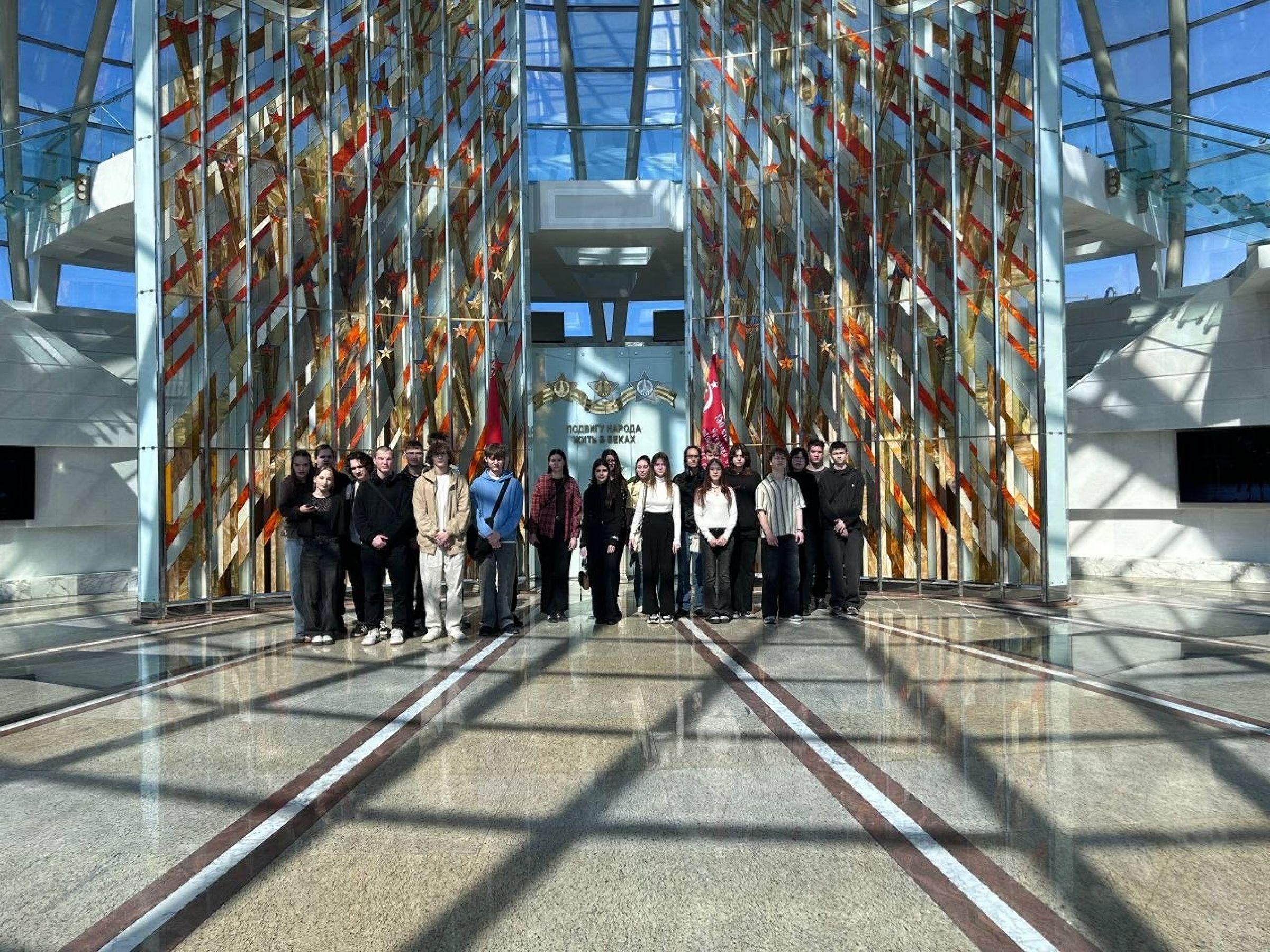
On April 3, first- and second-year students went on a tour of the Belarusian State Museum of the History of the Great Patriotic War, one of the largest and most modern military history museums in the country.
The Great Patriotic War left a deep mark on the history of every Belarusian family. Preserving the memory of the people's heroism and passing it on to the younger generation is a task that students and faculty of the BNTU Faculty of Engineering and Pedagogy are addressing, in part through visits to significant sites.
For reference: the museum opened back in 1944 and is currently housed in a monumental building shaped like a fireworks display. Its exhibition comprises 11 halls, each sequentially chronicling the war.
A tour through time
The students walked through the halls, where each exhibit bears witness to those terrible yet heroic days. The first halls immerse you in the pre-war atmosphere, and then – the sudden blow of June 22, 1941. The students saw soldiers' personal belongings, weapons, awards, and letters from the front.
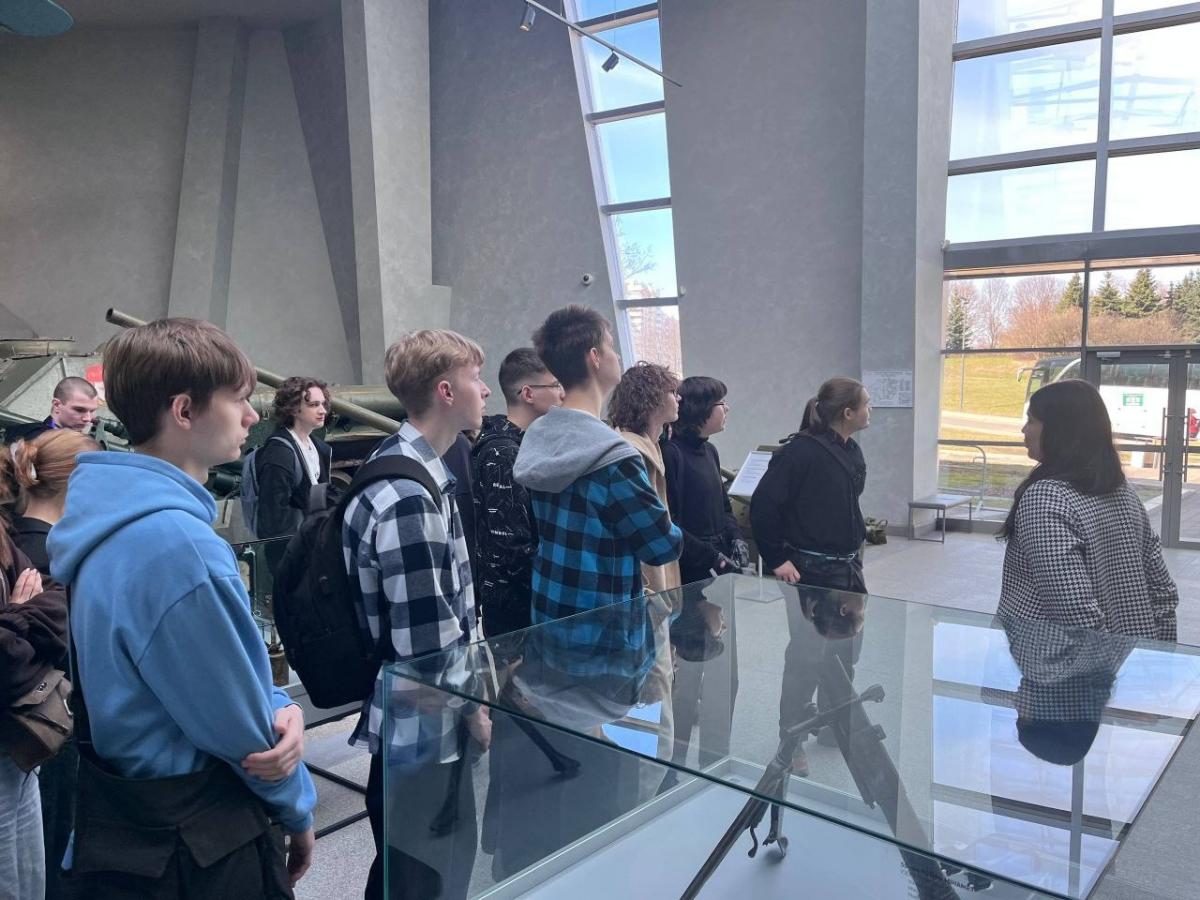
The hall dedicated to the partisan movement in Belarus was particularly moving. On display are dugouts, a printing press where underground fighters printed leaflets, and weapons crafted by the people's avengers.
The final part of the exhibition is the "Victory Hall" – a sculpture of a soldier-liberator, a wall with the names of Heroes of the Soviet Union and a Book of Remembrance.
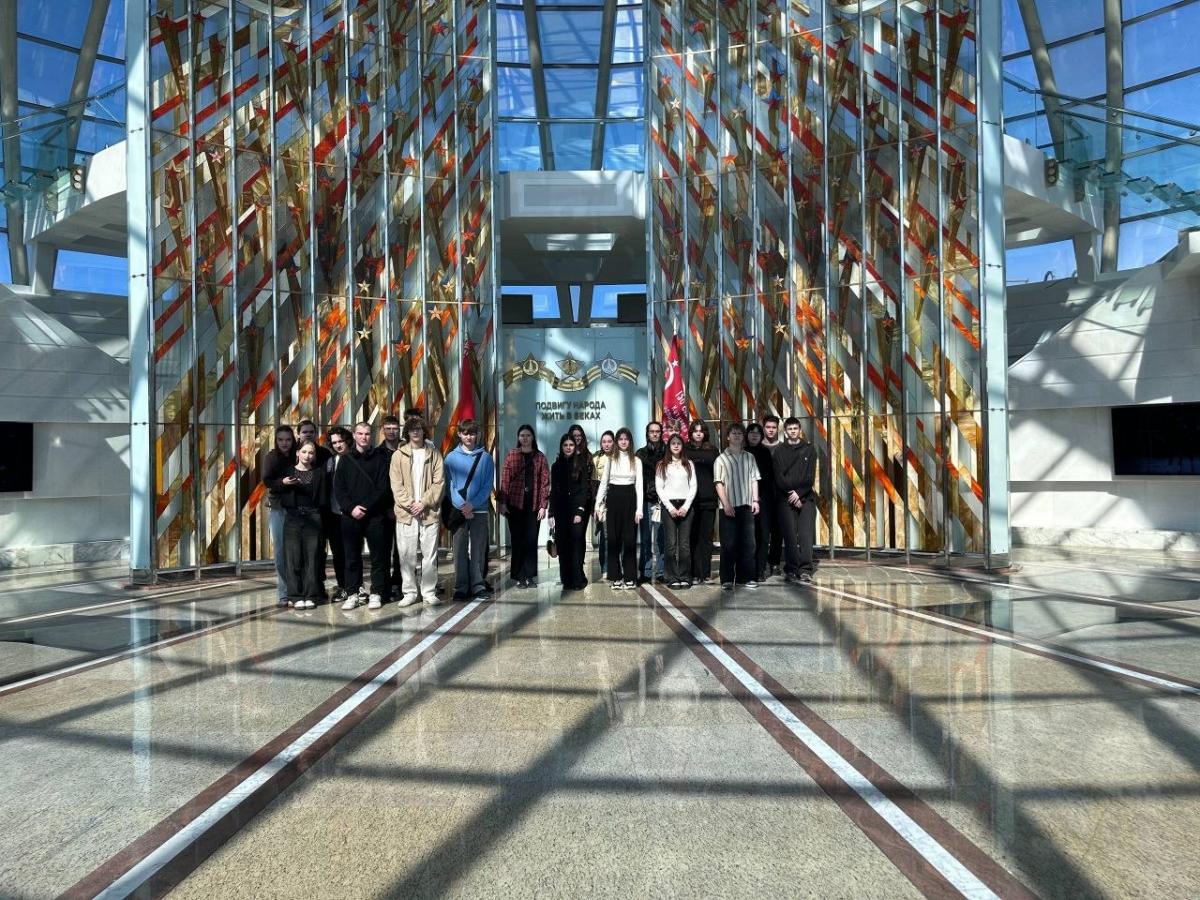
According to the guide, the museum not only preserves the memory of the Soviet soldiers' heroism but also showcases modern methods of reconstructing the events: multimedia screens, interactive maps, and holographic installations are used. The students noted that this format helps them better understand the scale of the tragedy and heroism.
After the tour, the students shared their emotions and impressions of what they had seen. Their words are the best proof that the museum leaves an indelible mark on the soul.
"Honestly, I wasn't prepared for such power," a first-year student shared her impressions. "What touched me most were the soldiers' letters to their families. They write—from their mothers, wives, and daughters—and you realize that many of them never returned. I really hope no one ever experiences something like this again."
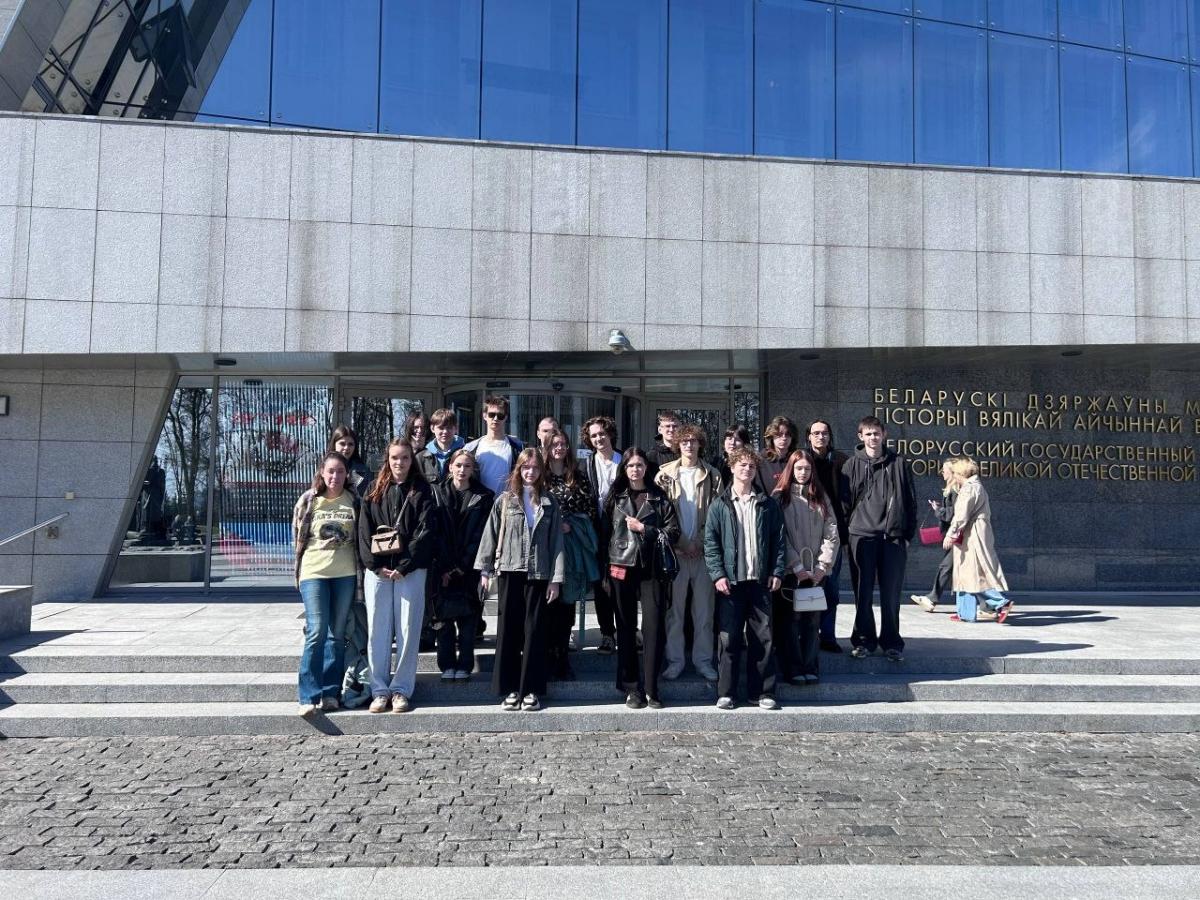
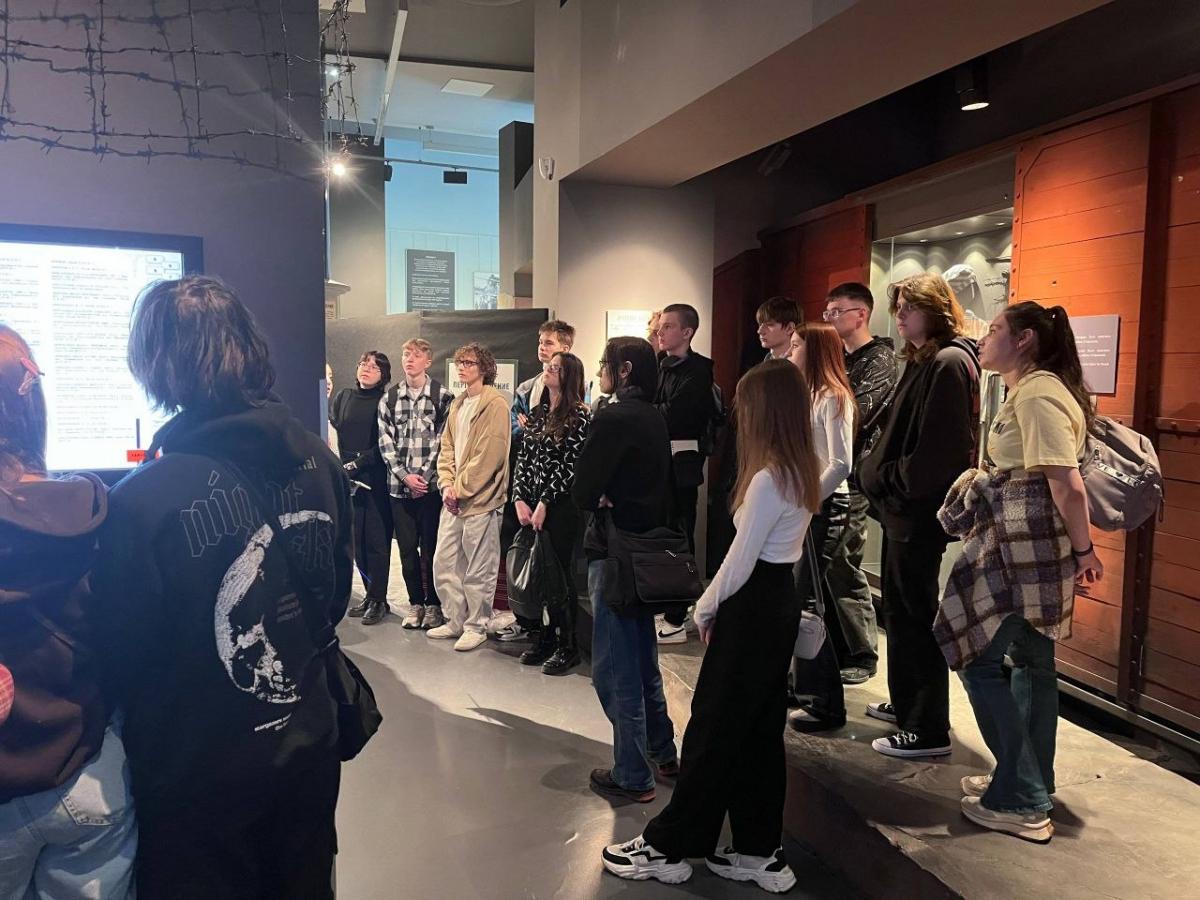
For first- and second-year students, the tour of the Great Patriotic War Museum was more than just an educational experience; it was a profound emotional experience. The students left silent and thoughtful, yet filled with gratitude to those who defended their freedom.
"I thought I knew the history of the war from textbooks and films. But when you see a real bullet-riddled helmet, a mangled machine gun, and soldiers' personal belongings—it's a completely different story. The partisan hall was especially striking: how people lived in the forests, blew up trains, and risked every day. These are true heroes."
The memory of the war lives on as long as those who pass it on from generation to generation are alive. And today, students from the Faculty of Engineering and Pedagogy have proven they are worthy of this memory.
