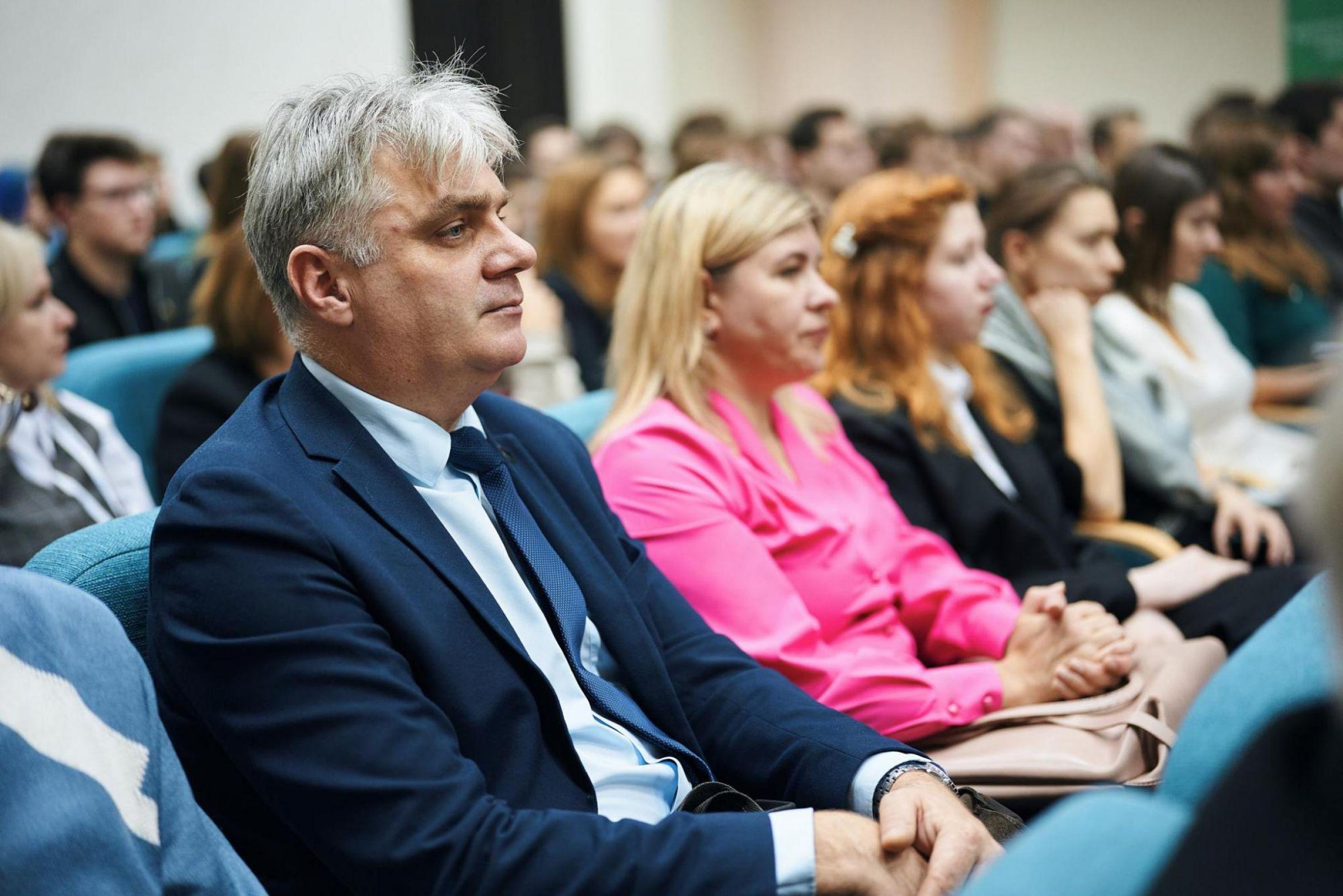
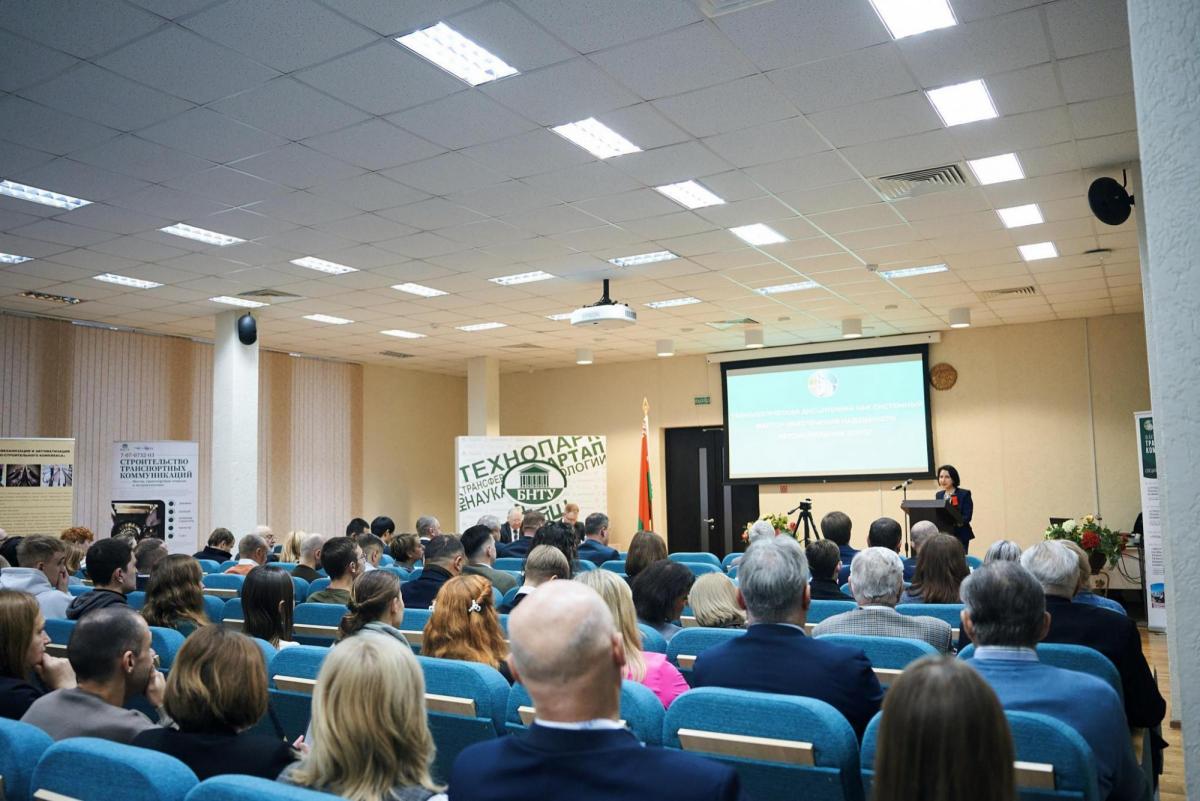
Yesterday, on December 18, 2025, the 5th International Scientific and Technical Conference "Road Construction and Its Engineering Support" began at the BNTU Science and Technology Park "Polytechnic." The event brought together representatives from universities and research organizations from Belarus, Russia, Armenia, China, Uzbekistan, and Turkmenistan to present the latest developments and exchange experiences in the design, construction, and operation of road infrastructure.
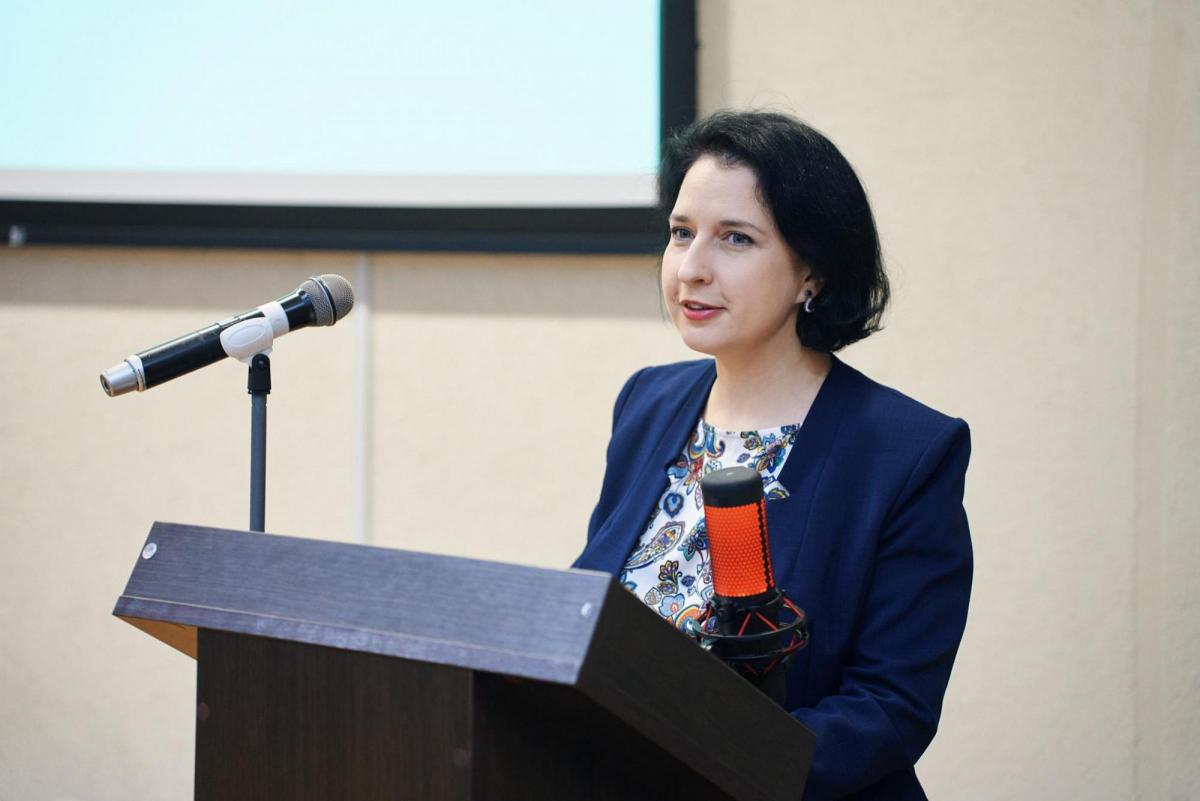
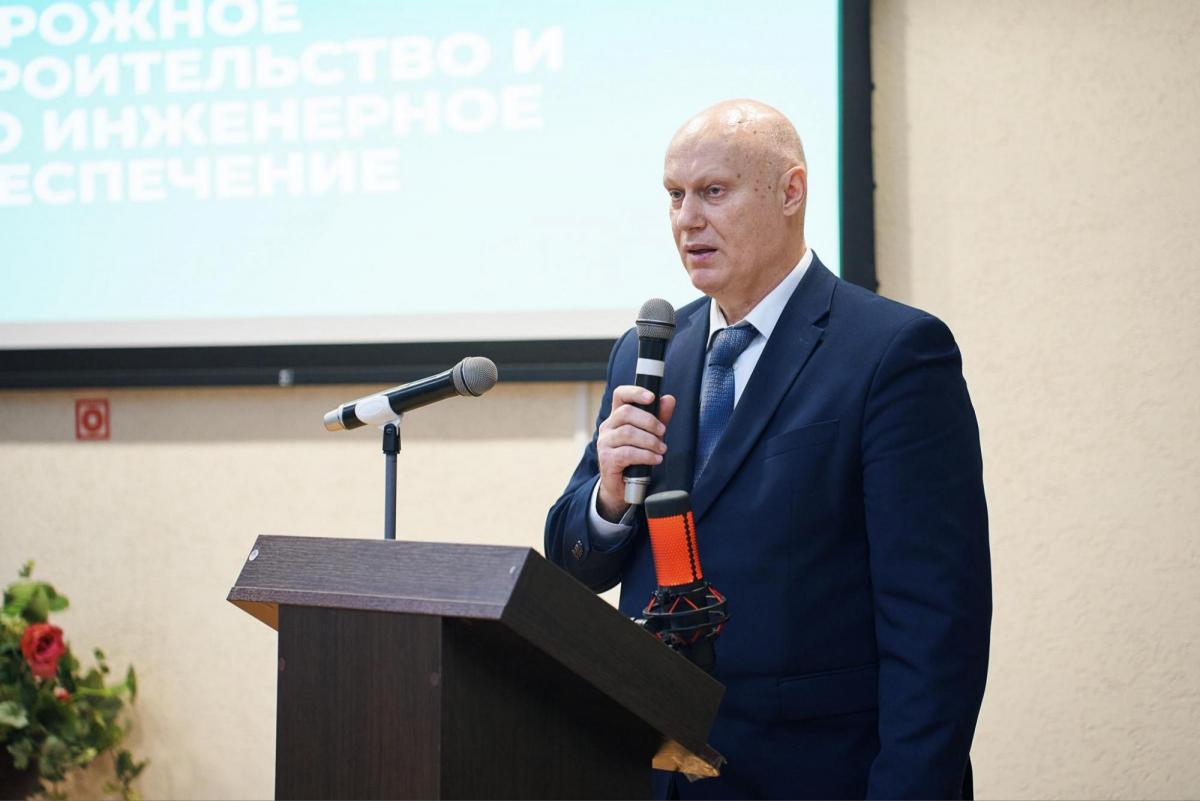
The plenary session was opened by Deputy Rector for Research of BNTU, Ksenia Yakushenkа:
– The 5th International Scientific and Technical Conference "Road Construction and Its Engineering Support" is a key platform where academic research meets the needs of the road industry.
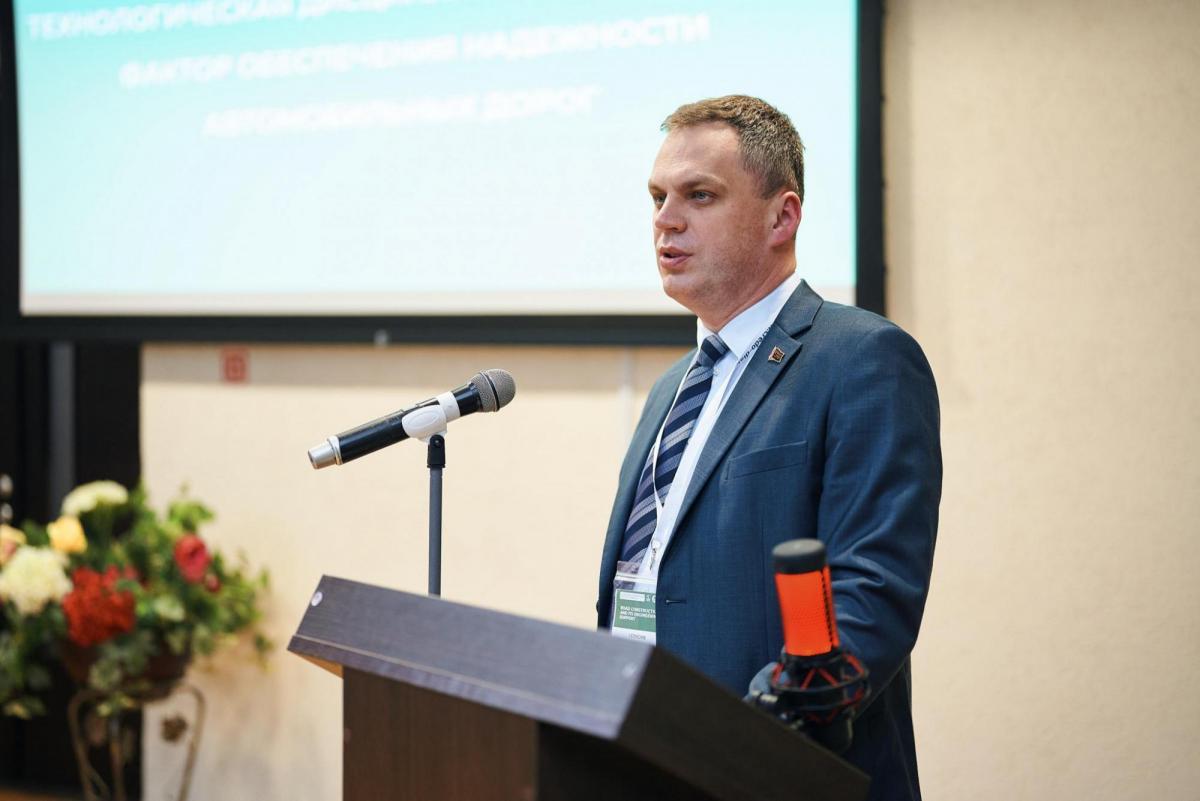
The series of reports was opened by the Deputy Head of the Main Directorate of Highways of the Ministry of Transport and Communications of the Republic of Belarus, Sergey Leonchik. He summarized the results of the state program "Roads of Belarus" and addressed pressing staffing issues.
– Over these 5 years, we have managed to repair and reconstruct 18,000 kilometers of roads and nearly 500 bridge structures. All of this is done for the people, so that in every corner of the country they feel comfortable and safe.
At the end of his speech, Sergey Leonchik presented honorary certificates from the Ministry of Transport and Communications to the following BNTU employees:
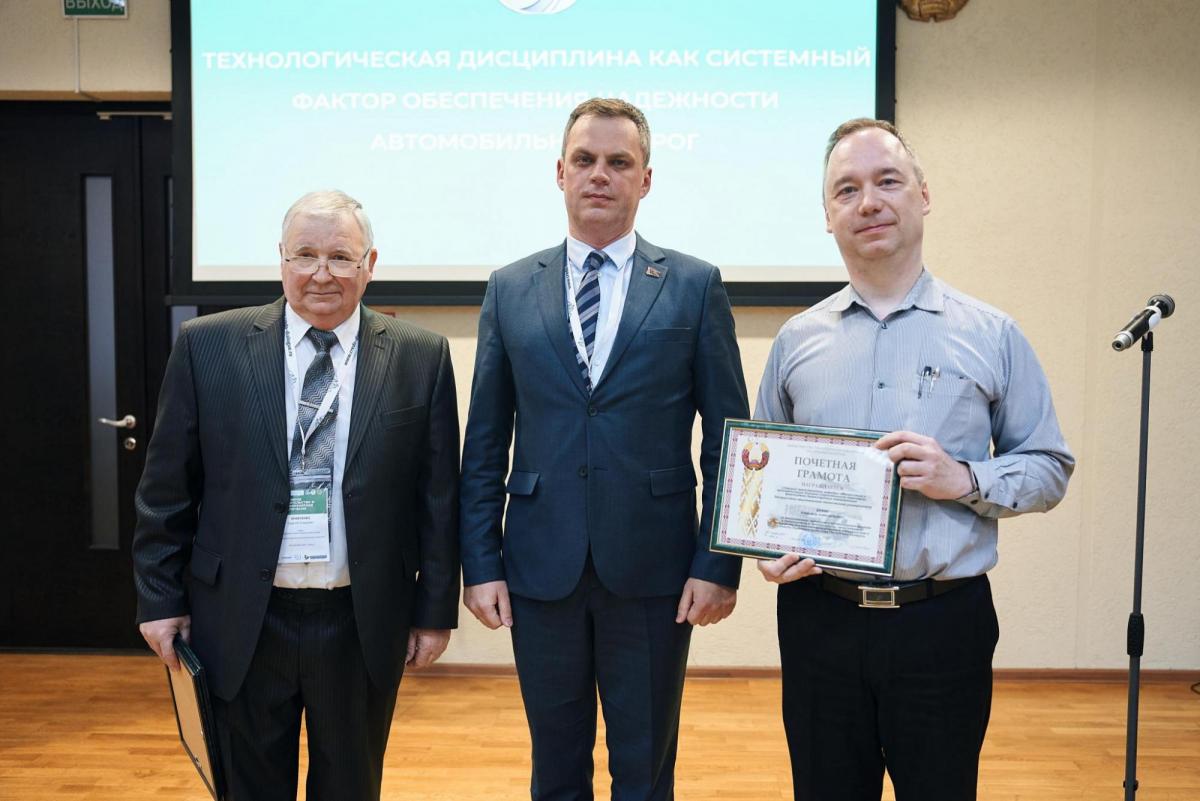
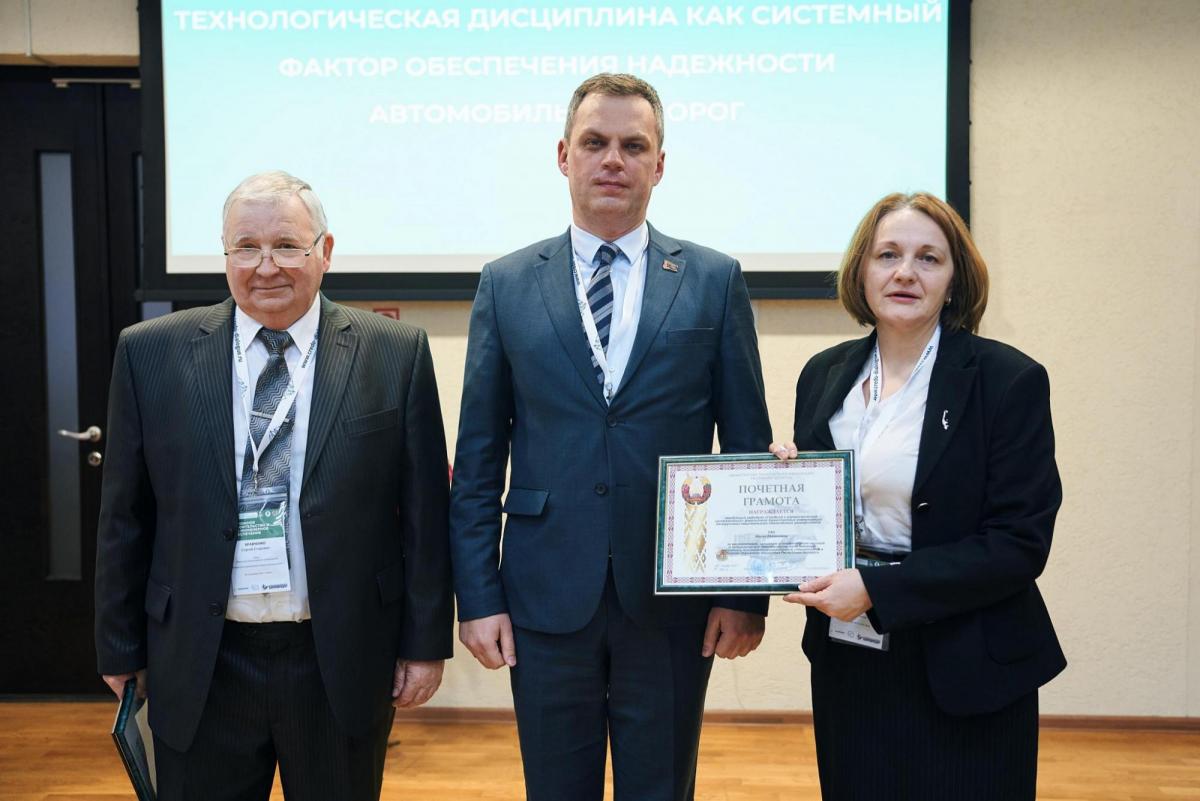
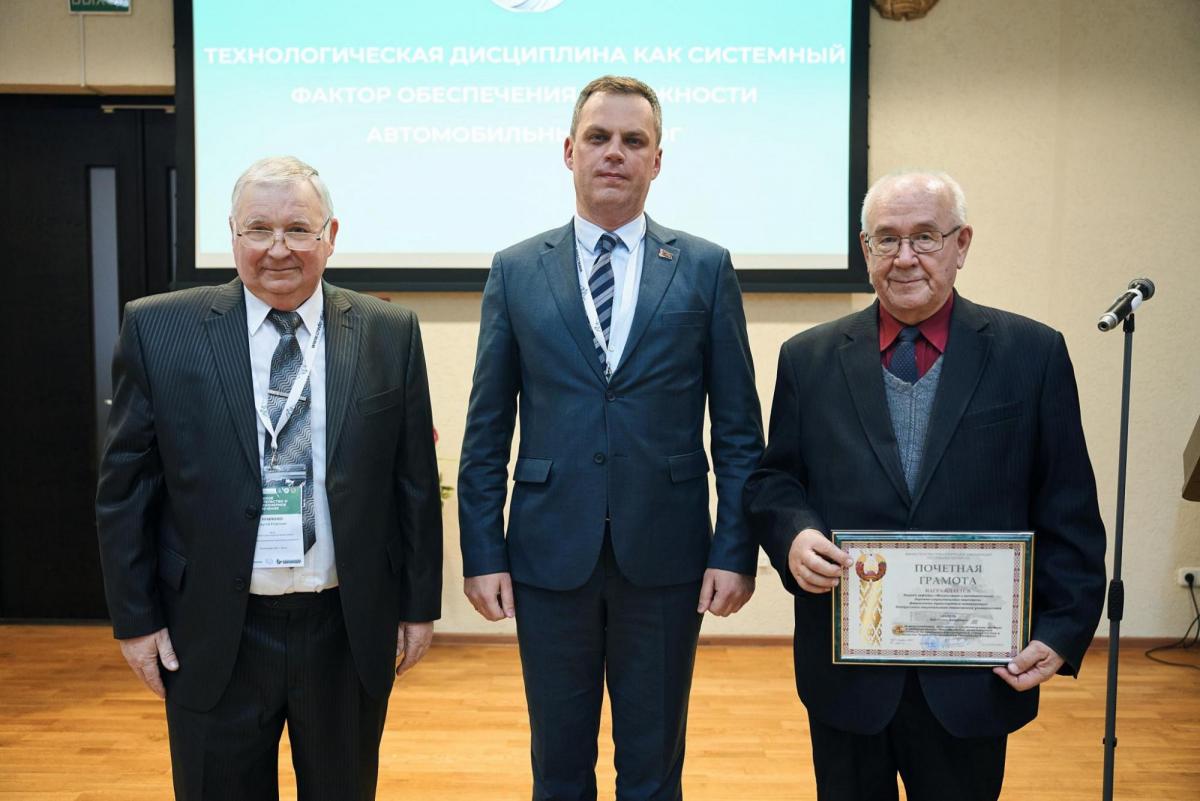
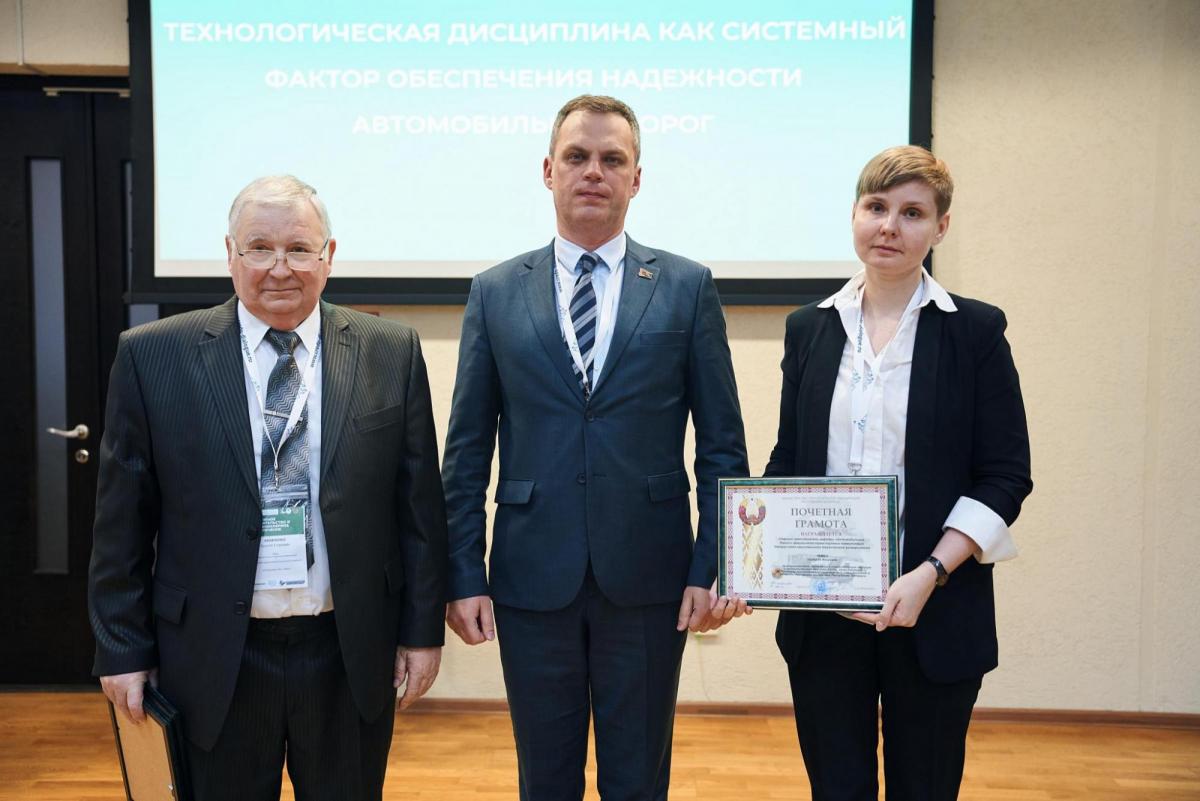
The fundamental aspects of road quality and reliability were the subject of a report by the Dean of the Faculty of Transport Communications, Sergey Kravchenko. He presented a systematic analysis of one of the factors of reliability – technological discipline.
– Technological discipline is the conscience of a person. One can work with the attitude of 'it'll do, no one will notice.' But the road will notice and, in the end, will hold us accountable. That is why our task is to cultivate this conscience in students from their first year. Technological discipline is an integral characteristic of the maturity of the road industry.
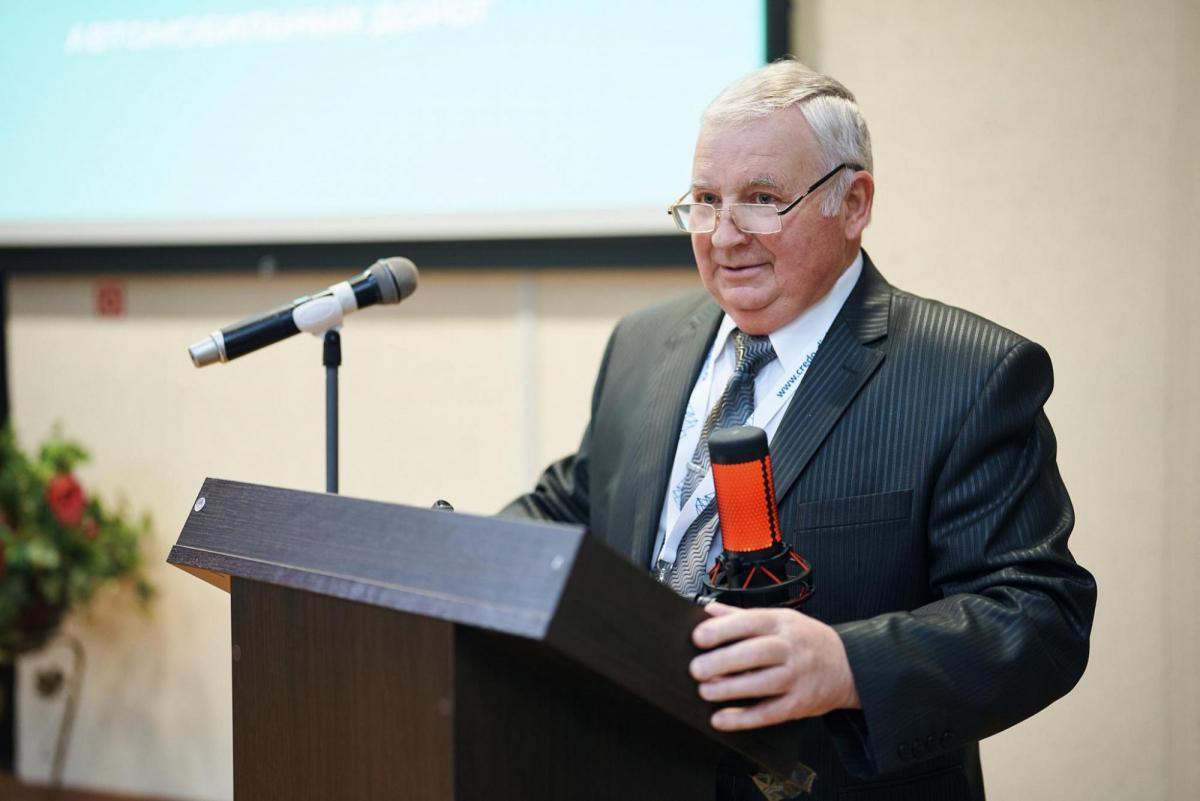
The dean linked the technological discipline with the quality of personnel and presented, as a systematic solution, a draft Concept for the Development of Road Education in the Republic of Belarus until 2035, developed jointly with representatives of JSC "Managing Company of the Belavtodor Holding," GP "Belgiprodor," and the Belarusian State University of Transport. This draft concept was supported by the conference participants and recommended to be sent to the Ministry of Transport and Communications of the Republic of Belarus for consideration and adoption.
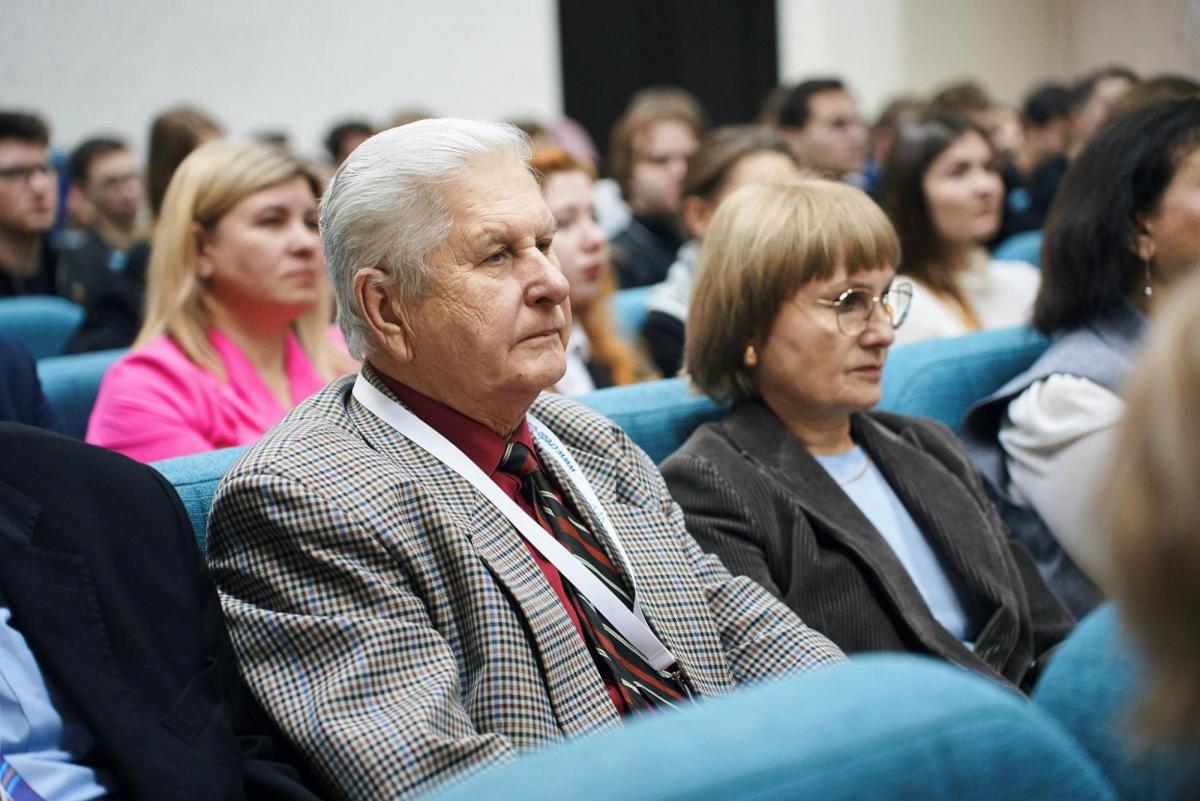
At the plenary session, representatives of road organizations and research centers and institutes also spoke. The speakers presented their ideas and highlighted pressing issues in the development of road management, proposing concrete solutions.
Professor Zen Men Yuan from Tongji University also spoke at the conference. His report focused on monitoring road surfaces, specifically the issues related to aquaplaning. The Chinese researcher presented a ready-made monitoring system that assesses risk by measuring the thickness of the water film on the pavement.
– This is my first visit to Belarus, and despite the weather outside, I am grateful for such a warm welcome. I hope that this conference will provide an impetus for close cooperation between the transport engineering faculties of our universities.

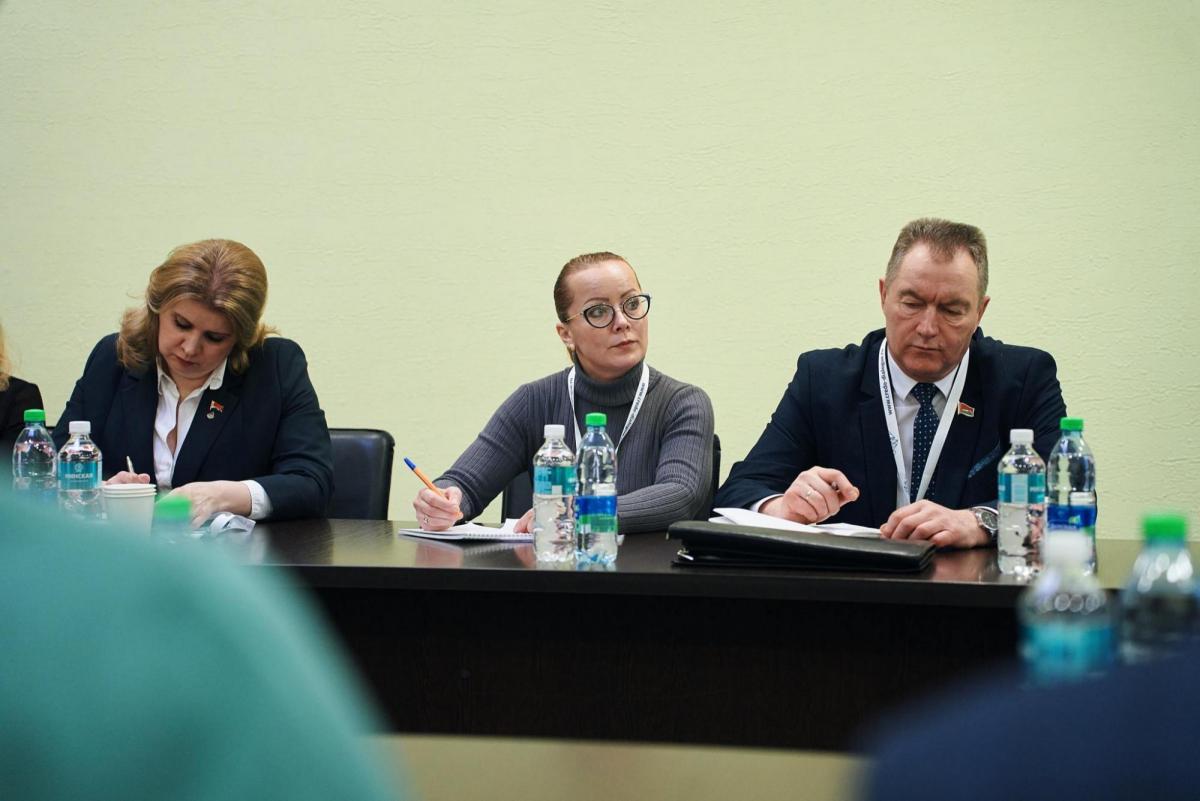
In the afternoon, a round table was held dedicated to issues of targeted training of specialists for the road industry, attended by representatives from leading road management enterprises from all regions of Belarus.
During the event, the dean of the Faculty of Transport and Communications urged enterprise representatives to carefully select candidates for targeted positions and also noted that additional incentive measures are important for retaining talented students.
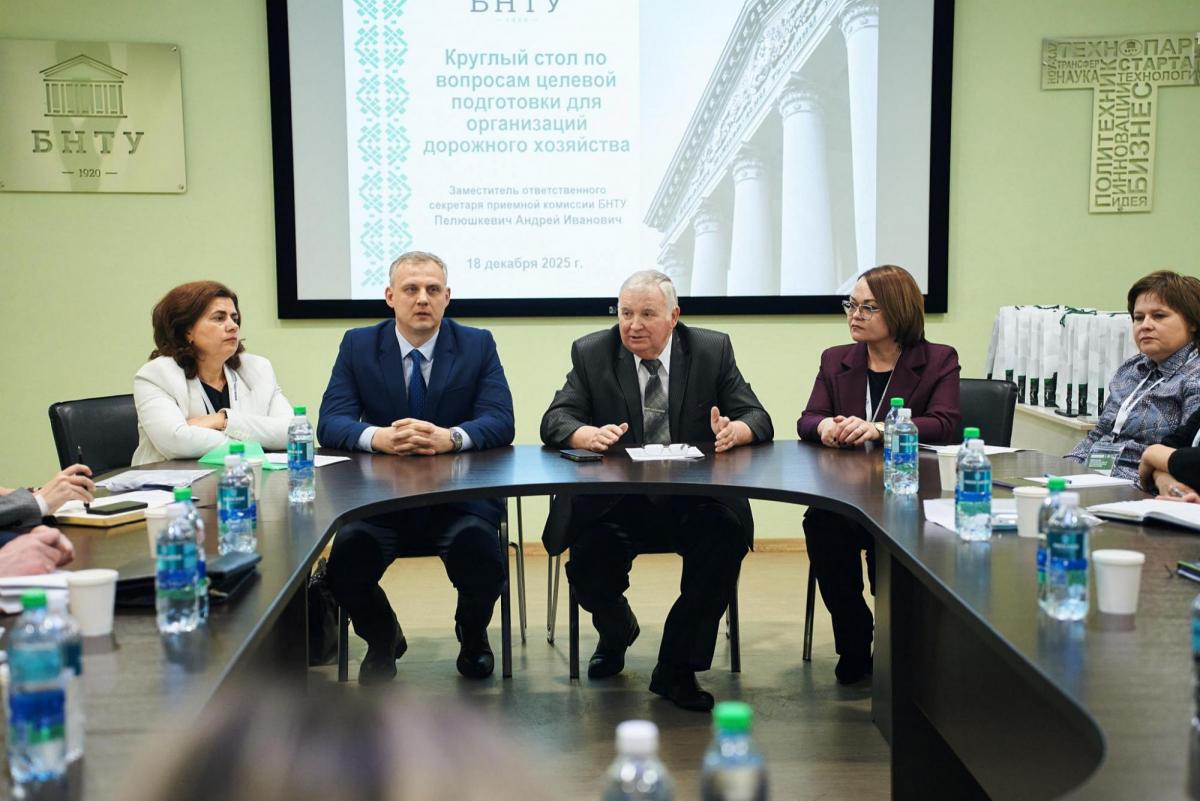
The Deputy Responsible Secretary of the BNTU Admissions Committee, Andrey Pelyushkevich, in his speech, focused primarily on the legal and regulatory framework for admissions under targeted training programs and organizational aspects that must be strictly observed to ensure a smooth and trouble-free enrollment of targeted students in the future.
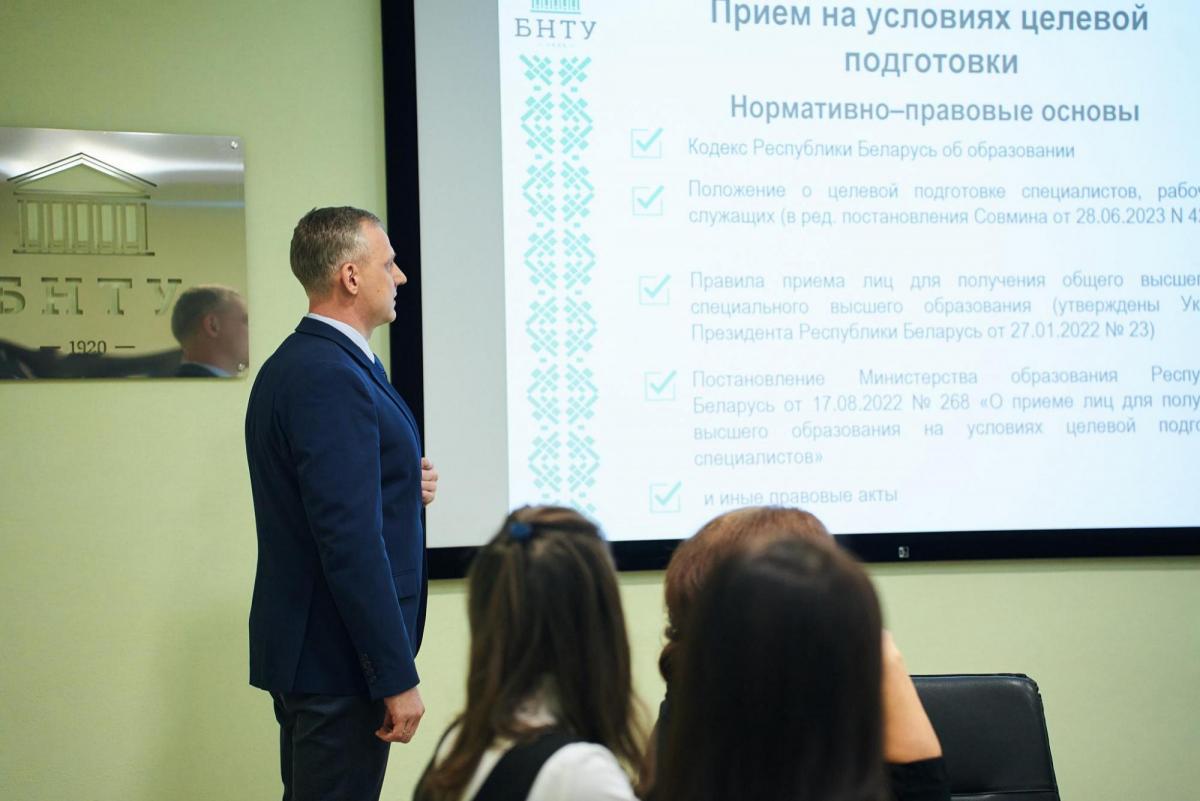
The participants discussed practical mechanisms of cooperation: updating educational programs, joint selection of applicants, conducting career guidance activities of the faculty together with road organizations, and providing financial support to students.

Yesterday, the conference sections also began their work. Representatives of the Ministry of Transport and Communications, major enterprises and organizations, scientists, and specialists from universities in Belarus, Russia, Armenia, China, Uzbekistan, and Turkmenistan started discussing a wide range of issues – from design and modern materials to operation and environmental matters.
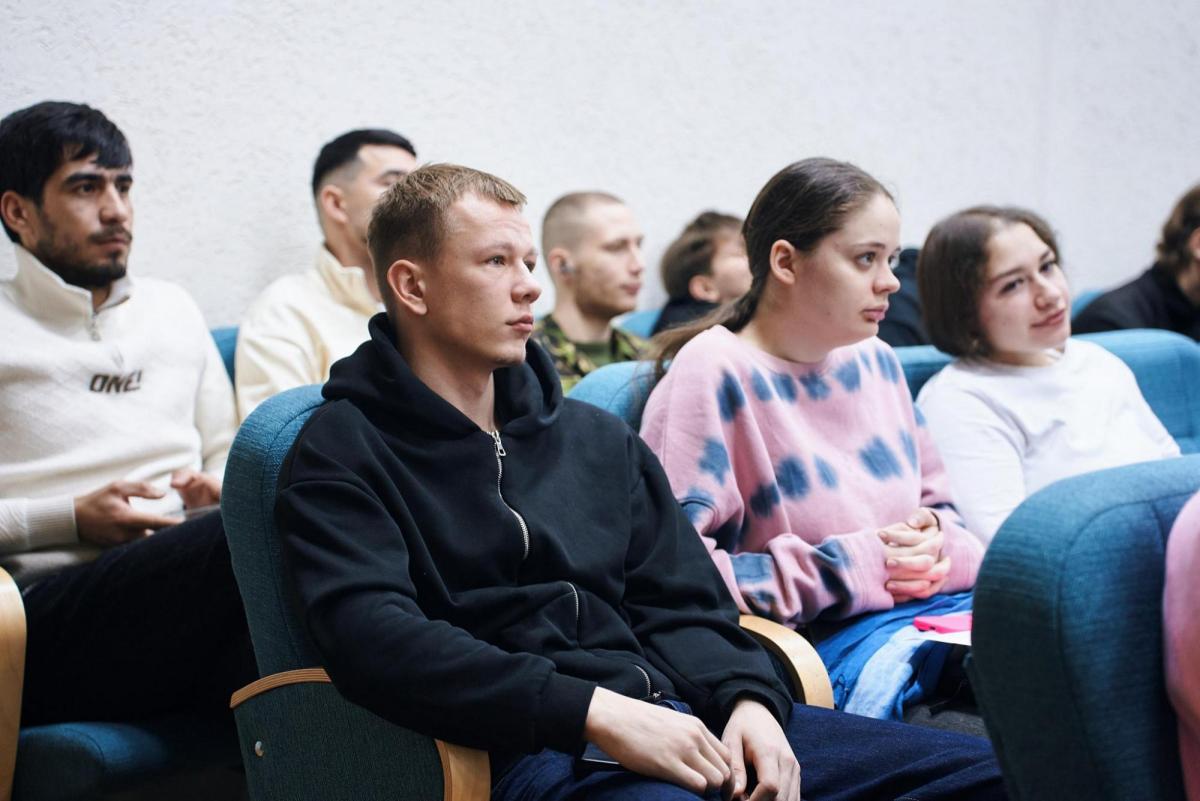
The work of the sections continues today, December 19. As part of the conference activities, participants present new scientific research and practical developments, and discuss the application of advanced technologies in road construction, including digital modeling and artificial intelligence.
