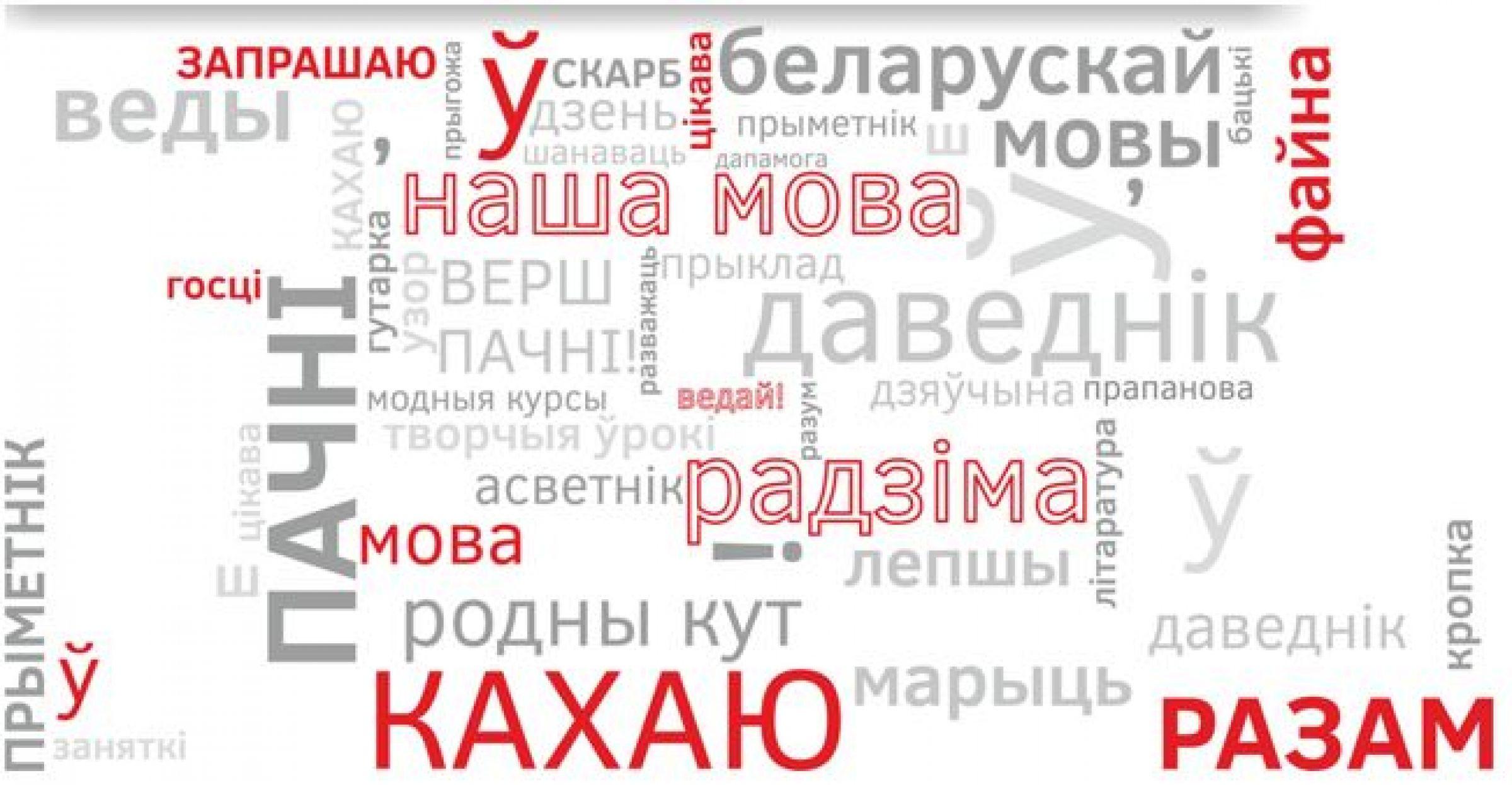
International Mother Language Day is celebrated worldwide every year on February 21.
The Day was established at the 30th General Conference of UNESCO on November 17, 1999 to promote linguistic diversity and multilingual education, support national languages and cultures, preserve national identity, ensure the right of everyone to use their mother tongue and promote awareness of linguistic and cultural traditions based on mutual understanding, tolerance and dialogue.
The February date was chosen as a tribute to the events of 1952, when students participating in a demonstration in defence of their mother tongue were killed by police bullets in the capital of Bangladesh. The students demanded recognition of Bengali as one of the state languages.
In February 2000, the UN General Assembly, emphasizing the importance of cultural and linguistic diversity, supported the UNESCO decision to proclaim International Mother Language Day and called on all states to contribute to the protection and preservation of the world’s languages.
Linguistic diversity is a great heritage and a unique product of human creativity. Language provides a seamless link between its native speakers, between the past, present and future.
Nowadays there are about 6,000 languages in the world, but according to UNESCO, 43% of them may disappear in the near future, having lost the last native speakers. According to research, one language disappears every two weeks, taking with it a unique cultural heritage.
The Republic of Belarus is a multinational state. There are more than 140 nationalities living in our country, and any representative of them has the opportunity to use their native language.
Belarusian is the mother tongue of most residents of the Republic of Belarus. Therefore, the country has a consistent policy of supporting and developing of the Belarusian language.
