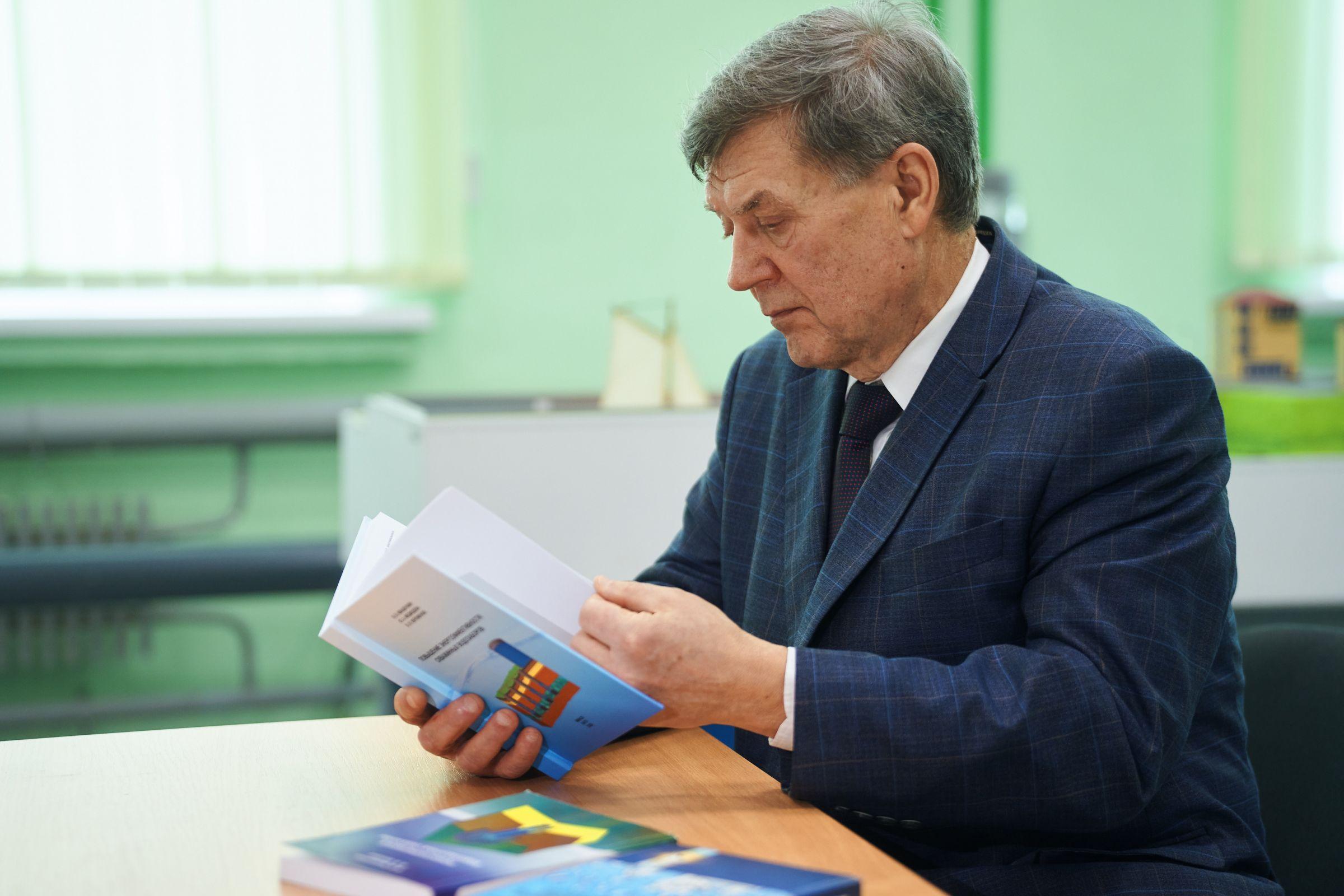
On Wednesday, February 25, a Decree was signed awarding state honors to 32 representatives from various fields. Among those honored are two representatives of BNTU: Vladimir Ivashechkin, Professor of the Department of Hydraulic and Energy Construction, Water Transport and Hydraulics at BNTU, awarded the Medal «For Labor Merit,» and Evgeny Tikhonstov, an athlete-instructor of the Belarusian national weightlifting team and a postgraduate student at the BNTU Sports and Technical Faculty, awarded the honorary title "Honored Master of Sports of the Republic of Belarus."
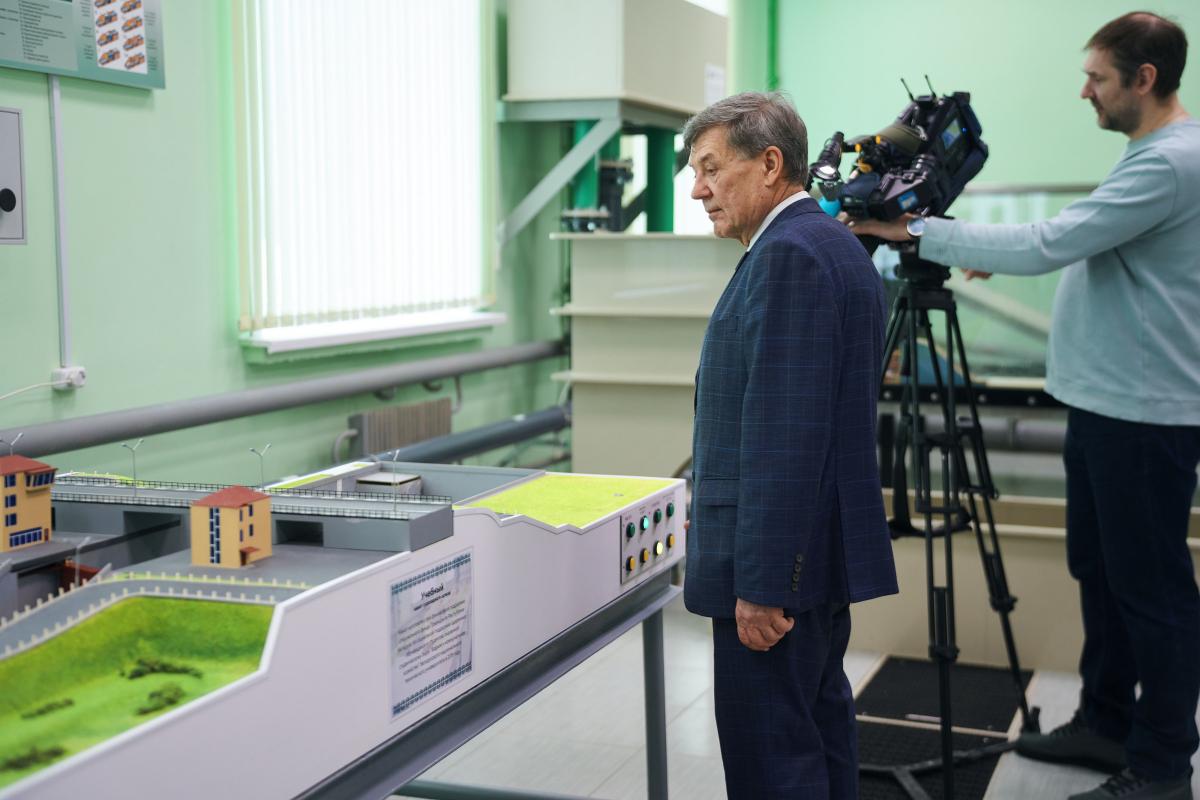
In today's interview, Vladimir Ivashechkin shares the story of his professional journey, the "resuscitation" of wells, and his reflections on receiving the award.
— I consider myself a patriot of my country and of the university I graduated from and where I have worked my entire life. I grew from an engineering laboratory assistant at the department to head of the department, dean, and doctor of sciences. I think this many years of work will be recognized. This award mobilizes you and fills you with a sense of responsibility. I continue to work, I have PhD and doctoral students, and we are participating in a new five-year state program of scientific research. You cannot stop.
Professor of the Department of «Hydraulic and Energy Construction, Water Transport and Hydraulics» path to BNTU (then BPI) began during his student years, with scientific research work that would later become his life's work.
— During our studies, we took hydraulics for one semester, and I really liked this subject. I volunteered to carry out research work. It involved the construction of a dam on a reservoir in Raubichi. It was very interesting: for that time, a fairly high dam, beautiful circular-crested spillways. We made a model of these spillways in the laboratory and "flushed" it, as hydraulic engineers say. I prepared a report, presented it, and felt drawn to that department.
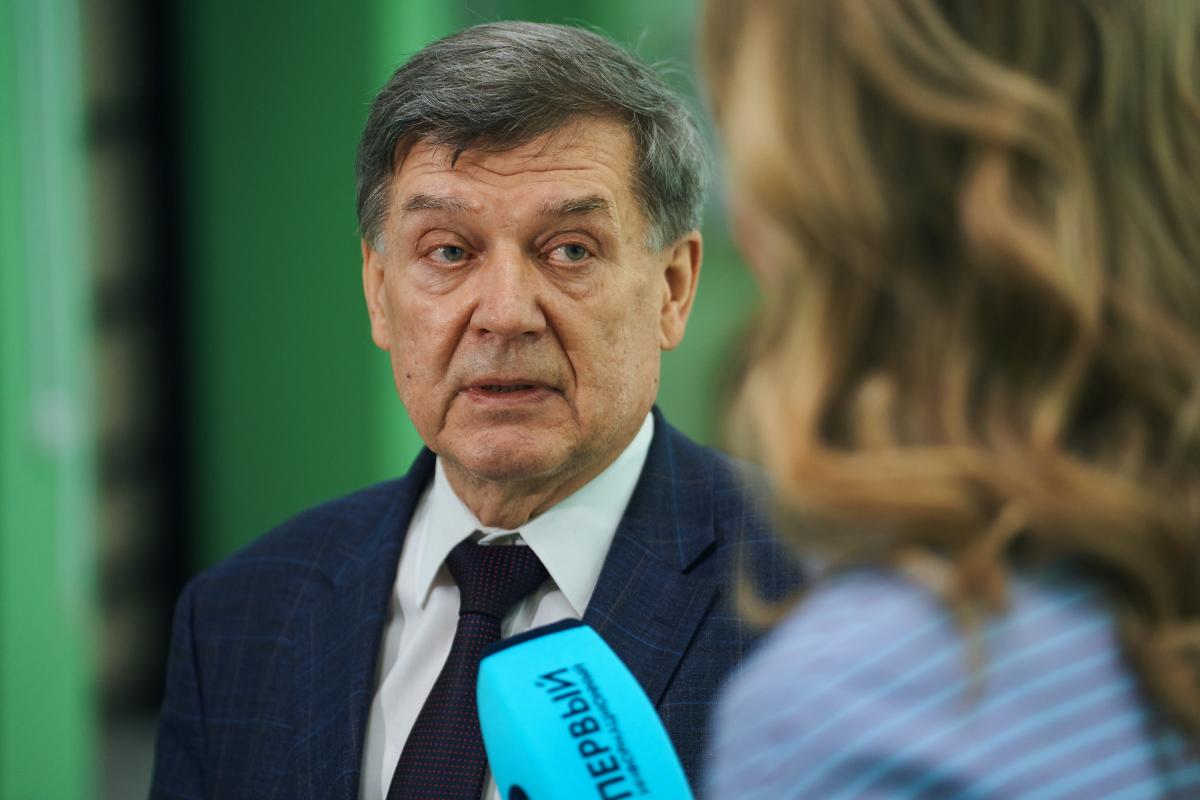
When Vladimir Vasilyevich defended his diploma, he was offered a position at the department. Later, in 1988, he defended his PhD thesis, which was on underground hydraulic structures — water intake wells. In it, he developed a technology for restoring the productivity of their filters. Then came years of implementation, well drilling, and establishing new designs, which helped gather enough practical material to finally defend his doctoral dissertation in 2012 on improving the efficiency of groundwater extraction.
— Why has your heart been in this topic for over 40 years? What gives you the strength to continue working on it to this day?
— I like that my work provides real, tangible efficiency. Imagine this: I go to a well that is practically no longer working, it's about to be plugged and taken out of service. I carry out resuscitation work there, and it starts yielding water in sufficient quantity again. I get immense satisfaction from that. And at large water intakes with 20–30 wells, we resuscitate entire groups and select optimal pumps. We develop computer programs, hand them over to the client, and they can reduce electricity costs themselves, which affects the cost of water. So, there's not just my personal satisfaction, but also a real economic and social effect.
According to Vladimir Ivashechkin, teaching is a very interesting process, because you need to study a huge amount of literature, and then present this material in a lecture or show it in a presentation. And when you see that students understand you, that there is feedback, that their eyes light up, you yourself get pleasure.
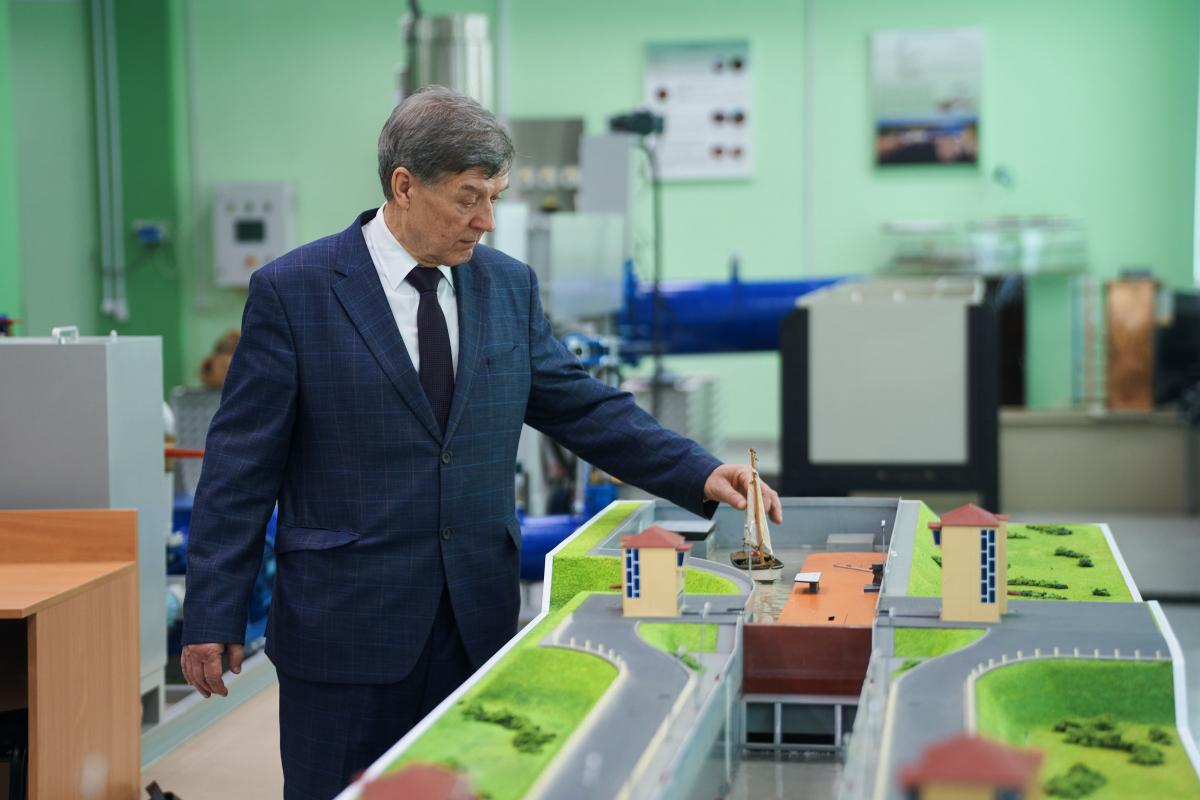
Vladimir Vasilyevich has gone through real-world production and is ready to share his experience with students.
— My specialty is that I have always worked in production alongside my teaching. Implementing my technologies. I have designed dozens of wells, gone through state expertise with them, participated in drilling, and handed over completed wells to clients during drilling and resuscitation. I know the entire process from start to finish. And I try to pass that on to my students. I'm not a bookworm who just sits in the library. I have worked with people. And when you present material connected to real production, students look at the teacher with different eyes. If it seems to you that some lecture won't be useful in life — that's not true. This practical focus, I think, is very important.
— How do you see the future of the hydraulic engineering industry in Belarus?
— The large hydroelectric complexes built in recent years are great; they provide electricity. But now it's important to help the food program. We have many land reclamation systems that were built for drainage. Now they need to be reconstructed so they can also become irrigation systems. This will allow us to achieve high yields and better solve the food problem. Our graduates are in high demand here. Moreover, our hydraulic engineers receive the qualification of "civil engineer." They can build everything: from complex hydraulic structures to residential buildings.
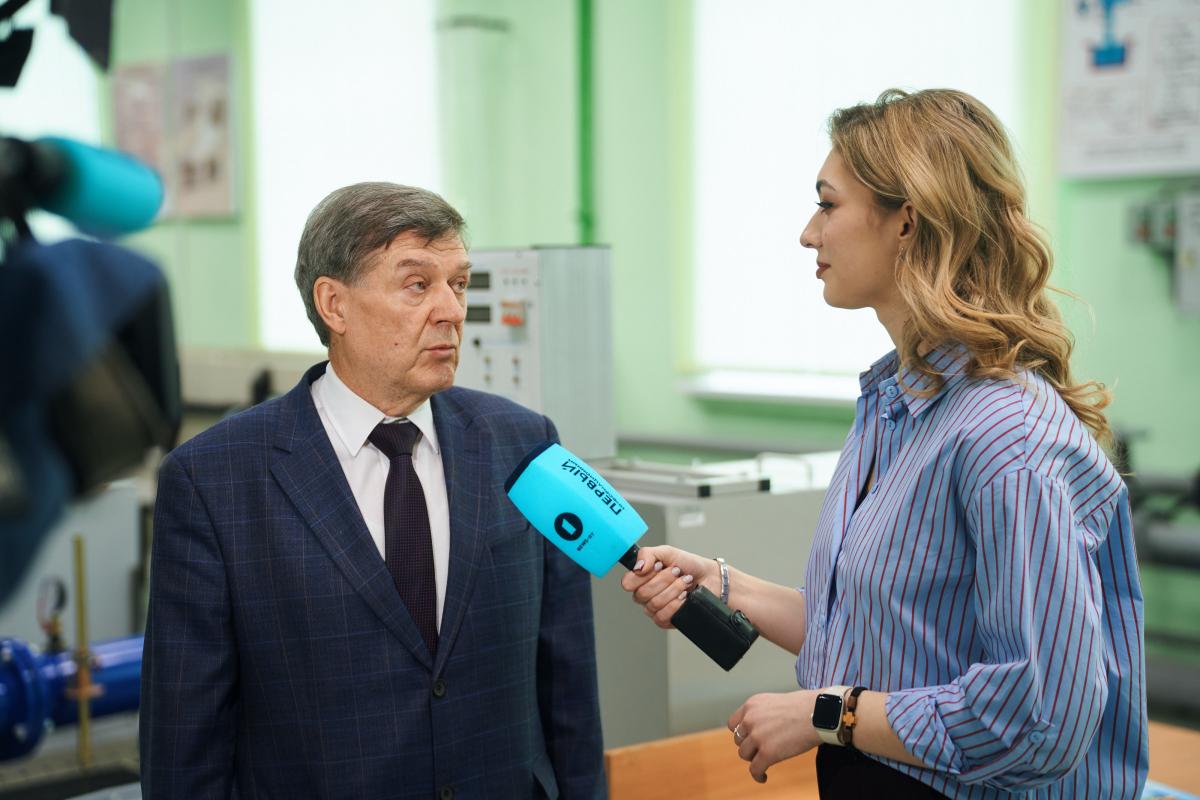
The professor is convinced — knowledge can be obtained from books, but the right attitude towards the profession is cultivated over the years. And, perhaps, the main quality he strives to instill in his students is responsibility.
— The structures our graduates will build — these are nuclear power plants, dams, objects of a high level of responsibility. They must be reliable. Therefore, I try to impress upon students: treat your studies like a job. If you are doing a course project, don't do it just for a "passing grade" somehow, but complete all the points, investigate, understand, use regulatory literature. I try to charge them with responsibility. Study is their main job right now.
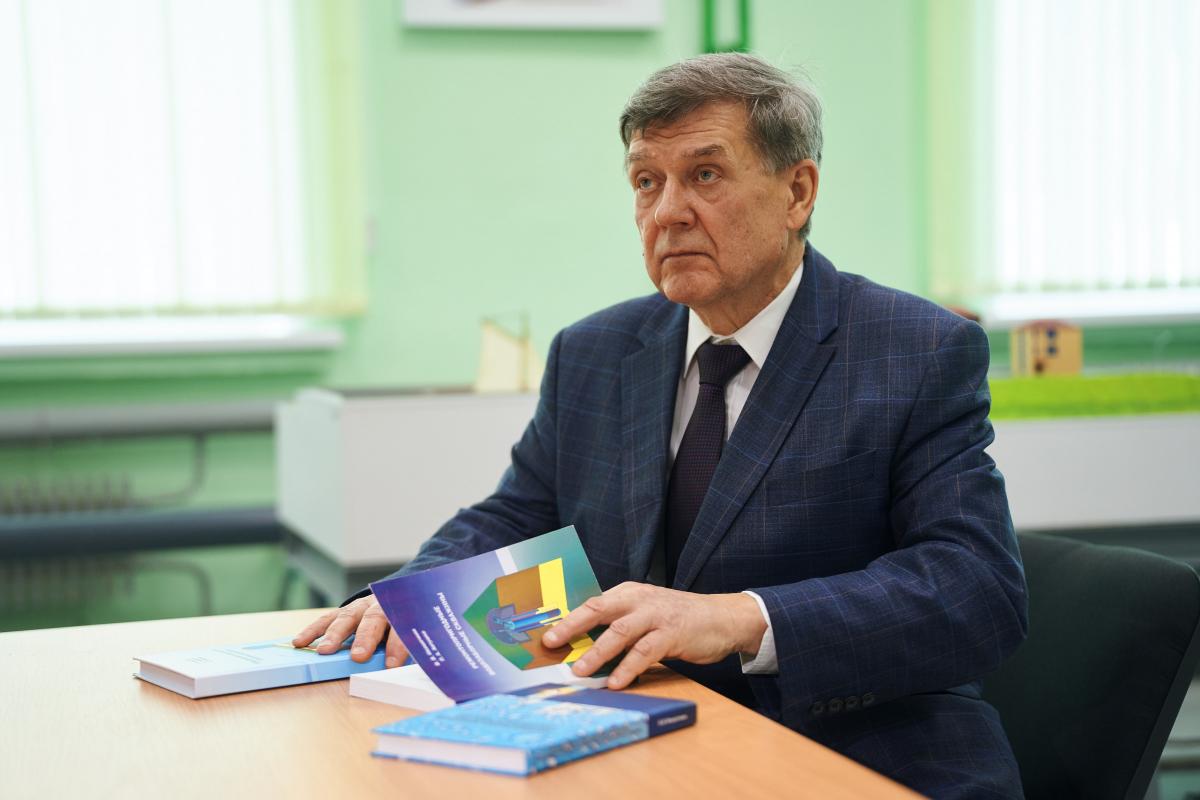
The long journey of Vladimir Ivashechkin from a student in love with hydraulics to a doctor of sciences and head of the department has led him to a simple but important truth: a real engineer begins with responsibility. It is this principle — to treat studies as one's main work — that the professor shares with each of his students. And the recognition in the form of the Medal "For Labor Merit" only confirms: a man who has been charging others with responsibility for decades lives by this principle himself.
