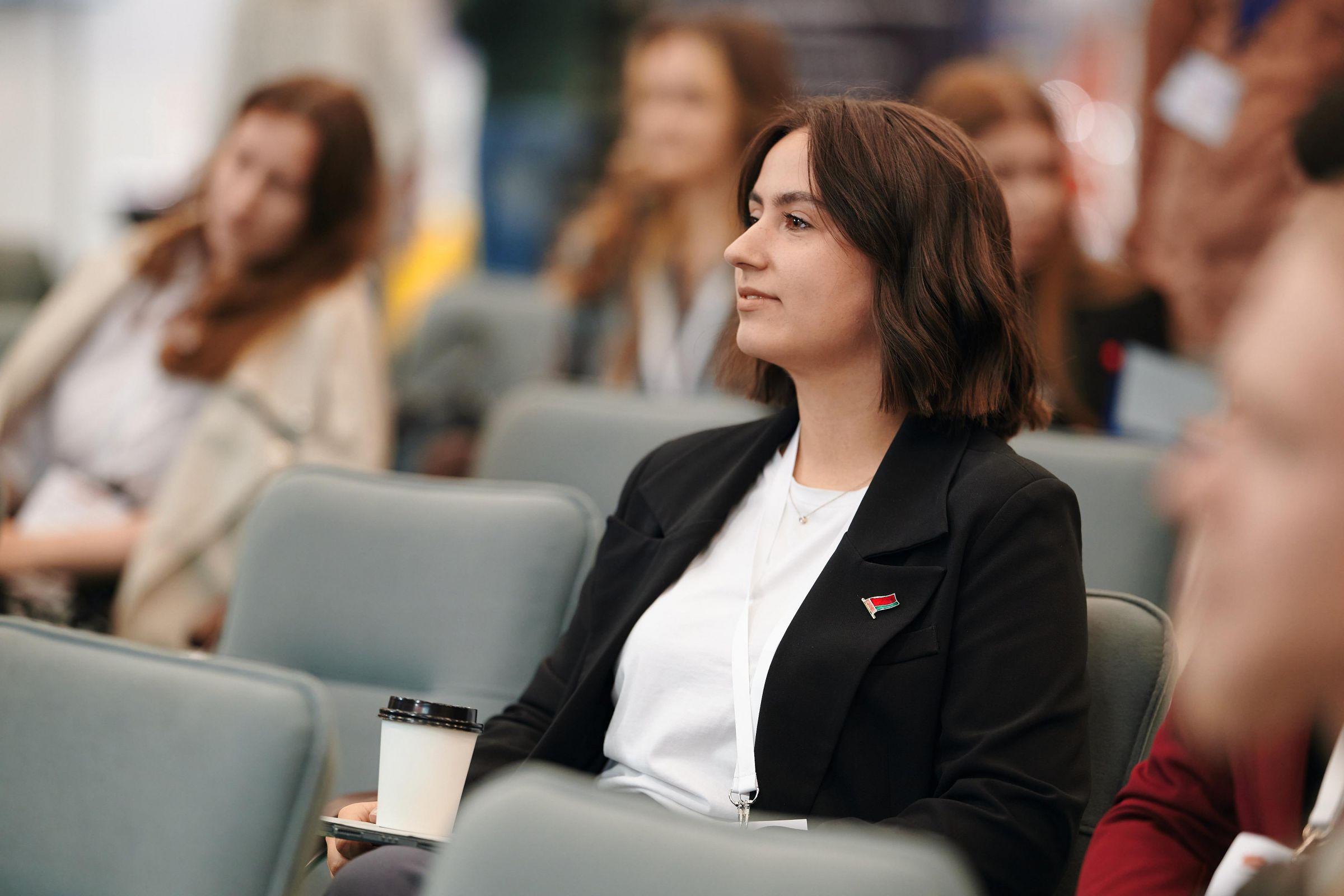
In the Republic of Belarus, 2026 is declared the Year of the Belarusian Woman. In this regard, we continue to get acquainted with girls who have chosen engineering professions. We talked to Angelina Tereshko, a 5th-year student at the Faculty of Architecture at BNTU, to find out what it's like to be a girl in the world of high technology, precise calculations, and bold architectural forms, while also managing the student council of the Faculty of Architecture and the best volunteer team of 2025.
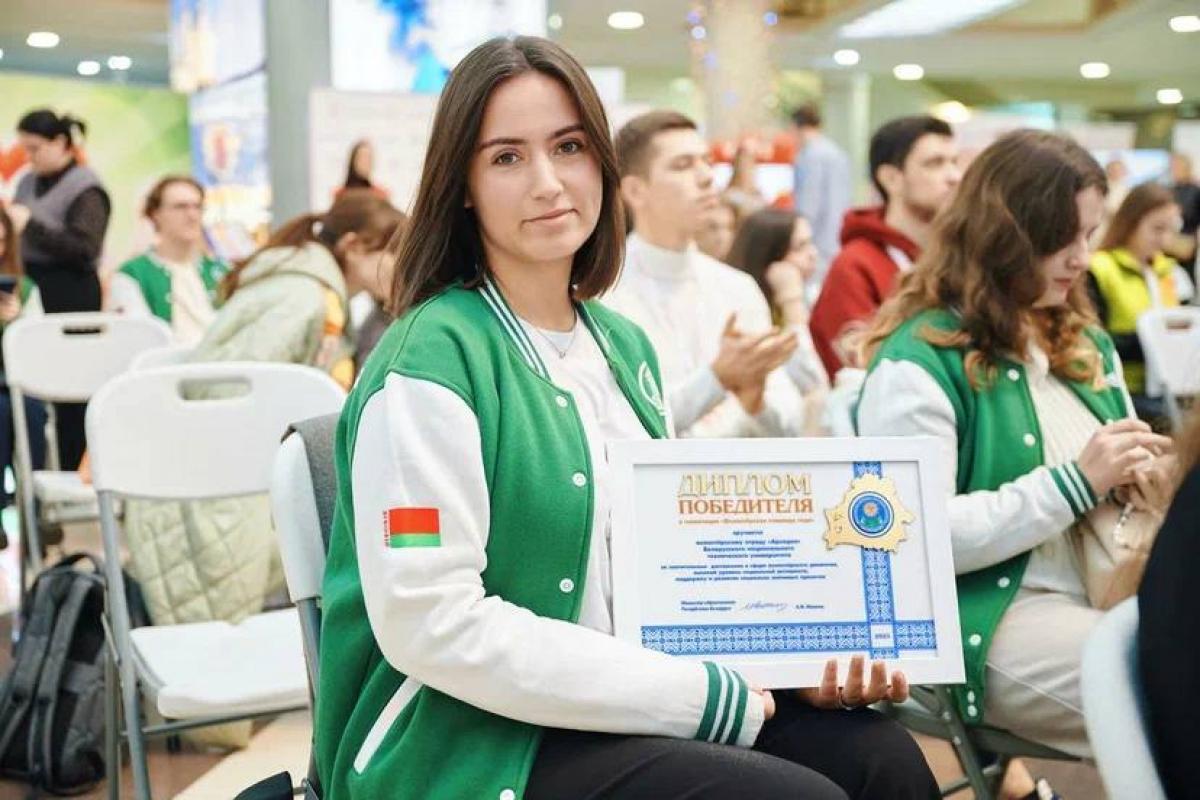
Angelina's choice of profession was influenced by her home, specifically its construction. The girl recalls how she loved to make things since childhood, and the real foundation for her future career was laid when she helped her father with all the stages of building a country house: from pouring the foundation to installing the roof. It was then that she first witnessed the magic of an architectural project. In the 9th grade, she took up drafting, a subject that became her favorite and helped her clarify her goals.
— I've always enjoyed creating and building things with my own hands. However, the most significant impact came from building our country house. I helped my father with every aspect, from pouring the foundation to installing the roof. It was a real, live process, where you could see something big coming out of nothing. And in the 9th grade, we started studying drafting, and I really enjoyed it. It was easy, interesting, and I knew right away that it was something I was good at. After that, there was no doubt in my mind that I wanted to pursue architecture, design, and build something truly unique, — Angelina shared.
Although she was the first in her family to pursue a technical degree, her parents' advice to "finish what you start" proved invaluable, and her university experience quickly turned her stubbornness into discipline.
— Architecture doesn't tolerate laziness. When you're up until three in the morning working on a term paper, double-checking a blueprint where a two-millimeter error can ruin everything, you develop both perseverance and precision.
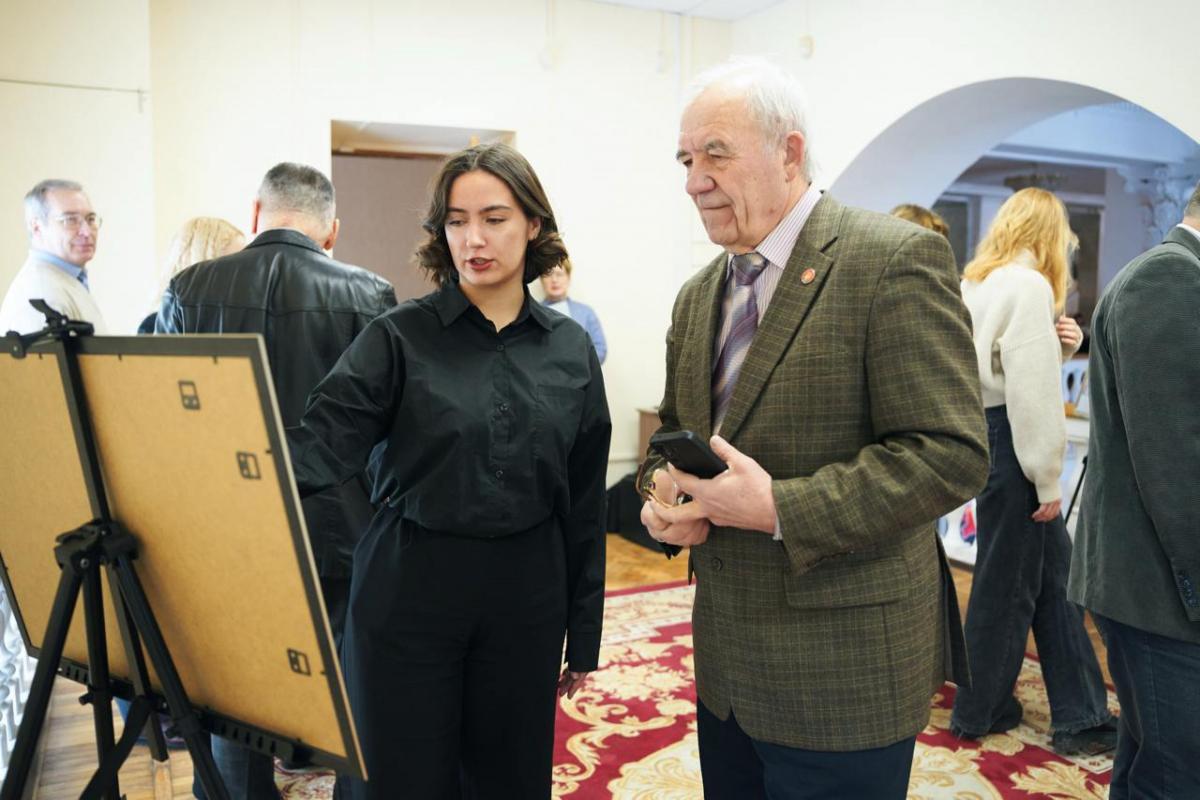
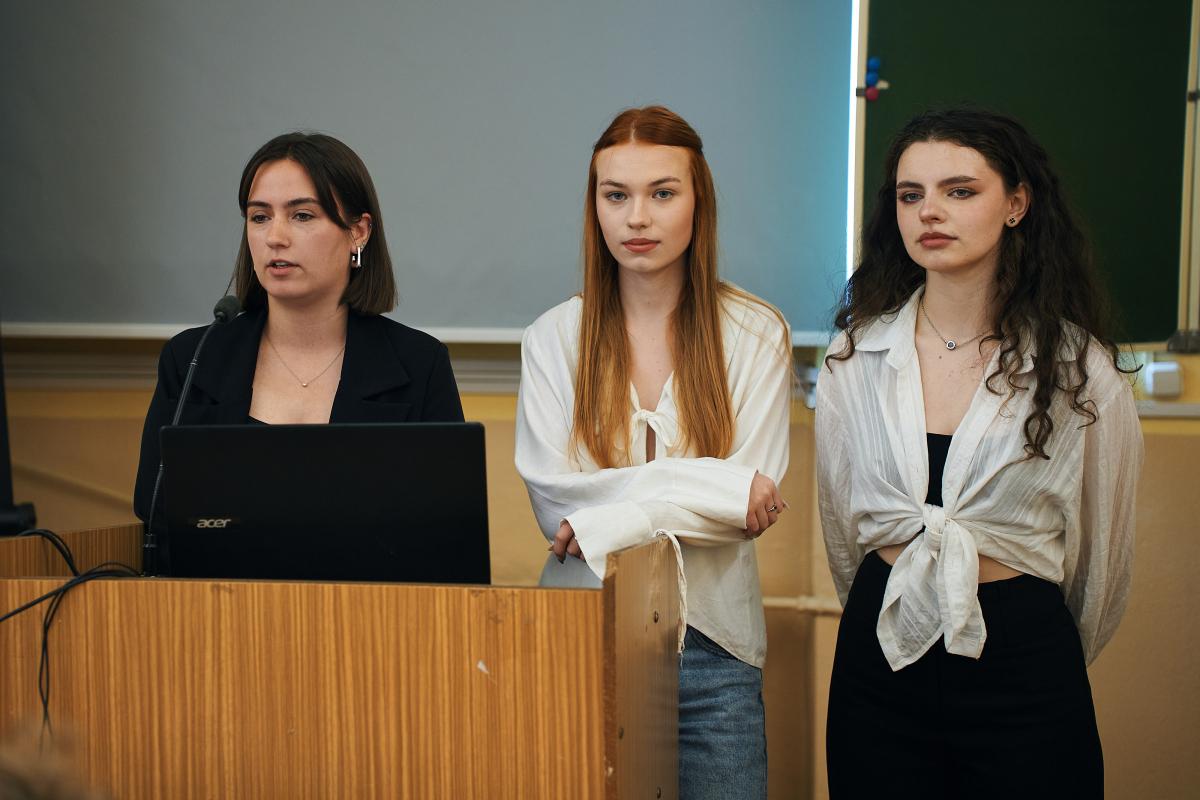
This ability to concentrate helps Angelina not only in her studies, but also in her position as the chair of the student council at the Faculty of Architecture. She honestly admits that organizing an event is more challenging for her than passing her exams with flying colors. According to her, passing exams is a matter of personal responsibility, while being a member of the student council involves everything from writing scripts and finding sponsors to creating posters and coordinating the team.
— Being a leader who people want to follow is a task with an asterisk. But when you see people's smiles and joy in their eyes, you want to work again and again.
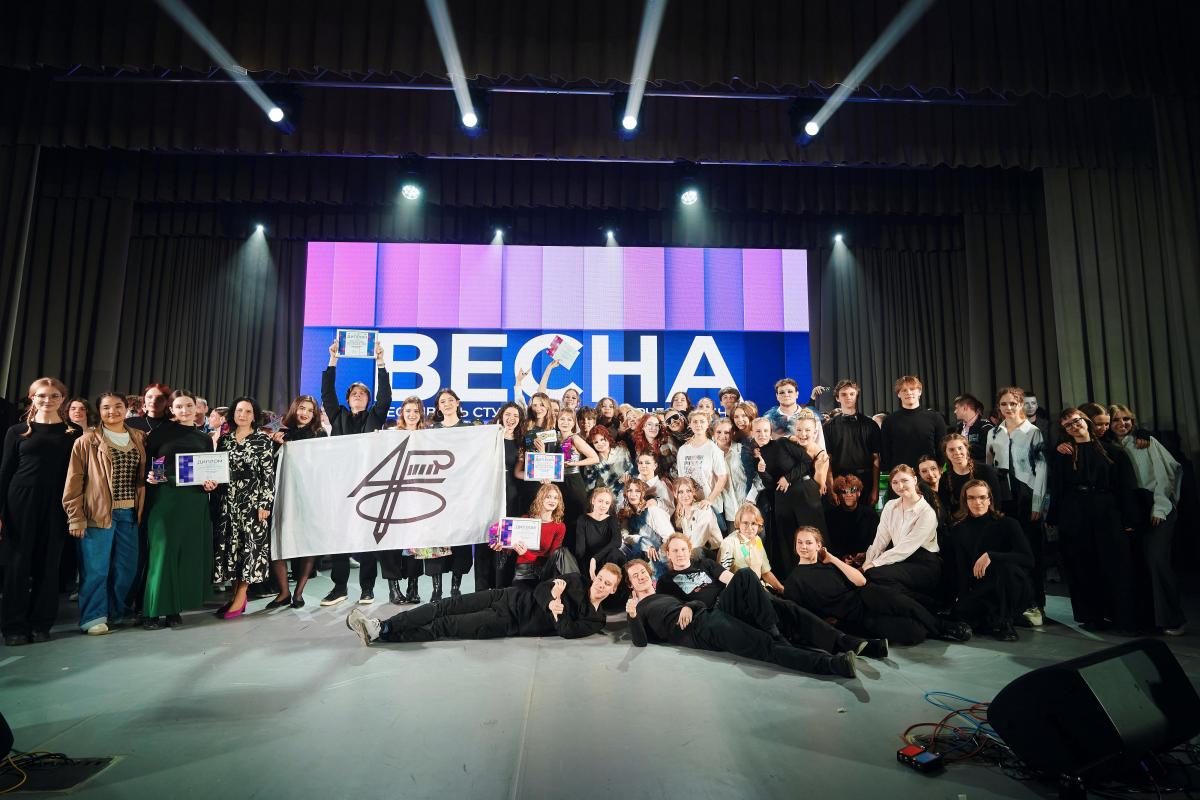
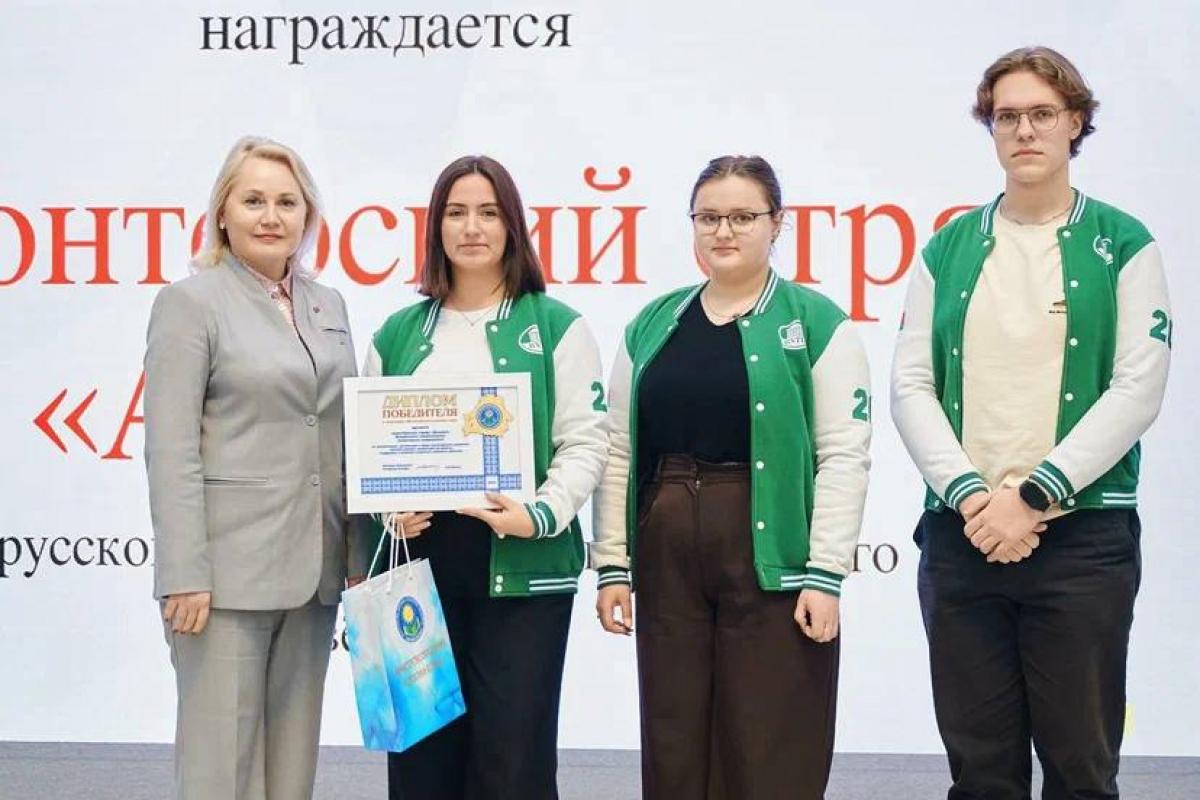
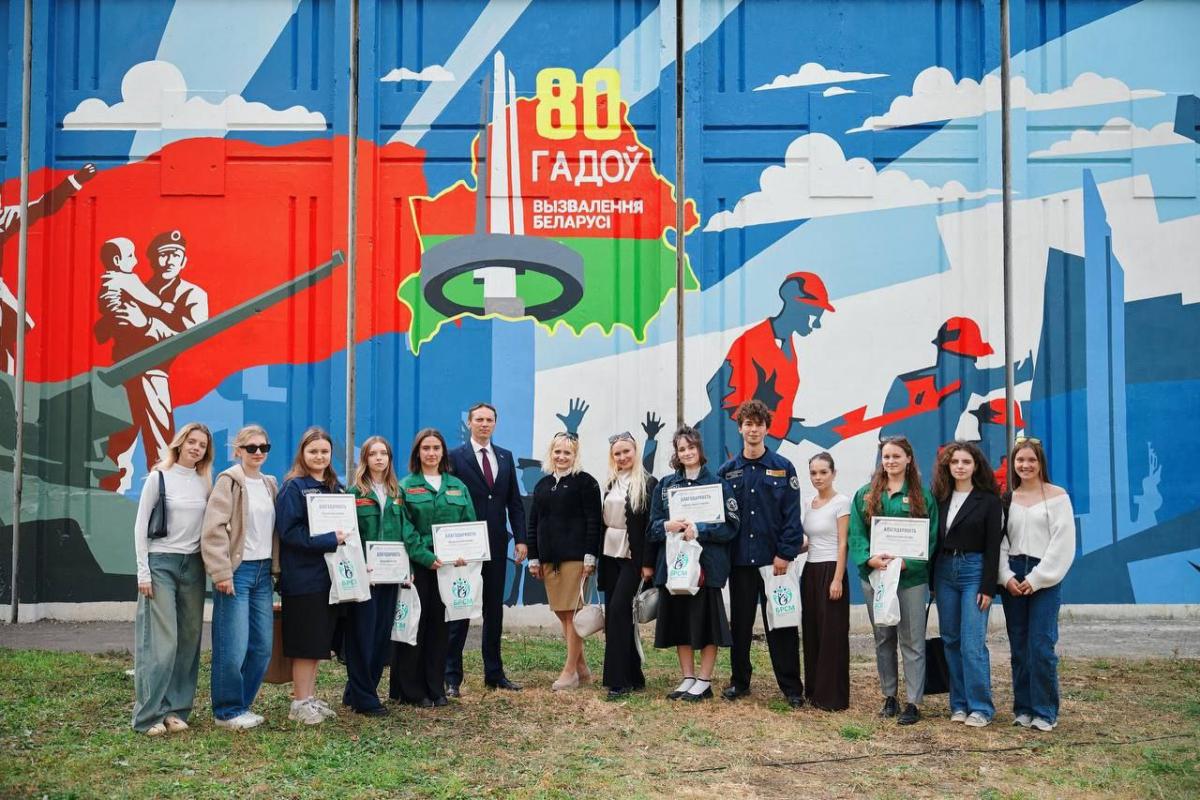
Another area where beautiful drawings hide real human joy is the ArchIdea volunteer team, which was recognized as the best in the Volunteer of the Year competition in 2025. Angelina joined the team in her first year of college and later proudly accepted the offer to lead it. Today, ArchIdea focuses on painting interiors and exteriors, making the city more inviting. According to the girl, this is a “separate university of life” that provides something that you won’t find in engineering textbooks.
— The textbooks talk about calculations and structures, but they don’t say anything about how to negotiate with ten different people, each with their own vision of beauty. Creating a sketch is an important part of the process, along with ideas and approvals. In textbooks, you won't see the vivid emotion of a passerby who stopped to look at your work, or a customer who remains delighted with your work, and there is no chapter on "how to understand that someone needs your work and warms their soul." And volunteering gives you that every time, — the future architect shared.
Speaking about the differences in studies between boys and girls, Angelina shows her characteristic systemic thinking. In her opinion, there is a difference, but it is not in abilities, but in approach. Young men tend to think globally and structurally, while young women tend to think tactically and contextually.
— We ask a lot of questions about usability, and we try to live in the space even at the sketch stage. My strength as a female engineer is my empathy and perfectionism. It's not just about following the GOST, but also about making it comfortable and beautiful.
This is why Angelina believes that the best teams are mixed: some people focus on the structural integrity, while others focus on making it a place you want to live in. This experience allows her to easily debunk the stereotype that engineering thinking is a male domain.
— This stereotype crumbles at the first glance at our faculty. Engineering thinking is not about gender, but about the way of thinking. Logic, systematics, spatial imagination are available to everyone.
She calls the growing popularity of technical specialties among girls in Belarus not a fashion, but a conscious request of the time. The profession itself has changed, today an engineer is required to have a keen eye, perseverance and a creative approach. These qualities are well developed in girls.
Looking back on her path to the profession, Angelina recalls the moment of submitting documents to the BNTU. If there were any doubts before that, then, once inside the university walls, they disappeared. She never had the fear that technical education is “for guys”. On the contrary, it became a gambling challenge, a desire to prove that a girl can be successful. And today, looking at her experience, she is ready to give advice to those teenage girls who are afraid to go to engineering:
— Don't listen to stereotypes, listen to yourself. I was told that nothing would work out, but now I'm a young practicing architect with a sparkle in my eyes. Engineering is a superpower today. And the myth of "only for guys" is shattered by reality: we are valued for our ability to think about people, details, and the soul.
Angelina's future plans don't involve grand corporations. In 10 years, she sees herself in her own workshop, even if it's a small one, where the air smells like paper and coffee, her competition projects adorn the walls, and a half-finished model lies on the table.
— I want to be known not as a 'girl who draws well,' but as an architect with a recognizable style. And I want to ensure that in 10 years, when I look in the mirror, I still have the same fire in my eyes that I have now, — the student emphasized.
The key quality of a modern engineer, according to Angelina, is the ability to constantly learn and adapt. After all, technology changes faster than concrete sets, and an engineer who believes they've "learned once and for all" will inevitably fall behind in the race for the future.
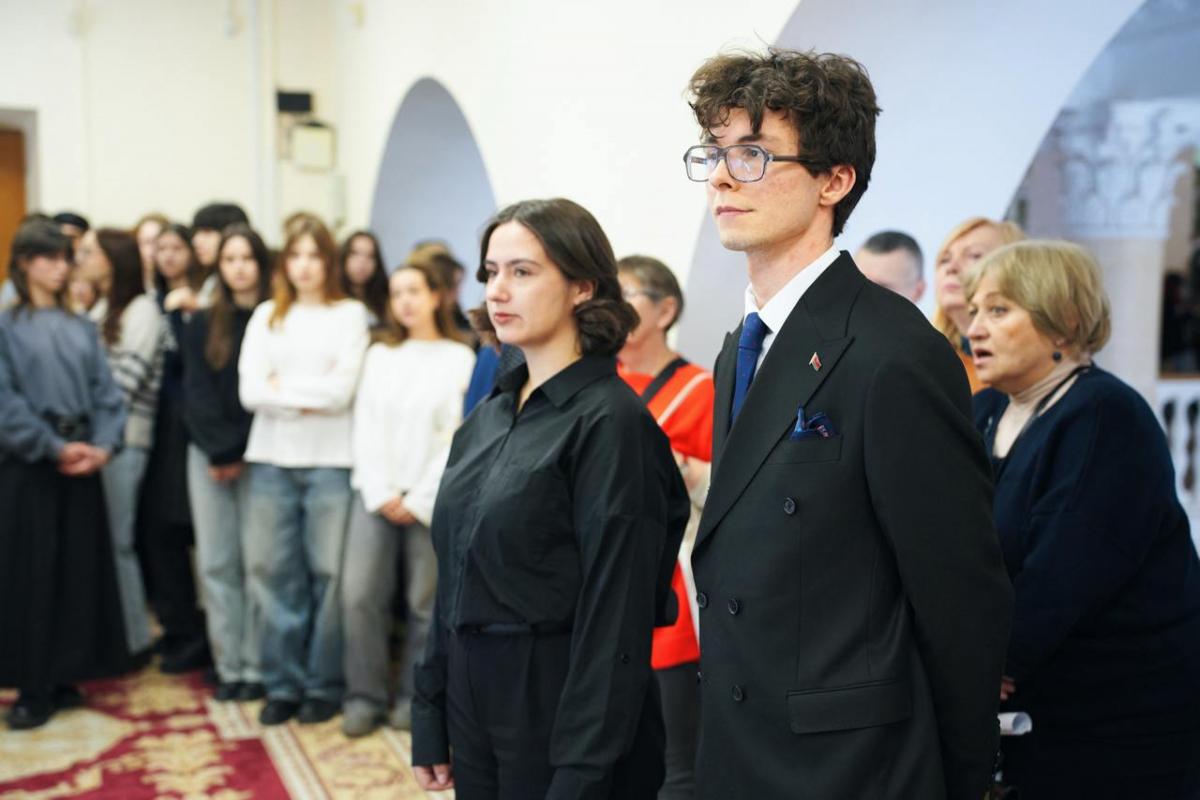
Angelina Tereshko's story is a testament to the fact that modern engineering has long transcended gender stereotypes. The combination of precise calculations, creative boldness, and a genuine desire to make the world more convenient and beautiful is a quality that transcends gender, but one that women often embody with exceptional sensitivity. The example of our heroine is inspiring, as technical education at BNTU is not only about strict structures and formulas, but also about self-realization, leadership, and generosity of spirit. It is fitting that in the Year of the Belarusian Woman, such stories receive the attention they deserve, proving that the future of Belarusian engineering lies in the hands of talented individuals.
