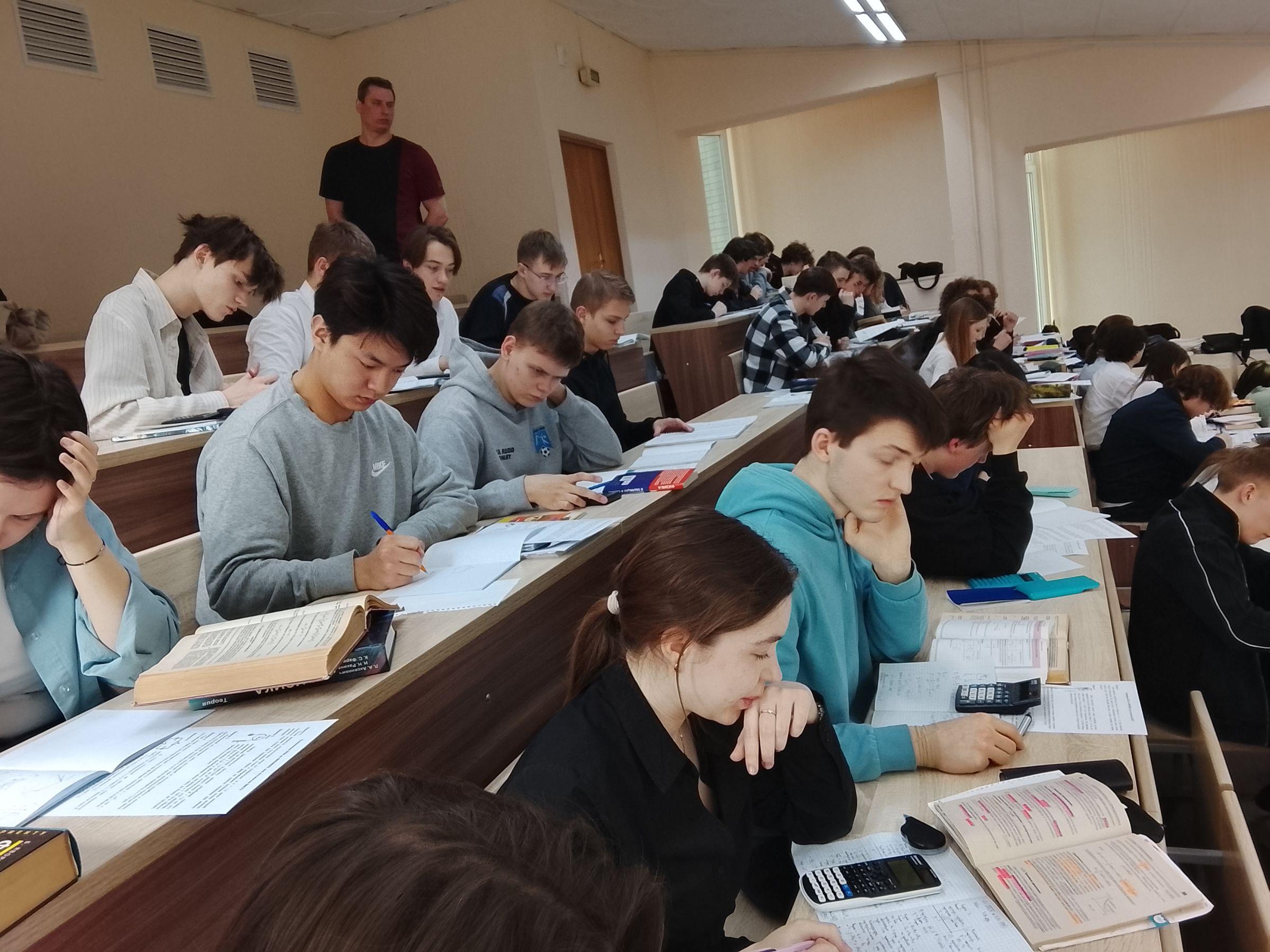
Yesterday, March 11, 2026, the 17th academic building of the Belarusian National Technical University was transformed into a venue for intellectual competition: the Physics Olympiad. This year, the organizers decided to expand their scope, and the event went far beyond the scope of a typical student competition.
The main highlight of the Olympiad was the record number of international participants. Students from Nigeria, Turkey, Syria, Turkmenistan, and China decided to test their knowledge and compete for prizes alongside their Belarusian colleagues. This not only enhanced the event but also underscored the international status of the Polytechnic University.
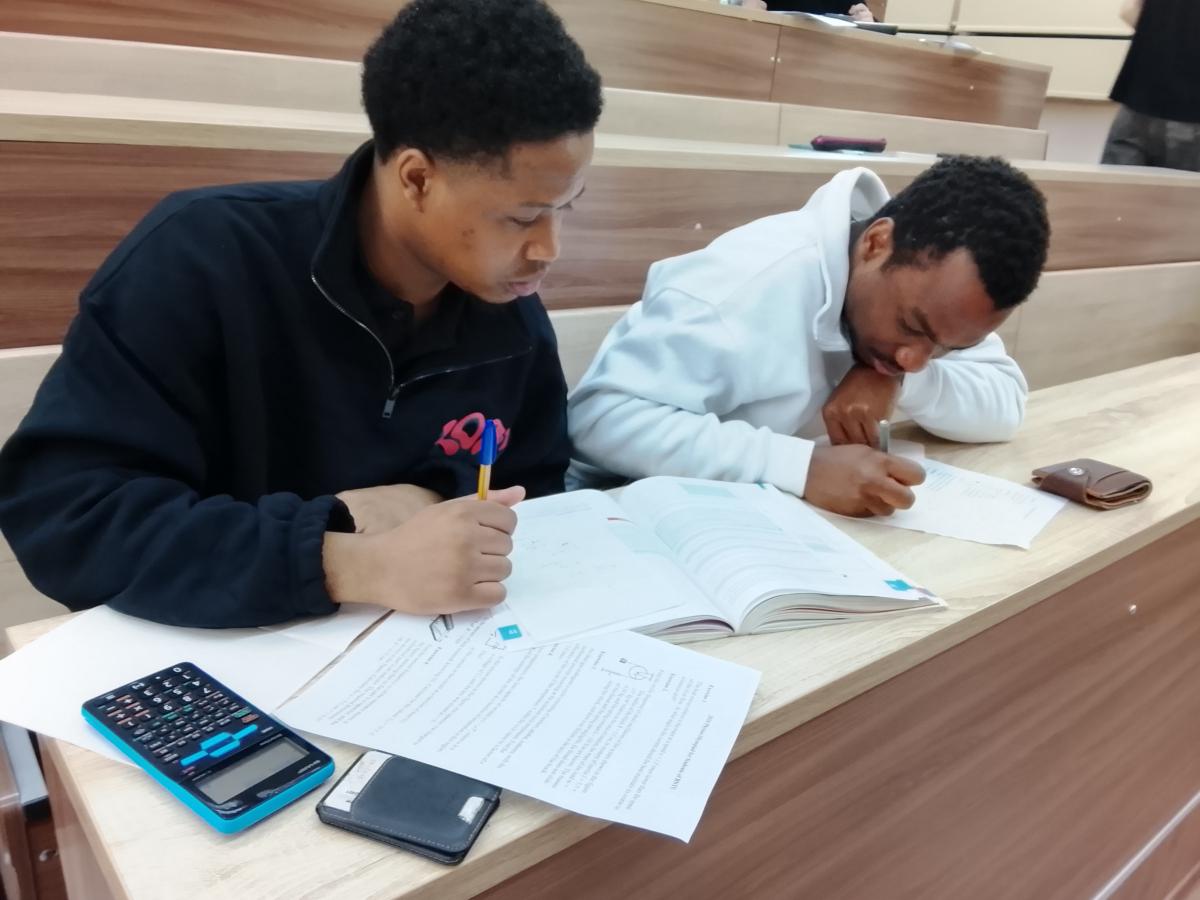
However, the surprises didn't end there. For the first time, schoolchildren were widely involved: 32 students from grades 10 and 11 of the BNTU Lyceum came to test their skills. For them, it was an excellent opportunity to experience the student atmosphere and assess the level of challenges that awaited them.
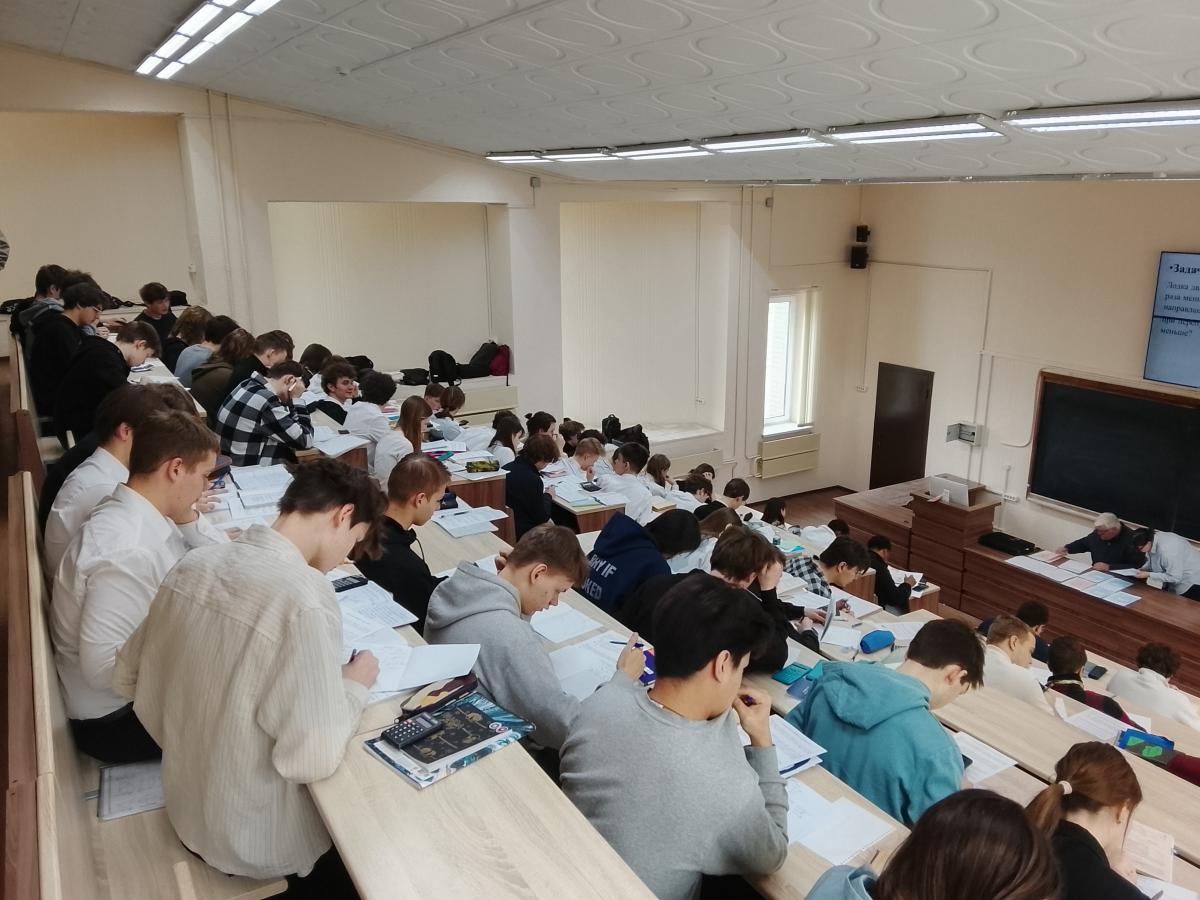
A total of 79 people took part in the Olympiad. Statistics show that the Faculty of Power Engineering and the Faculty of Power Engineering were the most courageous and unafraid of challenging tasks. However, this doesn't mean other faculties are ready to give up their leadership in physics without a fight. Representatives from the Faculty of Automobile and Tractor Engineering, the Faculty of Mining and Environmental Engineering, the Faculty of Management Technology and Humanitarian Studies, the Faculty of Transport Communications, the Faculty of Civil Engineering, the Faculty of Architecture, the Faculty of Military Engineering, and the Faculty of Instrument Engineering also came to prove that the exact sciences are within the grasp of future engineers of all specialties.
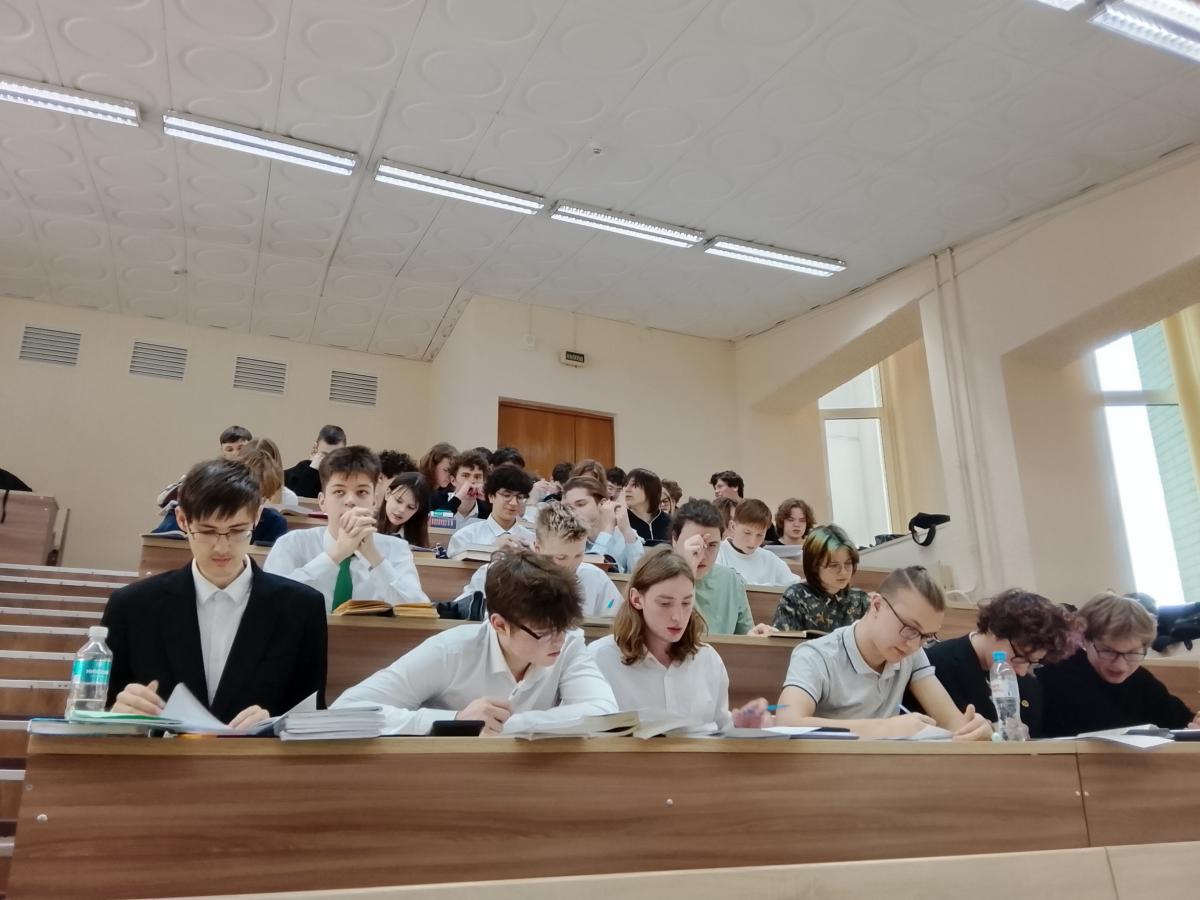
Now, the jury, comprised of faculty from specialized physics departments, has begun the meticulous evaluation of the submissions. They face the difficult task of selecting the best of the best.
The awards ceremony is planned for the international scientific and technical conference of young scientists and students, "New Directions in the Development of Instrument Engineering." This will be an excellent conclusion to the intellectual competition and highlight the connection between student research and education.
