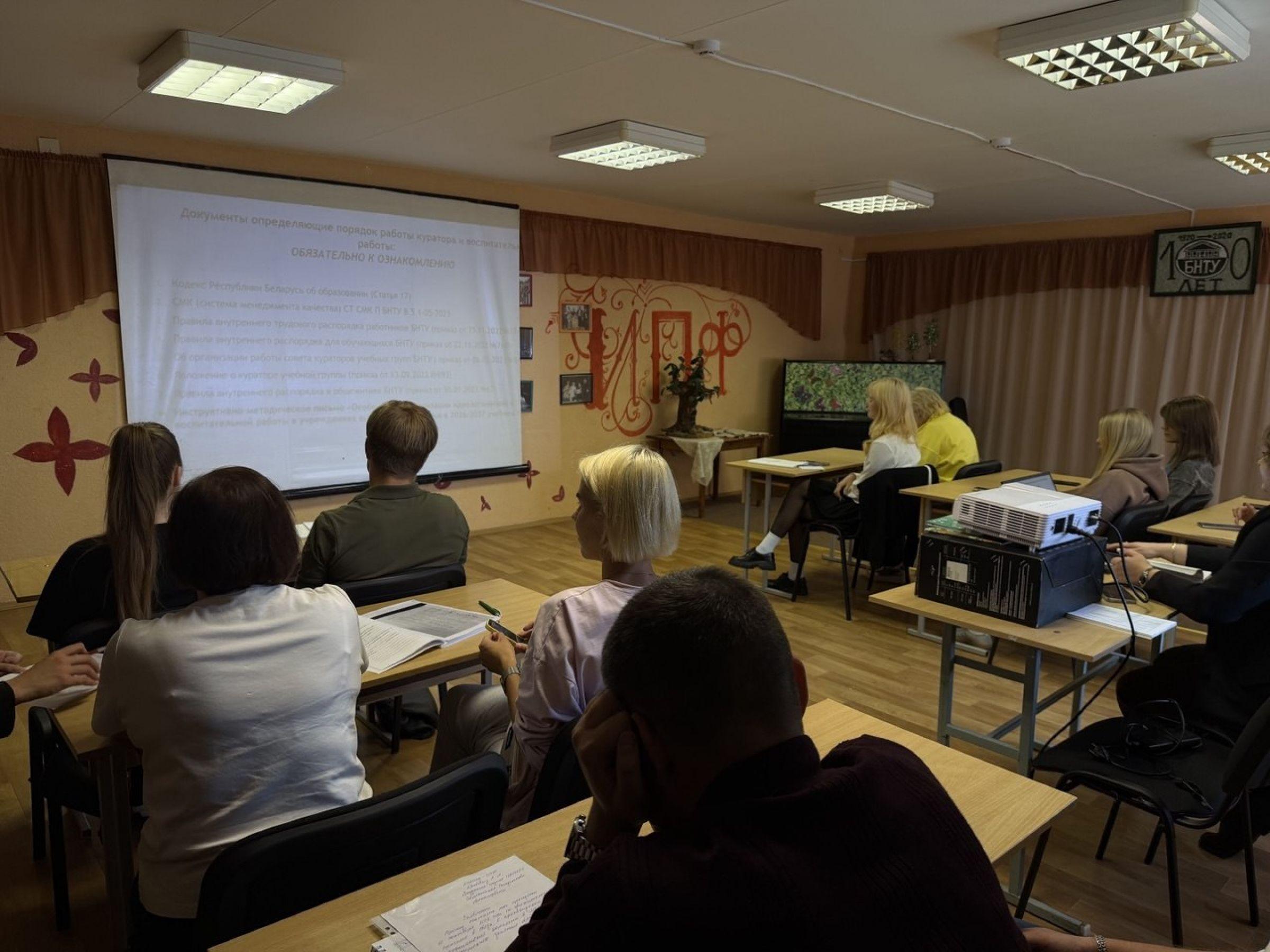
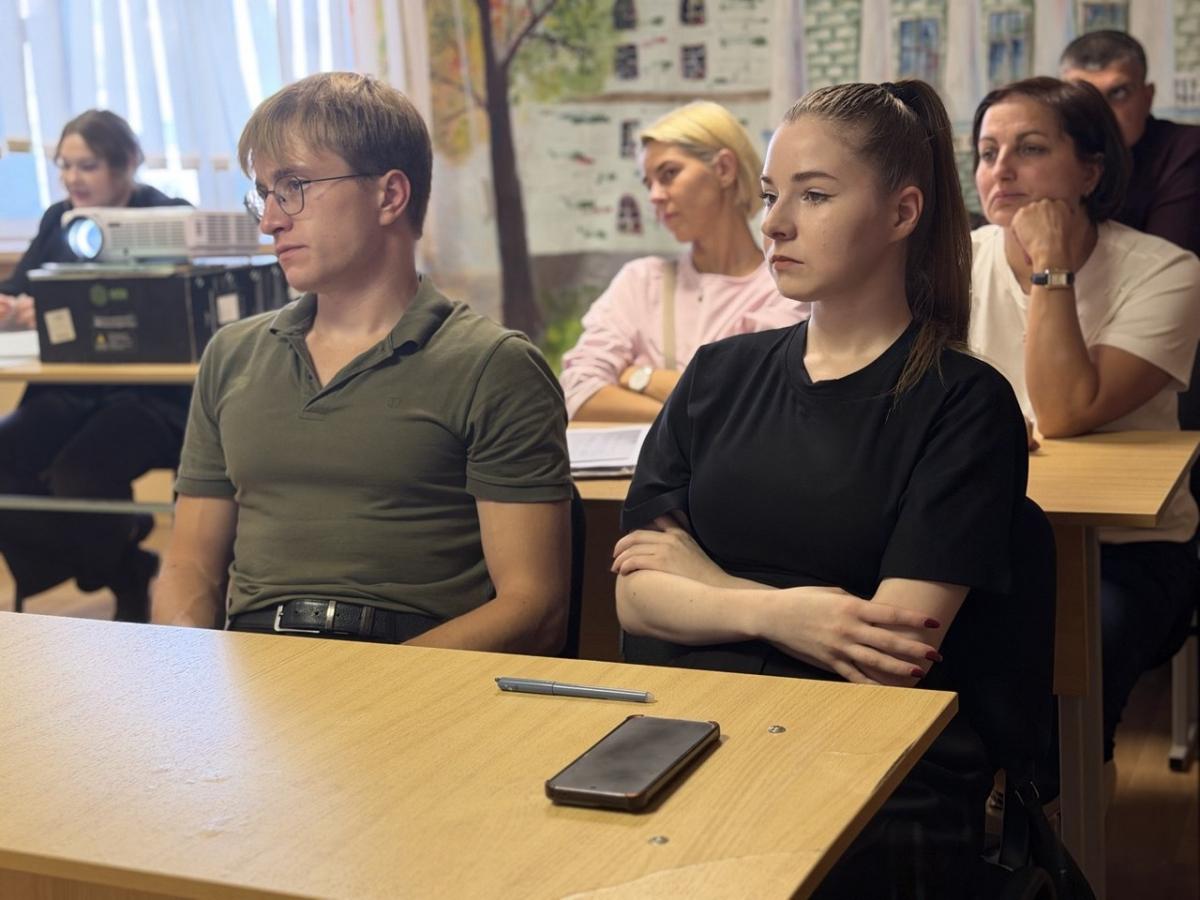
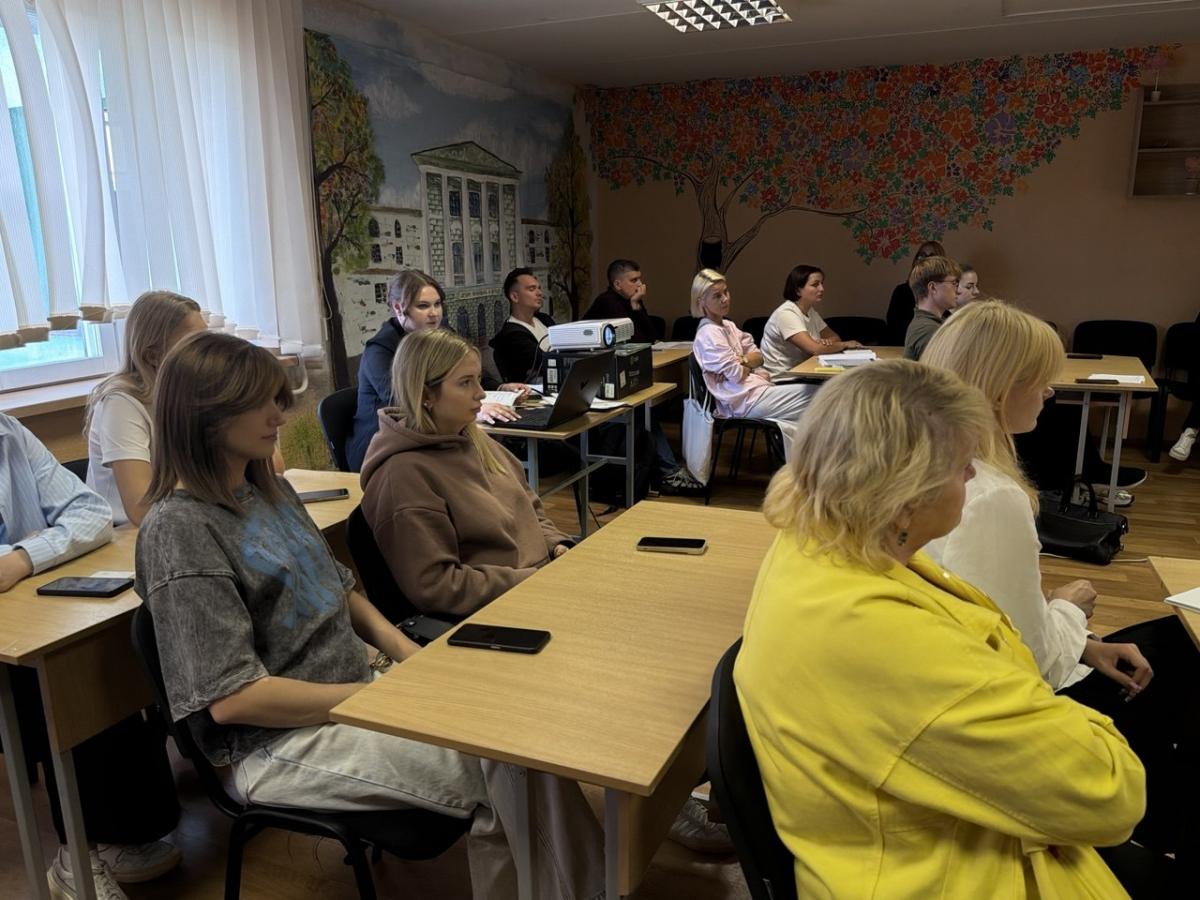
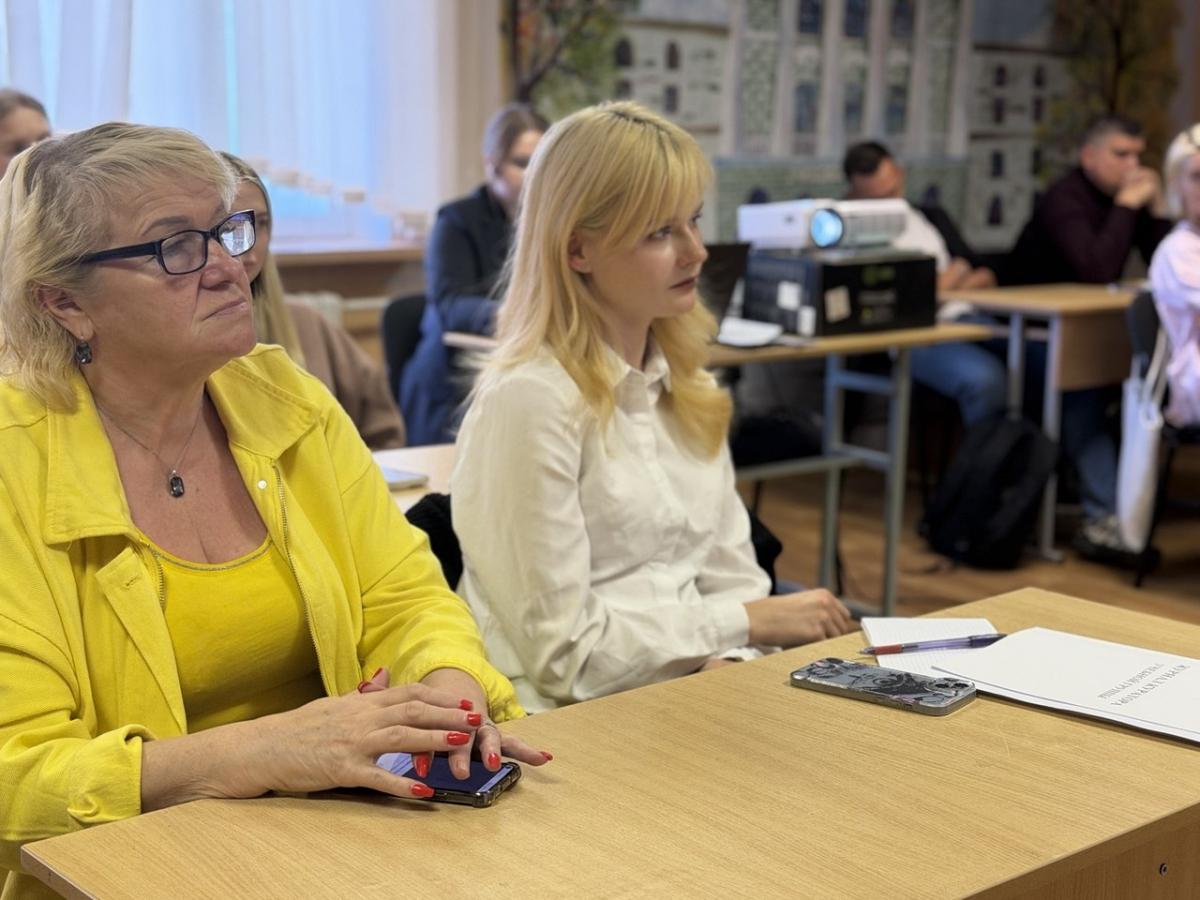
On September 9, 2026, a meeting of the Faculty of Engineering and Pedagogics (FEP) Supervisors' Council was held at Dormitory No. 16 of the Belarusian National Technical University (BNTU). The meeting served as a starting point for coordinating work for the new academic year. Keynote speakers at the event included Dean of the Faculty Alexey Drobysh and Deputy Dean for Ideological and Educational Work Yulia Susha. The main areas of discussion at this time included summing up the educational work of the past year and developing a unified updated strategy for monitoring the academic performance and organizing leisure activities for FEP students in the new academic year.
For reference: the Faculty Council of Curators aims to continuously improve and enhance the methodological and organizational aspects of ideological and educational work with students. The Council coordinates the effective work of the curators and implements modern forms and methods of individual and group work with students. This is a vital body that helps develop a unified educational strategy, help first-year students adapt to university life, and provide timely support to students facing academic or social difficulties.
The central topic of the first part of the meeting was students' current academic performance, as well as their attendance at lectures and practical classes. In his speech, Dean of the Faculty Alexey Anatolyevich emphasized that the first weeks of September are critical for identifying students experiencing learning difficulties. This issue is especially pressing for first-year tutors, where former applicants are going through a difficult period of adaptation to the university's workload and the new assessment system. A decision was made to tighten weekly monitoring of absences and promptly respond to the first signs of student academic decline.
The second, no less important, set of questions focused on organizing students' leisure activities outside of class time. The speakers agreed that free time should be filled as much as possible with useful, developmental, and safe activities organized by faculty structures.
The speakers also focused on mentoring and student coordination. Deputy Dean Yulia Ivanovna generously shared her many years of personal experience as a mentor, emphasizing the special, fundamental role a mentor plays in the life of every student, who often finds themselves uprooted from their parents' home. She also emphasized the urgent need for ongoing collaboration between study group mentors to ensure the prompt transfer of best teaching practices.
Kristina Pavlovskaya shared her opinion about the meeting:
"Participating in today's meeting of the curators' council, I caught myself thinking about how dynamic and profound our work has become. Being a curator isn't just filling out journals or formally checking progress reports. It's daily, painstaking, and often invisible work that requires a teacher's 100% emotional commitment. "
Particular emphasis was placed both during and after the meeting on expressing sincere gratitude to the event's organizers. Preparing a meeting of this scale requires significant effort: from developing a relevant agenda to creating a comfortable atmosphere conducive to dialogue. Participants expressed deep gratitude to the faculty leadership and the administration of Dormitory No. 16 for organizing the meeting venue. But most importantly, their colleagues expressed their gratitude for their sincere concern for the future of the curatorial staff and the student body. It was noted that the organizers poured their heart and soul into preparing the event, striving to make it as useful, open, and supportive as possible for every faculty member.
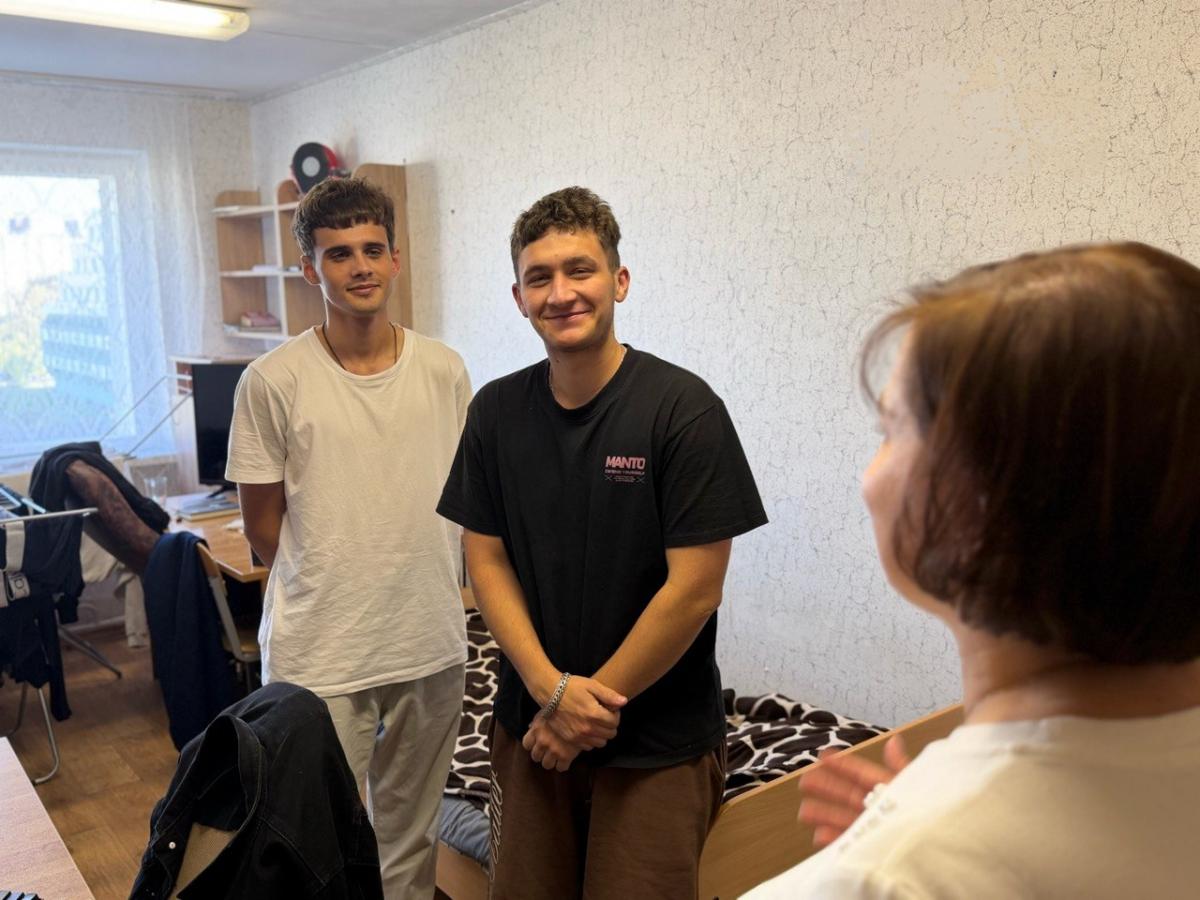
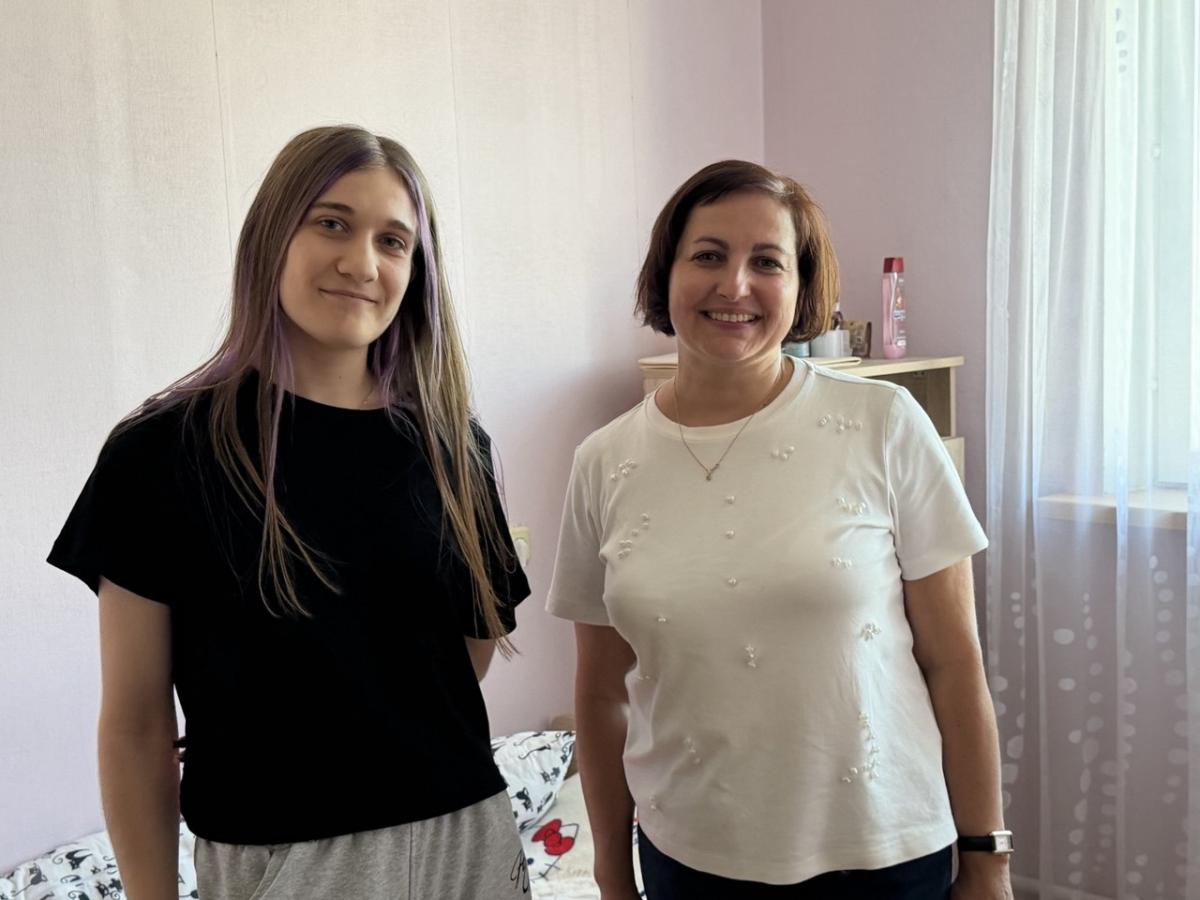
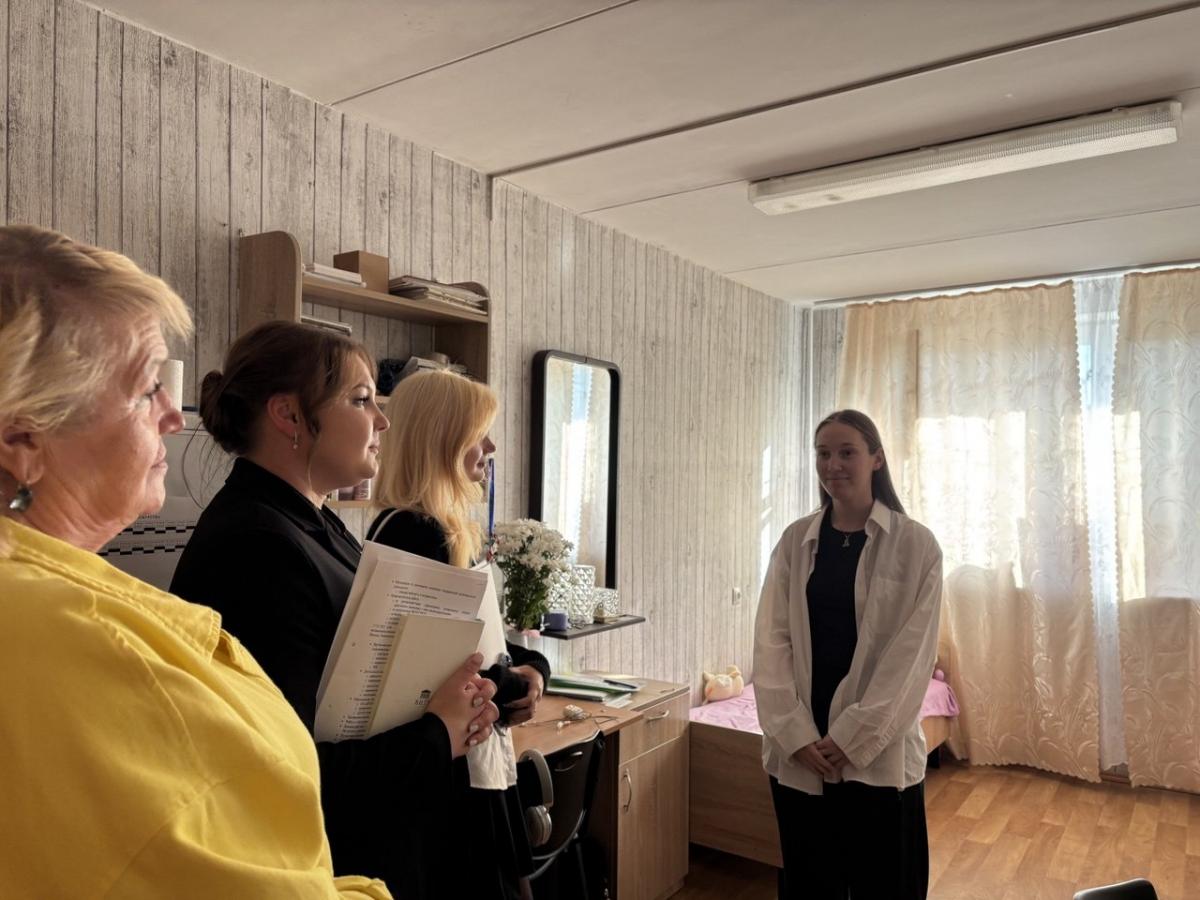
The final, yet most important, practical step of the council was the traditional visit by the mentors to the student housing units of the supervised groups. The teachers personally visited the residential units of Dormitory No. 16 to become familiar with the students' daily life, inspect their living conditions, and conduct warm, informal conversations with the first-year students.
The recent meeting demonstrated that educational and ideological work at the BNTU Faculty of Engineering and Pedagogics is built on the principles of consistency, humanity, and mutual support. The planned academic performance monitoring and the organization of useful extracurricular activities will be fully implemented. The Faculty of Engineering and Pedagogics' advisory team entered the new academic year with clear goals, a strong team spirit, and a sincere desire to help their students conquer new heights in life and academic achievement.
