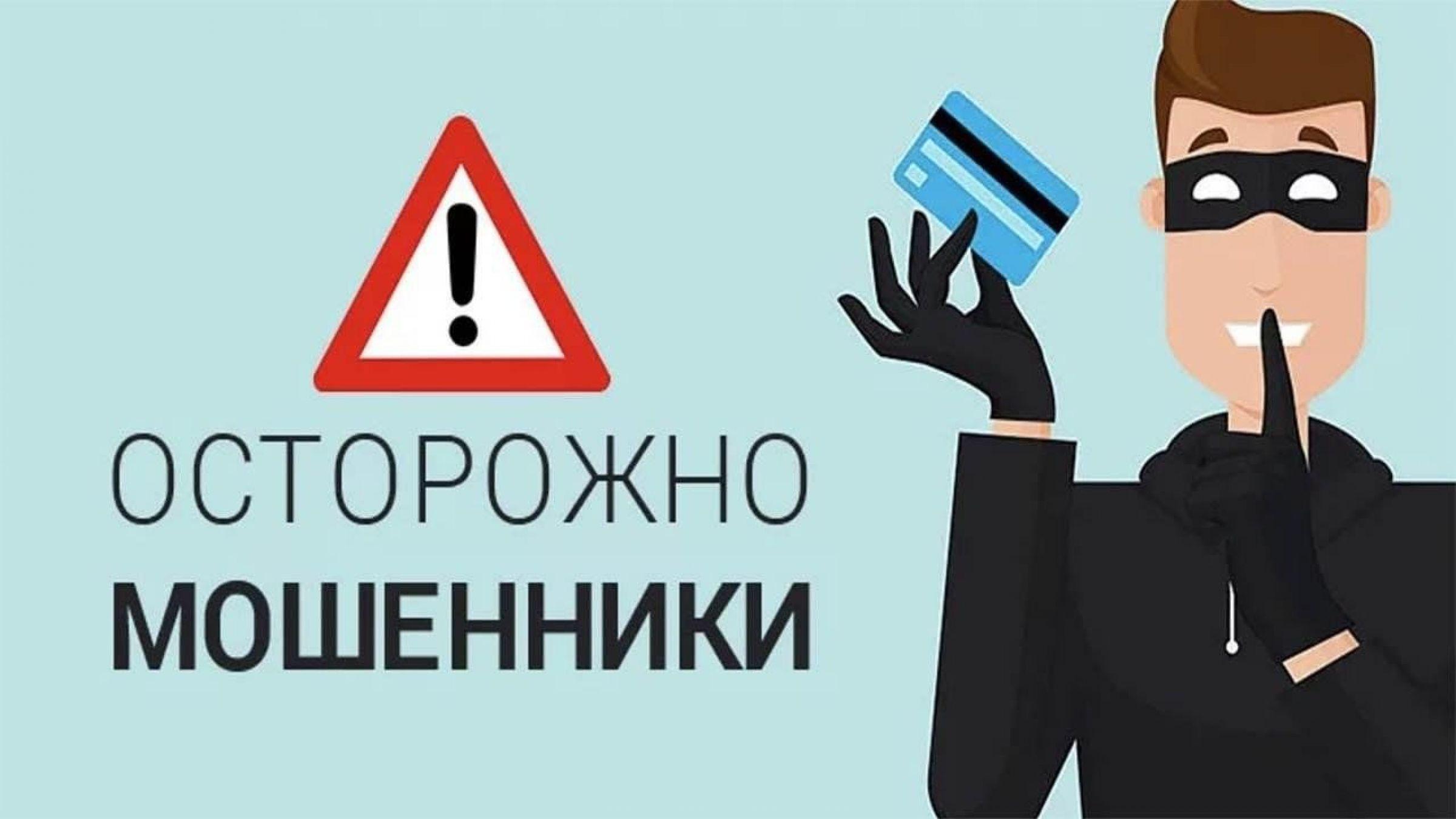
Fraudulent schemes have long ceased to be “just calls from the bank.” Today, this has become an entire industry: calls “from the police” and the “Investigative Committee,” fake voices of loved ones created by neural networks, fake job offers promising 2,000 rubles a day, luring schoolchildren into dropshipping and courier schemes. Anyone can become a victim — a teenager, a student, a working adult, a pensioner.
The three‑step rule: pause, check, and seek advice.
To avoid becoming a victim of fraudsters, it’s enough to remember one thing: they win not through cunning, but through your haste and fear. Anyone who calls “from the bank,” “from the police,” or “from the Investigative Committee” and demands that you provide a code, transfer money, or install an app is a scammer, no matter who they claim to be. A real bank never asks for codes over the phone, and the police do not send a courier to pick up cash.
The main rule is simple: stop, hang up, and call back yourself using the official number — the one on the back of your bank card or 102. Don’t believe in urgency, don’t keep secrets that you’re asked to keep, and be sure to report a suspicious call to someone you trust.
Forewarned is forearmed: a scammer needs your speed and silence, while you need to give yourself a pause and a voice. Knowing these three steps protects you more reliably than any antivirus.
What should you never share with anyone?
Regardless of who the interlocutor claims to be — a bank employee, a police officer, an investigator, an “operator of the National Bank” — never give out:
codes from SMS, push notifications, and authentication apps;
PIN code, CVV/CVC code, full card details;
passwords for internet banking, email, messengers, and social media;
passport data, photos of documents, and selfies with a passport without a legitimate reason;
codes for linking a new device or confirming a transfer.
Remember a simple rule: a real bank never asks for codes over the phone. If they ask for a code, it’s a scammer, no matter who they claim to be.
Deepfakes: when “Mom” calls in a voice that isn’t Mom’s
A separate threat in 2026 is fake voices and videos created by artificial intelligence. Scammers only need a few seconds of audio from social media to generate a convincing imitation of your child’s, parent’s, or friend’s voice.
A deepfake call is usually accompanied by poor connection, crying, noise, urgency, and a prohibition on calling back. Protecting yourself is simple: whenever you receive an urgent request for money, call back using the old saved number and ask a question whose answer you can’t find on social media. And don’t unnecessarily publish audio or video recordings of children’s or loved ones’ voices.
Dropper fraud: “easy money” that ends up with a criminal charge
One of the most dangerous schemes for young people is dropper fraud: using your card, account, or wallet to transfer other people’s money — most often stolen money. The offer sounds harmless: “get a card, get a percentage for transfers, nothing complicated.” In reality, money from victims of fraud passes through your card, and you become part of a criminal chain.
It’s important to understand: not knowing the entire scheme does not exempt you from liability. In the Republic of Belarus, administrative liability is provided for the illegal provision of payment document details for profit‑driven motives, and the illegal circulation of payment instruments may lead to criminal liability. The bank will block the account, and the consequences will affect your studies, work, and ability to take out loans in the future.
This category also includes:
offers to “pick up a package” or “make a deposit” – this often involves illegal drug trafficking, for which liability may be imposed from the age of 14;
“working as a cash courier” – collecting money from deceived elderly people;
buying cryptocurrency “using the client’s money” and transferring it to someone else’s wallet;
selling one’s own accounts, SIM cards, and electronic wallets.
Phishing, QR codes, and fake apps.
Scammers actively use fake websites that differ from the real ones by just one letter or a hyphen, as well as QR codes posted in entrances, on public transport, and on advertisements. After scanning, you are taken to a page that asks you to enter your card details or the code from an SMS.
A separate story is requests to install remote access applications (AnyDesk, TeamViewer, and their equivalents) under the guise of a “bank security module” or an “MVD antivirus.” The bank never requires this. This type of app gives the scammer full control over your phone: they can see the screen, SMS, and push codes.
Who is in a particularly high‑risk zone?
Children and teenagers. They are drawn in via Telegram and TikTok: handing over a card for money, “courier” tasks, in‑game purchases, fake giveaways, blackmail with photos. It’s important for parents not to limit themselves to the rule “don’t communicate with scammers,” but to look at specific examples and agree that the child can come forward with any mistake without immediate punishment.
Elderly relatives. Scammers exploit people’s respect for “official authorities” and their fear for their grandchildren. An elderly person should have the phone numbers of their loved ones, the bank, and 102 written down in a visible place. Explain in simple terms: “The code from an SMS is like the key to the apartment. The bank and the police will never send a courier to pick up money. If they scare you, hang up.”
Basic rules of digital hygiene
To protect your money and personal data online, it’s enough to follow a few simple habits. Open the bank only through the official app or by manually entering the website address in the browser, and do not follow links from SMS, emails, or messages in messengers, even if they look like they’re from the bank. Install apps exclusively from official stores and do not download files sent by strangers in chats. Never conduct banking transactions via public Wi‑Fi: your data may be intercepted in a café, on public transport, or in a shopping mall. Also, be sure to enable two‑factor authentication in your email, internet banking, messengers, and social media. Even if a scammer finds out your password, they won’t be able to log in to your account without the second code.
What should you do if the error has already occurred?
The main thing is to save all the evidence: screenshots, receipts, correspondence, and call numbers. If you’ve shared the code or password, immediately block your card, change your passwords, end any unauthorized sessions, call your bank, and, if necessary, call 102. If you’ve transferred money, call your bank right away to stop or dispute the transaction, keep the receipt with the recipient’s details, and file a report with the police. If you suspect a suspicious app, disconnect from the internet, change your passwords from another device, block your cards, and uninstall the app. If a child is affected, stop their actions without shouting and do not delete the conversation; save everything and contact the bank and the authorities. The faster you act, the higher the chance of getting your money back and reducing the damage.
Scammers succeed where a person acts quickly and alone. Where there is a pause, verification, and a conversation with loved ones, their schemes fall apart. Financial hygiene is not about distrusting the world. This is about respecting yourself, your loved ones, and money.
