Department history

History of the department of "Materials Science and Engineering"

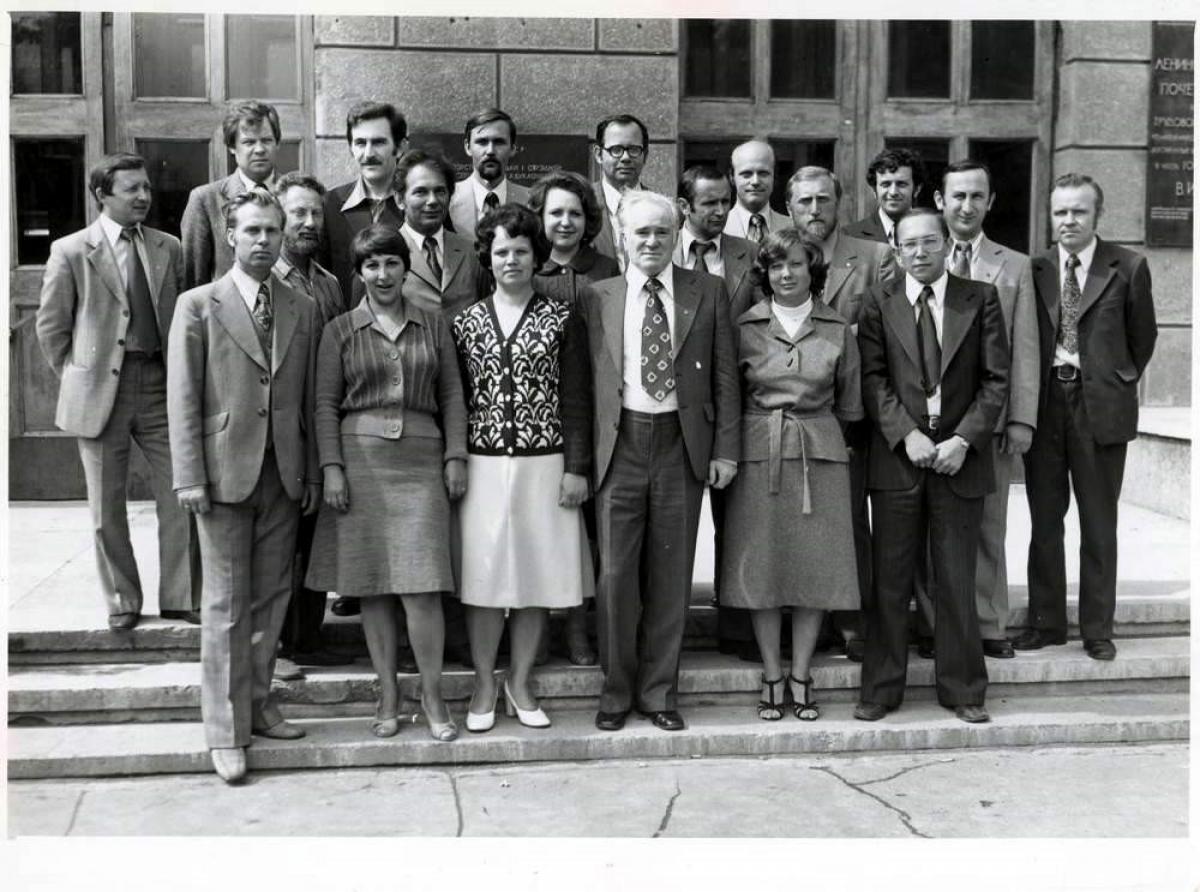
In 1963, the Department of Metal Science and Heat Treatment at the Belarusian Polytechnic Institute enrolled its first cohort of students in the specialty "Metal Science, Equipment, and Technology of Heat Treatment." The developing mechanical engineering industry of the country was in urgent need of metal scientists. By 1968, the first group of Belarusian metal scientists had graduated. Thirty-four graduates were assigned to engineering enterprises, educational institutions, and research organizations across the USSR. The high level of training of these first Belarusian metal scientists laid the foundation for many successful careers in both industry and academia. Nine individuals from this inaugural class defended their doctoral dissertations. Over the years, several graduates have held leadership positions in engineering enterprises throughout the USSR:
  • G.V. Berezovik (Head of Heat Production at VAZ)
  • N.A. Vityaz (Deputy General Director of BelAZ)
  • V.N. Gradetsky (Deputy Head of Heat Production at VAZ)
  • V.I. Pavlov (Deputy General Director of VAZ)
  • A.T. Sivtsev (Head of the Heat Treatment Shop at VAZ)

The First Class of Metal Scientists: 10 Years Later – 1978

The history of the Department of Metal Science and Heat Treatment is closely intertwined with the post-war reconstruction and development of Belarus' national economy. During this period, new sectors of the mechanical engineering, metalworking, and instrument-making industries were established in the republic. Scientific and technical personnel were sent to Belarus from Moscow, Leningrad, Ukraine, the Urals, and other industrially developed regions of the Soviet Union. The Belarusian Polytechnic Institute played a crucial role in addressing the acute shortage of scientific and engineering professionals.
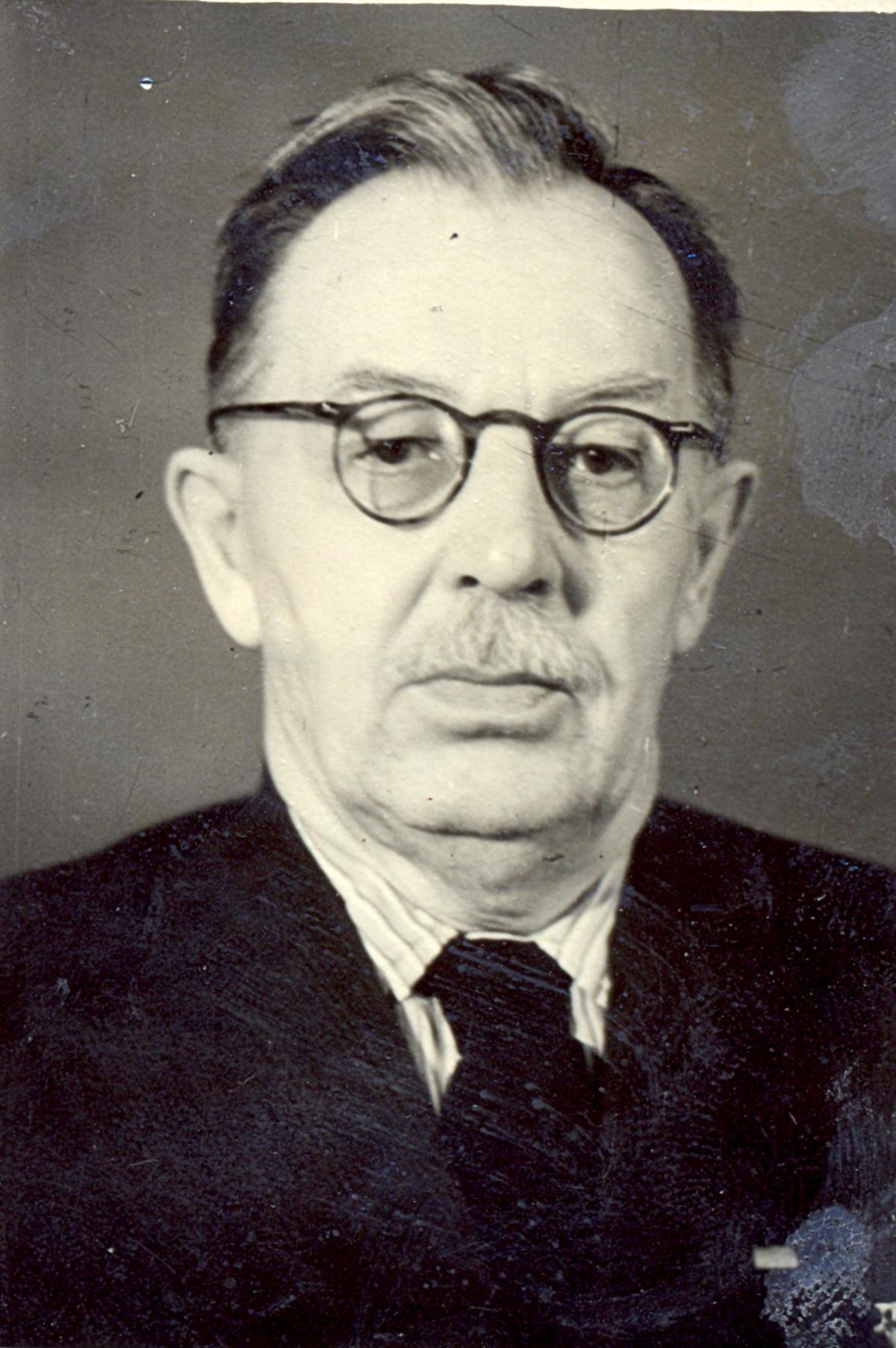
N.F. Margorin

In 1947, the Belarusian Polytechnic Institute established the Department of Metal Technology and Metal Science, initially led by Associate Professor Nikolai Fedorovich Margorin (1883-1961) from 1949 to 1953. Margorin graduated from the Technical School of the Military Department in St. Petersburg in 1906. From 1908 to 1914, he worked at the Obukhov and Putilov factories. During World War I (1914-1917), he served as a battalion commander and was wounded twice. From 1918 to 1925, he worked as a head librarian, section chief at the Belarusian Railway, and a technology instructor at a vocational school in Ruza, Moscow region.

From 1925 to 1938, Margorin was employed at the Kolchugino Plant for Non-Ferrous Metals, actively contributing to the development and production of Kolchugaluminum (a type of duralumin), which was crucial for the aviation industry. His research results were published in the monograph "Non-Ferrous Metals," first issued in 1928 and reprinted in 1932 by Tsvetmetizdat. Margorin continued his academic career at the Kazakh Mining and Metallurgical Institute (Alma-Ata) as a dean and department head (1938-1945), and later at the Penza Industrial Institute as a department head (1945-1949). He defended his Ph.D. dissertation in 1942.

In 1953, the Department of Metal Science was separated from the Department of Metal Technology and Metal Science, with Margorin serving as its head until 1959. In 1954, he was awarded the academic title of professor and received the Order of the Red Banner of Labor. The first faculty members of this new department included V.I. Belyaev, Yu.I. Ignatova, Yu.S. Lukyanov, N.S. Prosvirov, F.D. Ryazanova, and R.L. Tofpenets. The laboratory was initially managed by war veteran I.A. Rishchev, who later transitioned to a teaching role within the department.
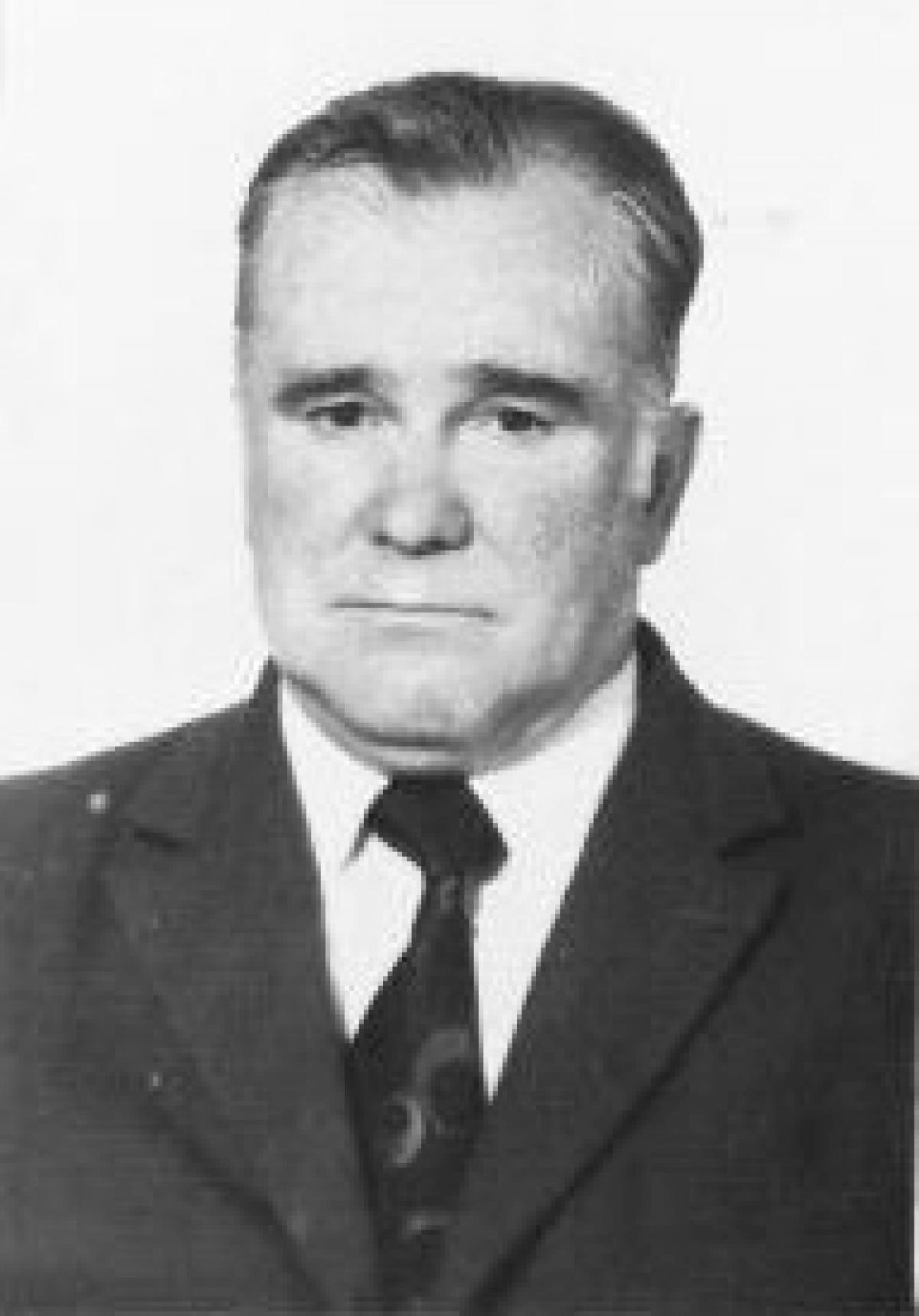
 L. S. Lyakhovich
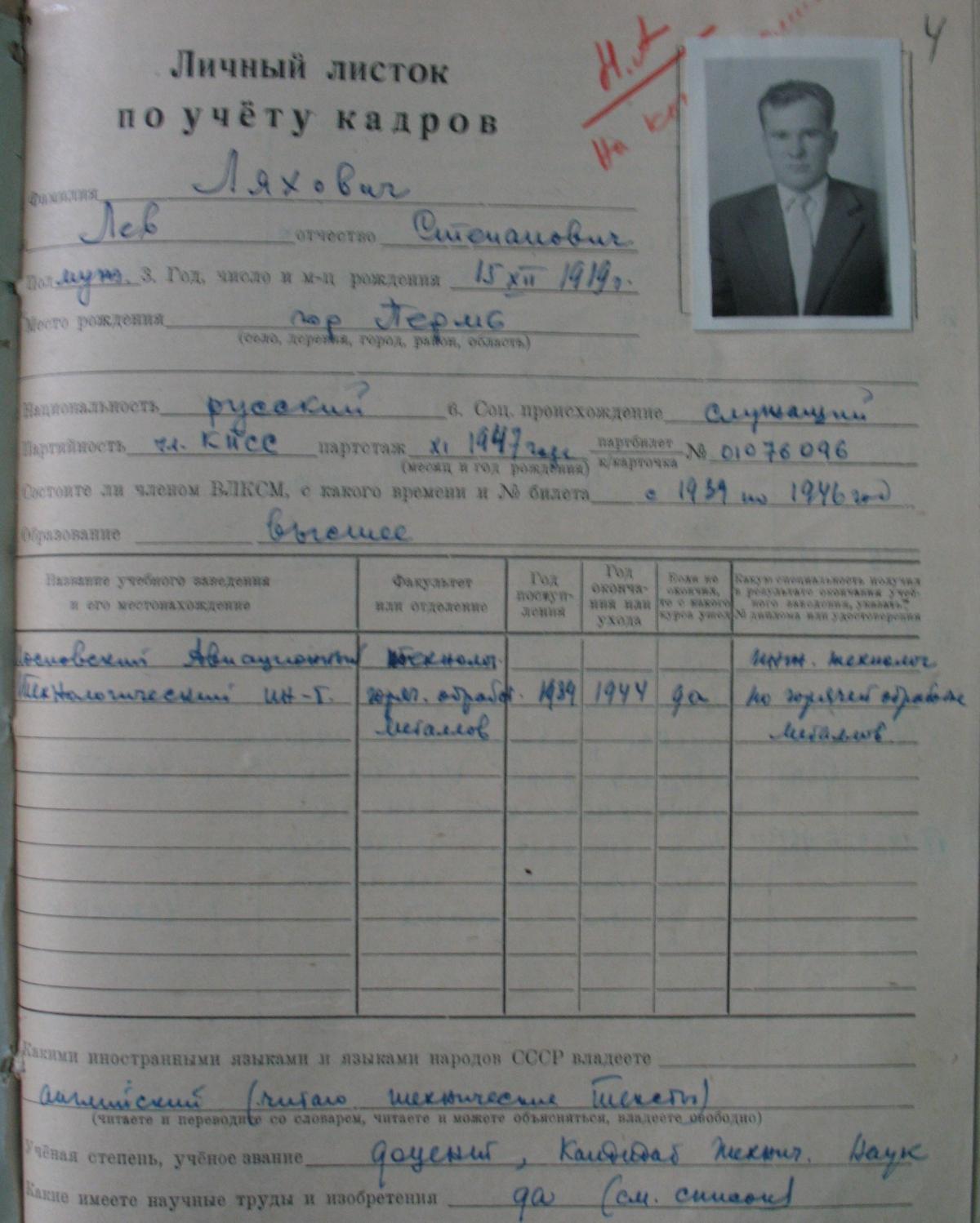
Personal Record of L.S. Lyakhovich, Dated May 13, 1959

In 1959, Lev Stepanovich Lyakhovich (1919-1990), Ph.D., Associate Professor, became the head of the department. From 1941-1942, Lyakhovich worked as a temperature controller at Plant No. 39 of the Ministry of Aviation Industry and as a foreman at the "Hard Alloys" plant in Moscow. After graduating from the Moscow Aviation Technological Institute in 1944, he served as a researcher and lecturer there. He completed his postgraduate studies and defended his Ph.D. thesis in 1948, and later his doctoral dissertation in 1969. From 1949 to 1959, he worked as an associate professor, head of the Department of Metal Science, and deputy director for academic affairs at the Chelyabinsk Polytechnic Institute. From 1959 to 1990, he served as the head of the department and vice-rector for academic affairs at the Belarusian Polytechnic Institute.

In 1963, the department was renamed "Metal Science and Thermal Processing of Metals." Over the years, the department attracted several Ph.D. holders, including B.V. Babushkin, E.I. Belsky, V.I. Kravoy, G.M. Levchenko, S.A. Likhachev, Z.S. Ovsyannikova, B.Z. Polyakov, Z.N. Proskurina, R.L. Ryzhkovich, A.V. Stepanenko, R.N. Khudokormova, and engineer Ya.N. Funshtein.
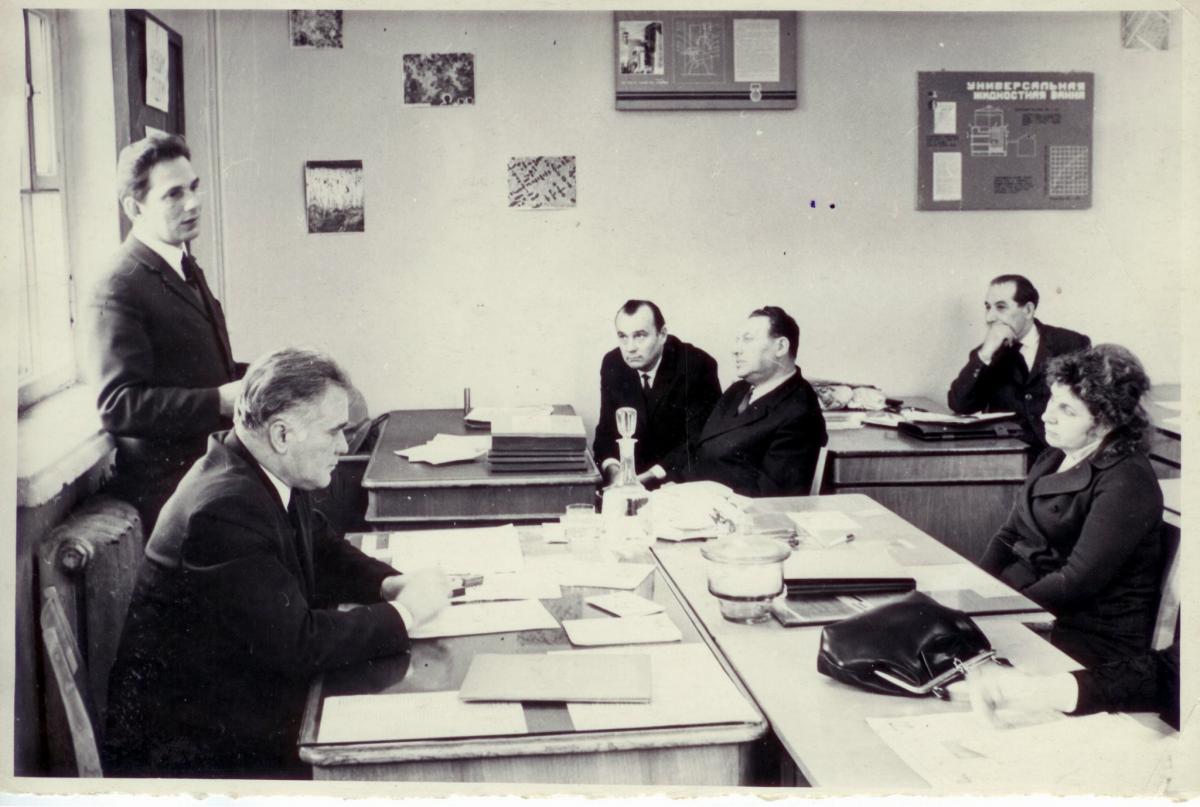
Meeting of the Department of "Metal Science and Heat Treatment of Metals" in 1968
L.S. Lyakhovich initiated an active organizational and scientific effort to establish a scientific school of metal scientists in the republic. Besides his work at the institute, he frequently visited major industrial enterprises in the republic (MTZ, MAZ, GPZ-11, and others), where he provided consultation on issues related to the thermal and chemical-thermal treatment of metals and alloys. In 1969, he defended his doctoral dissertation. The department's first graduate students were L.G. Voroshinin, V.V. Surkov (1962), S.S. Bragilevskaya, E.P. Puchkov (1963), G.G. Panich, and E.D. Shcherbakov (1964).

V.V. Surkov's dissertation focused on the study of intermediate transformations in steels. I.A. Rishchev investigated the influence of steel composition and heat treatment on brittle fracture processes. E.D. Shcherbakov's dissertation studied the electrolytic processes of diffusion saturation of steel with boron, silicon, and chromium. G.G. Panich researched the regularities of forming diffusion borated and siliconized layers on steel in salt melts with various reducing agents. E.P. Puchkov conducted a series of studies on the regularities of forming borated layers on alloyed steels and the influence of bath contamination during electrolytic borating on the results of saturation. R.N. Khudokormova examined the regularities of forming structures in iron-carbon alloys.

Students involved in scientific work at the department in the 1960s and 1970s, such as F.V. Dolmanov, G.F. Potasevich, G.V. Borisenok, Yu.V. Turov, M.G. Krukovich, B.S. Kukharev, N.G. Devoino, E.A. Kulikovsky, N.I. Ivanitsky, and M.N. Martynyuk, became Ph.D. holders in technical sciences, augmenting the faculty and laboratories of the research institute.

In 1966, the Problem Laboratory for Steel Item Strengthening (PLUSI) was established. The heads of PLUSI (now NILS USI) included Associate Professor B.V. Babushkin, Ph.D. (1966-1968), who later became the dean of the faculty, L.N. Kosachevsky, former chief metallurgist of GPZ-11 (1968-1974), Senior Researchers L.A. Vasilyev, Ph.D. (1974-1979), and B.S. Kukharev, Ph.D. (1980-1999). Since 1999, the laboratory has been headed by Senior Researcher N.G. Kukhareva, Ph.D. In 1982, the Scientific Research Laboratory for Protective Coatings (NILZP) was established, headed by E.A. Kulikovsky, Ph.D. (1982-1989) and V.A. Kachalov (1989-1999).

The scientific work conducted by the faculty, graduate students, and staff of PLUSI and NILZP was coordinated by L.S. Lyakhovich and L.G. Voroshinin. Under their scientific guidance, various technological processes for chemical-thermal treatment (CTT) were developed. They created compositions of metallothermic mixtures for borating, siliconizing, chromizing processes, as well as multicomponent saturation processes. The results of the conducted research and industrial trials allowed the development of CTT processes to enhance the wear resistance, heat resistance, and corrosion resistance of structural and tool steels, heat-resistant steels and alloys, refractory metals, and metal-ceramic alloys.

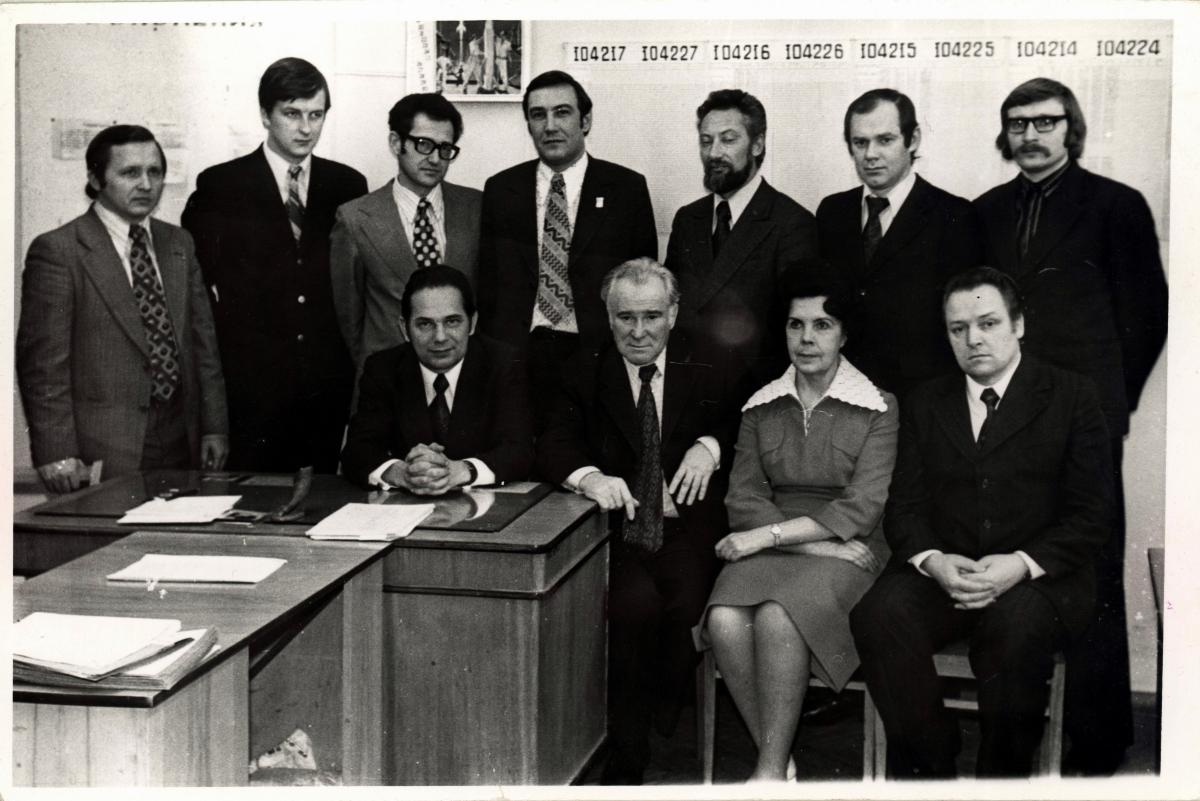
Faculty Members of the Department in 1979

Seated (left to right):

  • Dr. of Tech. Science, Prof. L.G. Voroshinin
  • Department Chair, Dr. of Tech. Science, Prof. L.S. Lyakhovich
  • Ph.D., Associate Prof. Z.N. Proskurina
  • Ph.D., Associate Prof. E.P. Puchkov                                                                               

Standing (left to right):

  • Ph.D., Associate Prof. G.F. Protasievich
  • Ph.D., Senior Research Fellow E.I. Sokolovsky
  • Ph.D., Associate Prof. B.Z. Polyakov
  • Ph.D., Associate Prof. G.M. Levchenko
  • Ph.D., Associate Prof. V.V. Surkov
  • Senior Lecturer V.G. Borisov
  • Ph.D., Senior Research Fellow V.K. Terekhov

By the early 1970s, the department had emerged as a leading center in the Soviet Union for studying and developing new technological processes to create protective diffusion coatings on metals and alloys. The department was tasked with organizing All-Union scientific conferences on the chemical-thermal treatment of metals and alloys in 1971, 1974, 1977, and 1981. These conferences were major scientific forums that featured active participation from top materials scientists in the USSR and socialist countries, including academicians of the Belarusian Academy of Sciences K.V. Gorev, V.P. Severdeyko, corresponding members of the Belarusian Academy of Sciences M.N. Bodyako, corresponding member of the Ukrainian Academy of Sciences G.V. Samsonov, professors G.V. Dubinin, Yu.M. Lakhtin, A.N. Minkevich, G.V. Zemskov, M.A. Krishtal, and many others. In 1981, Professor L.S. Lyakhovich was honored with the Order of Friendship of Peoples.
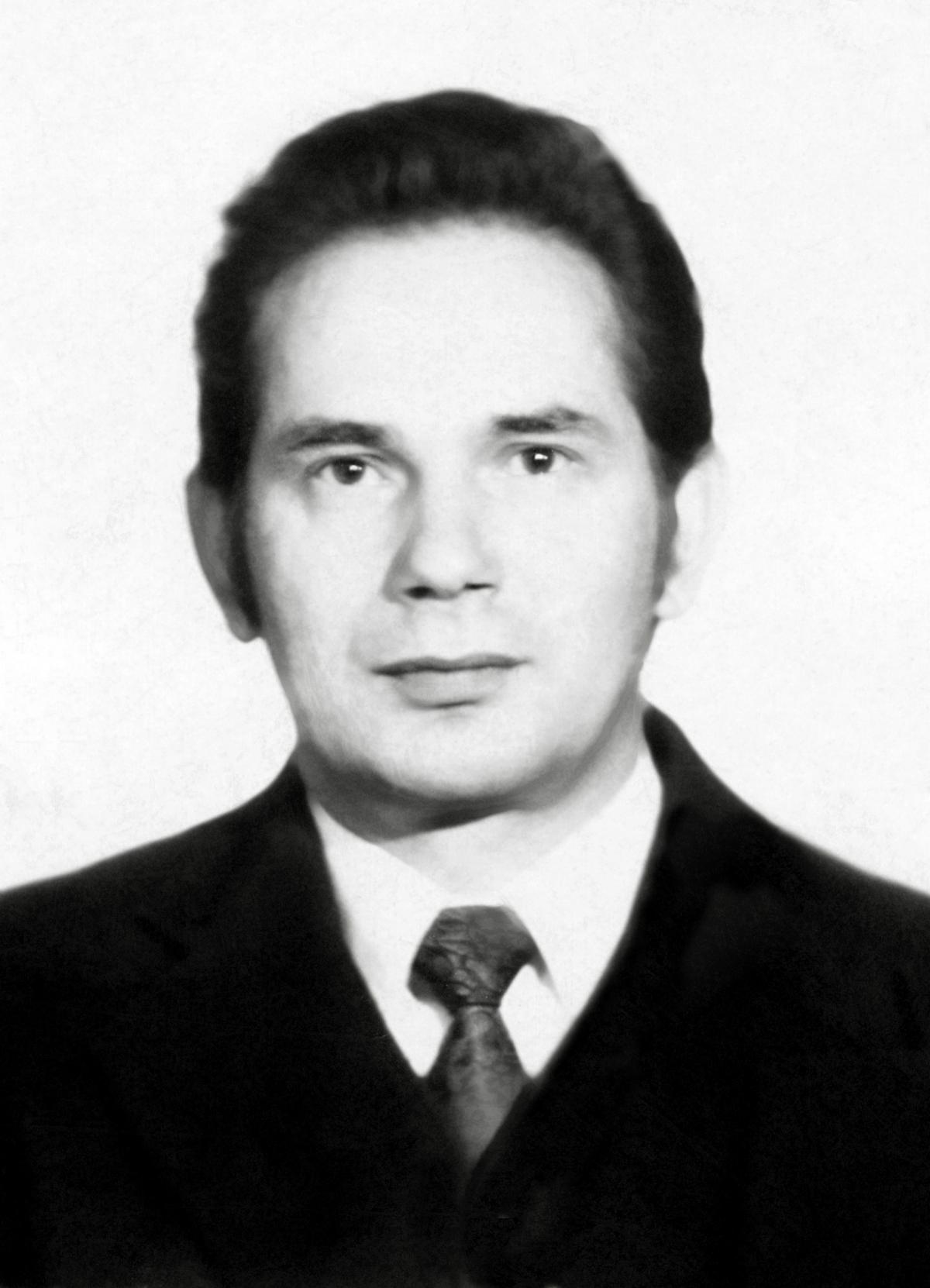
Leonid Grigorievich Voroshnin

In 1990, alongside metallurgists, the department began training engineers specializing in "Materials Science in Mechanical Engineering" and adopted the new name "Materials Science in Mechanical Engineering." Leading this department from 1990 was the twice laureate of the N.A. Minkevich Prize, Dr. of Tech. Science, Professor Leonid Grigorievich Voroshnin (1936-2006).

Dr. Voroshnin's doctoral dissertation focused on researching a novel chemical-thermal treatment process - electrolytic boriding of steel. The interest in boriding stemmed from its ability to create a surface layer of iron borides with high hardness and wear resistance. This work initiated a series of studies aimed at developing protective diffusion coatings on metals and alloys for various functional purposes (wear-resistant, heat-resistant, corrosion-resistant, cavitation-resistant), bringing recognition to the department not only within the Soviet Union but also internationally.

Leonid G. Voroshnin graduated from the Chelyabinsk Polytechnic Institute in 1959. From 1959 to 1962, he worked as the head of the laboratory of metallurgy and heat treatment, and as an assistant at the Department of "Metallurgy and Heat Treatment of Metals" at the Chelyabinsk Polytechnic Institute. In 1962, he entered the graduate school of the Belarusian Polytechnic Institute (now Belarusian National Technical University), where he remained for the rest of his career. He defended his candidate dissertation in 1965 and his doctoral dissertation in 1974.
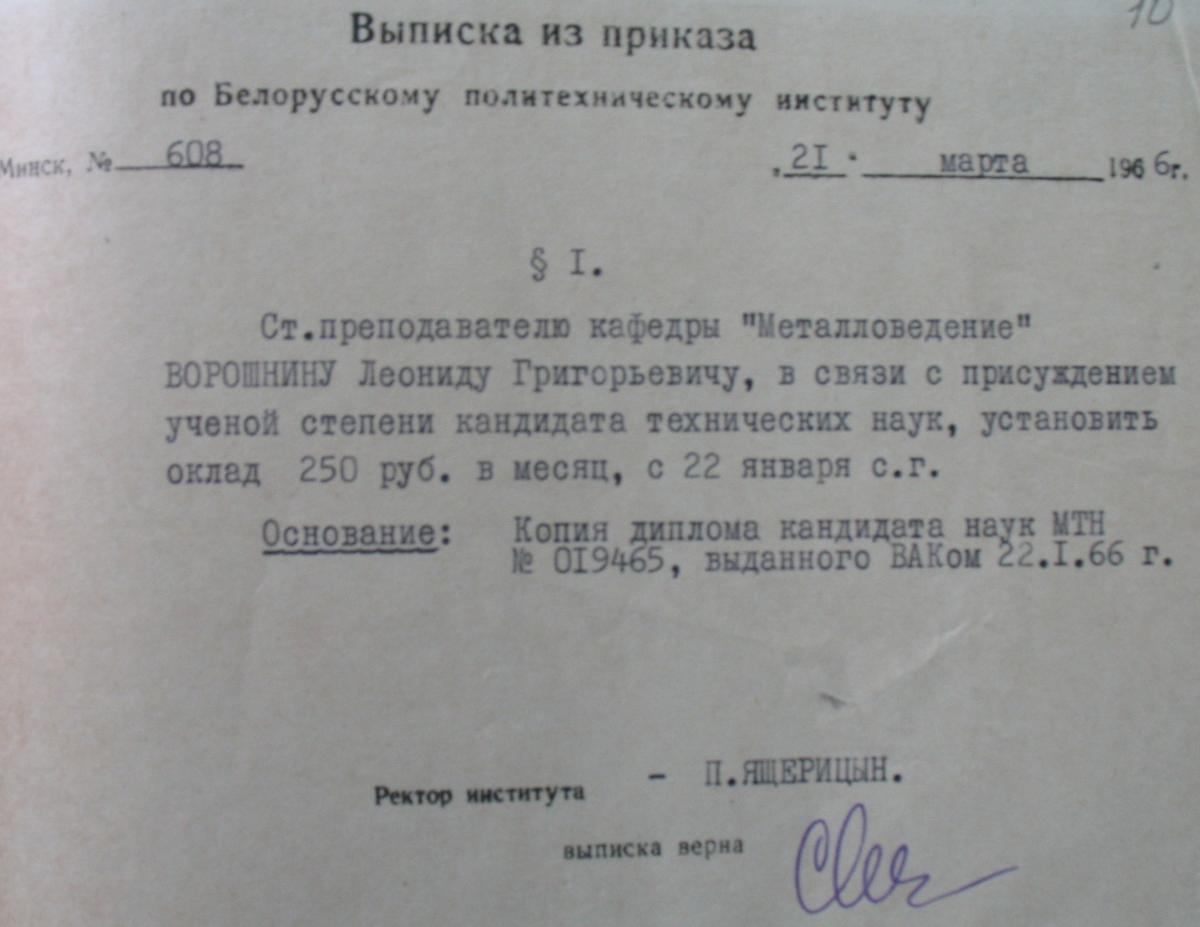
Fragment from L.G. Voroshnin's Personnel File

Professor Leonid G. Voroshnin made a significant contribution to the formation and development of the Belarusian scientific school of Chemical-Thermal Treatment (HTT). A detailed methodology for studying HTT processes was developed under his leadership. Over 100 new diffusion coatings of both multi-purpose and specialized types—such as heat-resistant, wear-resistant, cavitation-resistant, and anti-corrosive—were created. Original research on metal-thermochemical saturating agents was conducted, leading to the development of industrial HTT technologies based on these findings. Technologies for producing protective diffusion layers for iron-carbon alloys, alloyed steels, refractory metals, and hard alloys were also developed and implemented in industry.

Under the guidance of Professors L.G. Voroshnin and L.S. Lyakhovich, the department actively researched the principles of diffusion alloying of various materials for many years. The results of these studies were reflected in numerous monographs. The handbook "Chemical-Thermal Treatment of Metals and Alloys," edited by L.S. Lyakhovich and first published in 1981 (reprinted in Tokyo in 1985 in Japanese), became widely recognized. The author team also developed GOST 28428-90 "Thermodynamic Strengthening of Metal Products" in 1990.

The department's extensive research and teaching experience enabled the author team under Prof. Voroshnin's leadership to write Belarus's first textbook "Theory and Technology of Chemical-Thermal Treatment," which systematically covers material from fundamental theoretical questions to the analysis of HTT results.

To date, the department has trained over 2000 metallurgists and materials scientists. Many graduates have become candidates and doctors of sciences, working in educational institutions, research organizations, and industrial enterprises. Under the guidance of department professors, dissertations have been successfully prepared and defended by graduate students from many countries, including the CIS, Cuba, Syria, Iran, Slovakia, the USA, Israel, and others.

Notable alumni of the department include N.I. Ivanitsky, Candidate of Technical Sciences, Associate Professor, Dean of the Faculty of Mechanical Technology at BNTU; V.A. Smetkin, Candidate of Pedagogical Sciences, Associate Professor, Vice-Rector for Academic Affairs at BNTU; O.L. Mendeleeva and V.A. Stefanovich, Candidates of Technical Sciences, Associate Professors; V.A. Veynik, Senior Lecturer; and S.V. Borisov, Assistant.

The department has published over 20 monographs, 2 scientific and technical handbooks, more than 700 scientific articles, and received approximately 400 patents. It has been awarded eight medals from the Exhibition of Achievements of National Economy of the USSR (two gold, two silver, and four bronze), as well as the N.A. Minkevich Prize and the Ministry of Higher Education of the USSR Prize. The department has produced 17 doctors of sciences and over 100 candidates of sciences. Graduates of the department hold prominent positions in academia, industry, and research institutions both in Belarus and internationally.

Deanery : Vulica Jakuba Kolasa 24, Minsk, Minsk Region,220013, Republic of Belarus
Department : Republic of Belarus, 220013, Minsk, Ya. Kolas st., 12
Working time
8:15 – 17:30
Deanery Staff
Faculty contacts
Hot line
(8 017) 235-42-53
For enquiries about obtaining certificates
(8 017) 235-42-53
On checking into the dormitory
(8 017) 235-42-53
All contacts
Applicant?
Choose a specialty!
Ads
6 February 2026 8:11
Digital Art Competition "Symphony of Space-Space Team Building"
The open republican digital art competition "Symphony of Space — Space Team Building" begins in Belarus on February 12
More
9 January 2026 9:39
Трудоустройство молодежи в свободное от учебы время
Служба занятости организует работы школьников и студентов круглогодично. В свободное от учебы время молодые люди могут рассчитывать на временное трудоустройство. Молодые люди в возрасте от 14 до 16 лет могут выполнять лёгкие виды работ, не являющиеся вредными для их здоровья и развития, не препятствующие получению общего среднего, профессионально-технического и среднего специального образования.
More
10 December 2021 9:15
Гродненская региональная таможня проводит отбор кандидатов на службу в таможню
В целях подбора кадров среди выпускников учреждений образований бюджетной и платной форм обучения (в первую очередь проживающих в Гродненской области) и обеспечения их первым рабочим местом Гродненская региональная таможня проводит конкурсный отбор кандидатов для поступления на службу в таможню.
Кафедра «Таможенное дело» ФТУГ
More
Add an ad Add