Specialties

Choosing a future profession: A beautiful name or a successful engineering career?

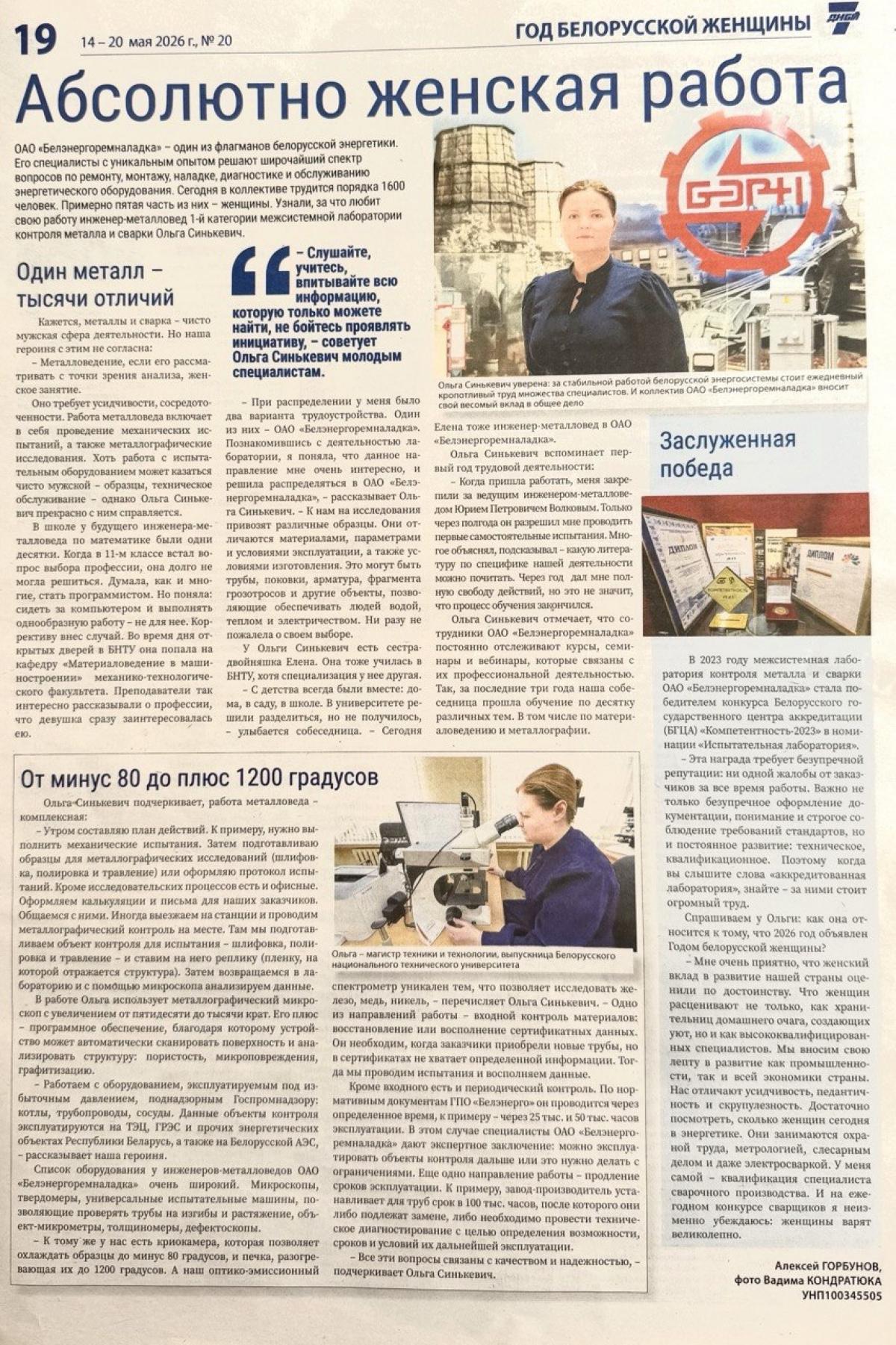
Below is information about one of the department's best graduates from previous years.
A hot time is coming for many Belarusian families. One of the members of their family - a son, daughter, grandson - wants to continue his education and he is faced with the task of choosing a future profession and entering a higher educational institution. The correctness of this choice is extremely important, as it sometimes determines the rest of your life. Some young people aspire to enroll in economic and legal specialties that have been fashionable in recent years. Promising job titles seem to guarantee financial wealth and a successful career. Somehow, at a meeting with applicants, the authors jokingly proposed two “new” specialties: “Management of financial flows in Switzerland” and “Management of financial flows in Nigeria”. There were many who wanted to “go” to Switzerland, but for some reason no one wanted to go to Nigeria to “manage finances” ... 

Unfortunately, many of these resonant specialties do not give the graduate the main thing - a profession. They do nothing but waste time and money! How many of them walk around the country, deceived graduates with diplomas that no one needs. But a lot of people got education for free! Why do we need such a higher education, which gives only a beautiful diploma, but does not give a profession and prosperity? So certified economists and lawyers of international law work as sellers, loaders for private entrepreneurs or auxiliary workers at numerous public and private construction sites.

In our opinion, young people who have chosen technical specialties as their future field of activity are in much more favorable conditions. "Techies" have always been and will be needed in large numbers. These specialists were valued always and everywhere. By the way, BNTU "techies" are known and in demand abroad.

MATERIALS ENGINEER IN THE 21st CENTURY

Materials and the technology of their processing in the 21st century are one of the defining directions of the progress of modern civilization. Developed Western countries are leaders in the production of not only computer equipment, but also various alloys and other materials. 

Materials specialists determine the optimal choice of metallic and non-metallic materials, the technology for manufacturing parts, reliability and durability in the operation of equipment and building structures. They study the nature of the origin of materials, processing methods, chemical and physical properties, as well as methods and instruments for monitoring and testing their properties. This knowledge is also necessary when finding out and eliminating the causes of failure of mechanisms and devices and increasing their reliability and durability. Future materials scientists study a wide range of modern materials, methods and equipment for thermal and chemical-thermal treatment of tools and machine parts, chemical, physical, atomic emission, X-ray spectral, metallographic, ultrasonic, magnetic and other methods for determining the composition, structure and properties of metals,

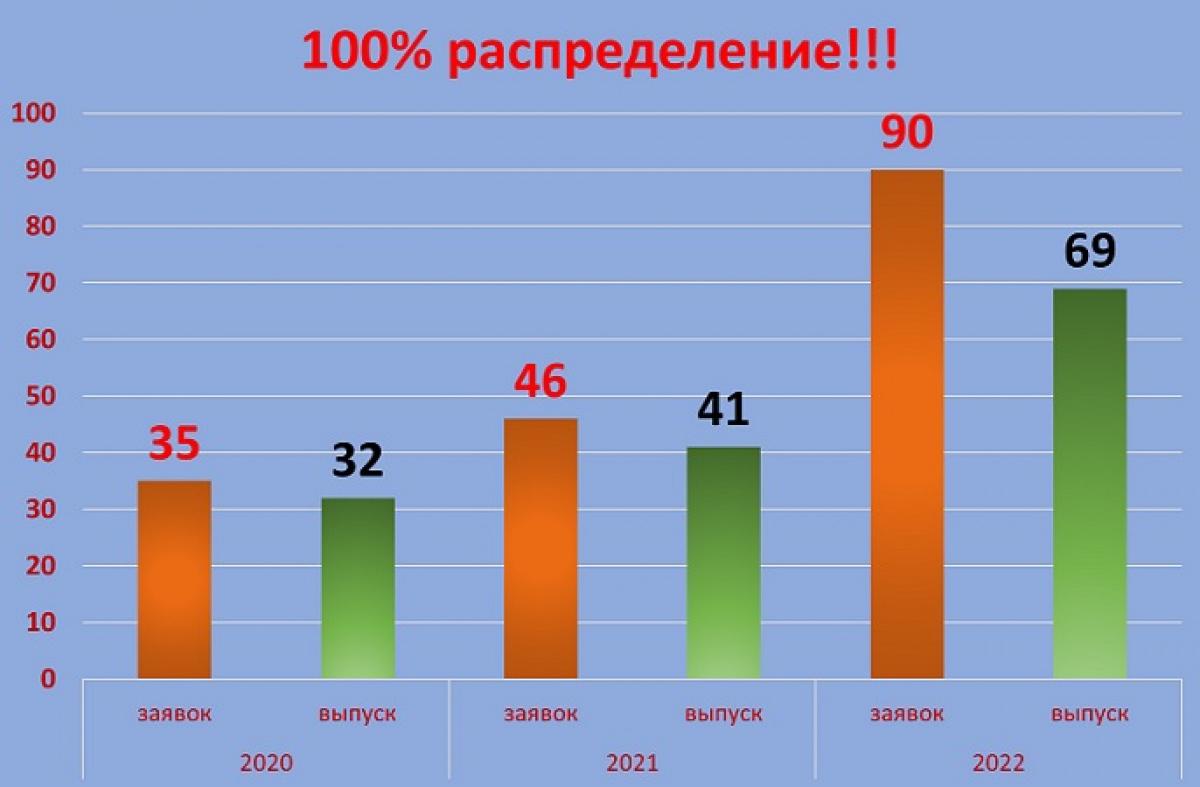
Specialists in the field of materials science and heat treatment find worthy application of their knowledge in almost many modern industrial, educational and scientific organizations and are in high demand. The statistics of the distribution of young specialists of BNTU in recent years shows that the need for materials and metallurgists in recent years is satisfied by educational institutions only by two thirds. Even this year, the number of applications traditionally exceeds the number of graduates. Foreign enterprises with their representative offices in Belarus show particular interest in materials engineers.
The nature of the work of materials scientists and thermists is diverse. For people who are inclined to a thoughtful scientific approach, the specialties "Materials Science in Mechanical Engineering" and "Metal Science, Technology and Equipment for Heat Treatment of Metals" provide unlimited opportunities in scientific activity. It should be noted that in the developed countries of the world, materials scientists annually develop and patent new materials, methods and processing equipment, publish the results of dozens of scientific studies in this area, and defend dissertations of candidates and doctors of technical sciences.
SPECIALTY 1-42 01 01 "METALLURGICAL PRODUCTION AND MATERIAL PROCESSING"
SPECIALIZATION 1-42 01 01-01 03 "METAL SCIENCE, TECHNOLOGY AND EQUIPMENT FOR HEAT TREATMENT OF METALS"
Qualification - engineer, training period 4 years, full-time only.

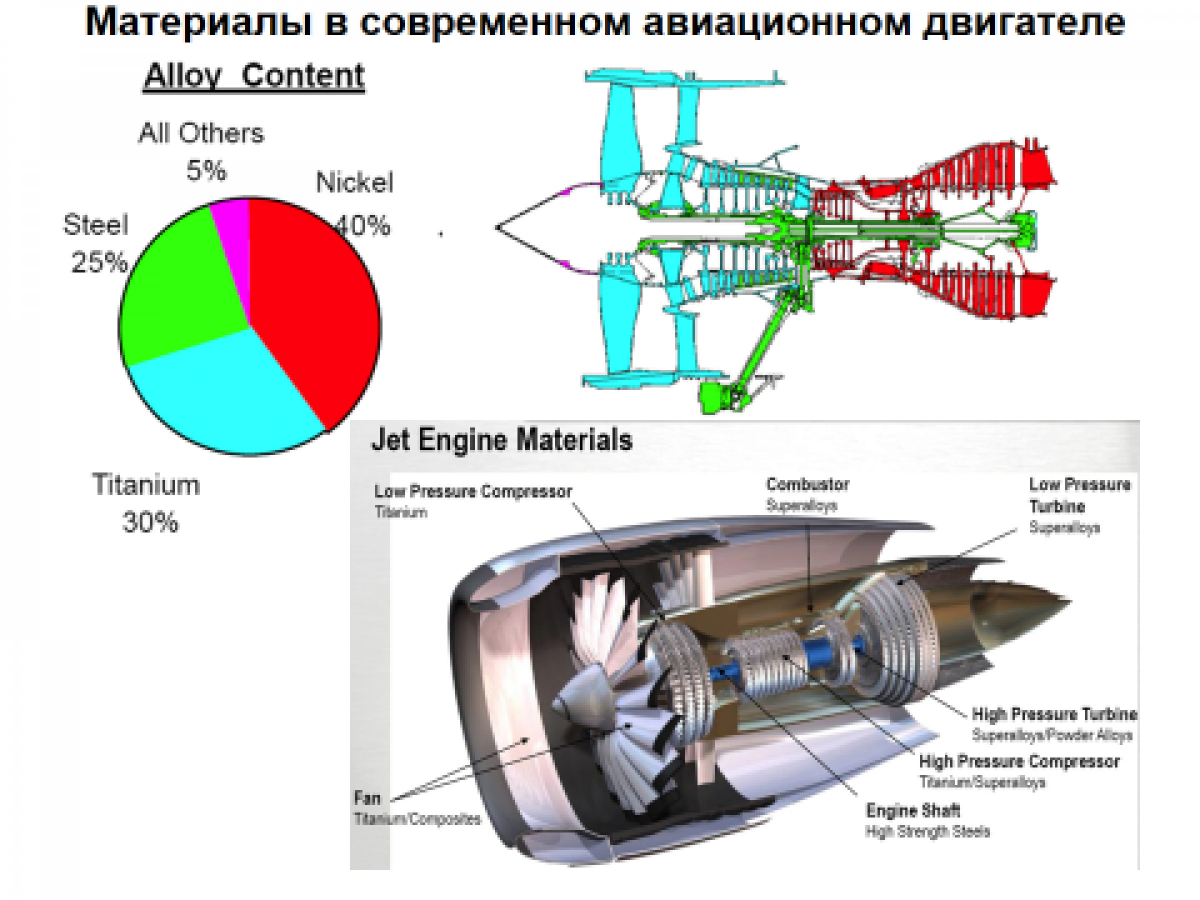
Modern metals and alloys are the strategic foundation of industrialized countries. Civilization is rapidly mastering progressive alloys and methods of their hardening. Along with traditional steels, special alloys based on aluminum, titanium, magnesium, superalloys based on cobalt, nickel, etc. are being actively developed and used. Understanding the whole variety of modern alloys is taught in the specialty "Metal Science, Technology and Equipment for Heat Treatment of Metals". Active interaction with the institutes of the National Academy of Sciences of Belarus, leading enterprises allows students to master modern computerized equipment for volumetric and surface hardening. Information technologies are studied by students and used to analyze the structure and performance properties of alloys. Only a student of metallurgy knows well
There is a catastrophic shortage of specialists who understand modern alloys and understand the nature of hardening and softening of alloys. There are few of them abroad. Therefore, this specialty is acutely scarce. Up to 50% of organizations' applications for metallurgy engineers remain unsatisfied - there are not enough graduates. A significant part of the graduates remains to work in Minsk organizations, at leading enterprises. Graduates are willingly hired by research organizations of the National Academy of Sciences of Belarus. A number of graduates successfully work abroad. Among our graduates are directors of enterprises, university professors, successful businessmen. The shortage of metallurgical engineers and the acquired modern knowledge provide rapid career growth for qualified graduates.
A metallurgical engineer develops the basics of technology for the correct use of products made of metals and alloys. He is engaged in the study of materials and works on the creation of new ones, controls their properties. In other words, he is the designer of these materials and can obtain alloys for use in special conditions and for completely new directions in the development of progress.

SPECIALTY 1-36 01 02 "MATERIAL SCIENCE IN ENGINEERING"

Qualification - engineer, training period 4 years, full-time only. During the training period, all students study information technology, specialized application software packages, modern hardware and software tools for studying the physical and mechanical properties of various types of metallic and non-metallic materials.

The main disciplines for studying by a materials engineer:
• Materials science of metallic and non-metallic materials
• Information Technology
• Computer modelling
• Computer design
• Theory of alloys
• Fundamentals of scientific research
• Physics of metals
• Radiation resistant materials
• Special steels and alloys
• Technology of tool materials
We live in a period of rapid development of theoretical and practical materials science, and the 21st century is called the century of new materials. Previously unknown to mankind, sometimes simply fantastic materials are being developed and widely used. Specialists who are professionally versed in various materials have always been valued. There is an urgent need for material engineers all over the world today. The main differences of a modern materials engineer are the organic combination of classical materials science and computer technologies; active use of modern methods for assessing and controlling properties; wide information horizon of construction materials of world leaders (Europe, America, Asia).
During the training, students study high-strength engineering materials, modern composite, non-metallic materials, wear-resistant, radiation-resistant, corrosion-resistant materials, etc. Much attention is paid to the study of various metallic and non-metallic protective coatings. Along with special materials science courses, students study in detail information technologies for solving various engineering problems. Students participate in research work within the framework of the student scientific bureau "Materials Science in Mechanical Engineering". The best students continue their education in the magistracy and postgraduate studies.
Graduates of the specialty are in demand in organizations and enterprises working with modern engineering materials. Every year, the number of applications for specialists exceeds the number of graduates in this specialty by 20-30%. In addition to traditional jobs, in recent years, graduates have been distributed to organizations involved in the examination of materials, export-import supplies of materials.
Materials students study the technologies for manufacturing modern superalloys, high-strength steels, composite materials, their areas of application, methods for controlling their properties, modeling and designing their structure on a computer. 
 Our students are actively involved in research work on the development of promising nano-structures and hardening surface coatings. Dear applicants and their parents! Our graduates are specialists - high-class professionals. With additional advanced training, they take leadership positions at enterprises in various industries.
Among our graduates are successful businessmen, top managers of various organizations, famous scientists, professors.

The staff of the department, the management of various types of enterprises invites you to study at the department of "Materials Science in Mechanical Engineering" of the Belarusian National Technical University for the specialization "Metal Science, Technology and Equipment for Heat Treatment" 1-42 01 01-01 03 or the specialty "Materials Science in Mechanical Engineering" 1-36 01 02.

Deanery : Vulica Jakuba Kolasa 24, Minsk, Minsk Region,220013, Republic of Belarus
Department : Republic of Belarus, 220013, Minsk, Ya. Kolas st., 12
Working time
8:15 – 17:30
Deanery Staff
Faculty contacts
Hot line
(8 017) 235-42-53
For enquiries about obtaining certificates
(8 017) 235-42-53
On checking into the dormitory
(8 017) 235-42-53
All contacts
Applicant?
Choose a specialty!
Ads
6 February 2026 8:11
Digital Art Competition "Symphony of Space-Space Team Building"
The open republican digital art competition "Symphony of Space — Space Team Building" begins in Belarus on February 12
More
9 January 2026 9:39
Трудоустройство молодежи в свободное от учебы время
Служба занятости организует работы школьников и студентов круглогодично. В свободное от учебы время молодые люди могут рассчитывать на временное трудоустройство. Молодые люди в возрасте от 14 до 16 лет могут выполнять лёгкие виды работ, не являющиеся вредными для их здоровья и развития, не препятствующие получению общего среднего, профессионально-технического и среднего специального образования.
More
10 December 2021 9:15
Гродненская региональная таможня проводит отбор кандидатов на службу в таможню
В целях подбора кадров среди выпускников учреждений образований бюджетной и платной форм обучения (в первую очередь проживающих в Гродненской области) и обеспечения их первым рабочим местом Гродненская региональная таможня проводит конкурсный отбор кандидатов для поступления на службу в таможню.
Кафедра «Таможенное дело» ФТУГ
More
Add an ad Add