The Department of Metal-Cutting Machines and Tools is renowned for its significant scientific contributions, particularly in the area of cutting mechanics using blade and abrasive tools. Under the leadership of esteemed academics such as Academician P.I. Yashcheritsyn and Professors E.I. Feldstein, E.M. Dechko, A.I. Kochergin, E.E. Feldstein, and Associate Professor V.I. Shagun, a distinguished scientific school of metalworking has been established. This school has advanced the theory of cutting, manufacturing technology, and methods for designing cutting tools and technological equipment.
Key Scientific Contributions
1. Innovative Material Processing Techniques
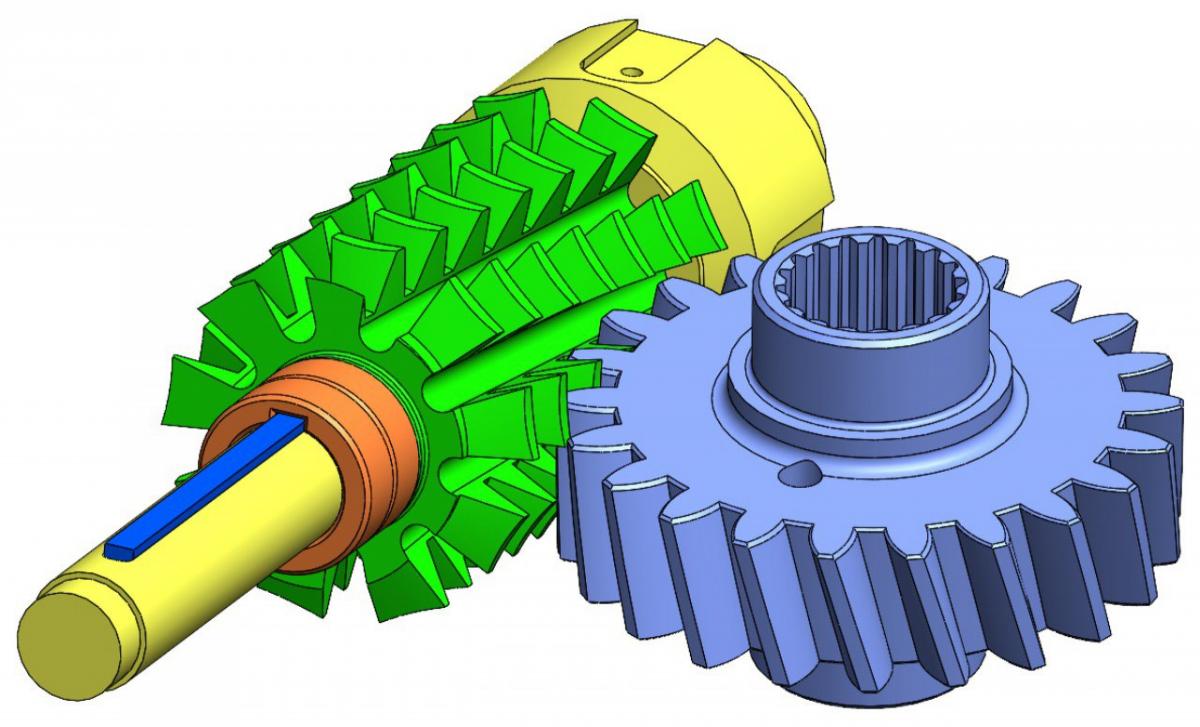
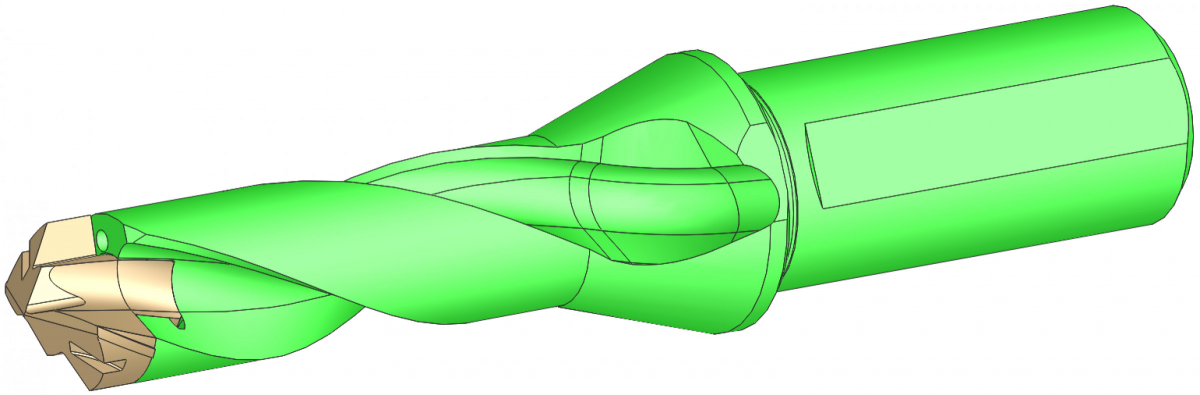
- Development of deep drilling, force reaming, high-speed broaching, rotary cutting, precision thread cutting with taps, deep grinding, and grinding with oriented diamond grains.
- Finishing processes for flat, round, and spherical parts.
- Cutting processes for powdered materials, wear-resistant coatings, and cermets.
- Research on the machinability of steels, cast iron, copper, cermets, powdered materials, ceramics, and wear-resistant coatings.
2. High-Performance Cutting Tools and Machine Designs
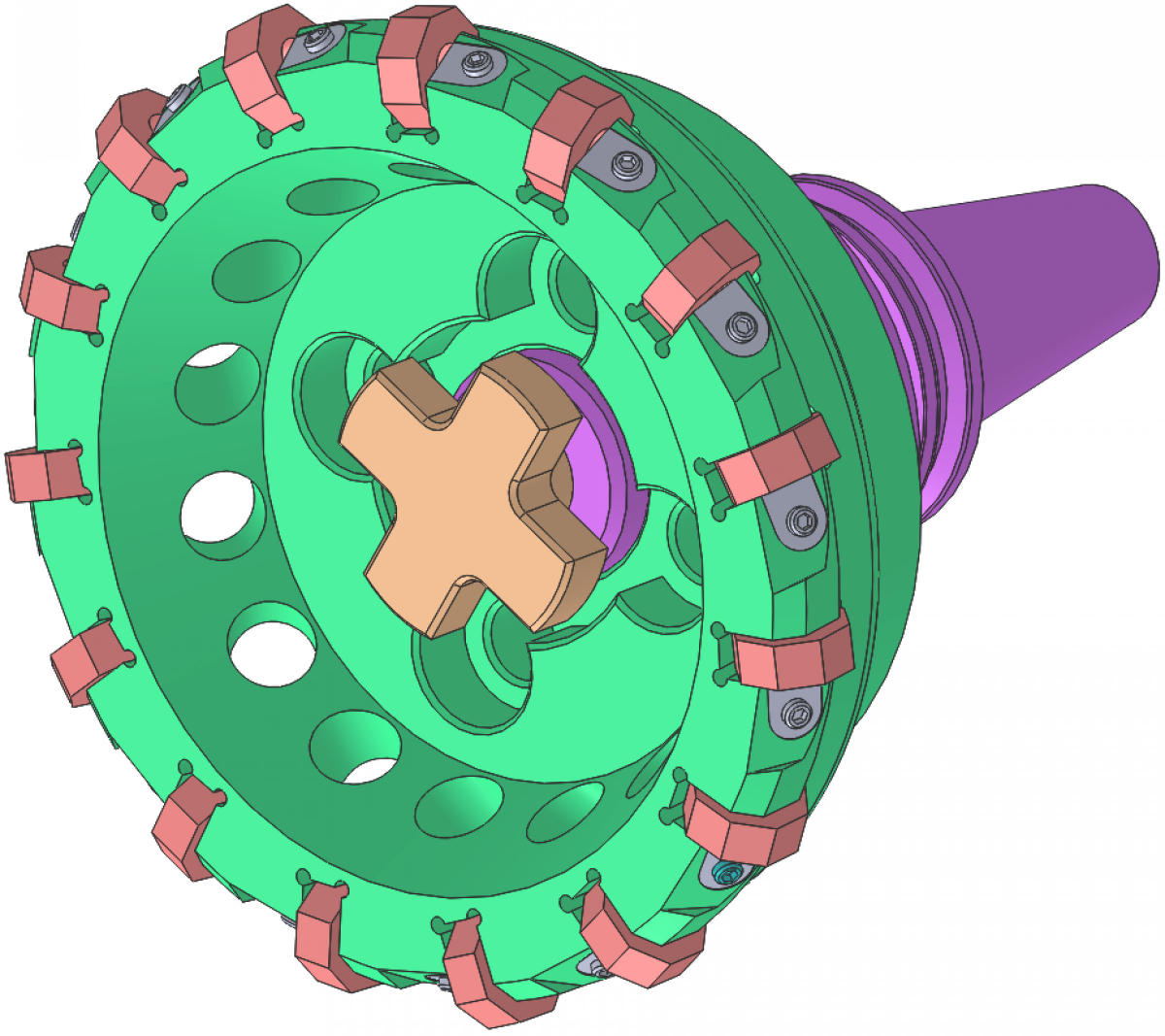
- Creation of advanced cutting tools and machine designs widely adopted in the industry.
- Notable invention: a method for producing thin ribs on parts by cutting and bending chips, forming the basis of a high-efficiency, waste-free, and environmentally friendly technology for manufacturing heat exchange elements.
International Recognition
The research school on abrasive-diamond material processing, founded by Academician P.I. Yashcheritsyn, has gained international recognition. Yashcheritsyn’s theory of technological inheritance has significantly enriched the science of material cutting and made substantial contributions to the development of manufacturing technology.
Current Research Focus
- Cutting Process Modeling
- Development of methods for simulating cutting processes and optimal control of part processing under non-stationary cutting conditions.
- Enhancing the reliability of tool systems.
- Technological Equipment and Tool Modeling
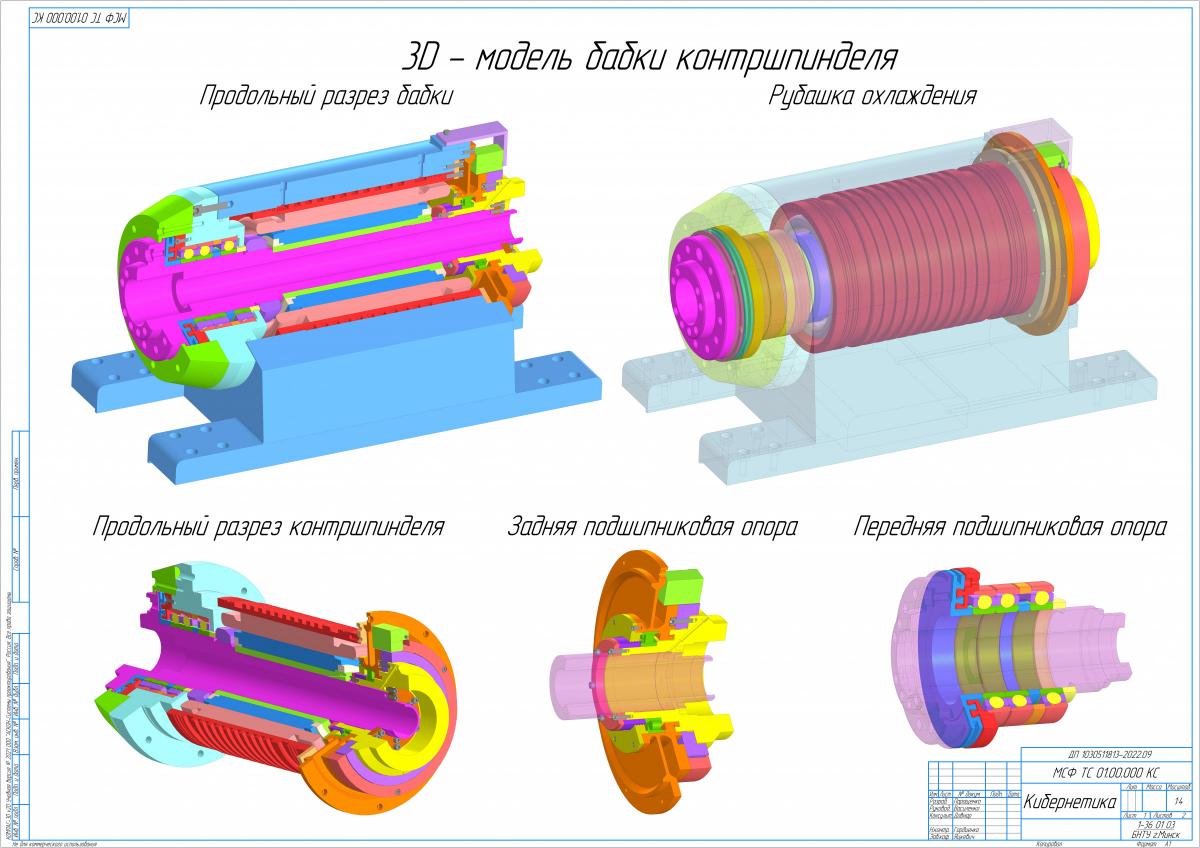
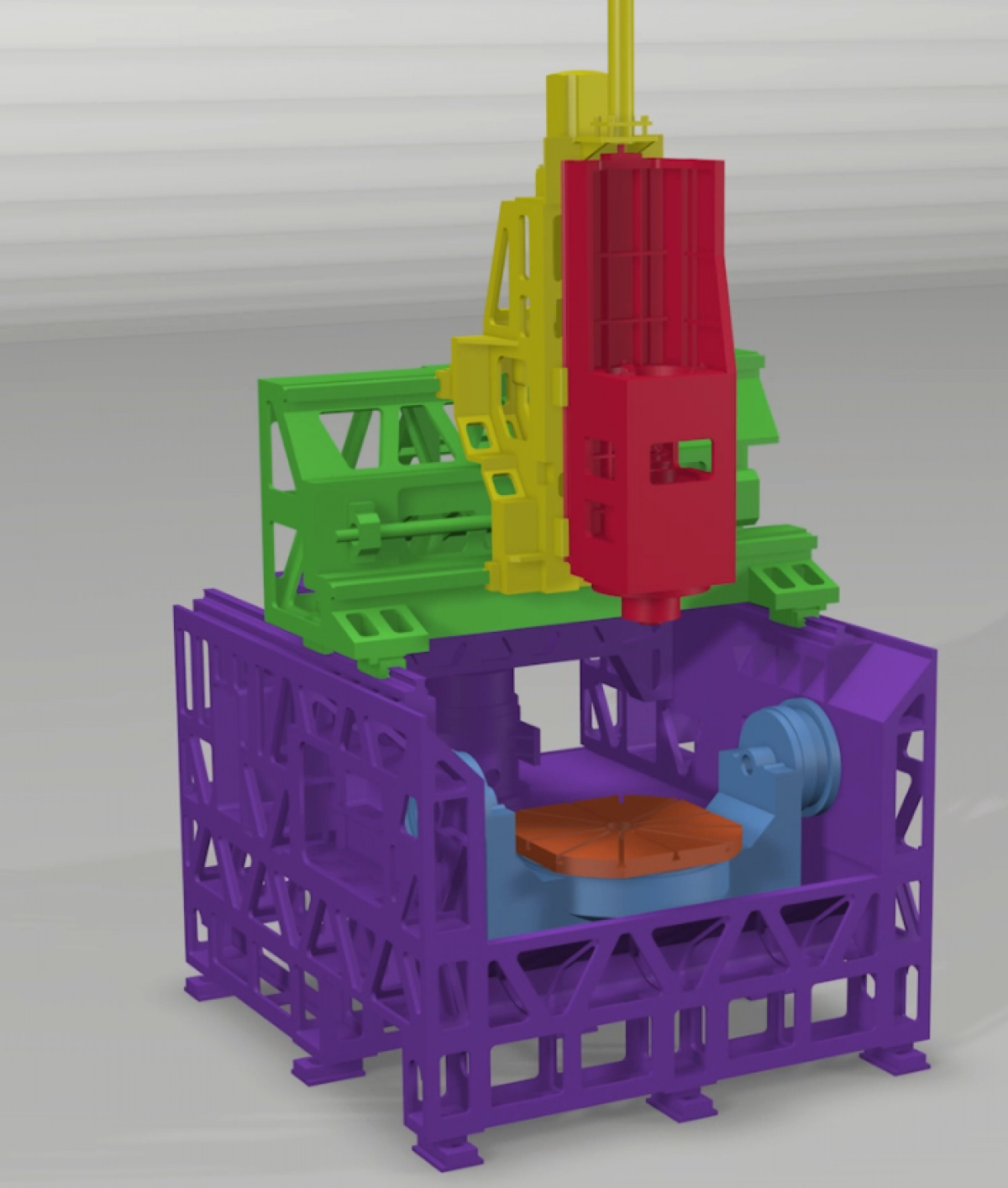
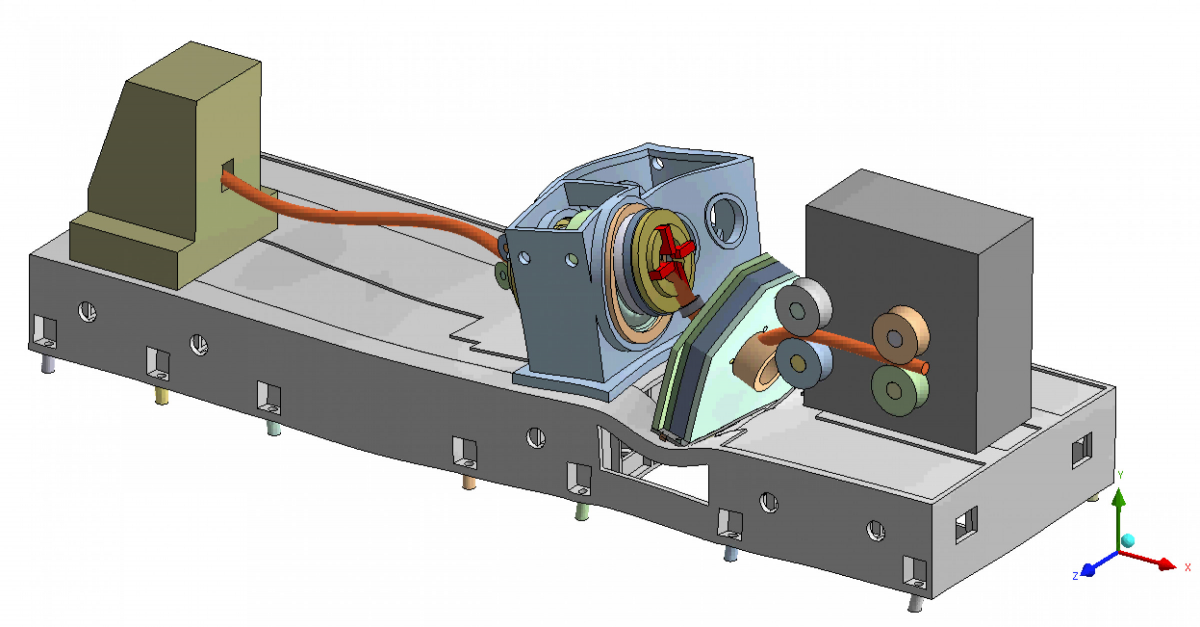
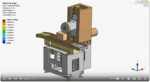
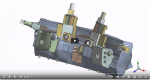
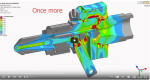
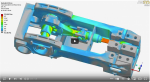
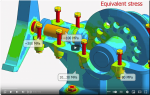
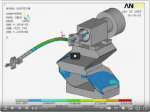
- Simulation of technological equipment and cutting tools, including analysis of strength, rigidity, stability, thermoelastic behavior, resonances, harmonic oscillations, and dynamic impacts, using computer modeling tools.
The Department of Metal-Cutting Machines and Tools continues to lead in research and innovation, contributing to advancements in the field of metalworking and manufacturing technology.
Student Research Projects (SRP) are a crucial component of the educational process. Guided by leading faculty members, SRP aims to deepen students' understanding of academic disciplines and enhance their skills in independent scientific research. During SRP, students gain practical experience in developing methodologies and conducting experimental and theoretical studies, as well as analyzing the results obtained. Completed works of scientific and practical value are published in thematic collections and journals.
Students participate in the annual BNTU conference, as well as in national and international student conferences and competitions. Abstracts of presentations and collections of articles are published based on the outcomes of these events. The best works are implemented in the educational process (in laboratory works, diploma and course projects, methodological and educational materials, etc.) and in production.
|
|
|
|
|
|
|
|
|
|