The Faculty of Architecture at BNTU is the leading architectural school in the Republic of Belarus, playing a central role in the scientific and methodological support of higher and secondary specialized architectural education in the country. The entire educational, methodological, and human resources of the faculty are focused on preparing highly qualified specialists capable of addressing creative, cognitive, research, and practical challenges in the field of architecture.
|
|
|
|
|
|
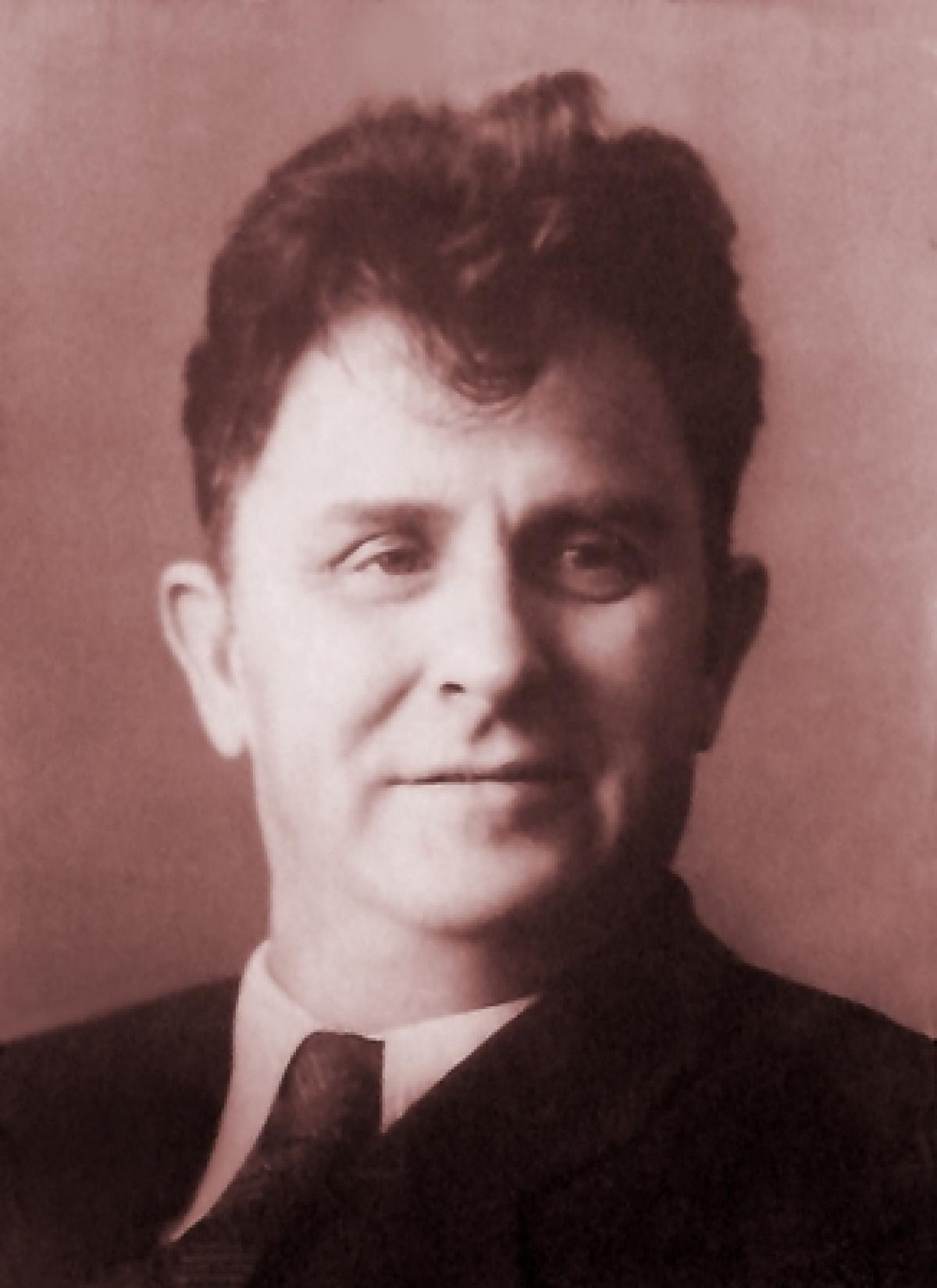
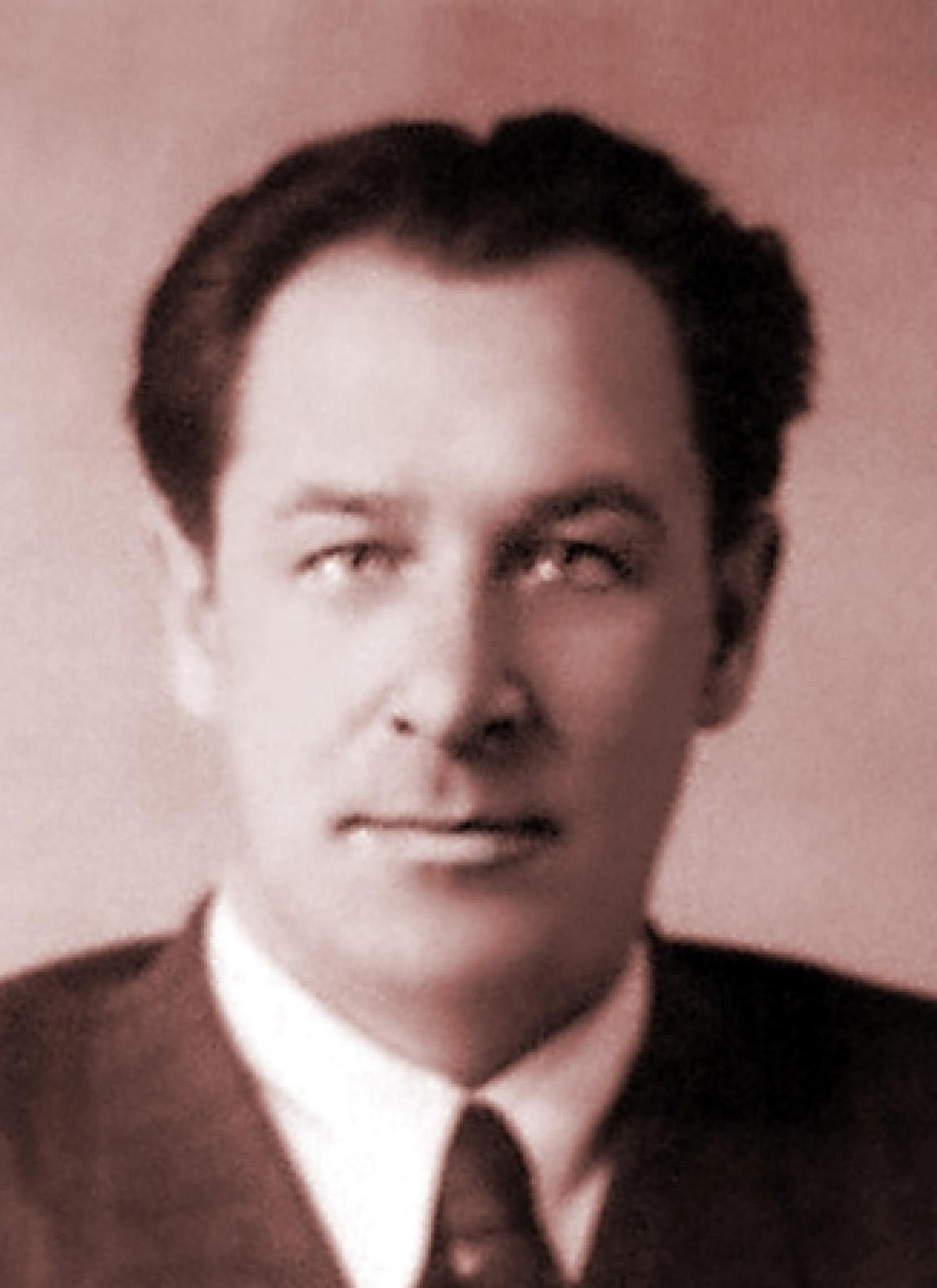
| The founder of the architectural school in 1952 |
Dean of the Architecture Faculty from 1970 - 1981 |
Dean of the Architecture Faculty from 1981 - 1985 | Dean of the Architecture Faculty from 1985-1995 |
Dean of the Architecture Faculty from 1995-2004. |
The structure of the Architecture Faculty comprises six departments
1. Department of "Architecture of Residential and Public Buildings" (headed by N.A. Lazovskaya, Candidate of Architecture, Associate Professor).
2. Department of "Urban Planning" (headed by V.V. Vashkevich, Candidate of Architecture, Associate Professor).
3. Department of "Architecture of Industrial Facilities and Architectural Constructions" (headed by E.B. Morozova, Doctor of Architecture, Professor).
4. Department of "Architectural Environment Design" (headed by A.A. Litvinova, Associate Professor, laureate of the special prize of the President of the Republic of Belarus "For Spiritual Revival").
5. Department of "Theory and History of Architecture" (headed by V.F. Morozov, Doctor of Architecture, Associate Professor).
6. Department of "Drawing, Painting, and Sculpture" (headed by Professor N.V. Kireev).
Among these, the first four departments are responsible for specialized training, while the last two provide foundational education.
Currently, the Architecture Faculty of BNUT accommodates approximately 1000 students. Since 2002, the faculty has been offering a Master's program in Architecture, focusing on advanced scientific and design specialization.
The core of architectural education lies in the execution of tasks within the discipline of "Architectural Design." This course begins from the first semester and culminates in the completion of a diploma project. The educational process and architectural design are closely intertwined:
1. With real-world projects: Students are engaged in fulfilling commissions from design firms, government bodies, and public organizations as part of their academic training.
2. Through scientific research: All students learn research methodologies within their academic disciplines, while the most capable students are involved in research activities conducted by the departments.
3. Through various international contacts: Students and faculty members engage in diverse international collaborations both within and beyond the academic framework.
Throughout its existence, the Architecture Faculty has produced over 4,100 architects, including approximately 600 for countries such as Hungary, Vietnam, Egypt, Iran, Yemen, Kenya, China, Congo, Cuba, Kuwait, Lebanon, Libya, Madagascar, Morocco, Mozambique, Mongolia, Nepal, Nicaragua, Peru, Syria, Tanzania, and others. Graduates of the BNUT Architecture Faculty hold prominent positions in various design and research organizations, as well as in government bodies overseeing architectural and urban planning activities. Over the years, the faculty has employed 75 teachers, including 8 Doctors and 26 Candidates of Architecture, while educating around 1000 students.